Introduction
Student inquiry projects on internet safety involve students actively researching, analyzing, and presenting solutions to digital challenges, fostering critical thinking regarding their own online behaviors. According to the Cybersecurity and Infrastructure Security Agency (CISA), building a culture of cybersecurity awareness requires individuals to recognize threats and practice proactive defense measures across all digital interactions. These projects shift the responsibility of safety from passive reception of rules to active participation in digital citizenship, ensuring that students understand the “why” behind school policies on Internet and Digital Safety.
Digital Safety Snapshot:
- Core Focus: Empowering students to investigate and solve real-world digital safety problems through evidence-based research.
- Target Scope: Middle school curriculum integration for digital footprint management, device hygiene, and cyberbullying prevention.
- Key Recommendation: Utilize inquiry-based learning to allow students to map the consequences of their digital footprints before professional or academic applications occur.
Core Principles and Detailed Overview
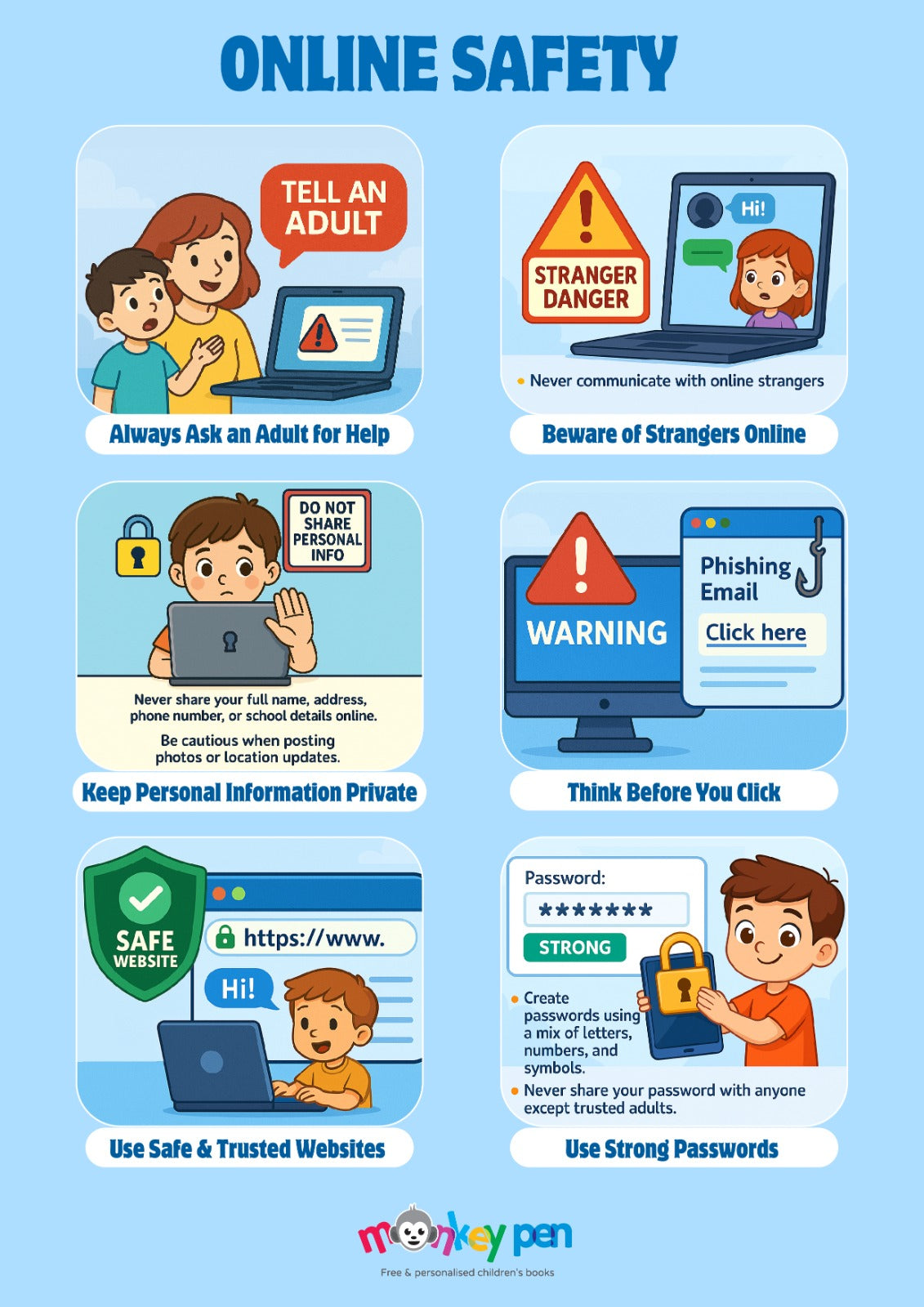
Inquiry-based digital safety projects require students to define a specific problem—such as the persistence of a digital footprint—and design a framework for mitigating that risk. By investigating how data is tracked or how cyberbullying escalates, students develop the analytical skills necessary to navigate modern Online and Digital Safety landscapes. This pedagogical approach demands that students evaluate sources, identify bias in online content, and implement device hygiene protocols. Rather than simply memorizing acceptable use policies, participants must demonstrate how specific technical habits, such as password management or privacy setting adjustments, directly correlate to improved personal security.
Key Specifications and Breakdown
| Safety Pillar | Digital Risk Factor | Actionable Protective Habit |
|---|---|---|
| Digital Footprint | Permanent Data Exposure | Audit and prune public social profiles |
| Cyberbullying | Social Media Harassment | Document evidence and utilize block features |
| Device Hygiene | Malware and Phishing | Enable multi-factor authentication (MFA) |
Shared Responsibility Principle: Every user holds the power to enhance the security of the broader network by maintaining personal device hygiene and reporting suspicious activity immediately. — Cybersecurity & Infrastructure Security Agency (CISA)
Step-by-Step Practical Application and Guidelines
Effective inquiry projects follow a structured process starting with the selection of a verifiable safety challenge, followed by data collection, analysis, and the creation of a tangible solution. Students should begin by identifying a specific pain point, such as “the impact of screen time on academic focus,” and then research peer-reviewed strategies to mitigate these effects. Educators must facilitate the process by providing access to verified Worksheets that guide students through the research phase. The final product should demonstrate a clear link between a identified risk and a proposed preventive measure, such as a student-led campaign for school-wide device hygiene or a guide on managing digital reputations.
Common Challenges and How to Avoid Them
Common challenges in inquiry projects include the selection of unreliable sources and a lack of focus on actionable, evidence-based outcomes. To prevent these issues, instructors must enforce strict vetting of research materials, ensuring students prioritize documentation from official cybersecurity organizations. Another pitfall involves students choosing topics that are too broad; narrowing the scope to specific areas like “password complexity” or “cyberbullying reporting protocols” ensures a more rigorous and meaningful investigation. Consistent monitoring of the project trajectory helps maintain academic integrity while ensuring the final recommendations are practical for the school environment.
💬 Frequently Asked Questions
Explore More Kids Safety and Digital Citizenship Guides on SafeWiredSchools
Comprehensive resources for educators, parents, and students are available to support ongoing digital literacy efforts. For additional tools, including Coloring Pages and curriculum guides, visit the extensive library at Safe Wired Schools.
Visual Reference Gallery