Introduction
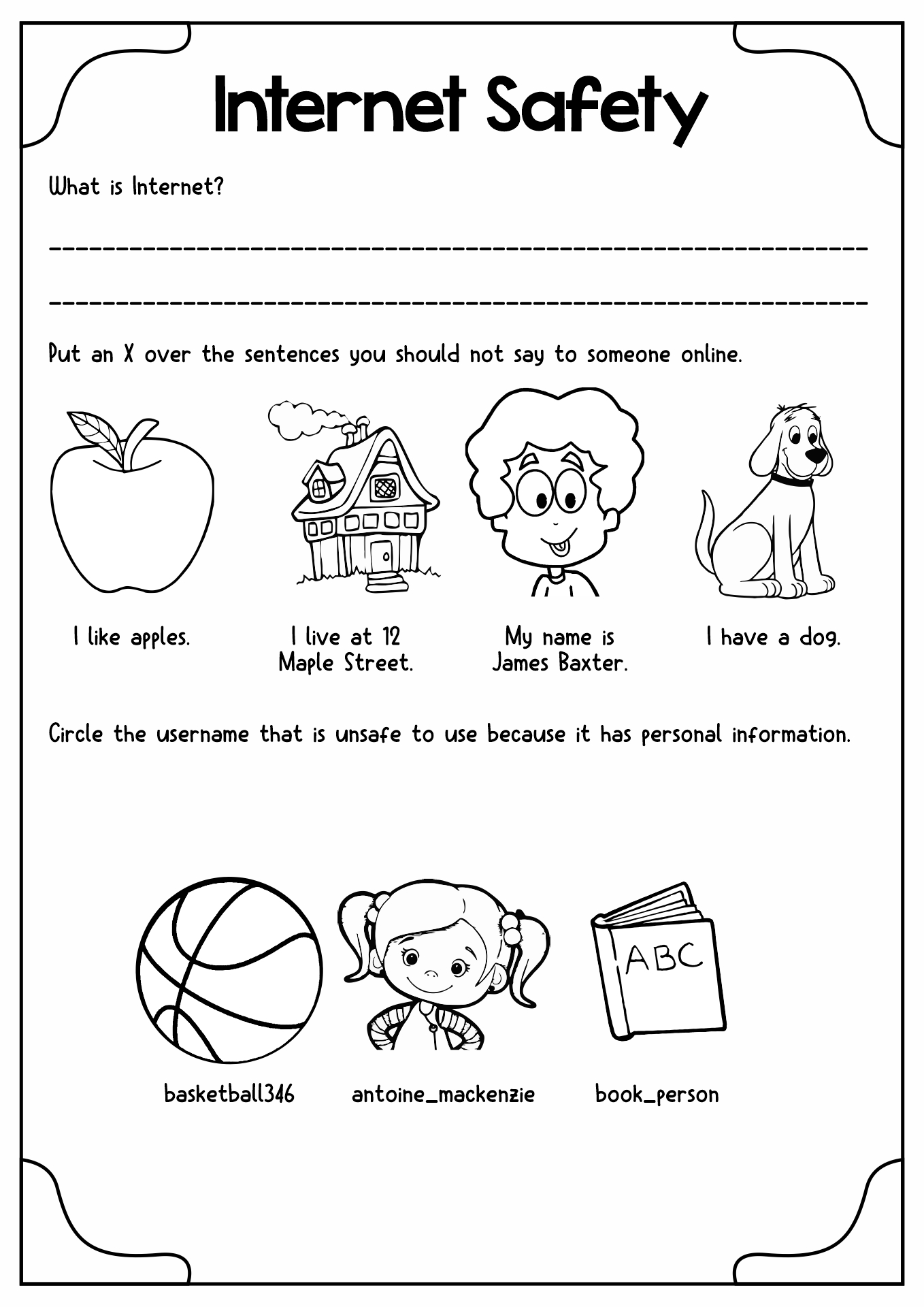
A personal information safety worksheet free resource functions as a structured educational handout designed to teach students how to identify, protect, and manage personally identifiable information across digital platforms. According to the Federal Trade Commission (FTC Consumer Advice), educating minors on data privacy early significantly reduces identity theft and unauthorized profile tracking risks. Educators, school administrators, and parents utilize these no-cost instructional printables to reinforce essential digital footprint management, cyberbullying prevention, and safe device hygiene habits during classroom instruction or home study. The integration of targeted learning materials equips middle school students with the critical thinking skills required to evaluate online risks, recognize phishing attempts, and maintain healthy screen boundaries.
Digital Safety Snapshot:
- Core Focus: Utilizing a personal information safety worksheet free to teach students data privacy, device hygiene, and digital footprint management.
- Target Scope: Middle school classrooms, remote learning environments, and parent-guided home digital citizenship initiatives.
- Key Recommendation: Implement interactive paper-based or digital exercises that simulate real-world data sharing dilemmas.
Core Principles and Detailed Overview
Protecting personal data online requires a comprehensive understanding of what constitutes sensitive information versus harmless digital expressions. A quality personal information safety worksheet free from cost clarifies boundaries surrounding full names, home addresses, phone numbers, school locations, and geolocation metadata. Students must grasp that digital actions leave permanent footprints that influence future academic and professional opportunities. Integrating these concepts into Internet and Digital Safety modules helps schools establish uniform privacy standards. Furthermore, managing digital footprints effectively discourages malicious actors from exploiting youth on social networking apps, gaming servers, and collaborative school platforms.
Key Specifications and Breakdown
| Safety Pillar | Digital Risk Factor | Actionable Protective Habit |
|---|---|---|
| Data Privacy | Sharing home addresses or telephone numbers in public chatrooms. | Classify all identifying markers as strictly confidential before posting. |
| Cyber Hygiene | Utilizing weak, repetitive passwords across educational software. | Deploy unique passphrases and enable multi-factor authentication. |
| Screen Balance | Excessive digital exposure leading to online fatigue and vulnerability. | Enforce scheduled offline intervals and structured device-free zones. |
Organizations must establish clear digital citizenship frameworks that emphasize privacy literacy, safe communication protocols, and responsible device stewardship for all adolescent learners. — Cybersecurity & Infrastructure Security Agency (CISA)
Step-by-Step Practical Application and Guidelines
Executing an effective data privacy lesson involves downloading an accessible personal information safety worksheet free of licensing fees, printing adequate copies for students, and guiding participants through scenario-based discussion prompts. Educators begin by defining confidential data categories, instructing learners to evaluate hypothetical social media profiles, and asking students to identify hidden privacy hazards. Following the analysis phase, instructors lead a classroom discussion regarding cyberbullying prevention, emphasizing how oversharing personal details provides bullies with ammunition for harassment. Subsequent steps involve reviewing device hygiene best practices—such as logging out of shared school terminals and clearing browser caches—to ensure hardware security. Comprehensive resources like Online and Digital Safety curricula provide supplementary activities that reinforce these critical protective routines.
Common Challenges and How to Avoid Them
Overcoming student apathy toward digital privacy requires transforming abstract cybersecurity concepts into engaging, relatable real-world challenges. A frequent mistake involves treating data safety as a one-time lecture rather than an ongoing conversational habit supported by dynamic Worksheets and interactive exercises. Teachers and parents often encounter resistance when students believe their minor status shields them from online fraud or targeted manipulation. Educators counter this by highlighting actual, anonymized case studies of digital impersonation, demonstrating the tangible repercussions of careless data disclosure. Maintaining consistency across both school and home environments ensures that youth internalize these safety lessons, minimizing risky behaviors across all connected devices.
💬 Frequently Asked Questions
Explore More Kids Safety and Digital Citizenship Guides on SafeWiredSchools
Safeguarding children in modern digital environments requires continuous education, proactive monitoring, and accessible instructional materials for educators and parents alike. Reviewing comprehensive toolkits across the Safe Wired Schools platform provides schools with the foundational strategies necessary to foster secure, responsible, and balanced digital citizens.
Worksheet Previews & Reference Materials