Introduction
Establishing foundational digital habits begins in the earliest years of development. The “screen time checklist for toddlers” is a valuable free printable resource specifically designed for Preschool ages 35, addressing the critical need for balanced digital engagement from a young age. This worksheet serves as an essential tool for parents and educators, reinforcing fundamental internet safety concepts through engaging, hands-on learning experiences. Printable learning resources are widely trusted by educational professionals and caregivers for their tangible nature and effectiveness in building digital awareness and fostering responsible online behavior. They offer a concrete, interactive alternative to screen-based learning, reducing digital fatigue while promoting critical discussion and active participation in understanding digital boundaries. Their adaptability allows for integration into various learning environments, making them a consistent and reliable component of early childhood education in digital literacy.
💡 Educational Key Takeaways:
- Core Skill: Structured Screen Time Checklist For Toddlers focused on developing pencil grip, stroke control, and early literacy/math confidence.
- Target Scope: Suited for homeschoolers, preschool, kindergarten, and elementary learners.
- Best Recommendation: Practice 10–15 minutes daily with ergonomic writing tools to reinforce muscle memory without hand fatigue.
What This Worksheet Covers
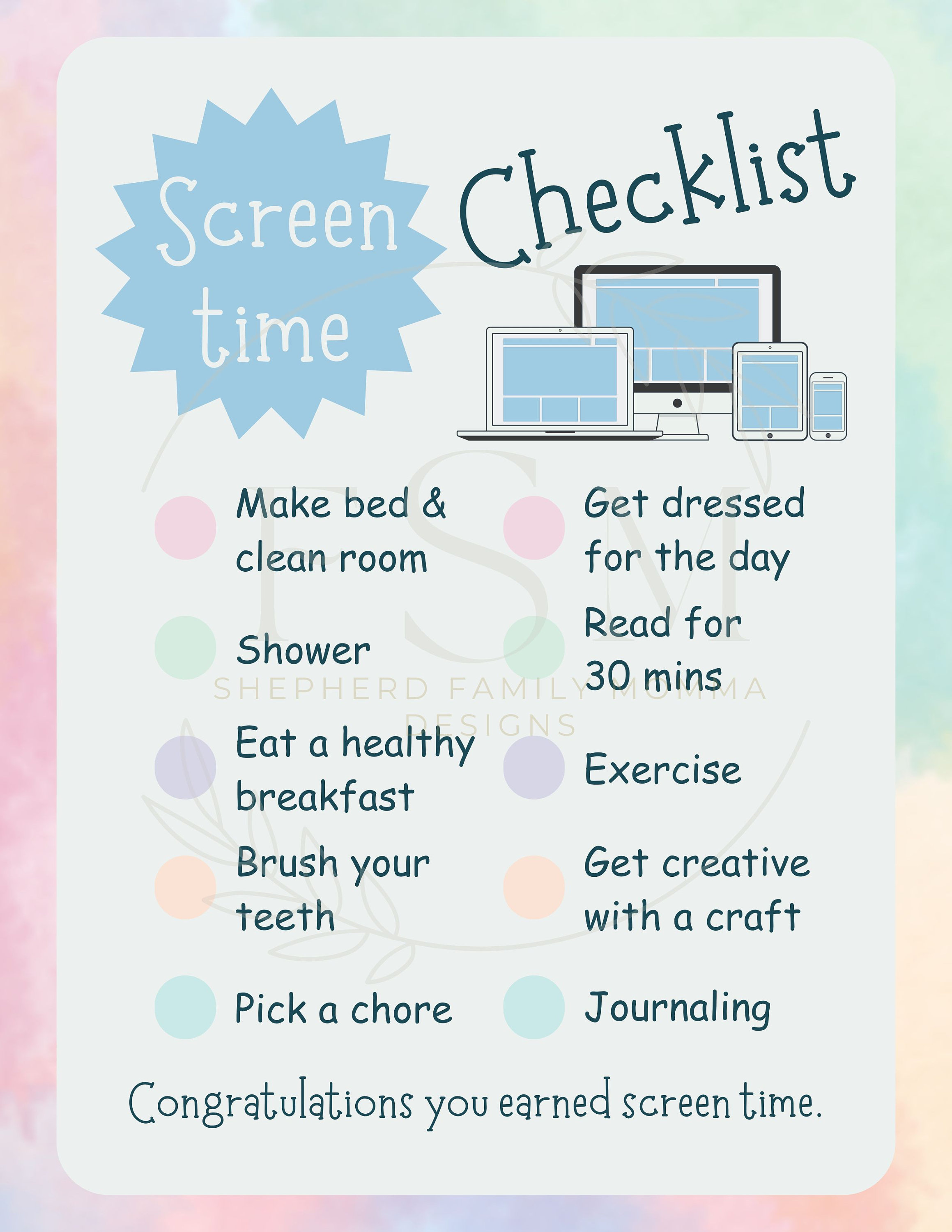
The “screen time checklist for toddlers” addresses the vital topic of managing screen time and promoting balanced digital engagement. This resource focuses on foundational concepts such as understanding appropriate durations for screen use, identifying engaging offline activities, and recognizing the importance of shared viewing experiences with a trusted adult. It covers simple rules like putting devices away during meals and before bedtime, alongside encouraging outdoor play and creative endeavors. The worksheet content directly connects to recognized early childhood digital citizenship and child safety education standards, emphasizing healthy routines and the development of self-regulation skills regarding digital devices. It frames digital interaction within a broader context of holistic child development, ensuring that screen time complements rather than dominates a child’s daily experiences.
Key Learning Outcomes
By engaging with the “screen time checklist for toddlers,” children develop several crucial skills and areas of knowledge. First, they begin to recognize appropriate screen time durations and understand simple time limits. Second, children learn to identify and choose from a variety of alternative offline activities, fostering creativity and physical play. Third, there is a reinforcement of shared viewing rules, emphasizing the importance of adult supervision during screen engagement. Fourth, the checklist supports the development of early self-regulation skills, guiding young children to manage their impulses regarding digital devices. Finally, it aids in the formation of a daily routine that effectively balances screen engagement with other essential developmental activities, promoting overall well-being. Browse more guides on Safe Wired Schools.
How to Use This Worksheet
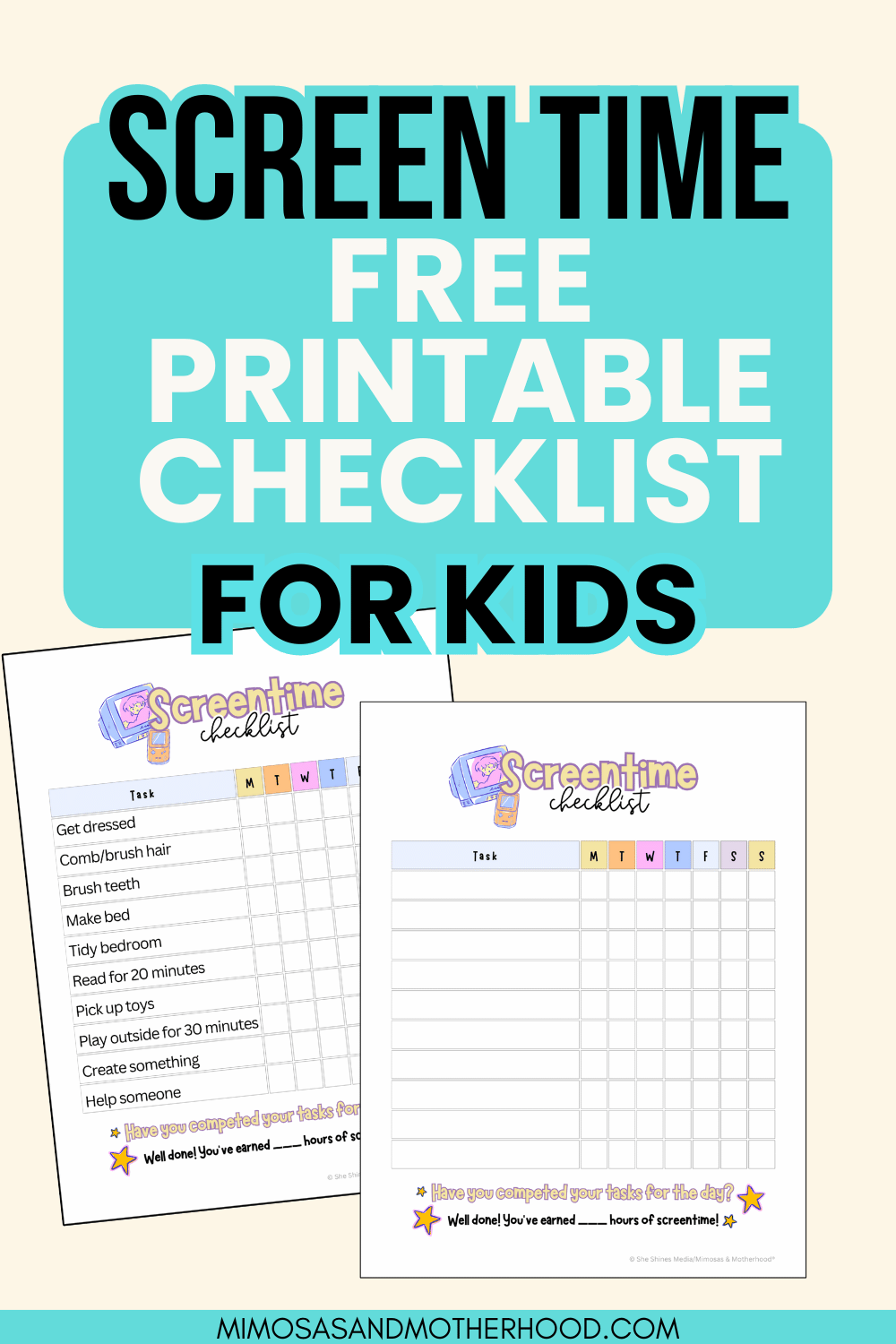
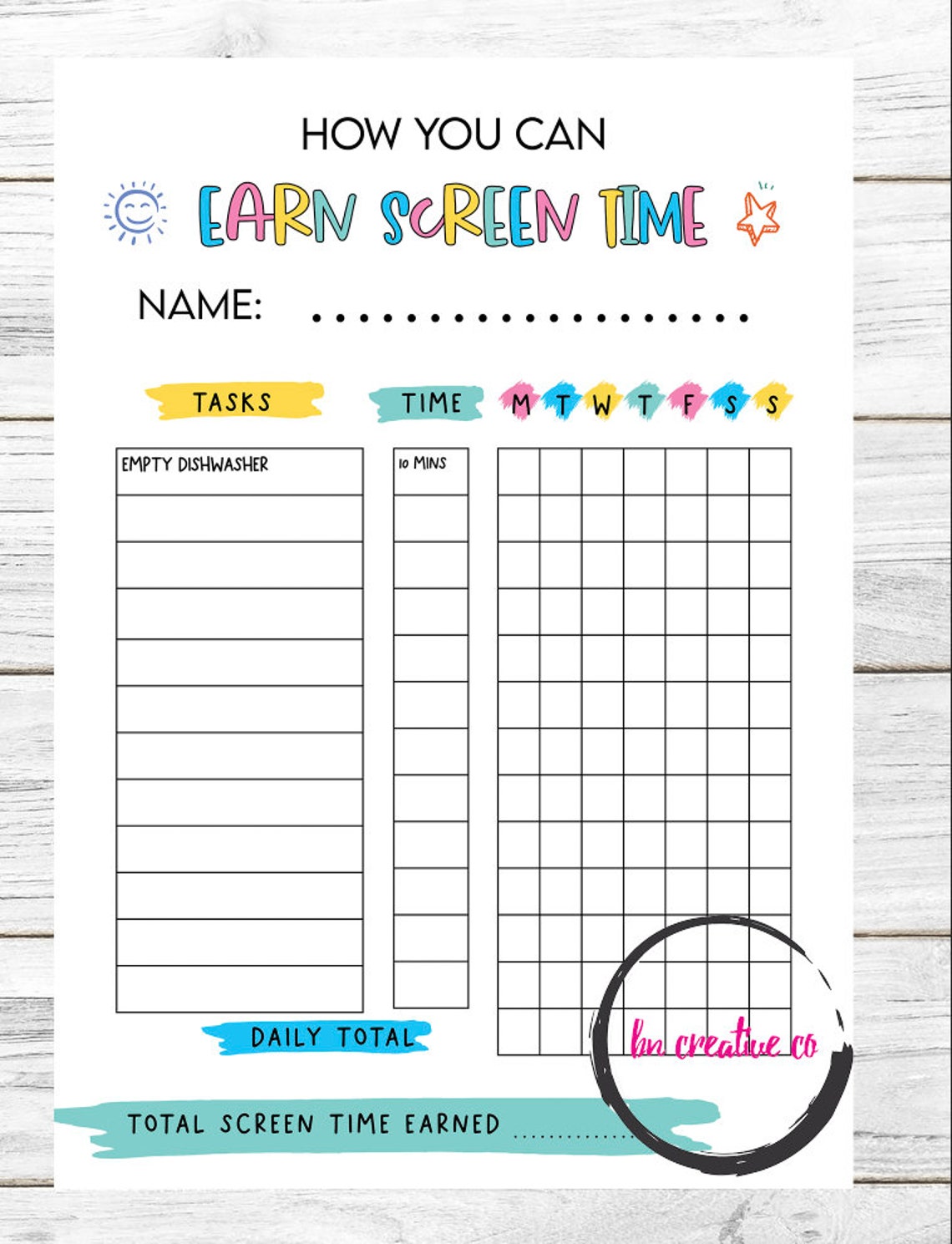
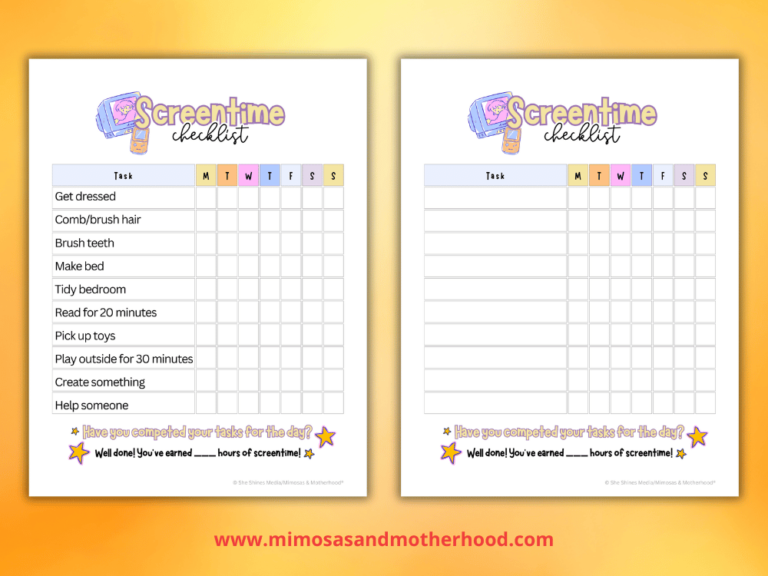
Educators and parents can effectively integrate the “screen time checklist for toddlers” into daily routines within the classroom or home environment. The worksheet features simple, visually driven activity types, such as circling appropriate images, drawing connections between screen time and offline activities, and responding to basic “yes/no” picture questions. Its difficulty level is tailored for very young children, focusing on visual recognition and concrete examples rather than complex text. Instructions are straightforward and designed to scaffold learning progressively, with adult guidance being a key component. This resource functions excellently as a standalone activity to initiate discussions about digital habits, as an integral part of a broader lesson plan on media literacy, or as a supportive visual aid for establishing consistent screen time rules within the home. Its print-and-use format ensures immediate applicability and ease of access for busy caregivers.
Practical Tips for Parents and Teachers
Maximizing the educational impact of the “screen time checklist for toddlers” involves thoughtful preparation and engagement. First, initiate a brief, age-appropriate discussion about screen time before beginning the activity, setting a positive and clear context. Second, actively engage alongside the child as they complete the checklist, providing gentle prompts and positive reinforcement for their responses. Third, consider using the completed checklist as a visual reminder by displaying it in a prominent location, such as on a refrigerator or classroom bulletin board. Fourth, connect the concepts from the checklist directly to daily routines, reinforcing the importance of balanced activities throughout the day. Fifth, celebrate the child’s understanding and efforts upon completion, using the opportunity to extend learning by exploring new offline activities together, thereby solidifying positive digital habits.
Age-Appropriate Recommendations
While the “screen time checklist for toddlers” is primarily designed for Preschool ages 35, its underlying principles can be adapted and discussed across various age bands to foster comprehensive digital literacy. For Ages 35, direct use is highly recommended, with a caregiver leading the activity. Focus on simple vocabulary, pointing to pictures, and engaging in short, clear discussions about each item. Activity pacing should be slow and child-led, ensuring full comprehension. For Ages 610 (Elementary grades 15), parents and teachers can utilize this resource to explain the foundational reasons behind healthy screen time habits. It serves as an excellent prompt to discuss how early habits contribute to overall well-being, or to encourage older children to help younger siblings understand their own screen time rules. This can also lead to discussions about creating personalized screen time checklists relevant to their age group. For Ages 1118 (Middle/High School grades 612), the checklist can be a springboard for deeper conversations about digital wellness, the psychology behind screen use, and the importance of self-regulation in an increasingly digital world. Educators can use it to illustrate how early learning shapes lifelong habits, encouraging students to reflect on their own media consumption and contribute to family media plans, demonstrating expert guidance from a seasoned educator.
Frequently Asked Questions
Q: What is the “screen time checklist for toddlers”? A: The “screen time checklist for toddlers” is a free, printable educational resource designed to help young children (ages 35) and their caregivers establish healthy and balanced screen time habits. It features visual prompts for appropriate digital use and offline activities. Q: How does this checklist help young children? A: This checklist aids young children by making abstract concepts of screen time limits and balanced activities concrete and visual. It encourages early self-regulation, promotes engagement in non-screen activities, and fosters positive digital citizenship from a foundational age. Q: Where can this free printable resource be found? A: This free printable resource, along with a wide array of other internet safety materials, is available for download directly from the SafeWiredSchools.org website. Navigate to the “Worksheets” section to access and print it instantly.
Explore More Free Printable Worksheets
A single worksheet works best as part of a broader collection of printable resources, providing a consistent and reinforcing learning experience. The “screen time checklist for toddlers” is just one example of the many valuable tools available to support digital safety education. Educators and parents are invited to explore a full collection of free printable internet safety worksheets, activity sheets, checklists, quizzes, and more at SafeWiredSchools.org Worksheets. These resources cover every essential internet safety topic and are thoughtfully designed for every grade level and learning environment, ensuring comprehensive and continuous digital literacy development for all ages.
Developmental Milestone & Activity Table
| Development Stage | Recommended Daily Duration | Primary Learning Objective |
|---|---|---|
| Preschool & Pre-K | 10 – 15 Minutes | Pencil grip development & basic pre-stroke lines |
| Kindergarten | 15 – 20 Minutes | Letter/number formation & spatial line awareness |
| Early Elementary (Grade 1–2) | 20 – 30 Minutes | Fluency, sentence construction & neatness |
Images References