Introduction
Establishing healthy digital habits represents a critical component of modern parenting and education. The “screen time before bed checklist for families” serves as a valuable, free printable resource specifically designed to support this endeavor. This practical tool targets an educational level encompassing Elementary grades (15) through Middle School grades (68), providing a structured approach to managing evening screen use. Printable worksheets like this checklist are trusted by educators and parents alike because they offer a tangible, hands-on method for reinforcing essential internet safety concepts. They transform abstract digital rules into concrete, actionable steps, making the learning process engaging and memorable for young learners. This checklist empowers families to build digital awareness and cultivate responsible online behavior within a supportive home environment, leveraging a familiar format that encourages consistent engagement.
💡 Educational Key Takeaways:
- Core Skill: Structured Screen Time Before Bed Checklist For Families focused on developing pencil grip, stroke control, and early literacy/math confidence.
- Target Scope: Suited for homeschoolers, preschool, kindergarten, and elementary learners.
- Best Recommendation: Practice 10–15 minutes daily with ergonomic writing tools to reinforce muscle memory without hand fatigue.
What This Worksheet Covers
The “screen time before bed checklist for families” directly addresses the critical internet safety topic of digital well-being, specifically focusing on the impact of screen use on sleep and evening routines. This resource guides families through the process of establishing clear boundaries and habits around screen usage in the hours leading up to bedtime. It covers concepts such as identifying appropriate screen-free activities, understanding the importance of winding down without digital stimulation, and fostering open communication about family technology rules. The checklist encourages reflection on current habits and prompts the creation of a personalized, actionable plan. Its content aligns directly with recognized digital citizenship and child safety education standards that emphasize responsible technology use, personal health, and the development of self-regulation skills in a digital world. Related guide: Online Safety And Netiquette Lesson Plan Grade 4.
Key Learning Outcomes
By engaging with the “screen time before bed checklist for families,” individuals and families will develop several crucial skills and areas of knowledge. Browse more guides on Safe Wired Schools.
- Understanding the direct impact of screen time on sleep quality and overall well-being.
- Developing and implementing a consistent, screen-free evening routine.
- Identifying and practicing healthy, non-digital alternatives for relaxation and entertainment before bed.
- Fostering improved communication within the family regarding digital boundaries and expectations.
- Cultivating self-regulation skills related to personal screen use and adherence to established rules.
How to Use This Worksheet
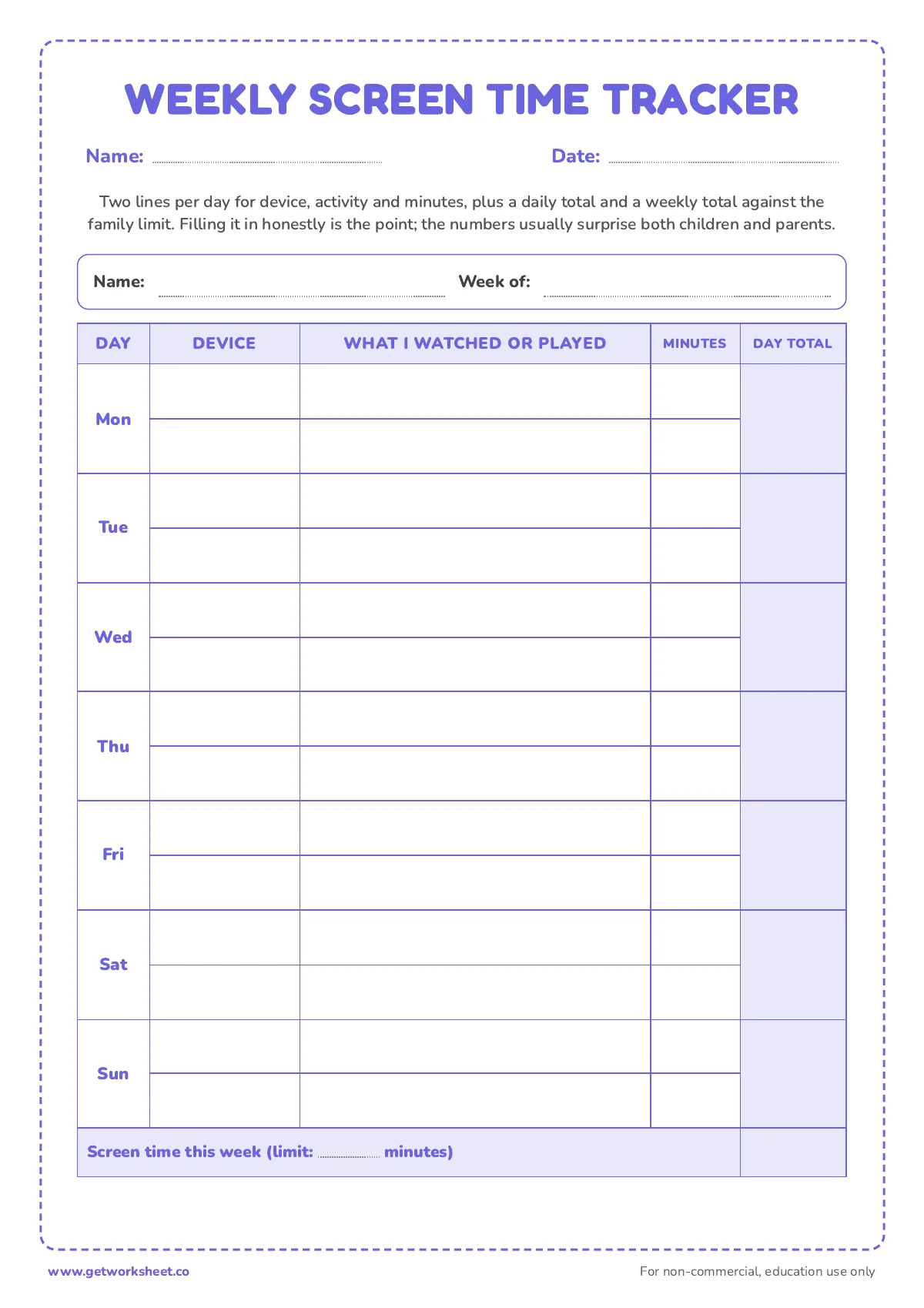
The “screen time before bed checklist for families” is designed for straightforward implementation in both educational and home settings. This worksheet typically features activity types such as simple check-boxes, fill-in-the-blank prompts, and reflective questions that encourage personalized responses. Its difficulty level is accessible, making it suitable for a broad age range with appropriate guidance. Instructions are clear and concise, scaffolding learning progressively by guiding users through the process of evaluating current habits, setting new goals, and committing to a routine. This resource functions effectively as a standalone activity to initiate discussions about digital well-being. It can also be integrated seamlessly into a broader digital citizenship lesson plan or assigned as a practical homework activity, providing families with a tangible tool for implementing learned concepts at home.
Practical Tips for Parents and Teachers
Maximizing the benefits of the “screen time before bed checklist for families” involves thoughtful preparation and ongoing engagement.
- Initiate a family discussion before introducing the checklist, explaining the importance of healthy screen habits for sleep and overall health.
- Collaboratively fill out the checklist, allowing children and teens to contribute to setting realistic expectations and choosing alternative activities.
- Display the completed checklist in a visible location, such as on the refrigerator or a bedroom door, to serve as a consistent visual reminder.
- Review the checklist regularly, perhaps weekly, to discuss successes, challenges, and any necessary adjustments to the routine.
- Model the desired behavior by adhering to screen-free zones and times, reinforcing the family’s commitment to digital well-being.
Age-Appropriate Recommendations
Adapting the “screen time before bed checklist for families” to different age groups ensures its maximum effectiveness and relevance.
Ages 58 (Early Elementary): For younger children, the checklist should be primarily parent-led. Focus on simple, concrete rules like “screens off at X time” and “read a book before bed.” Use visual cues and engage children in drawing their favorite screen-free activities. Keep discussions brief and positive, emphasizing the benefits of a good night’s sleep. Vocabulary support might involve explaining terms like “wind down” or “routine” in child-friendly language. The activity pacing should be quick, perhaps completing only a few items at a time.
Ages 912 (Upper Elementary/Early Middle School): Children in this age range can take a more active role in completing the checklist. Encourage them to articulate why screen limits are important for their bodies and minds. Facilitate discussions about different types of screens and their varying impacts. The checklist can prompt them to identify their own triggers for late-night screen use and brainstorm solutions. Parental involvement shifts to guidance and mentorship, allowing children to practice self-monitoring and problem-solving. This age group benefits from a more detailed exploration of alternatives and the creation of a personalized routine.
Ages 1318 (Middle/High School): While teens may seek more independence, the principles of a screen-free wind-down remain crucial for their well-being. The checklist for this age group serves as a tool for self-reflection and negotiation within family boundaries. Encourage teens to critically evaluate their own screen habits, understand the science behind blue light and sleep disruption, and propose their own solutions. The focus shifts from strict enforcement to fostering personal responsibility and digital self-management. Discussions can explore the pressures of social media at night and strategies for disconnecting, with the checklist acting as a commitment device for personal digital health goals. Parental involvement becomes a supportive, collaborative role, emphasizing trust and mutual respect for healthy habits.
Frequently Asked Questions
Q: What age range is this checklist most suitable for? A: The “screen time before bed checklist for families” is highly adaptable and beneficial for children from early elementary (age 5) through middle and high school (age 18), with varying levels of guidance. It helps establish healthy habits across different developmental stages. Q: Why is a screen time checklist specifically for before bed important? A: Limiting screen time before bed is crucial because the blue light emitted by devices can disrupt sleep patterns and negatively impact overall well-being. This checklist helps establish consistent routines that promote better sleep and healthier digital habits. Q: How can I access and print the “screen time before bed checklist for families”? A: The “screen time before bed checklist for families” is available as a free printable resource on the SafeWiredSchools.org website. Navigate to the “Worksheets” section, locate the resource, and click the download button for immediate access.
Explore More Free Printable Worksheets
Implementing effective digital safety practices involves a consistent, multi-faceted approach. While the “screen time before bed checklist for families” offers an excellent starting point for evening routines, its impact is amplified when integrated into a broader learning journey. A single worksheet works best as part of a comprehensive collection of printable resources that address various aspects of internet safety. Educators and parents are encouraged to explore a full collection of free printable internet safety worksheets, activity sheets, checklists, quizzes, and more at SafeWiredSchools.org Worksheets. These resources cover every internet safety topic, from cyberbullying prevention to privacy awareness, and are thoughtfully designed for every grade level and learning environment, supporting continuous digital citizenship education.
Developmental Milestone & Activity Table
| Development Stage | Recommended Daily Duration | Primary Learning Objective |
|---|---|---|
| Preschool & Pre-K | 10 – 15 Minutes | Pencil grip development & basic pre-stroke lines |
| Kindergarten | 15 – 20 Minutes | Letter/number formation & spatial line awareness |
| Early Elementary (Grade 1–2) | 20 – 30 Minutes | Fluency, sentence construction & neatness |