Introduction
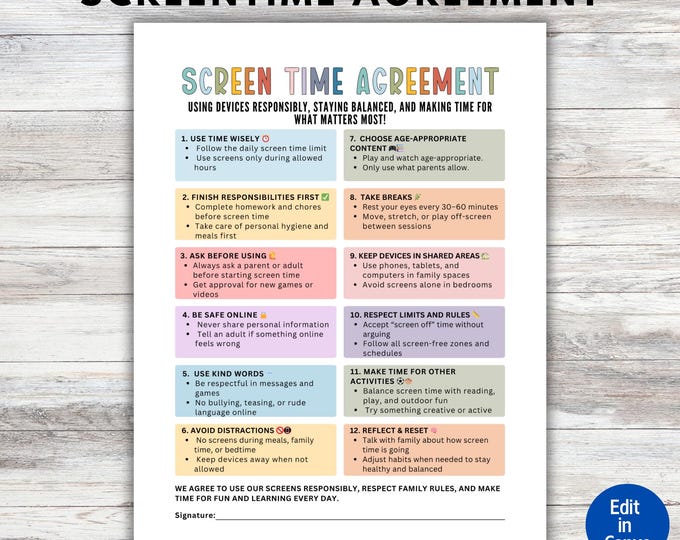
Fostering responsible digital habits represents a critical component of contemporary education. The “screen time agreement for parents” resource serves as an invaluable tool, primarily designed for Middle and High School learners (grades 6-12), while its foundational principles remain adaptable for younger students with appropriate guidance. This printable worksheet reinforces essential internet safety concepts through a structured, hands-on approach, empowering families to collaboratively establish healthy digital boundaries. Educators and parents consistently rely on printable worksheets as trusted instruments for cultivating digital awareness and promoting responsible online behavior. Such resources provide a tangible framework for discussing complex digital citizenship topics, transforming abstract concepts into actionable commitments. The act of physically engaging with an agreement, signing it, and placing it in a visible location significantly enhances its impact and adherence within the home and classroom environments. Its design reflects a deep understanding of developmental psychology and educational best practices, ensuring efficacy in building crucial digital literacy skills.
💡 Educational Key Takeaways:
- Core Skill: Structured Screen Time Agreement For Parents focused on developing pencil grip, stroke control, and early literacy/math confidence.
- Target Scope: Suited for homeschoolers, preschool, kindergarten, and elementary learners.
- Best Recommendation: Practice 10–15 minutes daily with ergonomic writing tools to reinforce muscle memory without hand fatigue.
What This Worksheet Covers
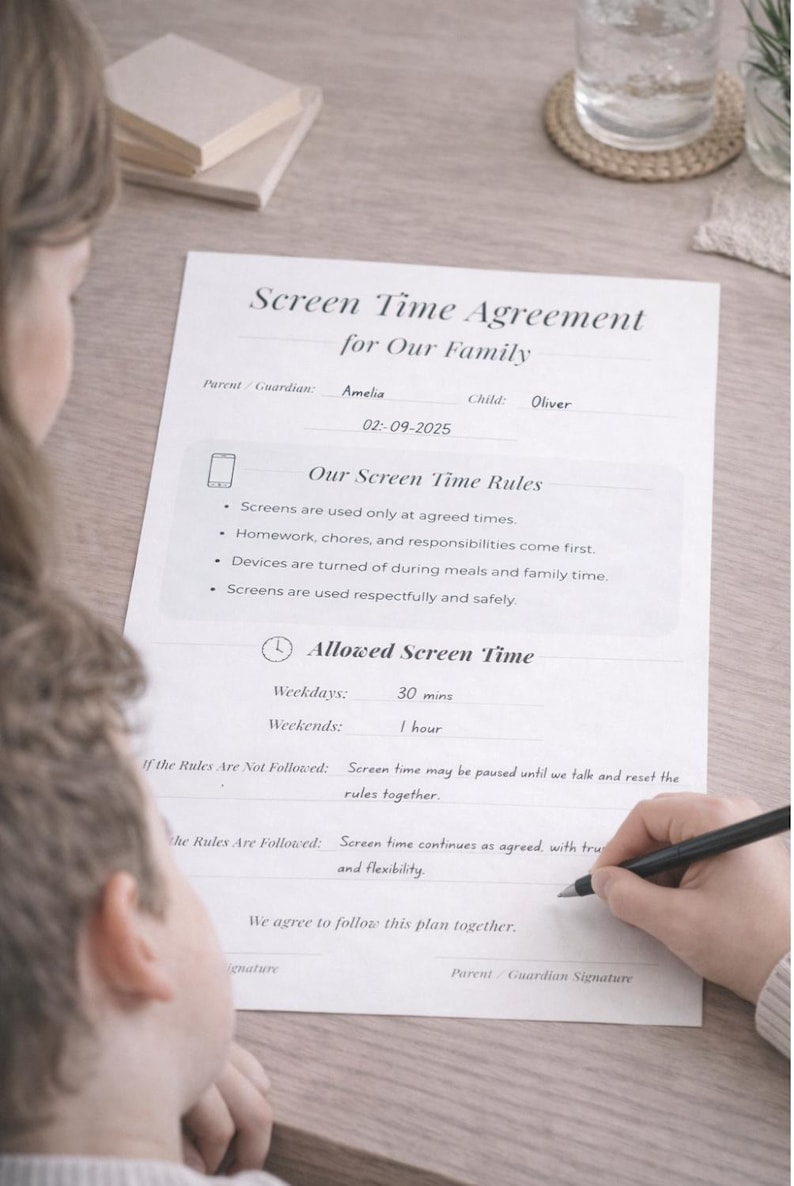
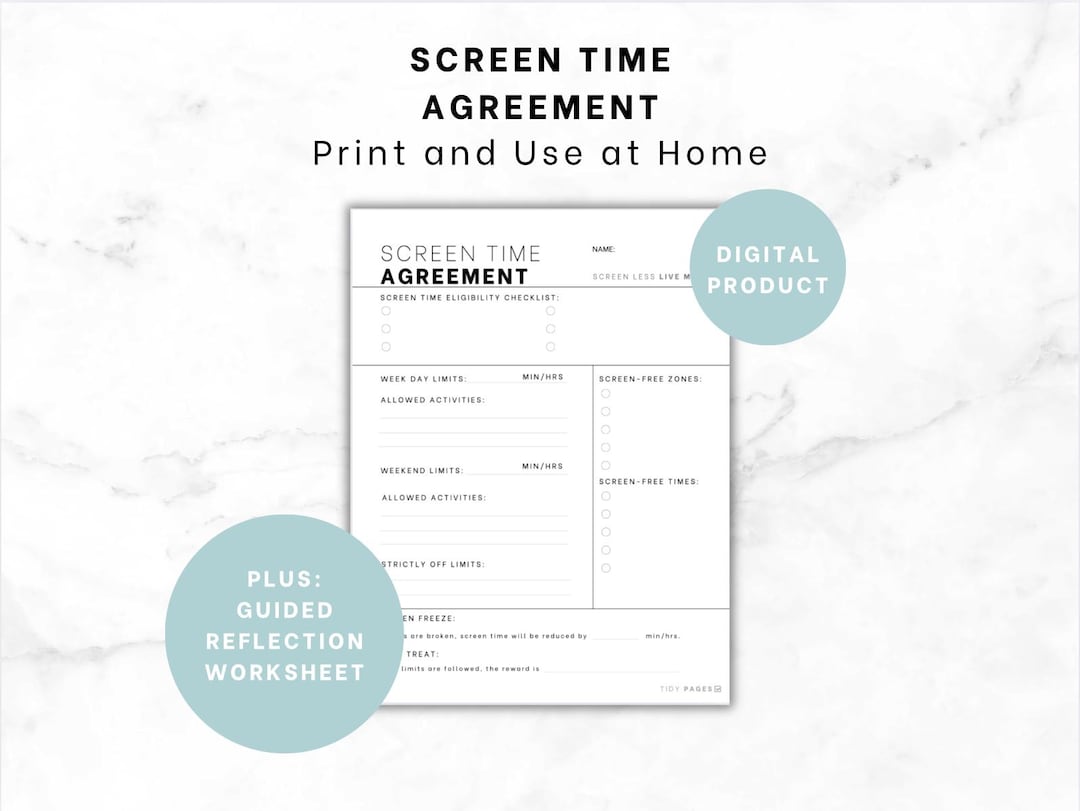
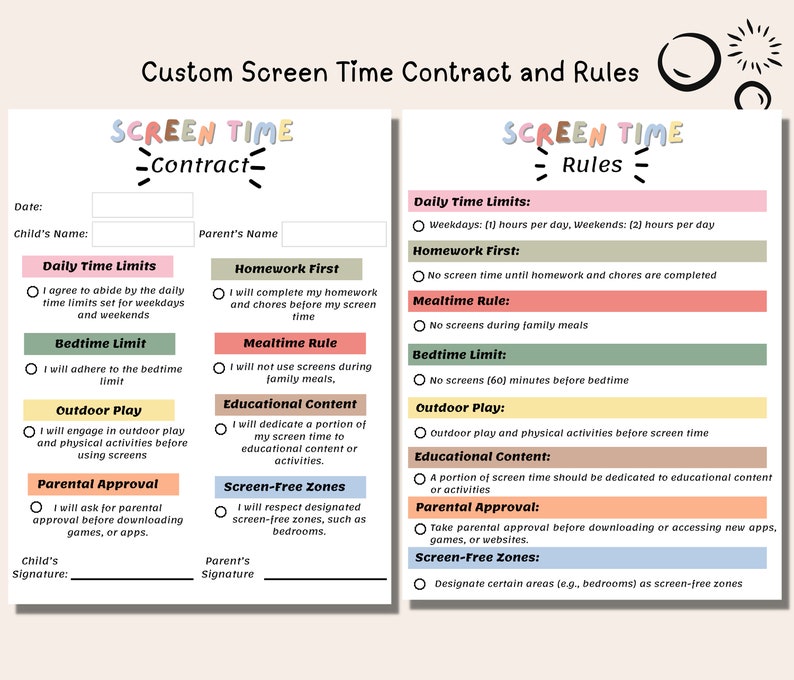
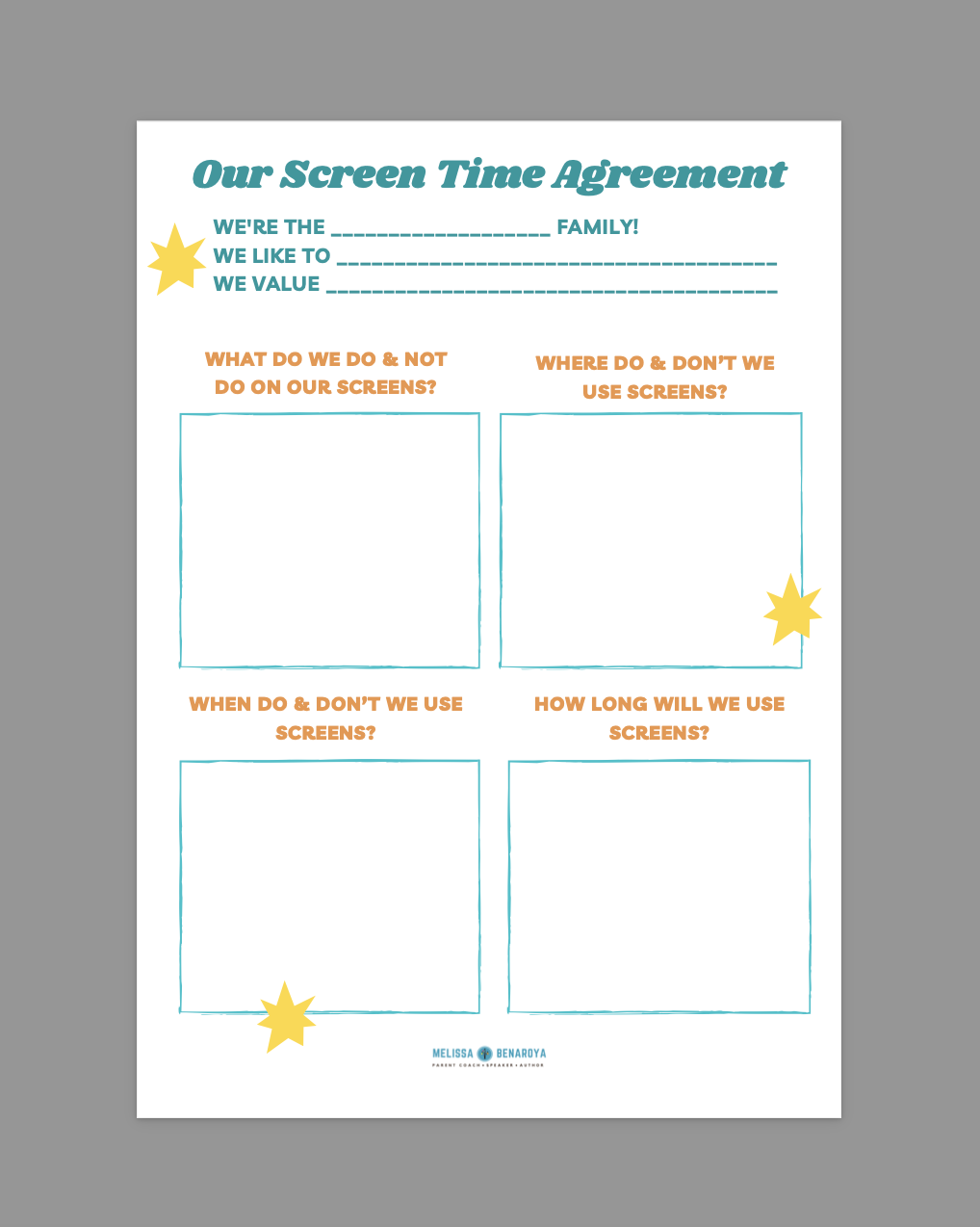
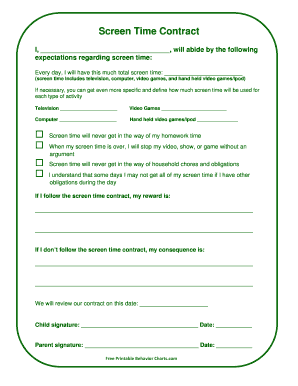
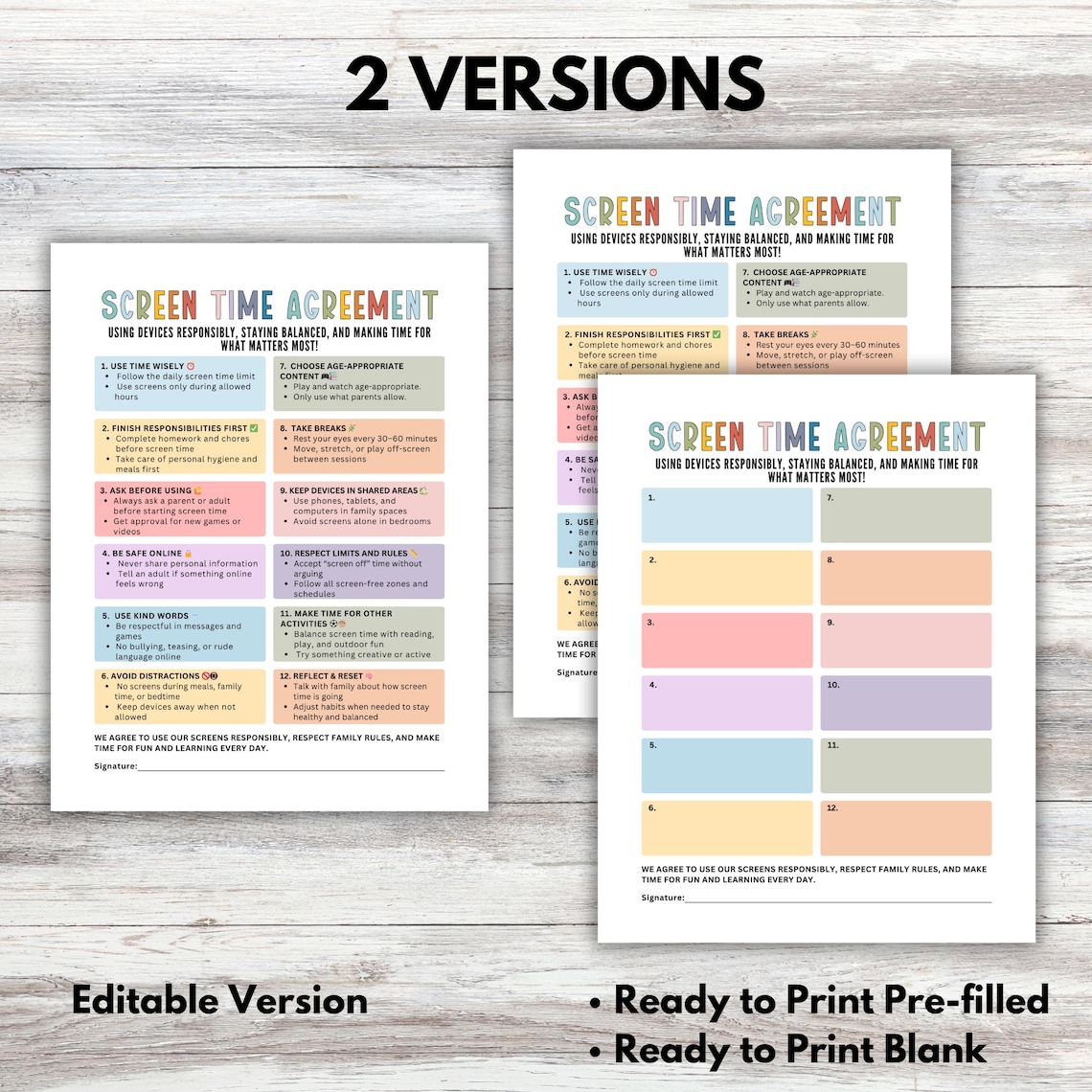
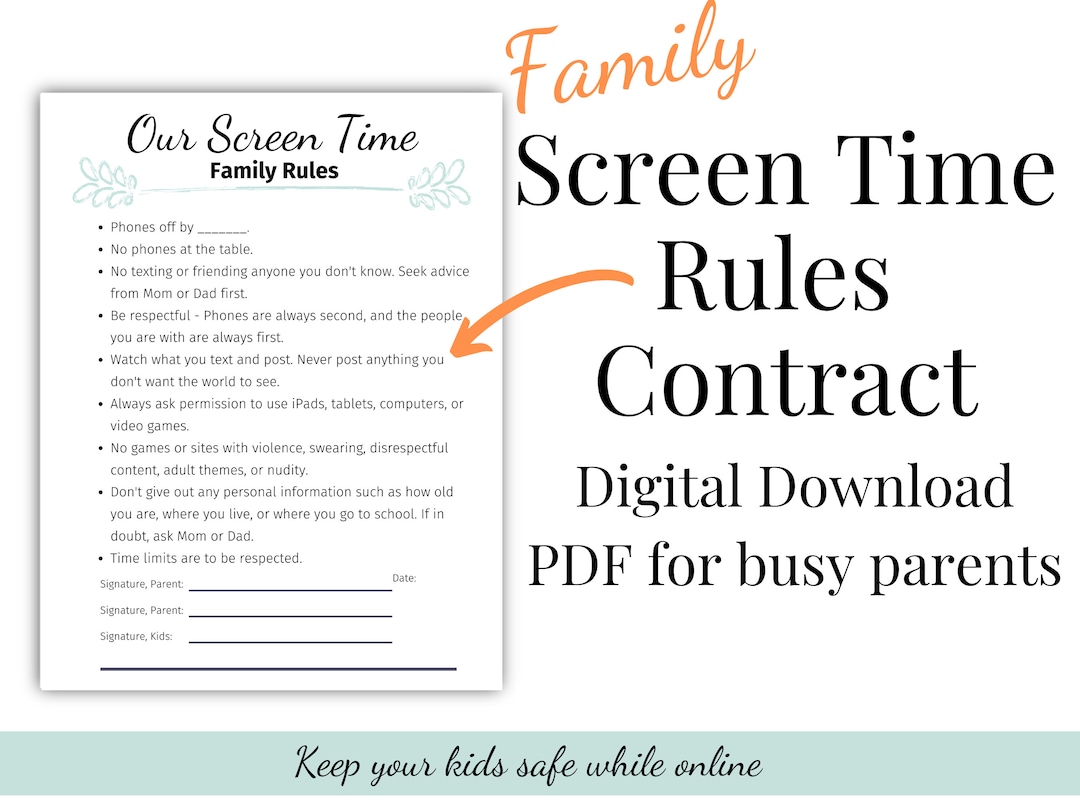
This worksheet addresses the vital internet safety topic of digital well-being through structured screen time management. It facilitates the creation of a personalized “screen time agreement for parents,” outlining clear expectations, rules, and consequences related to device usage. Concepts covered include defining appropriate screen time limits, identifying suitable online activities, establishing technology-free zones, and understanding the importance of balancing digital engagement with real-world interactions. The resource also delves into scenarios requiring self-regulation and critical thinking regarding online content and interactions. This worksheets content directly connects to recognized digital citizenship standards, emphasizing responsible use of technology, promoting healthy habits, and safeguarding personal well-being in the digital age. It encourages proactive communication within families regarding online conduct, fostering an environment of mutual respect and understanding surrounding digital device use.
Key Learning Outcomes
By completing the “screen time agreement for parents,” individuals will develop several critical skills and knowledge areas:
- Learners will articulate personal and family-wide healthy screen time habits.
- Students will collaboratively establish clear, enforceable digital device rules and expectations.
- Participants will practice self-reflection regarding their current screen use patterns and identify areas for improvement.
- Children will understand the importance of balancing online activities with offline responsibilities and pursuits.
- Families will create a tangible, personalized commitment to responsible digital citizenship within the home.
How to Use This Worksheet
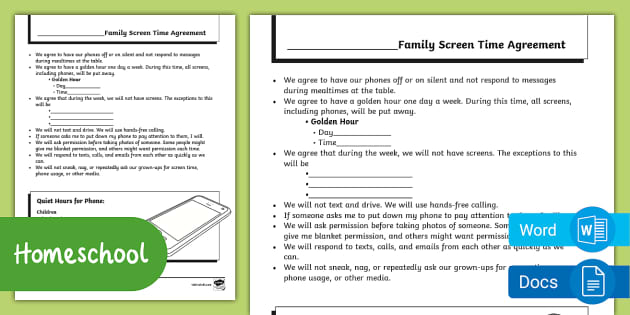
The “screen time agreement for parents” offers versatile application for both educational settings and home environments. Its format typically includes sections for defining daily screen time limits, listing approved applications or websites, specifying technology-free times or zones, and outlining consequences for non-adherence. The worksheet encourages reflection, discussion, and collaborative decision-making, moving beyond simple fill-in-the-blank exercises. Instructions are designed to scaffold learning progressively, beginning with awareness and culminating in a signed agreement. Educators can integrate this worksheet as a foundational component of a digital citizenship unit, using it as a discussion starter or a culminating project. At home, it functions as a practical framework for family meetings, guiding conversations about digital boundaries and promoting shared responsibility. The resource can be utilized as a standalone activity, incorporated into a broader lesson plan on digital well-being, or assigned as homework to foster family engagement in internet safety discussions. Browse more guides on Safe Wired Schools.
Practical Tips for Parents and Teachers
- Preparation for Discussion: Before introducing the worksheet, consider pre-reading it and anticipating potential discussion points or areas of disagreement. Prepare to facilitate open, non-judgmental dialogue.
- Collaborative Completion: Encourage all family members or students to contribute ideas actively. Emphasize that the agreement represents a shared commitment, not a set of rules imposed by one party.
- Post-Completion Reflection: After the agreement is signed, initiate a follow-up discussion. Ask about feelings regarding the new rules, identify any unexpected challenges, and celebrate successes in adhering to the agreement.
- Visible Placement and Review: Print the completed agreement and display it prominently in a common area. Schedule regular review sessions (e.g., monthly) to assess its effectiveness and make necessary adjustments as needs or circumstances evolve.
- Extend the Learning: Connect the agreement to broader digital citizenship topics such as cyberbullying prevention, privacy settings, and critical evaluation of online content, illustrating how responsible screen time contributes to overall online safety.
Age-Appropriate Recommendations
Utilizing the “screen time agreement for parents” effectively requires tailoring the approach to the learners’ developmental stage. For Elementary Grades (ages 6-10), the focus should remain on foundational concepts. Vocabulary support is crucial; simplify terms and use relatable examples. Activities should be paced to maintain engagement, perhaps completing sections over several days. Parental or teacher involvement will be high, guiding discussions, transcribing ideas, and helping children understand the ‘why’ behind each rule. Emphasize the benefits of balanced play and learning, both online and offline. For Middle School Grades (ages 11-14), students can take a more active role in drafting the agreement. Encourage independent thought and negotiation, with adult guidance ensuring fairness and safety. Discussions can delve deeper into the impact of screen time on sleep, academics, and social interactions. Vocabulary should be age-appropriate, fostering critical thinking about digital choices. Finally, for High School Grades (ages 15-18), the agreement becomes a more sophisticated contract reflecting increasing autonomy. The focus shifts to self-management, digital reputation, and preparing for independent living in a digitally saturated world. The agreement can include personal goals for digital detox or specific learning objectives related to online resources. Adult involvement transitions to a mentorship role, offering support and resources rather than direct supervision, empowering students to take full ownership of their digital well-being.
Frequently Asked Questions
Q: What specific topics are covered in the “screen time agreement for parents” worksheet? A: The worksheet covers defining daily screen time limits, identifying appropriate online activities, establishing technology-free zones, and outlining consequences for non-adherence, promoting balanced digital use. It encourages collaborative family discussions to create personalized rules for digital devices.
Q: How can families access this free printable internet safety resource? A: This valuable resource is available for free download directly from the SafeWiredSchools.org website. Simply navigate to the ‘Worksheets’ section and locate the “screen time agreement for parents” to print instantly for home or classroom use.
Q: Is this worksheet suitable for all age groups? A: While primarily designed for Middle and High School students, the principles of the “screen time agreement for parents” can be adapted for younger elementary learners with significant adult guidance. Age-appropriate language and increased facilitation are recommended for younger children.
Explore More Free Printable Worksheets
Effective digital safety education requires a consistent, multi-faceted approach. While the “screen time agreement for parents” provides an excellent foundation, a single worksheet works best as part of a broader collection of printable resources. Educators and parents are invited to explore a full collection of free printable internet safety worksheets, activity sheets, checklists, quizzes, and more at SafeWiredSchools.org Worksheets. This comprehensive library covers every internet safety topic, including cyberbullying, privacy, digital footprints, and critical content evaluation, all designed for every grade level and learning environment. Building a robust understanding of online safety is an ongoing process, and these resources support continuous learning and adaptation to the evolving digital landscape.
Developmental Milestone & Activity Table
| Development Stage | Recommended Daily Duration | Primary Learning Objective |
|---|---|---|
| Preschool & Pre-K | 10 – 15 Minutes | Pencil grip development & basic pre-stroke lines |
| Kindergarten | 15 – 20 Minutes | Letter/number formation & spatial line awareness |
| Early Elementary (Grade 1–2) | 20 – 30 Minutes | Fluency, sentence construction & neatness |
Images References