Introduction
Young children interact with screens long before they learn to type full sentences. Most encounters happen organically on shared household tablets, through uncurated video auto-play loops, or inside colorful gaming applications where chat features remain enabled by default. Early exposure to digital spaces requires proactive guidance rather than restrictive avoidance. Introducing foundational concepts through artistic expression transforms abstract digital rules into tangible, memorable ideas for young learners. Free printable coloring materials offer an approachable entry point for adults seeking to initiate gentle safety dialogues without causing anxiety. Related guide: Safe Websites Meaning For Kids.
💡 Activity Key Takeaways:
- Core Focus: Printable Safe Coloring For Toddlers designed for creative expression and fine-motor coordination.
- Target Scope: Ideal for toddlers, preschool, kindergarten, and classroom art activities.
- Best Recommendation: Use standard heavy printer paper (24–28 lb) or cardstock for vibrant results with crayons, colored pencils, or washable markers.
What This Printable Covers
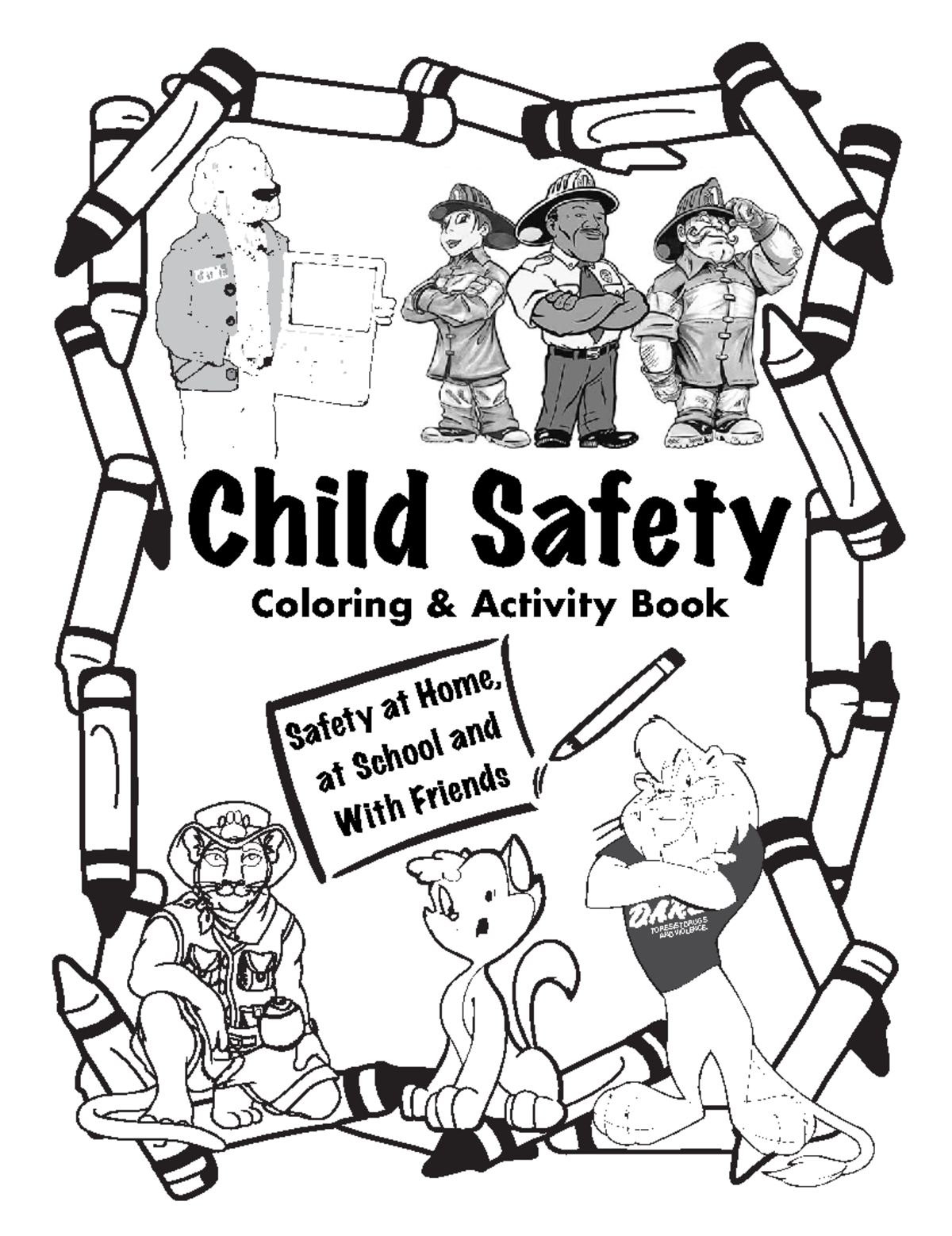
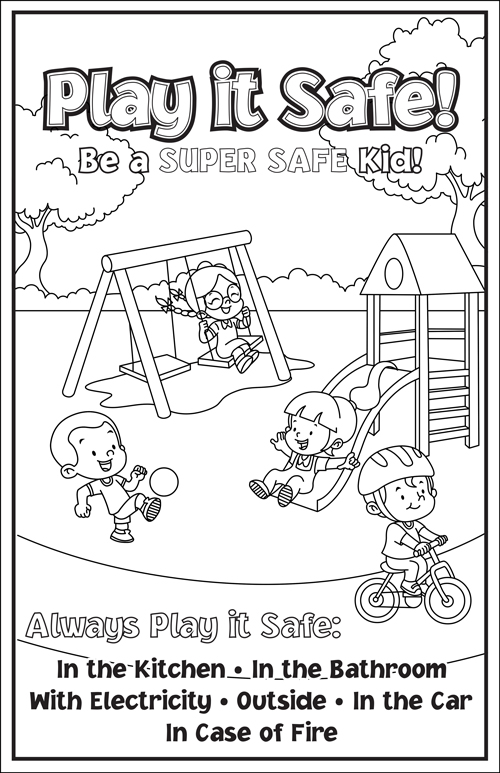
The free printable safe coloring for toddlers resource addresses core digital citizenship habits through illustrated scenarios designed for young minds. Instead of focusing on scary warnings, the artwork highlights positive behaviors like sharing devices politely, asking an adult before downloading new applications, and keeping personal details private. Children naturally relate to characters navigating everyday technology choices, making the underlying lessons easy to internalize. Coloring reinforces safety messages because the tactile act of filling in lines anchors abstract concepts into concrete memory. It sounds simple, and that is the point. When crayons meet paper, difficult topics soften into approachable storytelling moments that spark organic conversation between adults and children.
Key Learning Outcomes
Working through these creative sheets helps children identify trusted adults to approach when something unexpected appears on a screen. According to the Federal Trade Commission, children frequently encounter confusing online pop-ups or unfamiliar requests that require immediate adult intervention. Participants practice the vital understanding that reporting uncomfortable digital moments never leads to trouble. Additional learning outcomes include recognizing private personal information, such as home addresses and full names, and understanding the physical boundaries of device time. Building these protective habits early creates a strong foundation for future digital interactions in classrooms and homes alike.
How to Use This Printable
Educators and caregivers can integrate these pages into morning tubs, quiet reading corners, or family screen-free time. Here’s what makes this resource different: it relies on guided inquiry rather than rote memorization. Adults sit beside the child while crayons move across the page, asking open-ended questions like what the character should do next or who they can talk to if a screen acts strangely. This collaborative coloring session opens a relaxed dialogue about internet and digital safety without lecturing. The goal remains skill-building and trust development rather than compliance through fear.
Practical Tips for Parents and Teachers
Maximizing the educational value of any creative activity requires intention and patience. Keep conversations positive, framing safety rules as helpful tools rather than strict punishments. Displaying completed artwork on the refrigerator or a classroom bulletin board serves as a visual reminder of the digital citizenship lessons discussed. Adults should consistently validate children when they share online concerns, reinforcing the message that honesty always brings support. Exploring additional Coloring Pages can further expand these themes across multiple subject areas and developmental milestones.
Age-Appropriate Recommendations
Toddlers and early elementary students process information through sensory experiences and narrative play. Aligning digital citizenship lessons with the Common Sense Education Digital Citizenship Curriculum ensures that activities match cognitive readiness levels for ages five through twelve. Younger children benefit most from focusing on physical boundaries, device sharing, and identifying trusted grown-ups. As children mature, these artistic foundations translate smoothly into discussions about strong passwords and kind communication in virtual spaces. Printables simply act as a bridge, supporting caregivers as they guide youth through increasingly complex digital environments step by step.
Young children encounter digital media primarily on shared family devices and interactive video platforms, making early habit-building essential for safe navigation. — Common Sense Media
Frequently Asked Questions
How do caregivers download and print these coloring resources?
Caregivers can easily download the PDF files directly from the resource page and print them using any standard household or school printer on regular paper.
How does this printable support early online safety learning?
The pages use approachable illustrations to spark gentle, pressure-free conversations about trusted adults, device boundaries, and digital privacy.
What do organizations like the National Center for Missing & Exploited Children recommend for early tech habits?
The National Center for Missing & Exploited Children emphasizes open communication, ensuring children know they can always talk to a trusted adult about uncomfortable online moments without getting into trouble.
Explore More Free Kids Online Safety Printables
Expanding a digital citizenship toolkit requires a variety of engaging formats for different learning styles and age groups. Educators and families looking for structured exercises can discover complementary Worksheets designed to reinforce responsible technology use. Continuing this educational journey ensures that children grow into confident, mindful participants in an increasingly connected world.
Key Specifications & Age-Group Overview
| Age / Grade Group | Target Skill Focus | Recommended Medium |
|---|---|---|
| Toddlers (Ages 2–4) | Hand-eye coordination & broad motor grasp | Jumbo crayons & washable finger paints |
| Early Elementary (Ages 5–7) | Line boundaries & fine pencil control | Standard colored pencils & fine-tip markers |
| Intermediate (Ages 8+) | Color blending, shading & artistic patience | Watercolor pencils, gel pens & dual-brush markers |
Images References