Why Blending Physical Awareness with Digital Mindfulness Matters Today
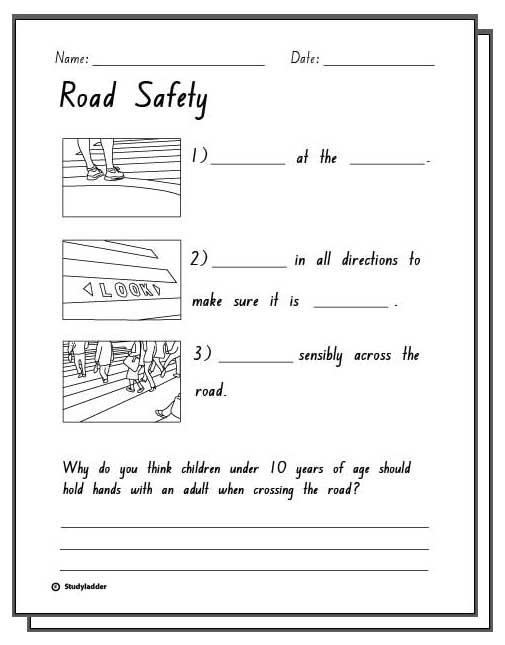
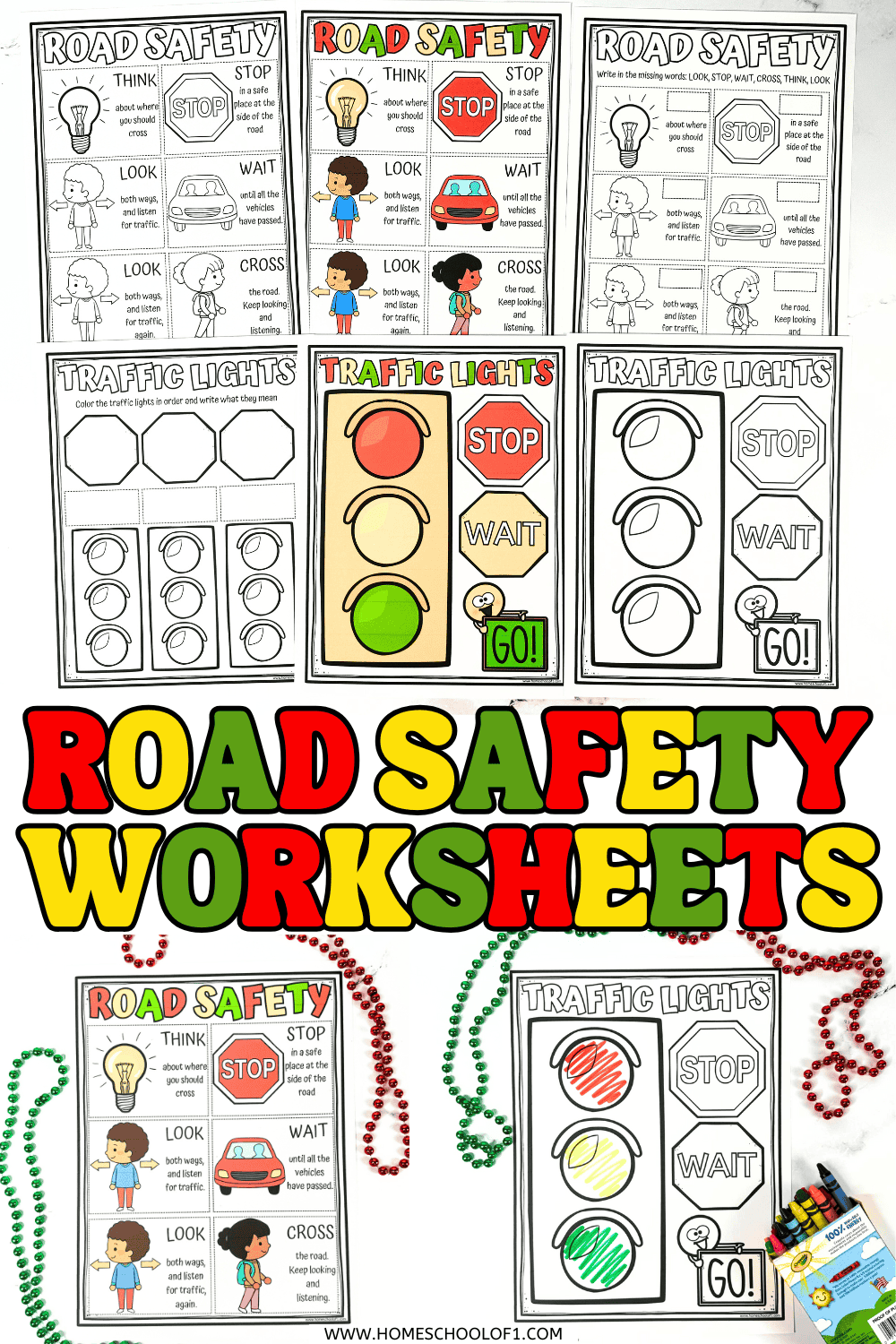
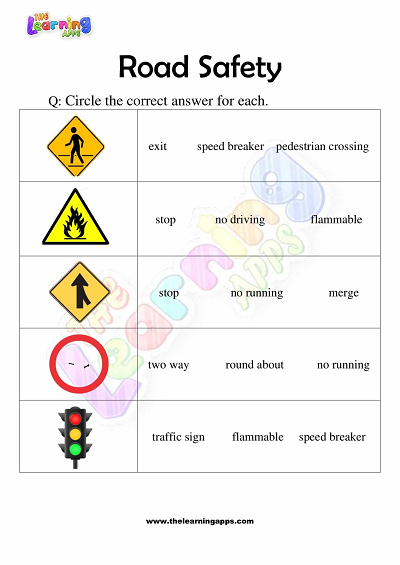
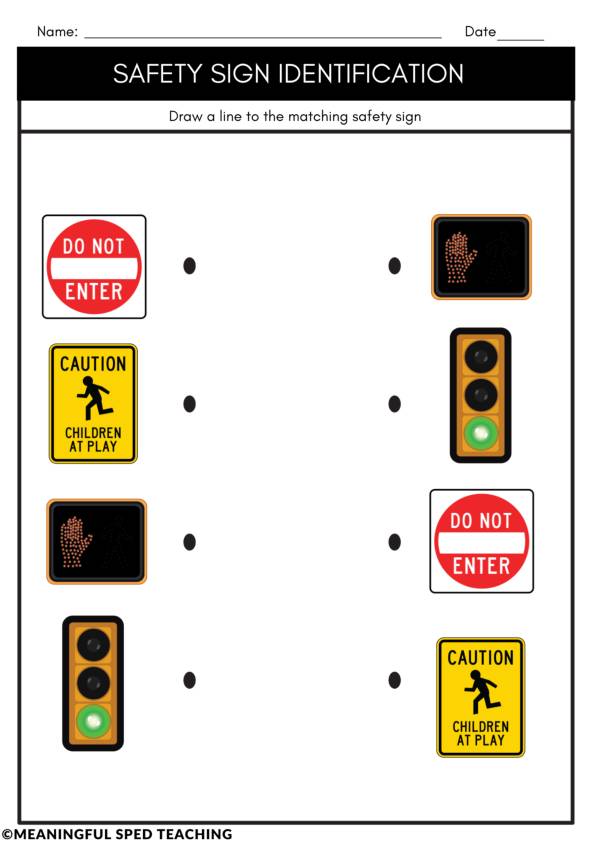
As students navigate modern school environments filled with personal tablets, smartphones, and campus Wi-Fi, safety education has expanded beyond traditional boundaries. Teaching children how to stay safe no longer stops at the edge of the playground; it extends directly into how they interact with technology and transit. Integrating a comprehensive road safety rules worksheet into daily lesson plans helps bridge the gap between physical street smarts and digital attentiveness. According to youth safety insights from organizations like ConnectSafely, children who are distracted by mobile screens while walking face significantly higher physical hazards. By reinforcing focused transit habits alongside lessons found in standard worksheets, educators and parents can cultivate holistic awareness that keeps students secure both online and offline.
💡 Educational Key Takeaways:
- Core Skill: Structured Road Safety Rules Worksheet focused on developing pencil grip, stroke control, and early literacy/math confidence.
- Target Scope: Suited for homeschoolers, preschool, kindergarten, and elementary learners.
- Best Recommendation: Practice 10–15 minutes daily with ergonomic writing tools to reinforce muscle memory without hand fatigue.
Risk Signals and Preventive Guardrails for Student Transit and Tech Use
Adults often focus entirely on online predators or screen time limits, occasionally overlooking how digital distractions intersect with physical dangers. When students walk home from school while glued to messaging apps or streaming video, their situational awareness drops dramatically. The breakdown table below highlights key risk areas across home devices, school-issued Chromebooks, and transit habits, pairing each vulnerability with a practical safeguard. Related guide: Online Safety Checklist For Kids.
| Setting / Context | Common Vulnerability | Practical Safeguard |
|---|---|---|
| Home Devices & Smartphones | Texting or gaming while walking near active roadways or school zones. | Enforce a strict pocket-only policy for mobile phones during active transit times. |
| School Chromebooks & Tablets | Carrying open, powered-on laptops in transit bags that increase distraction risk. | Require devices to be fully powered down and zipped inside backpacks before leaving campus. |
| Social Media & Chat Apps | Sharing real-time location data or walking routes on public mapping features. | Review location-sharing permissions and disable live tracking features on student accounts. |
Actionable Steps to Establish Solid Habits at Home and in the Classroom
Building lifelong safety habits requires consistency across both home and school environments. Educators can easily incorporate a road safety rules worksheet into morning advisory periods or health classes to prompt student discussion. To reinforce these concepts at home, parents should establish clear device-free transit boundaries. Set up a charging station near the front door where smartphones and handheld tablets rest until arrival at school or home. Furthermore, organizations such as the Family Online Safety Institute (FOSI) advocate for collaborative family tech agreements that encourage open dialogue rather than secretive device use. When children understand the reasoning behind these boundaries, they are far more likely to comply willingly.
Overcoming Student Resistance and Managing Digital Workarounds
When adults implement strict new rules regarding device usage during transit, children frequently push back or attempt clever workarounds, such as sneaking earbuds underneath hoods or checking notifications at crosswalks. Overly restrictive bans often backfire by driving unsafe behaviors underground where adults cannot monitor them. Instead of relying solely on punitive measures, pair technical filters with transparent conversations about attention and brain capacity. Explain to students that multitasking while crossing a street divides their cognitive focus, making it impossible to notice turning vehicles or emergency signals. For further foundational lessons on digital boundaries, explore resources within Internet and Digital Safety to reinforce smart decision-making.
Frequently Asked Questions About Integrating Safety Rules
At what age should children begin learning about transit safety alongside digital awareness?
Children can grasp basic traffic concepts in early elementary school, but the integration of digital distractions should begin around fourth or fifth grade as independent commuting and smartphone ownership increase. Interactive exercises and creative prompts found in Coloring Pages can also help younger learners visualize these important concepts.
How can teachers effectively use safety worksheets without boring students?
Teachers can make safety lessons engaging by turning worksheets into collaborative group challenges, role-playing scenarios, or interactive digital quizzes rather than silent, individual seatwork.
What should parents do if they catch their child texting while walking near traffic?
Avoid an immediate angry reaction; instead, pause safely, calm down, and have a brief, supportive conversation about why situational awareness is critical for physical survival.
Explore More Digital Citizenship Resources
Keeping children safe in a hyper-connected world requires continuous education, collaborative community policies, and practical tools that bridge physical and digital safety. We invite you to explore additional guides, printable activities, and expert advice by visiting SafeWiredSchools.org to support your students every step of the way.
Worksheet Previews & Reference Materials