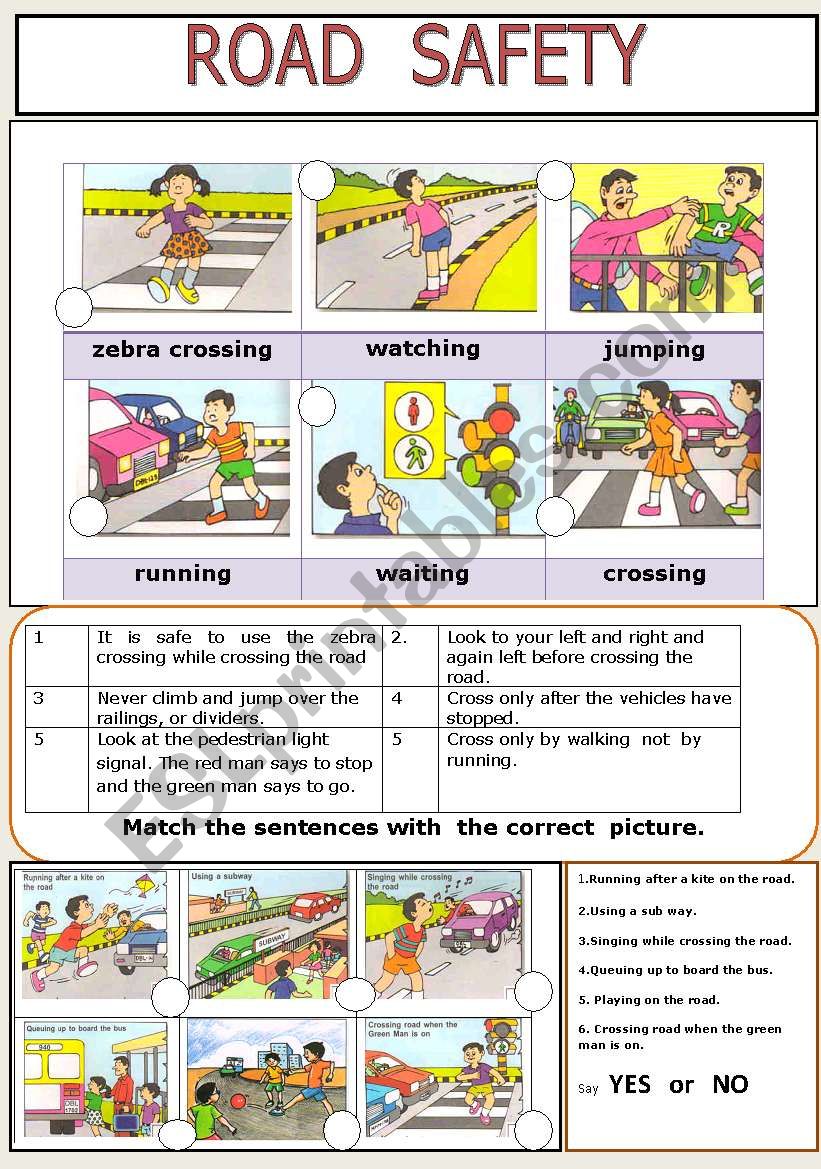
Merging Offline Pedestrian Awareness with Digital Focus: Why Crossing The Street Safety Worksheets Matter
In our hyper-connected classrooms and homes, student attention is constantly split between physical environments and glowing screens. While pedestrian habits like looking both ways remain timeless, modern distractions—such as glued-to-the-screen walking and distracted texting—introduce brand-new perils for children on their daily commute. As a digital citizenship coordinator, I often see how digital habits bleed into physical reality. Organizations like ConnectSafely and the Cybersecurity and Infrastructure Security Agency emphasize that holistic youth safety must encompass physical situational awareness alongside cybersecurity. By utilizing structured crossing the street safety worksheets, educators and parents can blend fundamental pedestrian lessons with essential conversations about tech-free zones and mindful device usage during transit.
💡 Educational Key Takeaways:
- Core Skill: Structured Crossing The Street Safety Worksheets focused on developing pencil grip, stroke control, and early literacy/math confidence.
- Target Scope: Suited for homeschoolers, preschool, kindergarten, and elementary learners.
- Best Recommendation: Practice 10–15 minutes daily with ergonomic writing tools to reinforce muscle memory without hand fatigue.
Spotting Distracted Commute Risks: Environmental Signals and Device Vulnerabilities
Children and teens frequently underestimate the cognitive load of checking notifications while navigating busy intersections. Adults must watch for specific behavioral red flags and implement age-appropriate device guardrails to ensure students remain physically protected while carrying smartphones, smartwatches, or school-issued tablets.
| Setting / Context | Common Vulnerability | Practical Safeguard |
|---|---|---|
| Home Devices & Smartphones | Checking social media or chat notifications while actively walking near neighborhood traffic. | Establish strict no-phone-in-hand transit rules; store devices securely inside backpacks before stepping outdoors. |
| School Chromebooks & Tablets | Leaving devices powered on or unzipped in side pockets, causing distractions or accidental drops near curbs. | Require all portable electronics to be fully powered down and stowed in protective sleeves before leaving school grounds. |
| Social & Chat Habits | Engaging in high-urgency group chat arguments right before crossing dangerous streets. | Teach youth to pause digital conversations entirely when movement requires multi-sensory attention. |
Actionable Guardrails: Practical Routines for Families and Schools
Bridging the gap between digital literacy and physical safety requires clear, consistent boundaries that both educators and parents reinforce daily. Start by integrating interactive crossing the street safety worksheets into morning advisory periods or home review sessions, turning pedestrian safety into an engaging discussion rather than a lecture. Establish shared charging zones at home so devices stay docked overnight, eliminating the temptation to check alerts during early morning walks to the bus stop. Furthermore, use FOSI-inspired family tech agreements that explicitly designate the walk to and from school as an unplugged sanctuary. When schools and parents align their expectations, children learn to view offline safety and Online and Digital Safety as two sides of the same coin.
Adolescents often push back against restrictions on device use during commutes, arguing that they need their phones for safety or social connection. Overly draconian bans often backfire, driving students to covertly use devices beneath coat hoods or inside backpacks where they are even less aware of traffic. Instead of relying purely on strict confiscation, pair technical controls—such as scheduled downtime features on mobile operating systems—with transparent, calm conversations. Explain the neurological reality of cognitive distraction: looking at a screen while crossing a street impairs peripheral vision and reaction times just as drastically as other impairments. When students understand the actual science behind why distraction is hazardous, they are far more likely to embrace self-regulation.
Frequently Asked Questions About Pedestrian Safety and Digital Habits
At what age should children practice multi-tasking rules near traffic?
Children begin developing complex situational awareness around age ten, but digital distractions can overwhelm this cognitive development much earlier. It is best to enforce absolute screen-free transit habits from kindergarten onward to build lifelong muscle memory.
How can teachers incorporate these concepts without adding to curriculum bloat?
Educators can seamlessly blend these lessons by utilizing printable Worksheets during homeroom, health class, or technology orientation weeks, combining digital citizenship modules with physical health and safety standards.
What should parents do if a child is caught texting while walking?
Avoid harsh shaming or immediate device confiscation, which can deter children from communicating honestly about mistakes. Instead, pause to review crossing the street safety worksheets together and temporarily relocate the phone to a backpack pocket during all transit phases.
Empowering the Next Generation of Safe, Mindful Digital Citizens
Safeguarding our students requires a comprehensive commitment to their physical well-being and digital health across every environment they navigate. By pairing structured educational tools with mindful communication, we help youth develop the critical thinking skills needed to thrive both online and offline. To discover more expert-vetted lesson plans, guides, and student activities, visit us today at SafeWiredSchools.org.
Worksheet Previews & Reference Materials