Introduction
Navigating the digital landscape safely begins with foundational understanding, even for the youngest learners. The “personal information safety worksheet for grade 1″ serves as a crucial educational tool, specifically designed for elementary students in their first year of formal schooling. This resource reinforces essential internet safety concepts through engaging, hands-on activities. Printable learning materials remain highly trusted by educators and parents alike, offering a tangible, screen-free method to build digital awareness and foster responsible online behavior. Such worksheets provide a structured approach to complex topics, making them accessible and memorable for young minds. Their physical format allows for focused learning, encouraging active participation and critical thinking away from digital distractions. This method ensures that vital safety lessons are not just heard, but actively processed and applied, establishing a robust groundwork for future digital citizenship.
💡 Educational Key Takeaways:
- Core Skill: Structured Personal Information Safety Worksheet For Grade 1 focused on developing pencil grip, stroke control, and early literacy/math confidence.
- Target Scope: Suited for homeschoolers, preschool, kindergarten, and elementary learners.
- Best Recommendation: Practice 10–15 minutes daily with ergonomic writing tools to reinforce muscle memory without hand fatigue.
What This Worksheet Covers
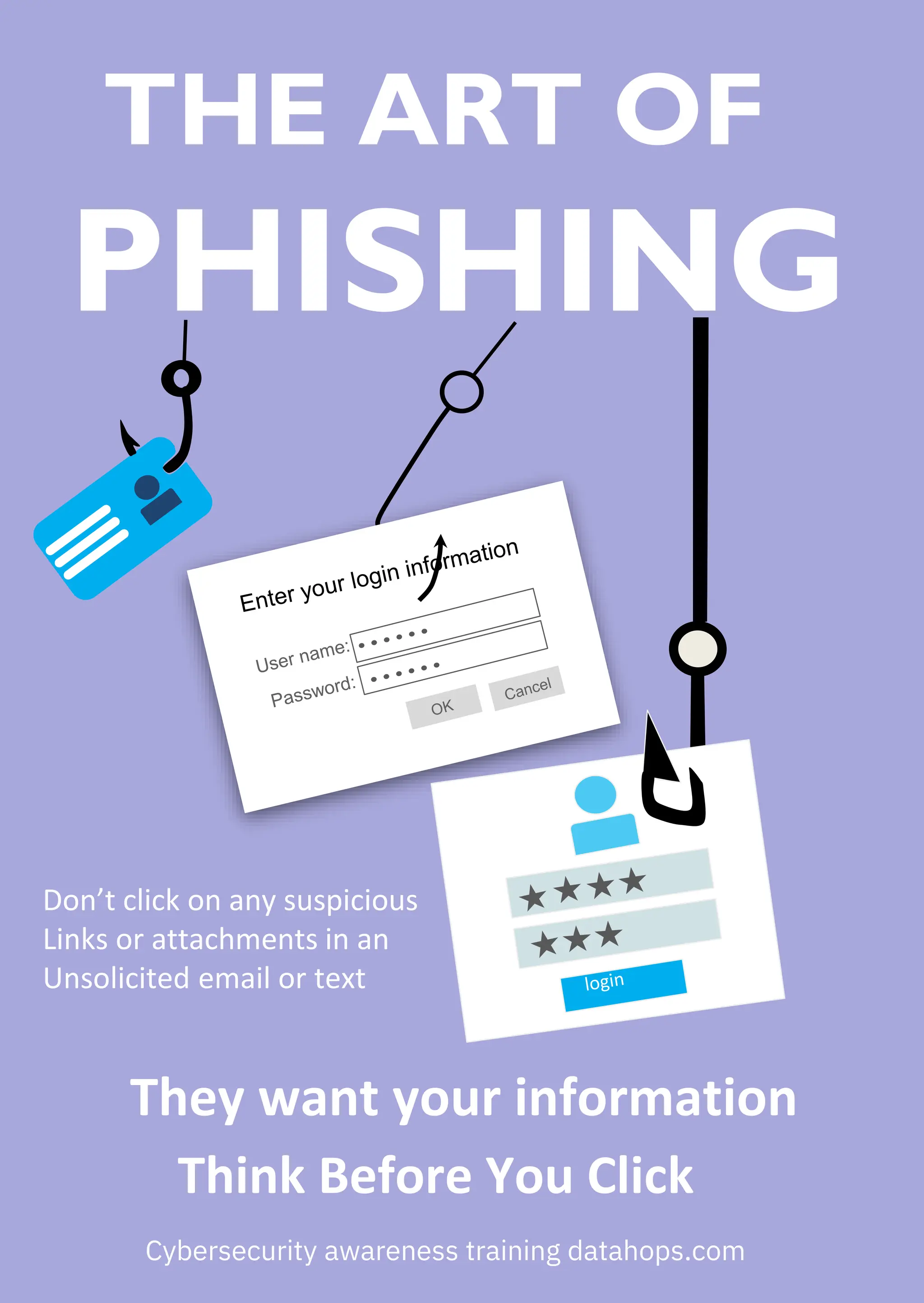
The “personal information safety worksheet for grade 1″ directly addresses the critical topic of personal information safety in the online environment. It introduces young learners to the concept of private versus public information, clearly defining what constitutes personal data that should never be shared with strangers online. Concepts covered include identifying one’s full name, address, phone number, school name, and photographs as private details. The worksheet presents simple rules about when and with whom such information can be shared, typically emphasizing sharing only with trusted adults like parents or teachers. Scenarios are often depicted through relatable situations, helping children understand potential risks without causing undue alarm. This content aligns seamlessly with recognized digital citizenship frameworks and child online safety education standards, which advocate for early introduction to privacy concepts and safe sharing practices.
Key Learning Outcomes
By engaging with the “personal information safety worksheet for grade 1,” young learners develop several vital skills and knowledge areas:. Browse more guides on Safe Wired Schools.
- Identification of Personal Information: Students learn to recognize specific pieces of information (e.g., full name, address, phone number) that are considered private.
- Understanding of Trusted Adults: Children distinguish between trusted adults and strangers, understanding who is safe to share information with.
- Awareness of Online Privacy: A foundational understanding of why keeping personal information private online is important for safety is established.
- Decision-Making Skills: Learners begin to develop simple decision-making skills regarding sharing personal details in various scenarios.
- Communication of Concerns: The worksheet encourages children to articulate worries or questions about online interactions to a trusted adult.
How to Use This Worksheet
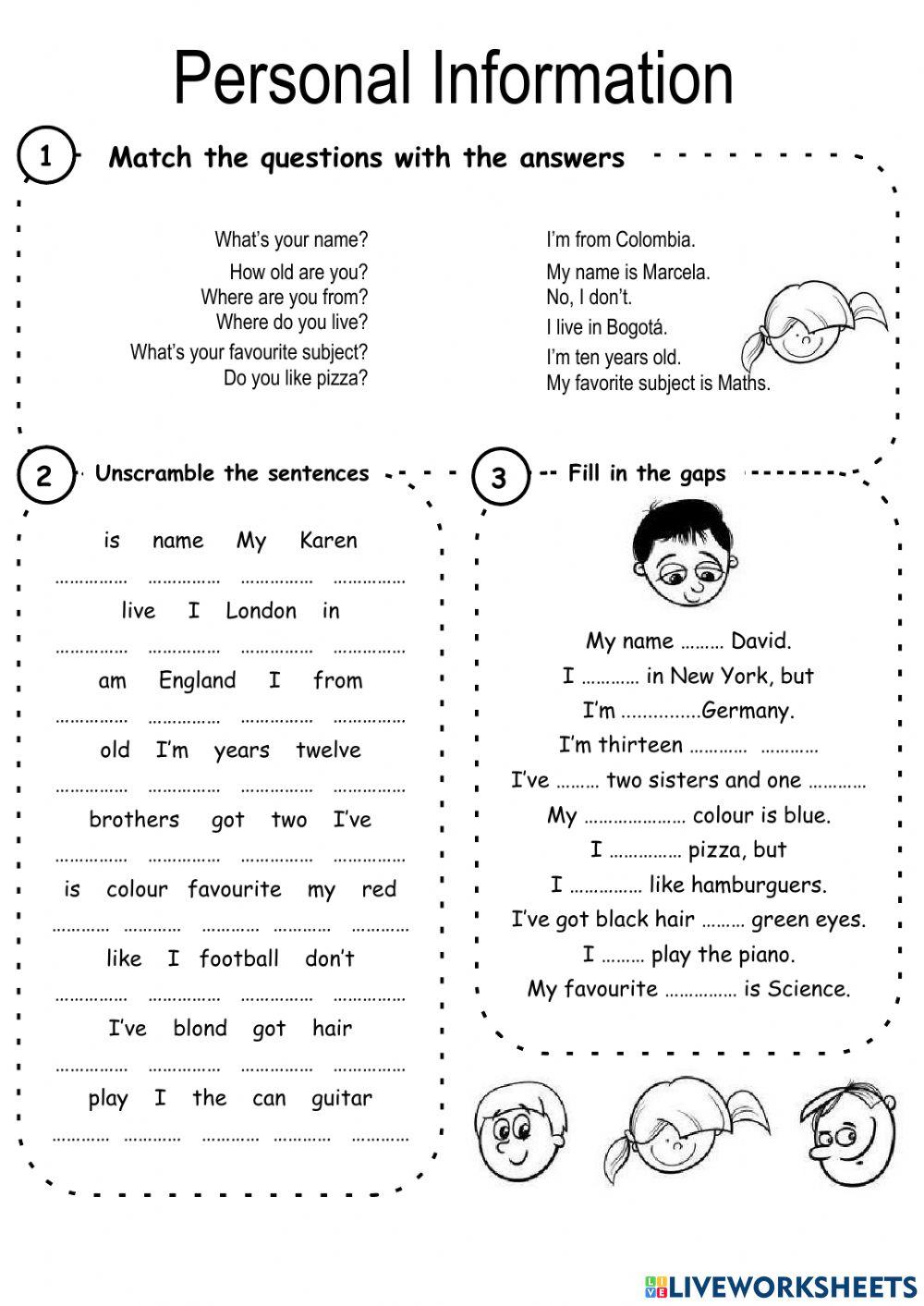
The “personal information safety worksheet for grade 1” is designed for flexible use in both classroom and home settings. Its format typically includes a variety of activity types tailored for early learners, such as drawing circles around safe items, matching private information to a “keep secret” box, or simple true/false questions about sharing. The difficulty level is carefully calibrated for six and seven-year-olds, with clear, concise instructions that often include visual cues to scaffold learning progressively. This resource can function as a standalone activity to introduce or review personal information safety, serving as an effective component of a broader internet safety lesson plan. It is also suitable for homework assignments, allowing children to consolidate learning with parental involvement, or as a station activity during classroom centers focused on digital literacy.
Practical Tips for Parents and Teachers
Maximizing the educational impact of the “personal information safety worksheet for grade 1” involves thoughtful preparation and facilitation:
- Pre-Activity Discussion: Before starting, initiate a brief conversation about what “private” means in general terms, using real-world examples like secrets between family members or diary entries.
- Guided Completion: Work through the worksheet together, reading instructions aloud and explaining vocabulary that might be new, ensuring full comprehension.
- Open-Ended Dialogue: After completion, encourage discussion by asking open-ended questions such as, “Why is it important not to tell a stranger your address?” or “What should you do if someone online asks for your picture?”
- Role-Playing Scenarios: Extend learning by enacting simple role-playing scenarios where a child practices saying “no” to sharing private information or seeking help from a trusted adult.
- Positive Reinforcement: Offer praise for correct answers and thoughtful contributions, reinforcing the importance of the safety concepts being learned.
Age-Appropriate Recommendations
For the “personal information safety worksheet for grade 1,” specific age-appropriate approaches ensure optimal learning and engagement.
For Ages 5-7 (Grade 1 focus): This worksheet is primarily designed for this age group. The approach should be highly interactive and supportive. Vocabulary support is crucial; new terms like “personal information” or “stranger” require clear, simple definitions and repeated explanations. Activity pacing should be moderate, allowing ample time for drawing, coloring, and discussion without rushing. High levels of parental or teacher involvement are essential, with adults guiding each step, asking clarifying questions, and providing reassurance. Focus on the core message: “Some information is just for our trusted adults.”
For Ages 8-9 (Grades 2-3 adaptation): While the worksheet’s core concepts remain relevant, slightly older children may complete it more independently. The focus shifts to reinforcing existing knowledge and applying it to slightly more complex hypothetical situations. Vocabulary support might involve exploring synonyms or related concepts. Activity pacing can be quicker, with more emphasis on written responses or short sentences to explain choices. Moderate parental or teacher involvement is suitable, primarily for checking understanding, prompting deeper thought, and discussing nuances, such as why online games might ask for a username but not a real name.
Frequently Asked Questions
Q: What specific types of personal information does the worksheet cover? A: The “personal information safety worksheet for grade 1” typically covers a child’s full name, home address, phone number, school name, and photographs, emphasizing that these details should remain private.
Q: How can educators or parents access this free printable resource? A: The “personal information safety worksheet for grade 1” is available for free download directly from the SafeWiredSchools.org website. Simply navigate to the “Worksheets” section and locate the Grade 1 resources.
Q: Is this worksheet suitable for children who are not yet reading independently? A: Yes, the worksheet is designed with visual cues and relies on adult guidance. Parents and teachers can read instructions aloud and discuss concepts, making it accessible for emerging readers.
Explore More Free Printable Worksheets
Effective digital safety education is an ongoing process, not a one-time lesson. A single worksheet, while valuable, performs best as part of a comprehensive and consistent learning routine. Educators and parents are invited to explore a full collection of free printable internet safety worksheets, activity sheets, checklists, quizzes, and more. These resources, available at SafeWiredSchools.org Worksheets, cover every internet safety topic imaginable and are thoughtfully designed for every grade level and learning environment, ensuring a continuous and progressive educational journey in online safety.
Developmental Milestone & Activity Table
| Development Stage | Recommended Daily Duration | Primary Learning Objective |
|---|---|---|
| Preschool & Pre-K | 10 – 15 Minutes | Pencil grip development & basic pre-stroke lines |
| Kindergarten | 15 – 20 Minutes | Letter/number formation & spatial line awareness |
| Early Elementary (Grade 1–2) | 20 – 30 Minutes | Fluency, sentence construction & neatness |
Images References