Introduction
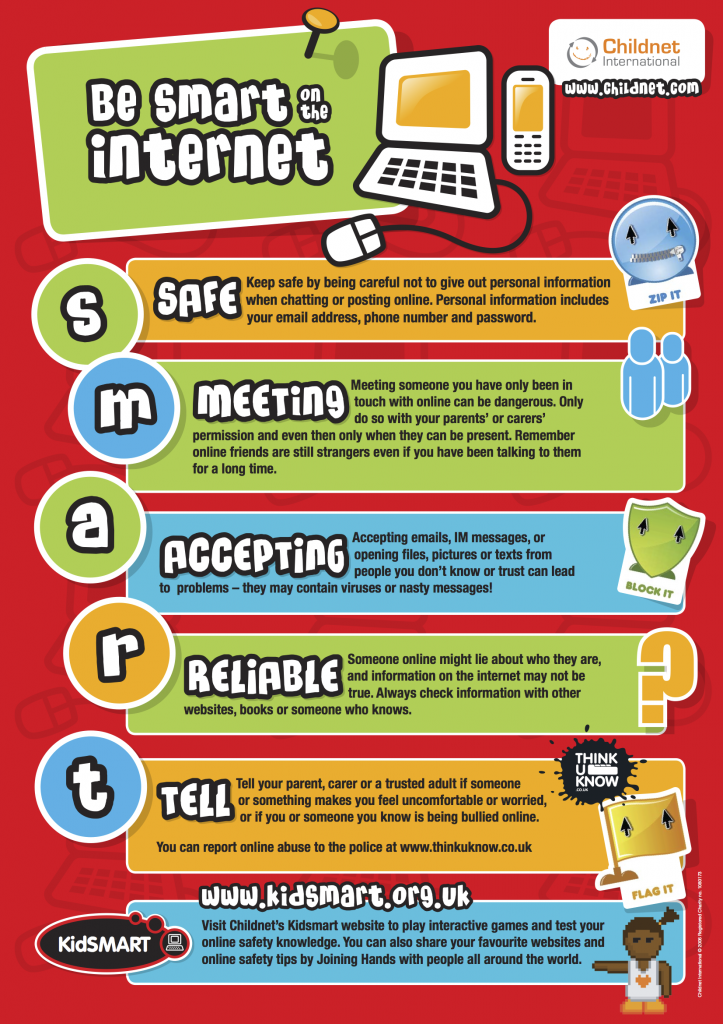
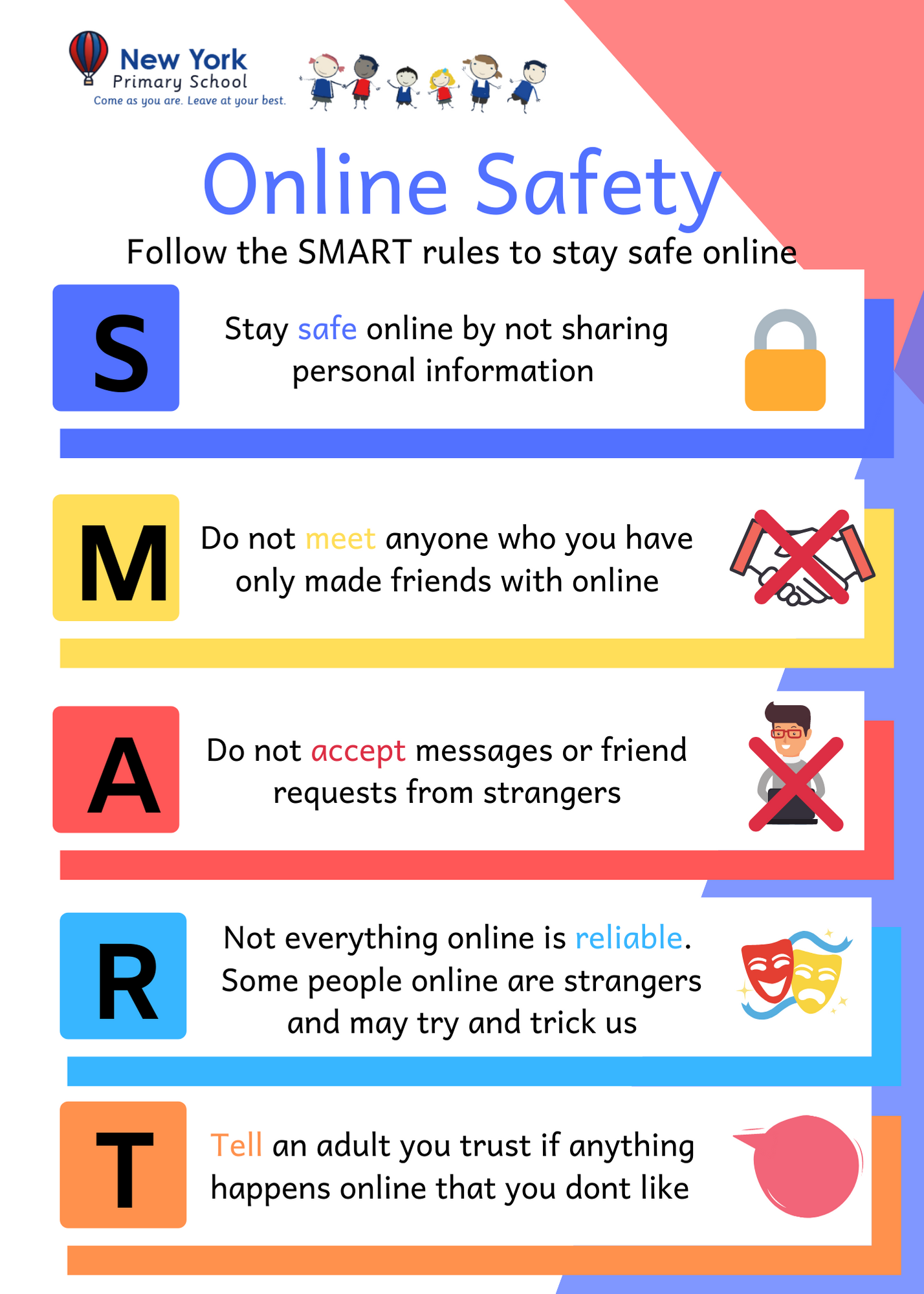
Online safety rules comprise standardized behavioral boundaries and technical protocols designed to protect students from digital threats while fostering responsible engagement in educational environments. According to the Cybersecurity and Infrastructure Security Agency (CISA), establishing proactive cybersecurity practices across learning institutions significantly mitigates unauthorized access, data exposure, and malicious exploitation. Educational communities must enforce these structural guardrails to cultivate secure learning spaces where middle school students navigate online platforms without encountering preventable harms. For comprehensive instructional resources, educators often integrate structured materials from the Internet and Digital Safety archive.
Digital Safety Snapshot:
- Core Focus: Standardized digital rules protecting students across school networks.
- Target Scope: Middle school students, teachers, parents, and administrative staff.
- Key Recommendation: Enforce strict device hygiene, continuous monitoring, and structured digital footprint management.
Core Principles and Detailed Overview
Comprehensive digital safety policies rely on five foundational pillars: school internet security, digital footprint preservation, cyberbullying prevention, device hygiene, and balanced screen utilization. Direct adherence to these tenets prevents malicious actors from compromising school networks while teaching students how their online choices create permanent digital records. Administrators must implement network-level filtering to block harmful content, while teachers supervise active browser sessions during instructional hours. Furthermore, educational institutions reinforce these concepts by utilizing printable learning materials found within the Online and Digital Safety portal.
Key Specifications and Breakdown
| Safety Pillar | Digital Risk Factor | Actionable Protective Habit |
|---|---|---|
| Digital Footprint | Permanent exposure of personal details | Drafting online content with future college and employer review in mind. |
| Cyberbullying Prevention | Harassment via messaging and forums | Reporting aggressive interactions immediately to designated school staff. |
| Device Hygiene | Malware infection and unauthorized access | Logging out of accounts and securing hardware after every use. |
Proactive network monitoring and digital citizenship education form the baseline defense against emerging cyber threats in modern educational ecosystems. — Cybersecurity and Infrastructure Security Agency (CISA)
Step-by-Step Practical Application and Guidelines
Implementing robust safety protocols requires a structured, multi-phase methodology that integrates seamlessly into daily classroom routines and home environments. First, establish clear password management standards, requiring complex credentials that students never share with peers. Second, mandate systematic log-out procedures whenever shared classroom devices are left unattended. Third, integrate interactive lessons addressing peer interaction to preempt cyberbullying incidents before escalation occurs. Finally, balance digital instruction with offline activities to maintain healthy screen habits and reduce cognitive fatigue among middle school learners.
Common Challenges and How to Avoid Them
Classroom environments frequently encounter challenges such as proxy bypass attempts, accidental exposure to inappropriate material, and student disengagement from safety protocols. Educators resolve these vulnerabilities by auditing network firewalls regularly and conducting routine classroom walk-throughs to ensure active monitoring software remains operational. Establishing open communication channels encourages students to report suspicious messages or accidental security breaches without fear of immediate punitive measures. Additionally, pairing technical restrictions with engaging Worksheets reinforces cognitive comprehension of digital citizenship principles.
💬 Frequently Asked Questions
Explore More Kids Safety and Digital Citizenship Guides on SafeWiredSchools
Maintaining an secure, enriching technological environment requires continuous education, proactive monitoring, and standardized safety enforcement across all learning communities. Educators, parents, and administrators can access an extensive repository of expert guides, lesson plans, and instructional tools by visiting the primary resource library at Safe Wired Schools.
Visual Reference Gallery