Why Netiquette Rules Coloring Page Kids Matter for Early Digital Learners
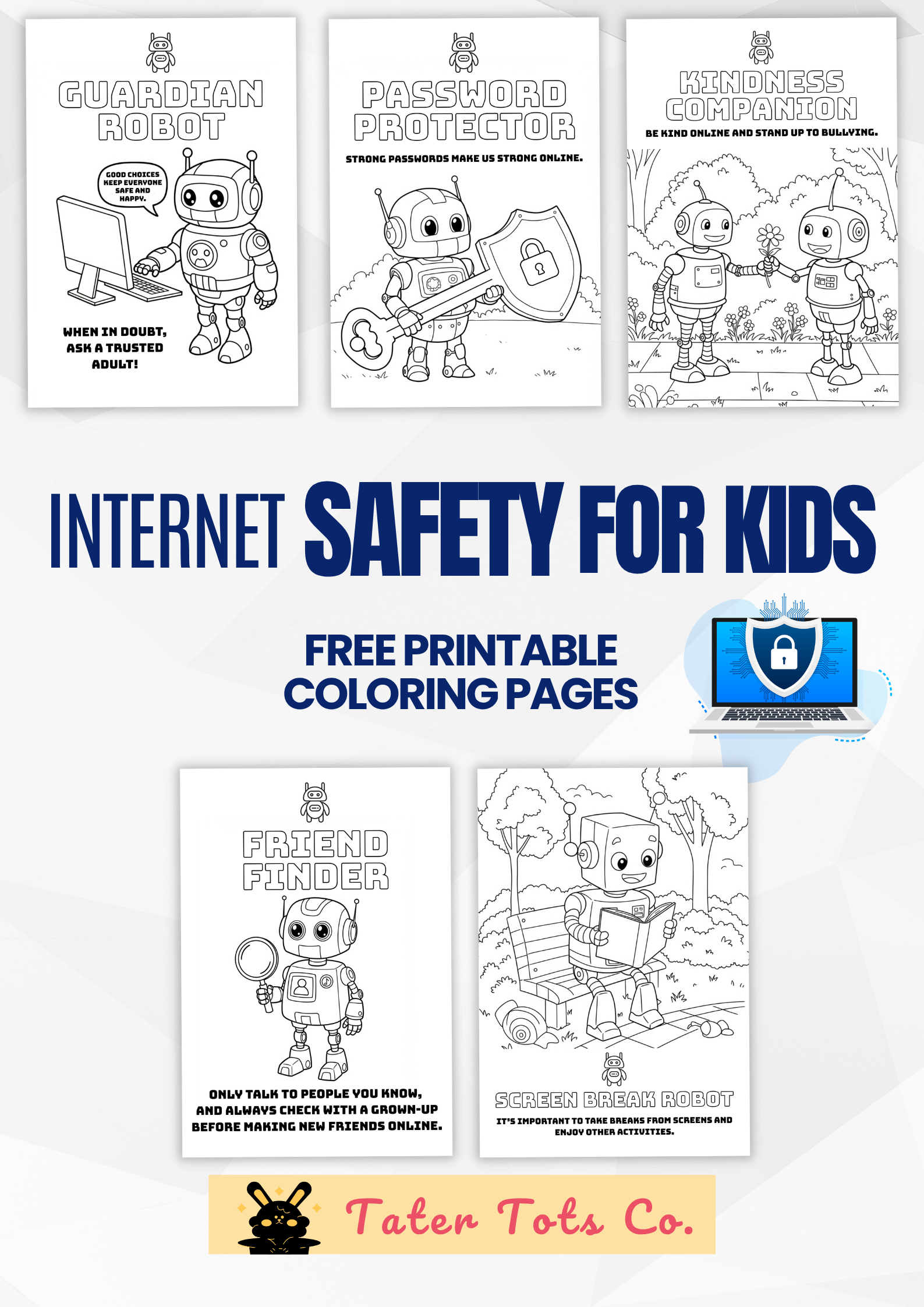
Introducing children to online manners requires tools that match their developmental stage, which is why educators and parents frequently turn to netiquette rules coloring page kids activities. When young students transition to school-issued tablets and home devices, they encounter digital environments long before they fully grasp concepts like tone, empathy, and boundary-setting. Organizations like ConnectSafely and the Family Online Safety Institute (FOSI) emphasize that early digital citizenship must be visual, interactive, and positive. By combining artistic expression with foundational lessons on online kindness, adults can help children internalize good habits before negative behaviors take root in chat rooms or gaming lobbies. Related guide: Please Provide Free 8.5″X11″ Digital Safety Coloring Pages For K-2 Grade.
💡 Activity Key Takeaways:
- Core Focus: Printable Netiquette Rules Coloring Page Kids designed for creative expression and fine-motor coordination.
- Target Scope: Ideal for toddlers, preschool, kindergarten, and classroom art activities.
- Best Recommendation: Use standard heavy printer paper (24–28 lb) or cardstock for vibrant results with crayons, colored pencils, or washable markers.
Digital Risk Signals and Preventive Guardrails
As children begin exploring interactive platforms, adults must pair creative engagement with proactive supervision. Monitoring how children interact with technology helps catch early signs of overexposure or impulsive messaging. Reviewing device settings across home networks and school Chromebooks ensures that safety measures support both learning and play without creating an environment of fear.
| Setting / Context | Common Vulnerability | Practical Safeguard |
|---|---|---|
| Home Devices & Tablets | Unmonitored app store downloads and accidental in-app purchases. | Require adult password approval for new downloads and disable one-click buying. |
| School Chromebooks | Using educational logins to access unvetted multiplayer chat games during breaks. | Reinforce classroom policy communication and check browser history periodically. |
| Social & Chat Habits | Misinterpreting text tone, leading to hurt feelings or escalating arguments. | Use resources from our Internet and Digital Safety section to teach pause-and-reflect habits. |
Actionable Habits Families and Classrooms Can Establish Together
Transforming lessons from a netiquette rules coloring page kids session into daily practice requires consistent, low-stress routines. Start by establishing a central, public device-charging station in your home or classroom to naturally curb late-night screen use and maintain visibility. Adults should model calm technology habits by putting phones away during family meals or dedicated instruction time. When introducing technical guardrails, pair them with age-appropriate device controls, such as content filters and restricted search settings. Most importantly, establish a transparent reporting workflow that allows children to come forward if they experience cyberbullying or encounter disturbing content. Utilizing printable materials from our Coloring Pages hub can spark these vital conversations without making children feel interrogated.
Overcoming Student Workarounds and Adult Pushback
Overly restrictive internet bans often backfire by driving children to seek out hidden workarounds, such as using incognito windows, deleting browser histories, or finding proxy sites on school devices. Instead of relying solely on heavy-handed technical blocks that prevent teachable moments, adults should combine filters with open-ended dialogues. When a child attempts to bypass a rule, treat it as a teachable moment rather than an immediate disciplinary crisis. Ask open questions about what they were trying to access and why, addressing the underlying curiosity or social pressure driving the behavior. Aligning home expectations with school guidelines ensures children receive a unified message about respectful digital communication everywhere they go.
Frequently Asked Questions About Creative Digital Citizenship
What age is appropriate to introduce netiquette concepts using coloring activities?
Children in kindergarten through second grade benefit immensely from visual and tactile lessons. Integrating simple concepts like sharing kindly and asking permission before posting photos helps lay a strong foundation for future digital interactions.
How can teachers use coloring sheets to reinforce school-wide digital citizenship policies?
Teachers can incorporate these creative sessions during technology orientation weeks or library periods. Displaying finished artwork around the room serves as a constant, positive reminder of expected online behavior.
Where can I find complementary instructional materials for older elementary students?
Beyond creative sheets, exploring resources within our Online and Digital Safety category provides structured activity sheets and discussion guides tailored to growing minds.
Explore More Digital Citizenship Resources
Fostering safe, confident, and empathetic digital citizens is an ongoing journey that requires collaboration between home and school. To discover more expert-backed strategies, printable tools, and educational guides, visit SafeWiredSchools.org to support your students every step of the way.
Printable Coloring Page Previews