Why Integrating a Free Social Media Safety Coloring Page Works for Young Learners
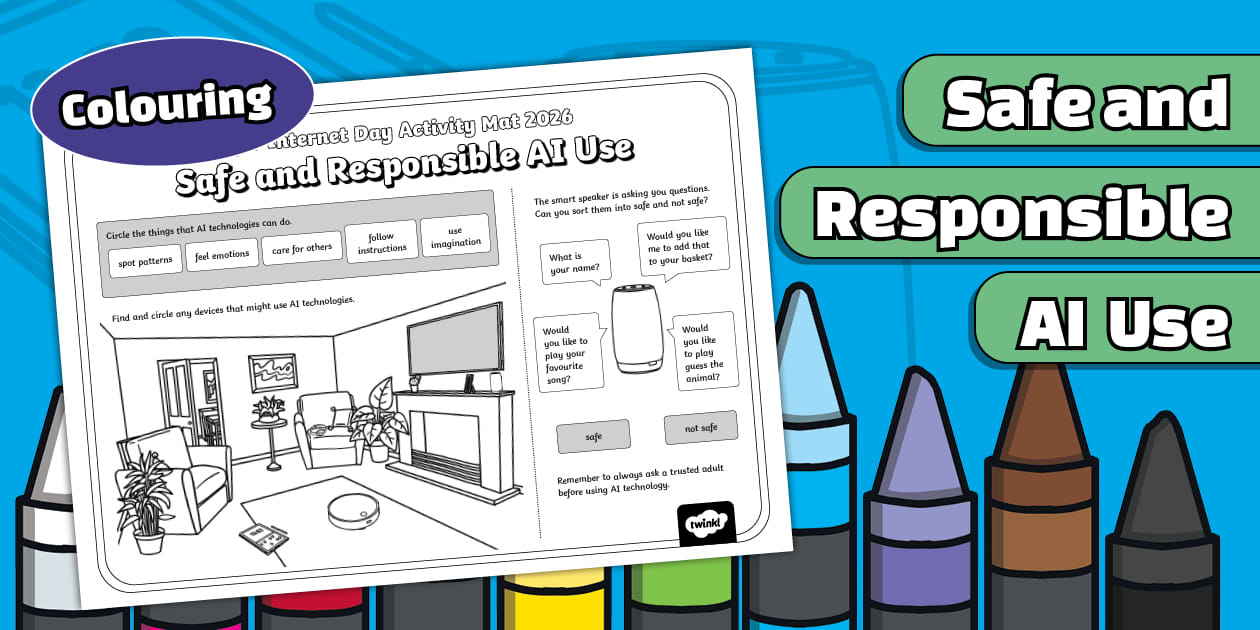
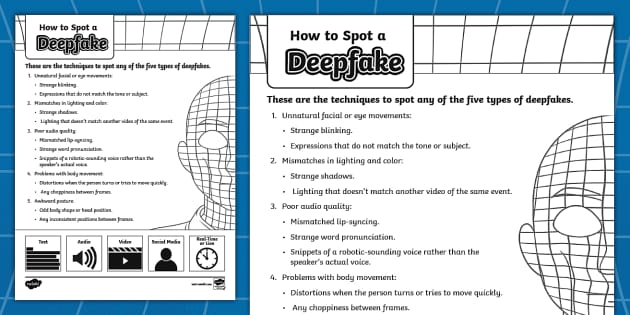
Introducing foundational digital concepts to elementary and middle school students requires approaches that bridge creative play with serious habits. Long before children create their first profiles, they absorb digital norms from older peers and media around them. Utilizing a free social media safety coloring page offers educators and parents an interactive anchor to discuss complex ideas like screen time, private information, and online kindness. According to youth privacy guidance from organizations like ConnectSafely and the Family Online Safety Institute, early conversations framed around visual tools help children conceptualize invisible digital boundaries. When kids color and discuss illustrations depicting secure passwords or safe sharing, they build cognitive memories that guide future choices on tablets and school-issued Chromebooks. Related guide: Coloring Pages Bunny.
💡 Activity Key Takeaways:
- Core Focus: Printable Free Social Media Safety Coloring Page designed for creative expression and fine-motor coordination.
- Target Scope: Ideal for toddlers, preschool, kindergarten, and classroom art activities.
- Best Recommendation: Use standard heavy printer paper (24–28 lb) or cardstock for vibrant results with crayons, colored pencils, or washable markers.
Spotting Early Digital Vulnerabilities and Establishing Technical Guardrails
Adults often struggle to identify when children are stepping into risky digital territory. Behavioral cues such as hiding screens, secretive texting, or unexpected changes in mood often signal that a child has encountered uncomfortable content or peer pressure online. To protect students effectively, adults must pair observational awareness with robust device controls. The breakdown below outlines key risk signals across various environments alongside actionable preventive measures.
| Setting / Context | Common Vulnerability | Practical Safeguard |
|---|---|---|
| Home Devices & Tablets | Unmonitored app store downloads and accidental in-app purchases. | Require adult password authentication for all new downloads and disable default saving of payment credentials. |
| School Chromebooks & Laptops | Bypassing network filters or accessing unapproved chat features during study periods. | Reinforce clear expectations through our Internet and Digital Safety resources while maintaining active teacher supervision. |
| Social and Chat Habits | Sharing personal details like home addresses, school names, or daily schedules with strangers. | Use artistic activities to teach the strict rule of keeping personal data entirely off public profiles. |
Actionable Habits and Routines for Families and Classrooms
Protecting children online relies on consistent, predictable routines rather than reactive discipline. In the classroom, teachers can integrate a free social media safety coloring page during advisory periods or computer lab transitions to prompt discussions about digital footprints. At home, families should establish physical boundaries, such as a central charging station in the kitchen where all smartphones and personal tablets rest overnight. This prevents late-night scrolling and helps children maintain healthy sleep hygiene. Furthermore, adults should establish a calm reporting protocol: reassure children that if they ever encounter cyberbullying, inappropriate images, or suspicious direct messages, they can report it immediately without fear of losing their device privileges. Pair these discussions with printable assets found in our Coloring Pages collection to keep reinforcement engaging and hands-on.
Overcoming Resistance and Addressing Student Workarounds
As children grow more tech-savvy, they frequently discover workarounds for parental controls and school network filters, such as using proxy sites or secondary hidden accounts. Overly punitive bans often backfire by driving children underground, making them hesitant to seek help when they encounter online threats. Instead of relying solely on heavy-handed restrictions, educators and parents must foster open dialogues that explain the reasoning behind digital rules. When implementing safeguards, clearly articulate why certain platforms are age-inappropriate and validate their desire to connect with friends. Reinforce lessons from structured Worksheets that challenge students to think critically about online scenarios, empowering them to become active partners in their own digital safety.
Frequently Asked Questions About Digital Safety Activities
Children in kindergarten through fourth grade gain the highest value from these visual tools. At this developmental stage, coloring reinforces abstract internet concepts through concrete imagery and creative expression.
How can teachers incorporate these safety printables into busy lesson plans?
Educators often use these pages as bell-ringers, indoor recess activities, or calm transition tools following digital citizenship lessons. They provide a quiet space for students to process new online safety rules.
Are visual safety coloring sheets effective substitutes for technical filters?
No, coloring pages serve as educational supplements rather than technical blocks. They must be combined with age-appropriate device controls, router-level filters, and ongoing adult supervision to ensure complete protection.
Explore More Digital Citizenship Resources
Empowering the next generation of digital citizens requires continuous learning, updated strategies, and collaborative community efforts. Visit SafeWiredSchools.org to access our full library of expert-backed safety guides, printable classroom tools, and practical family advice.
Printable Coloring Page Previews