Introduction
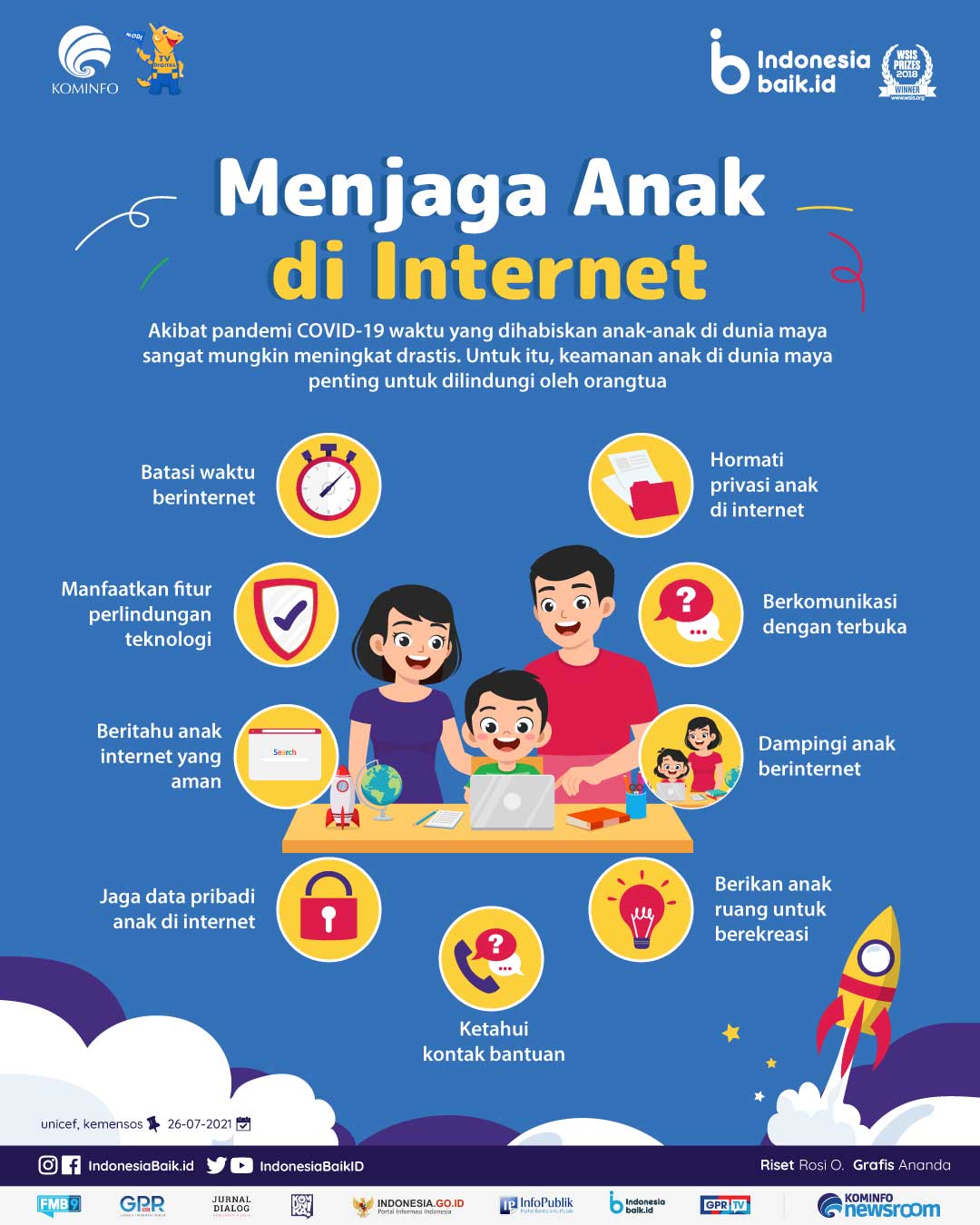
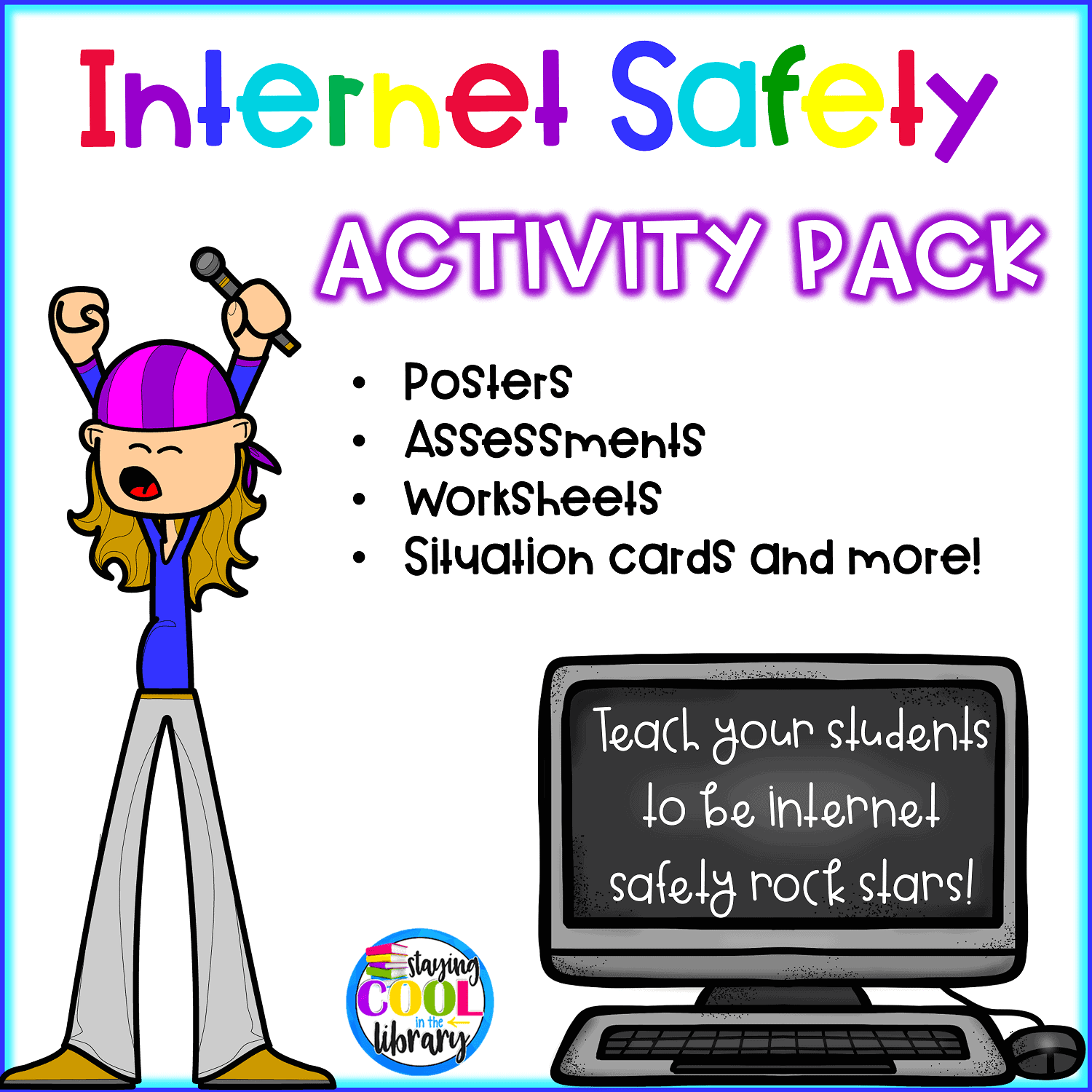
Digital spaces are woven into the fabric of childhood long before elementary students graduate to middle school. Children navigate shared family tablets, text in cooperative multiplayer game lobbies, and watch video tutorials on looping platforms. Naturally, teaching children how to traverse these environments requires tools that match their developmental stage. Traditional lectures on cyber security often fall flat, vanishing into the background noise of rules and restrictions. Instead, embedding foundational habits into catchy rhythms transforms abstract concepts into memorable actions. The free printable internet safety song for site_name offers a melodic pathway to digital literacy, turning foundational safety rules into an engaging daily routine for young learners. Related guide: 5 Cyber Safety Tips Symbols That Can Be Read By The Grede 7 Students.
💡 Educational Key Takeaways:
- Core Skill: Structured Internet Safety Song focused on developing pencil grip, stroke control, and early literacy/math confidence.
- Target Scope: Suited for homeschoolers, preschool, kindergarten, and elementary learners.
- Best Recommendation: Practice 10–15 minutes daily with ergonomic writing tools to reinforce muscle memory without hand fatigue.
What This Printable Covers
Musical learning engages multiple areas of the brain simultaneously, aiding memory retention and emotional regulation. This printable song sheet outlines core protective behaviors without relying on fear-based messaging. Children learn the value of keeping personal information private, such as full names, home addresses, and school titles. Lyrics emphasize pausing to think before clicking, sharing, or downloading unfamiliar content. Furthermore, the resource reinforces the vital practice of selecting strong passwords and protecting account credentials. Most importantly, the verses remind children that they are never in trouble for reporting an uncomfortable interaction to a trusted adult. It sounds simple, and that’s the point: clarity builds confidence.
Key Learning Outcomes
Working through these lyrics equips children with actionable instincts they can apply across different devices. According to Pew Research Center, a vast majority of children access the internet daily via smartphones and tablets, making portable, easy-to-remember rules essential. The song translates complex technological boundaries into concrete steps: stop, think, and check with a grown-up. Young learners discover how to identify secure sharing habits and recognize when a digital request crosses the line. This repetition builds a strong cognitive framework, preparing children to handle tricky situations independently or with guidance.
How to Use This Printable
Integrating rhythm and melody into the school day or home routine creates a welcoming atmosphere for important conversations. Educators can introduce the song during morning meetings, while parents might sing along during car rides or afternoon transitions. Singing together lowers anxiety and opens the door for organic discussions about what happens behind the screen. Pairing these musical exercises with broader discussions found in Internet and Digital Safety resources deepens comprehension. The goal remains empowering children as mindful digital citizens rather than restricting their curiosity.
Practical Tips for Parents and Teachers
Consistency bridges the gap between digital rules and real-world behavior. Adults can invite children to clap along or create hand motions that match each lyric, reinforcing physical memory alongside auditory learning. When exploring digital citizenship, utilizing varied formats like Worksheets alongside the song sheet caters to different learning styles. Adults should maintain a calm, approachable demeanor so children feel secure asking questions about strange pop-ups or unexpected messages in online games. Celebrating positive choices reinforces the idea that navigating technology safely is a rewarding skill.
Age-Appropriate Recommendations
Younger elementary students benefit from short, repetitive verses that focus on basic sharing rules and seeking adult help. Older children can analyze the lyrics more deeply, discussing why password protection matters and how digital footprints accumulate over time. Educators grounding their instruction in the ISTE Standards for Students will find this resource aligns well with fostering empowered, responsible digital learners. According to Common Sense Media, children begin interacting with structured online media at very young ages, meaning early interventions yield the strongest long-term habits.
Young children frequently encounter digital risks through shared household devices and open in-game chat features where boundaries blur quickly. — Common Sense Media
Frequently Asked Questions
Finding the right approach to digital education often brings up practical questions for educators and families. Clear answers help streamline implementation whether teaching a single classroom or managing a household of digital learners. The following responses address common inquiries regarding access, educational philosophy, and organizational standards.
Explore More Free Kids Online Safety Printables
Expanding a digital citizenship toolkit takes continuous support and varied activities. Adults can discover additional creative materials by browsing through Online and Digital Safety tools designed for early learners. For creative, tactile reinforcement that pairs wonderfully with musical lessons, explore the collection of Coloring Pages available for immediate download and classroom use.
Developmental Milestone & Activity Table
| Development Stage | Recommended Daily Duration | Primary Learning Objective |
|---|---|---|
| Preschool & Pre-K | 10 – 15 Minutes | Pencil grip development & basic pre-stroke lines |
| Kindergarten | 15 – 20 Minutes | Letter/number formation & spatial line awareness |
| Early Elementary (Grade 1–2) | 20 – 30 Minutes | Fluency, sentence construction & neatness |
Images References