Introduction
Guiding young children through the digital world requires proactive habits rather than fearful restrictions. Modern classrooms and living rooms alike witness young learners navigating shared household tablets, typing messages inside multiplayer gaming lobbies, or viewing video platforms during downtime. These everyday digital interactions happen fast, often before adults can intervene. Building digital citizenship means equipping children with the tools to pause, think, and make safe choices independently. Interactive sessions about privacy and social media help bridge the gap between abstract rules and real-world digital actions. Educators and families frequently look for structured materials that turn complex concepts into manageable conversations. This free printable offers a practical framework to anchor those vital discussions. It supports habit-building and critical thinking without relying on scare tactics or unrealistic oversight. Related guide: Digital Bullying Prevention Activities For Young Children.
💡 Educational Key Takeaways:
- Core Skill: Structured Helping Kids With Interactive Sessions About Privacy And Use Of Social Media. focused on developing pencil grip, stroke control, and early literacy/math confidence.
- Target Scope: Suited for homeschoolers, preschool, kindergarten, and elementary learners.
- Best Recommendation: Practice 10–15 minutes daily with ergonomic writing tools to reinforce muscle memory without hand fatigue.
What This Printable Covers
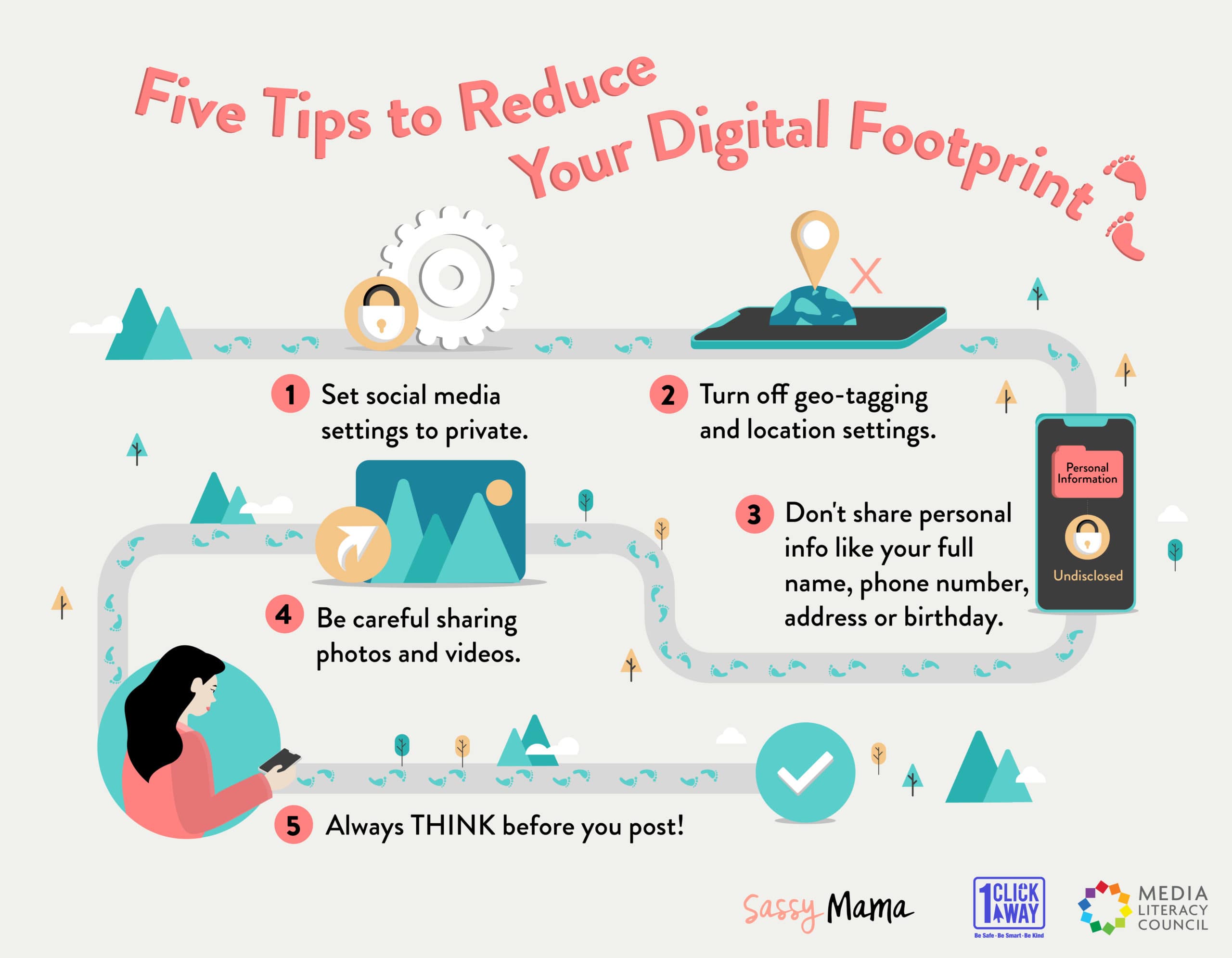
The resource breaks down the foundational elements of digital footprint management, personal privacy, and respectful online communication. Children learn why certain details—such as full names, locations, and school names—must remain private. Instead of treating these guidelines as rigid commands, the activity sheet invites learners to explore scenarios where personal information might be accidentally exposed. Through guided prompts and interactive exercises, young minds examine the permanence of digital posts. The material addresses the reality of in-game chat and video sharing platforms, where boundaries can easily blur during moments of excitement. Clear rules regarding passwords, sharing, and peer interactions receive primary focus. Every section encourages children to view themselves as thoughtful creators and responsible participants in digital spaces.
Key Learning Outcomes
Working through these guided sessions helps children master specific skills essential for modern citizenship. Learners practice identifying private information versus public trivia. Another crucial outcome involves recognizing uncomfortable online situations and learning the exact steps to report them. According to the Federal Trade Commission, children frequently encounter unexpected digital risks through peer interactions and shared devices, making early guidance indispensable. The exercises reinforce the absolute reassurance that children are never in trouble for reporting something that feels wrong or confusing. Strengthening this communication loop builds unshakeable trust between youth and the adults supporting them.
How to Use This Printable
Implementation works best when adults treat the session as a collaborative exploration rather than a test. Set aside dedicated time during a classroom morning meeting or a quiet afternoon at the kitchen table. Read through the prompts together, allowing learners to voice their initial thoughts before offering corrections. It sounds simple, and that is the point. When adults listen actively to how children perceive online friendships and gaming rules, valuable teaching moments emerge naturally. The material serves as a springboard for deeper discussions about responsible device usage, building upon the foundational concepts found in Internet and Digital Safety lesson plans. Consistent reinforcement transforms good intentions into automatic protective habits.
Practical Tips for Parents and Teachers
Maximizing the impact of this activity requires creating an open, non-judgmental environment. Avoid lecturing about past mistakes or careless clicks. Instead, focus on hypothetical scenarios that keep the conversation light yet educational. Educators can pair this material with creative writing exercises or role-playing games to solidify understanding. Parents might review the completed sheets alongside family media agreements, tying the printed lessons directly to household device rules. For further classroom integration, browse additional exercises available under Worksheets designed to reinforce digital literacy. Patience remains essential because developing robust online safety instincts takes repeated, positive reinforcement over time.
Age-Appropriate Recommendations
Tailoring the delivery of these concepts ensures maximum comprehension across the five-to-twelve age spectrum. Younger children in the early elementary brackets benefit from visual examples, focusing primarily on keeping personal details secret and asking an adult before downloading apps. Upper elementary students can tackle more nuanced topics, such as digital footprints, empathy in messaging, and evaluating online sources. Aligning these lessons with the Common Sense Education Digital Citizenship Curriculum provides a structured progression that meets developmental milestones. Educators can also explore Online and Digital Safety modules to find age-appropriate extensions for older elementary grades.
Children frequently encounter privacy risks and inappropriate contact through shared family devices and multiplayer video game chats. — Pew Research Center
Frequently Asked Questions
Navigating digital citizenship questions helps adults feel confident while guiding young learners. The following answers address common inquiries regarding accessibility, learning outcomes, and foundational research standards.
Educators and parents report that guided interactive discussions significantly improve digital literacy retention among young students. — Common Sense Media
Explore More Free Kids Online Safety Printables
Expanding a digital citizenship library ensures children continuously encounter positive reinforcing messages throughout the school year. Educators and families can pair the primary resource with creative Coloring Pages to engage younger learners in low-pressure discussions about digital boundaries. Combining various formats keeps lessons fresh, dynamic, and tailored to diverse learning styles. Consistency across home and school environments gives children the strongest foundation for a safe, empowered digital future.
Developmental Milestone & Activity Table
| Development Stage | Recommended Daily Duration | Primary Learning Objective |
|---|---|---|
| Preschool & Pre-K | 10 – 15 Minutes | Pencil grip development & basic pre-stroke lines |
| Kindergarten | 15 – 20 Minutes | Letter/number formation & spatial line awareness |
| Early Elementary (Grade 1–2) | 20 – 30 Minutes | Fluency, sentence construction & neatness |
Images References