Introduction
Children encounter digital environments long before mastering cursive handwriting. Tablets, shared household laptops, and gaming consoles become everyday play spaces, making early digital citizenship vital for modern youth. Building protective online habits begins with concrete, age-appropriate conversations rather than fear-based warnings. Free educational printables provide a tangible anchor for these discussions, translating abstract concepts like privacy into accessible lessons. Educators and parents often seek structured tools to guide children through the invisible tracks left behind on the internet. Exploring foundational topics like the elementary online safety digital footprint children leave behind helps shape mindful digital habits from the very start. Related guide: 5 Cyber Safety Tips Symbols That Can Be Read By The Grede 7 Students.
💡 Educational Key Takeaways:
- Core Skill: Structured Elementary Online Safety Digital Footprint Children focused on developing pencil grip, stroke control, and early literacy/math confidence.
- Target Scope: Suited for homeschoolers, preschool, kindergarten, and elementary learners.
- Best Recommendation: Practice 10–15 minutes daily with ergonomic writing tools to reinforce muscle memory without hand fatigue.
What This Printable Covers
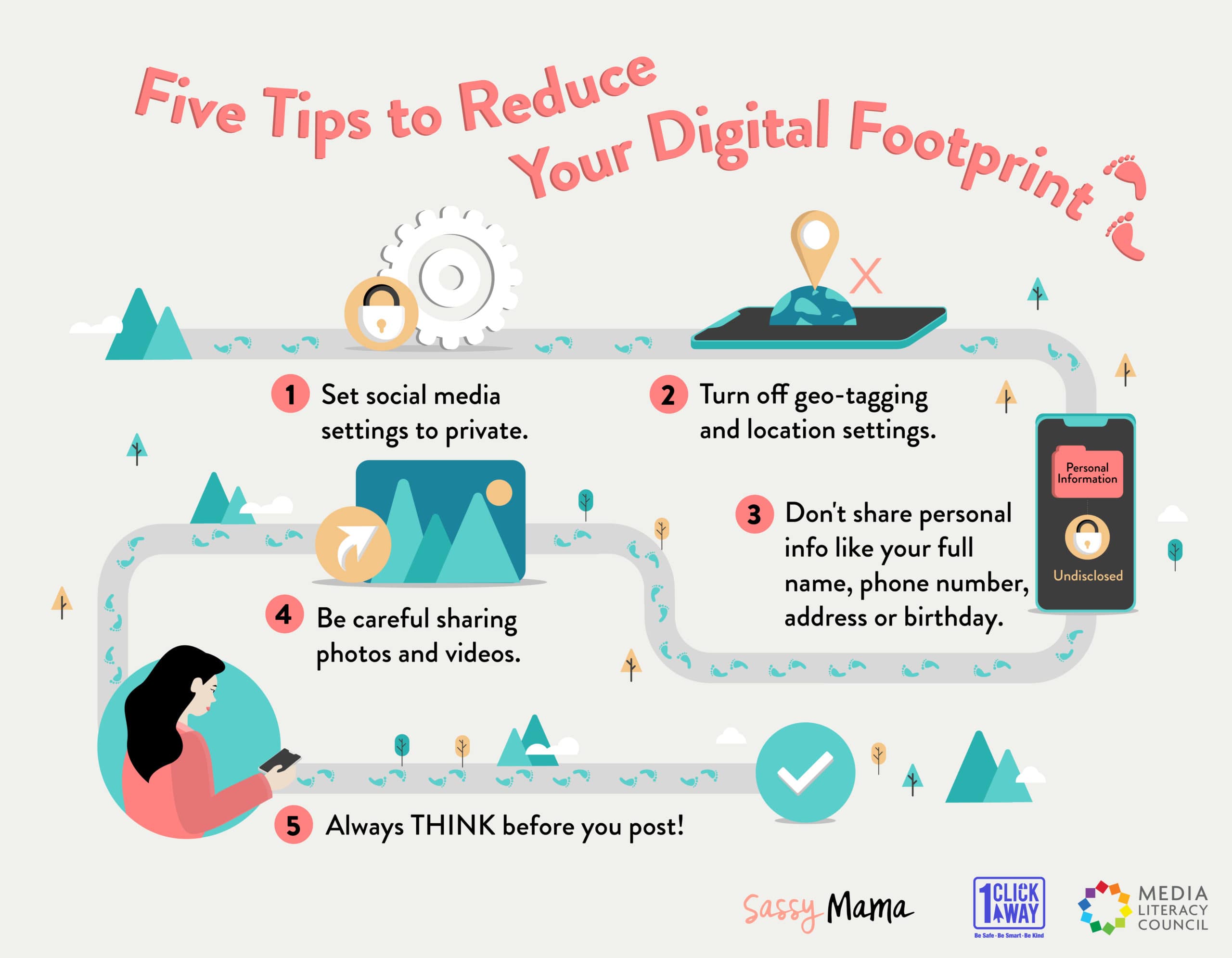
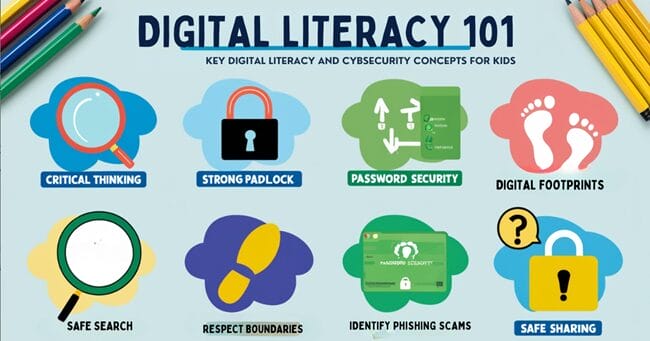
This specific activity centers on understanding how digital actions remain visible long after screens turn off. Young learners often view online interactions as temporary, akin to speaking and disappearing into thin air. The featured worksheets guide children through identifying what belongs in a public digital space versus what stays safely offline. Participants practice recognizing personal identifiers such as full names, home locations, and school names. Furthermore, the material explores how harmless-looking photos or shared comments contribute to a permanent personal trail. It sounds simple, and that’s the point: concrete visuals make invisible concepts graspable for early learners navigating digital worlds.
Key Learning Outcomes
Working through these exercises fosters critical thinking regarding online behaviors across video platforms and multiplayer game chats. According to Common Sense Media research regarding media use, children connect with digital media at increasingly early developmental stages, requiring foundational guidance on self-regulation. Learners discover the importance of thinking before sharing content with peers or wider audiences. Another core outcome involves reinforcing the absolute rule that children are never in trouble for reporting something uncomfortable. Establishing this trust ensures young users seek adult support when encountering strange messages or unexpected pop-ups.
How to Use This Printable
Classrooms and living rooms transform into safe laboratories for digital exploration when adults use guided practice sessions. Educators can integrate these materials into technology rotation centers or morning advisory periods. Parents benefit from tackling a single section during quiet afternoon hours, using the prompts as natural conversation starters rather than tests. Here’s what makes this resource different: it relies on drawing and collaborative discussion rather than abstract lecturing. Adults guide the dialogue by asking open-ended questions about favorite games, turning a standard worksheet into an engaging, low-stakes conversation.
Practical Tips for Parents and Teachers
Successful implementation hinges on maintaining a calm, empowering tone throughout the activity. Adults should validate children’s existing digital knowledge while gently correcting misconceptions about online permanence. Setting up strong device passwords and teaching children to log out of shared accounts becomes much easier when paired with these foundational exercises. Exploring related resources, such as helpful printable activities, expands the curriculum without overwhelming the learner. Consistency across home and school environments reinforces the message that digital safety is a positive life skill to master.
Age-Appropriate Recommendations
Tailoring digital citizenship instruction to developmental stages ensures maximum retention and emotional safety. For kindergarten and first-grade students, the focus remains strictly on keeping personal details private and involving a trusted adult immediately. Second through fourth graders benefit from discussing how in-game chat features work and why permanent footprints matter. Aligning these lessons with the Common Sense Education Digital Citizenship Curriculum provides a robust framework that respects cognitive growth. Educators and families can also browse internet and digital safety strategies tailored for growing children.
According to the Federal Trade Commission, children’s privacy and online interactions require ongoing guidance from trusted adults to help navigate shared digital spaces safely. — Federal Trade Commission (FTC)
Frequently Asked Questions
Navigating digital citizenship resources brings up common questions from educators and caregivers alike. Clear answers help maximize the value of every printable activity used in learning environments. Review the frequently asked questions below for quick guidance on downloading, implementation, and foundational safety standards.
Explore More Free Kids Online Safety Printables
Expanding a digital citizenship library ensures children receive continuous reinforcement as they grow older and encounter new platforms. Caregivers can discover additional creative tools by browsing coloring pages that introduce safety concepts through art. Educators looking for comprehensive lessons often explore online and digital safety modules designed for elementary classrooms. Combining these diverse free resources builds a resilient foundation for every young digital citizen.
Developmental Milestone & Activity Table
| Development Stage | Recommended Daily Duration | Primary Learning Objective |
|---|---|---|
| Preschool & Pre-K | 10 – 15 Minutes | Pencil grip development & basic pre-stroke lines |
| Kindergarten | 15 – 20 Minutes | Letter/number formation & spatial line awareness |
| Early Elementary (Grade 1–2) | 20 – 30 Minutes | Fluency, sentence construction & neatness |
Images References