Introduction
Navigating the digital world safely has become an essential life skill for young learners. The resource, an “internet safety quiz for grade 4,” directly addresses this critical need by providing a structured, engaging, and printable tool for elementary-aged children. Specifically designed for Grade 4 students, this quiz serves as a valuable reinforcement of foundational internet safety concepts. Educators widely recognize the efficacy of printable worksheets as trusted instruments for building crucial digital awareness. These tangible resources offer a hands-on learning experience, allowing students to actively engage with material, process information, and demonstrate understanding in a focused environment. Parents also find immense value in such tools, as they offer a clear, accessible pathway to discuss responsible online behavior within the home. This particular quiz contributes significantly to fostering a proactive approach to digital citizenship, equipping young minds with the knowledge necessary to interact with technology securely and confidently.
💡 Educational Key Takeaways:
- Core Skill: Structured Internet Safety Quiz For Grade 4 focused on developing pencil grip, stroke control, and early literacy/math confidence.
- Target Scope: Suited for homeschoolers, preschool, kindergarten, and elementary learners.
- Best Recommendation: Practice 10–15 minutes daily with ergonomic writing tools to reinforce muscle memory without hand fatigue.
What This Worksheet Covers
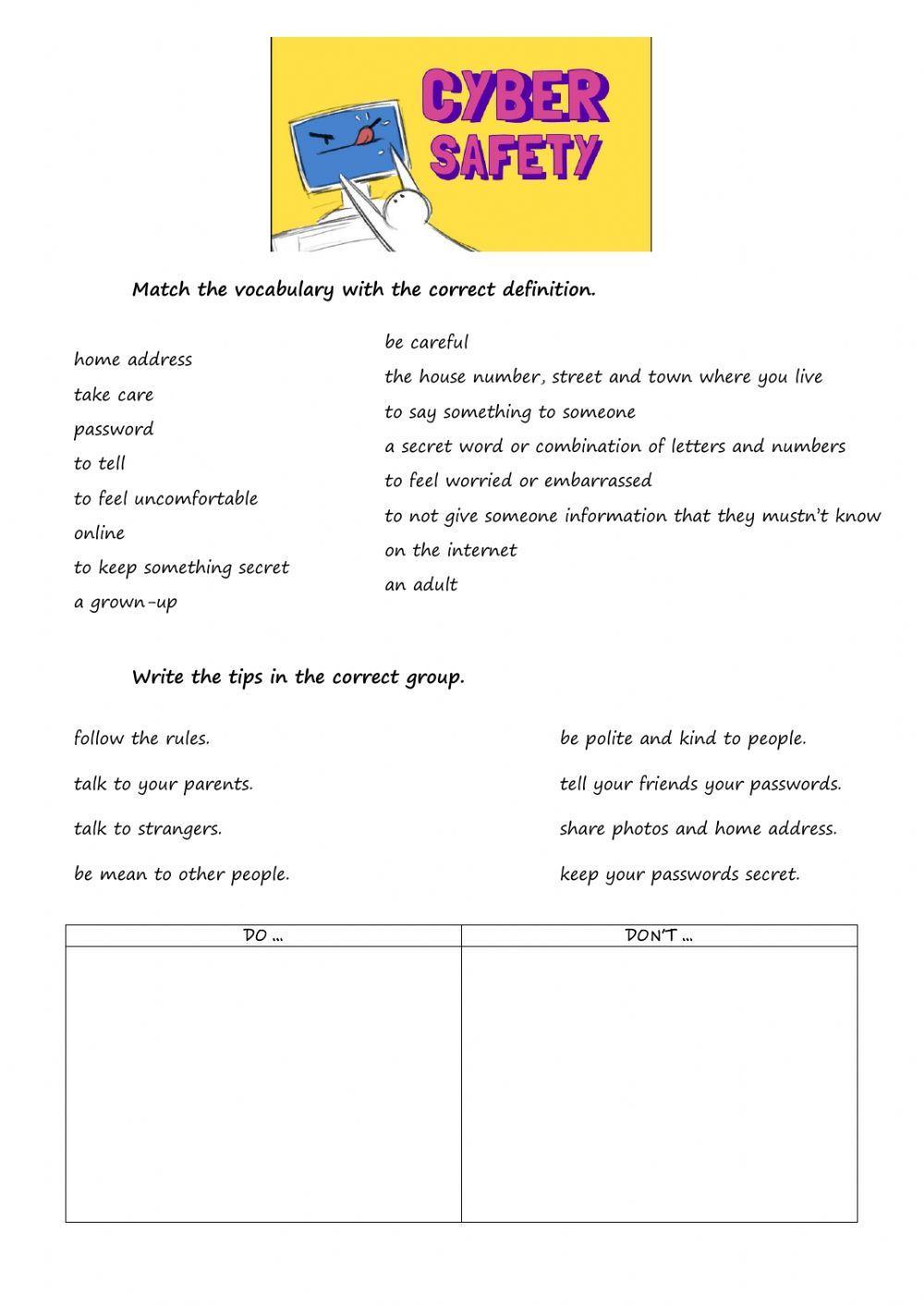
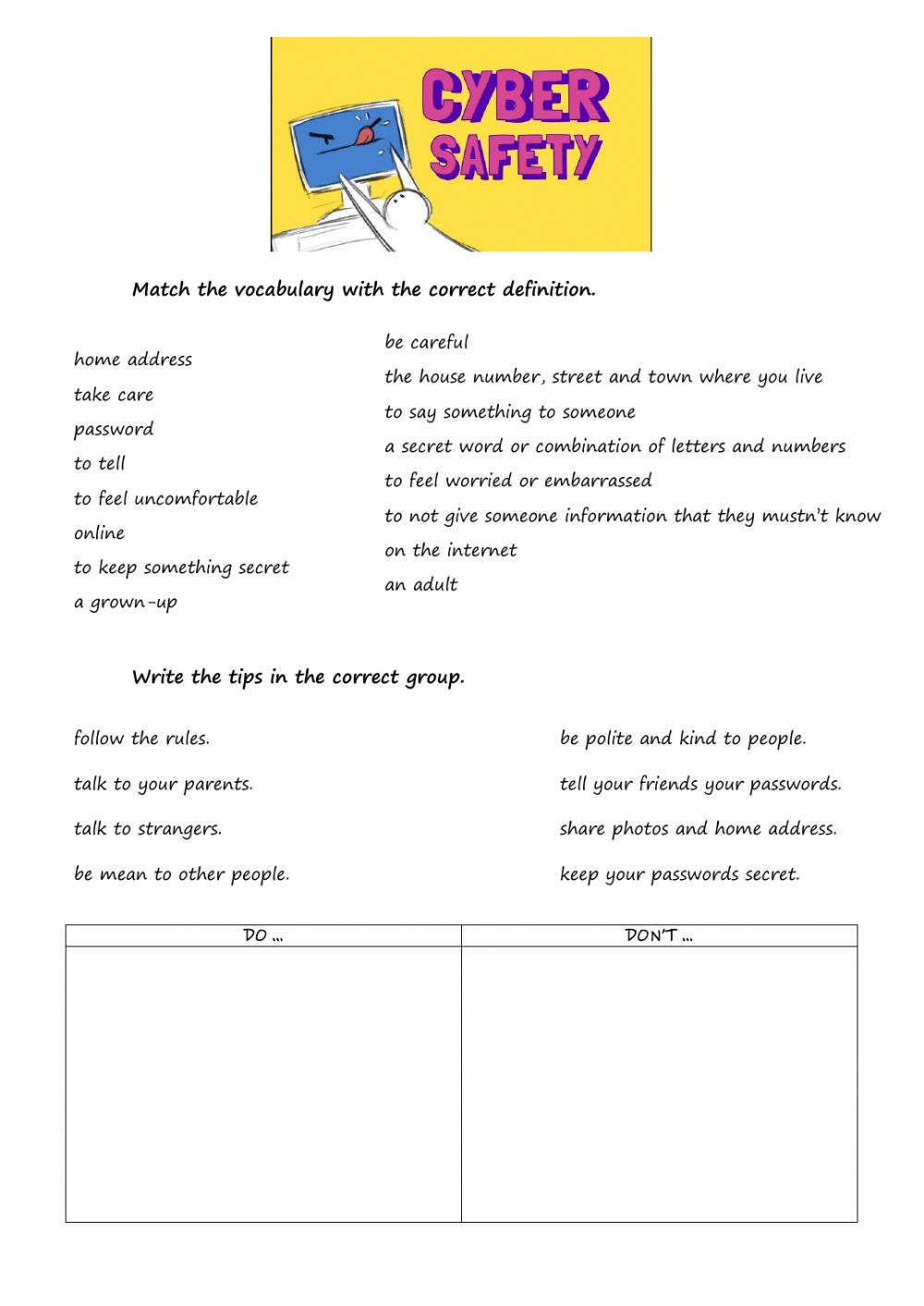
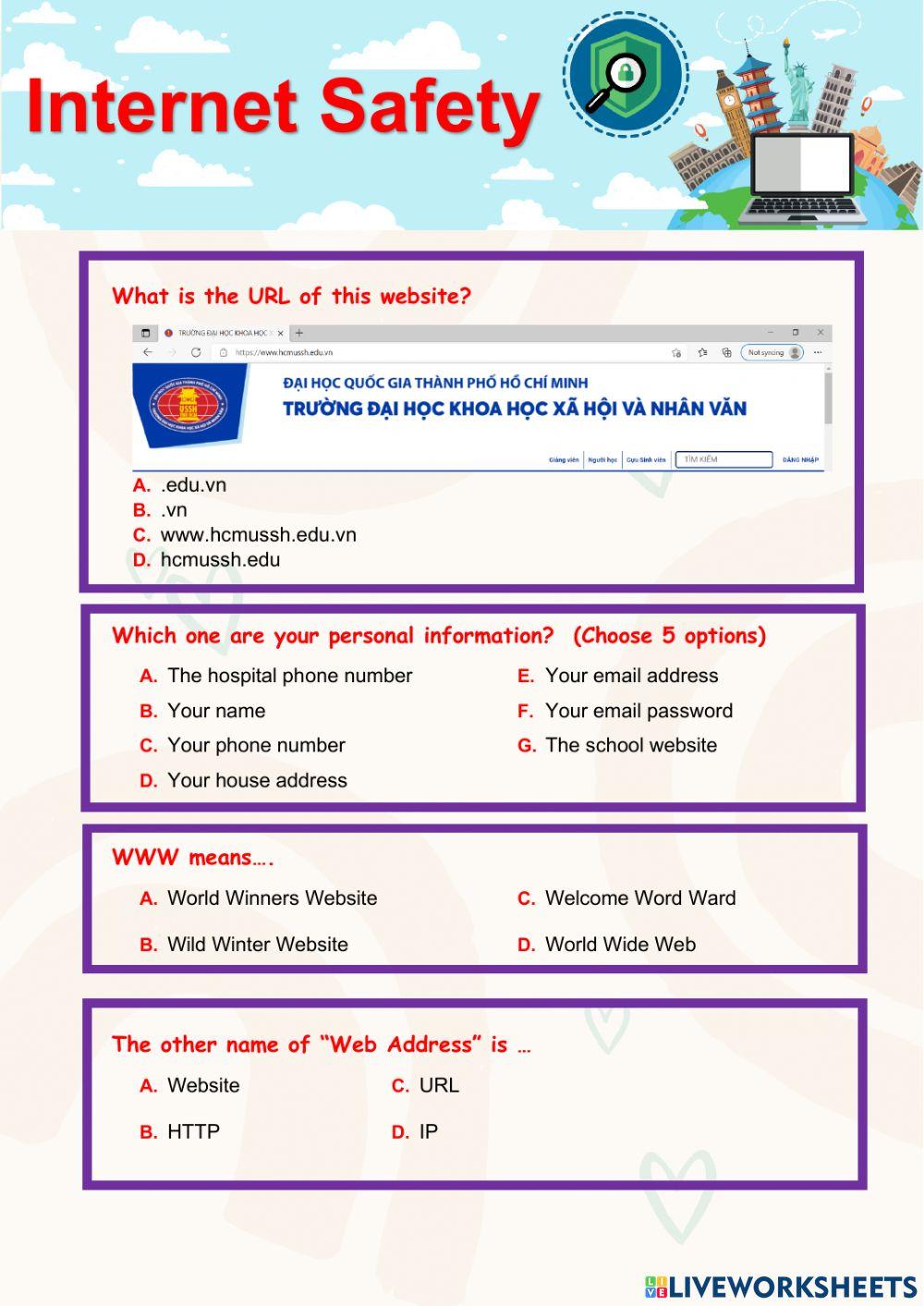
The “internet safety quiz for grade 4” meticulously covers several core internet safety topics pertinent to elementary school children. Concepts addressed include the identification of personal information that should never be shared online, understanding the importance of strong and private passwords, and recognizing the distinction between trusted adults and potentially unsafe online interactions. The worksheet also introduces basic principles of cyberbullying awareness, emphasizing kindness and the necessity of reporting any uncomfortable online experiences to a trusted adult. Furthermore, it touches upon critical thinking skills required to evaluate online content and identify reliable sources. The content aligns with recognized digital citizenship and child online protection standards, ensuring that the foundational knowledge imparted is relevant, current, and developmentally appropriate for Grade 4 learners. This comprehensive approach establishes a solid groundwork for continued digital literacy education.
Key Learning Outcomes
Completing the “internet safety quiz for grade 4” facilitates several vital learning outcomes for students.
- Identification of Personal Information: Students develop the ability to accurately identify various types of personal information (e.g., full name, address, phone number, school name) that should always be kept private online.
- Understanding Trusted Adults: Learners grasp the importance of seeking help from a trusted adult (parent, teacher, guardian) when encountering concerning or confusing online situations.
- Safe Online Interaction Recognition: Children enhance their capacity to distinguish between safe and potentially unsafe online interactions and communication practices.
- Basic Online Critical Thinking: The quiz cultivates nascent critical thinking skills, encouraging students to question the reliability of online information and interactions.
- Responsible Online Behavior Awareness: Students gain an initial understanding of what constitutes respectful and responsible conduct when engaging with others in digital spaces.
How to Use This Worksheet
The “internet safety quiz for grade 4” is designed for flexible application in various learning environments. The worksheet typically features a mix of engaging activity types, including multiple-choice questions, true or false statements, fill-in-the-blank exercises, and simple scenario-based prompts. The difficulty level is carefully calibrated for a Grade 4 comprehension, utilizing clear language and relatable examples. Instructions are scaffolded to guide learners progressively through each section, ensuring that concepts build upon one another. This resource functions effectively as a standalone activity to assess prior knowledge or consolidate recent lessons. It can also be seamlessly integrated into a broader digital citizenship curriculum, serving as a key component of a lesson plan or as a homework assignment to reinforce classroom learning at home. Its printable format makes it accessible for all students, regardless of device access, promoting equitable learning opportunities. Browse more guides on Safe Wired Schools.
Practical Tips for Parents and Teachers
Maximizing the educational impact of the “internet safety quiz for grade 4” involves thoughtful preparation and facilitation.
- Pre-Activity Discussion: Initiate a brief conversation before starting the quiz to set the context and activate prior knowledge about internet safety. Ask open-ended questions about students’ online experiences.
- Guided Facilitation: While independent completion is encouraged for Grade 4, remain available to clarify instructions or provide gentle prompts, avoiding direct answers to foster critical thinking.
- Post-Completion Review and Discussion: After the quiz, review answers as a group or individually. Use any incorrect responses as teachable moments, prompting further discussion rather than simply correcting.
- Connect to Real-World Scenarios: Encourage students to relate the quiz concepts to real-life online situations they might encounter, making the learning more tangible and relevant.
- Create a Safe Questioning Environment: Establish an atmosphere where students feel comfortable asking questions about anything online that confuses or worries them, emphasizing that no question is too small.
Age-Appropriate Recommendations
While the “internet safety quiz for grade 4” is specifically tailored for ages 9-10, its core concepts can be adapted or reinforced across a slightly broader elementary age range with appropriate guidance. For the target age group of Ages 9-10 (Grade 4), the quiz functions best as an independent activity following initial instruction. Vocabulary support is generally minimal, as the language is crafted for this developmental stage. Pacing can be self-directed, with an adult available for clarification. The focus should be on encouraging critical thought and independent problem-solving regarding online scenarios. For Ages 6-8 (Grades 1-3), this quiz might be more effectively used as a read-aloud activity with significant adult involvement. Simplifying vocabulary, providing direct examples, and focusing on basic rules like “ask a grown-up before clicking” are crucial. Activity pacing should be slower, allowing for frequent pauses and discussions. For Ages 11-12 (Grades 5-6), the quiz can serve as a rapid review or a springboard for deeper discussions on more complex digital citizenship topics. Students at this level may complete it quickly, prompting educators to use the answers as a foundation for exploring nuanced online dilemmas, ethical considerations, and the long-term impact of digital choices. The level of parental or teacher involvement for these older students can shift from direct guidance to facilitating peer discussion and advanced critical analysis.
Frequently Asked Questions
Q: How can the “internet safety quiz for grade 4” be accessed?
A: This valuable educational resource is available for free download directly from the SafeWiredSchools.org website. It can typically be found within the dedicated “Worksheets” or “Resources” section, ready for printing.
Q: Is the quiz suitable for children outside of Grade 4?
A: While specifically designed for Grade 4, the quiz can be effectively adapted. Younger learners (Grades 1-3) can benefit with increased adult guidance and vocabulary support, while older students (Grades 5-6) can use it for quick review or as a discussion starter for more advanced topics.
Q: What makes this quiz an effective learning tool for internet safety?
A: The quiz promotes active learning through its engaging question formats, reinforcing essential internet safety concepts in a memorable way. It encourages critical thinking about common online scenarios, helping students develop practical decision-making skills for digital environments.
Explore More Free Printable Worksheets
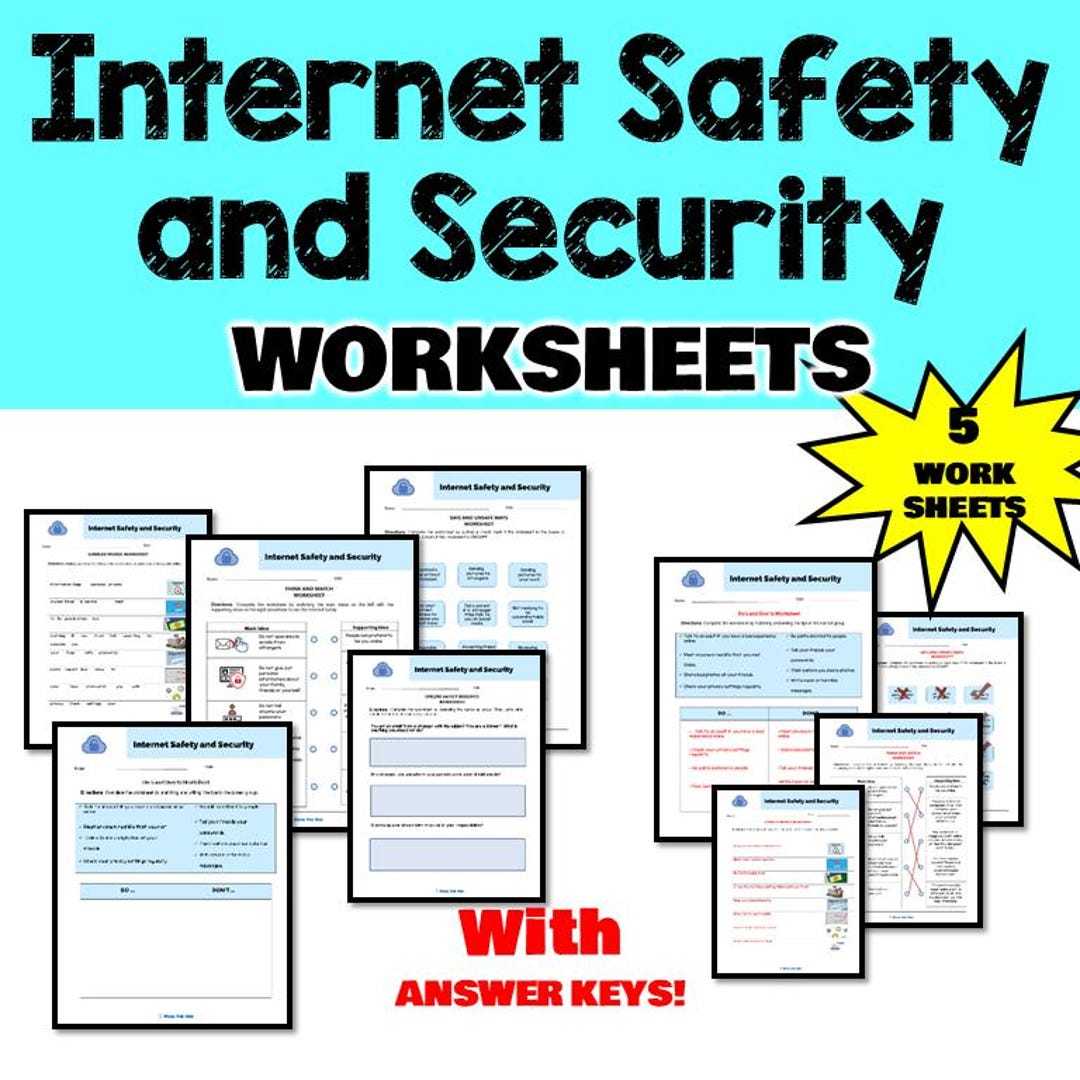
A single worksheet, while impactful, serves its purpose best as part of a consistent and comprehensive digital safety learning routine. Establishing robust digital literacy requires ongoing engagement with various educational tools. Educators and parents are invited to explore a full collection of free printable internet safety worksheets, activity sheets, checklists, quizzes, and more. These resources, available at SafeWiredSchools.org Worksheets, cover every internet safety topic imaginable. Each resource is carefully designed for every grade level and learning environment, ensuring that children receive continuous, age-appropriate instruction to navigate the digital world safely and responsibly.
Developmental Milestone & Activity Table
| Development Stage | Recommended Daily Duration | Primary Learning Objective |
|---|---|---|
| Preschool & Pre-K | 10 – 15 Minutes | Pencil grip development & basic pre-stroke lines |
| Kindergarten | 15 – 20 Minutes | Letter/number formation & spatial line awareness |
| Early Elementary (Grade 1–2) | 20 – 30 Minutes | Fluency, sentence construction & neatness |
Images References