Introduction
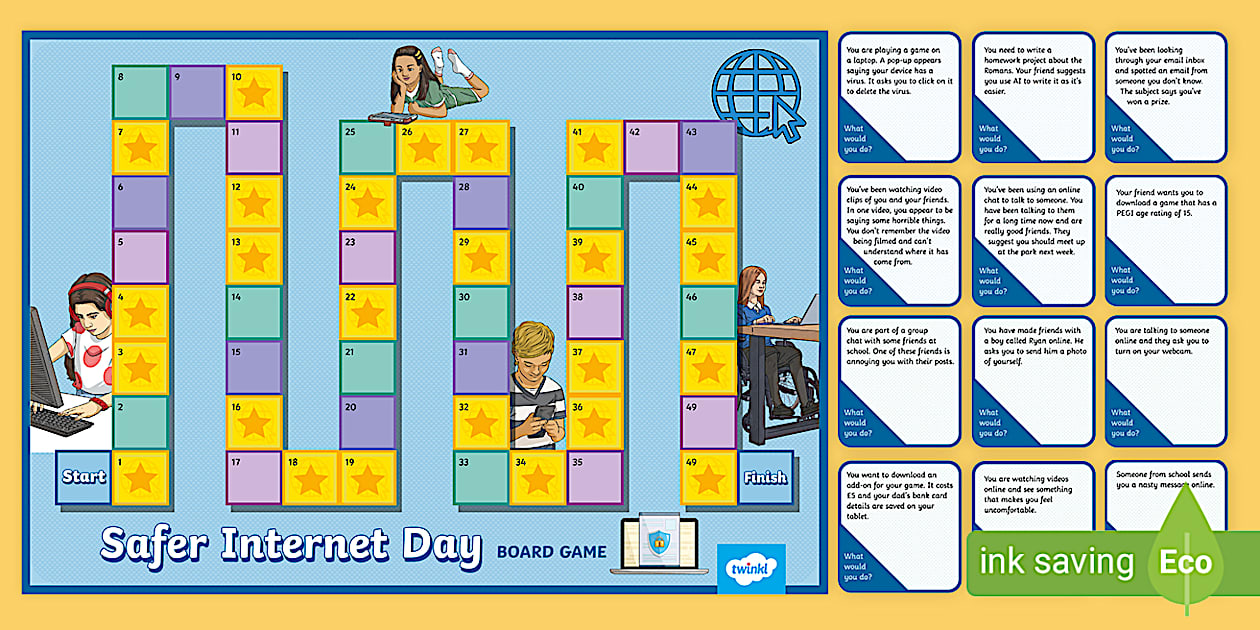
Internet safety online games provide interactive, gamified simulations that teach students crucial digital citizenship skills, such as recognizing phishing attempts and managing online reputations, within controlled school environments. According to the Family Online Safety Institute (FOSI), equipping minors with practical digital resilience through experiential learning significantly reduces online vulnerabilities. Educational institutions increasingly deploy these simulated exercises to reinforce Internet and Digital Safety protocols without relying on monotonous lectures. Educators, school administrators, and parents must understand how gamified platforms bridge the gap between theoretical rules and everyday online behavior.
Digital Safety Snapshot:
- Core Focus: Gamified simulations for teaching safe online habits and digital citizenship.
- Target Scope: Middle school classrooms, computer labs, and supervised home device usage.
- Key Recommendation: Integrate interactive safety scenarios directly into regular instructional technology curricula.
Core Principles and Detailed Overview
Internet safety online games transform abstract cybersecurity concepts into engaging challenges where students make high-stakes decisions and immediately witness the digital consequences. These virtual environments address key educational domains, including school internet safety, student digital footprint management, cyberbullying prevention, device hygiene, and classroom screen balance. By experiencing simulated data breaches, targeted harassment, or accidental over-sharing in a zero-risk sandbox, students internalize defensive habits. Such experiential learning strengthens critical thinking, ensuring that children recognize manipulative tactics long before encountering them on live social platforms or multiplayer gaming servers.
Key Specifications and Breakdown
| Safety Pillar | Digital Risk Factor | Actionable Protective Habit |
|---|---|---|
| Digital Footprint | Permanent archiving of careless posts | Evaluate public permanence before publishing any text or image. |
| Cyberbullying Prevention | Anonymous harassment in game chats | Utilize block features and report abusive behavior immediately. |
| Device Hygiene | Malware downloads via unverified mods | Restrict file downloads to approved institutional repositories. |
Interactive simulations successfully bridge the gap between theoretical policy compliance and practical online decision-making among adolescent students. — ConnectSafely Research
Step-by-Step Practical Application and Guidelines
Deploying internet safety online games effectively requires aligning specific simulation modules with standard educational curricula and clearly defining post-game reflection sessions. First, educators should audit available interactive platforms to ensure age-appropriate pacing and alignment with institutional acceptable use policies. Second, teachers must allocate dedicated debriefing time following gameplay to discuss why specific virtual choices led to positive or negative outcomes. Third, administrators should pair these digital activities with supplementary offline learning tools found within structured Worksheets to reinforce comprehension. Finally, schools need to establish monitoring practices that maintain healthy screen balance, ensuring digital literacy efforts do not translate into excessive sedentary device consumption.
Common Challenges and How to Avoid Them
Treating interactive safety games as mere entertainment rather than rigorous instructional material represents the most frequent pitfall educators encounter during implementation. When students rush through simulations simply to complete a task, the intended cognitive lessons regarding password strength, privacy settings, and peer interaction fail to resonate. To prevent this shallow engagement, instructors must grade participation based on thoughtful reflection rather than speed. Furthermore, schools should avoid fragmented deployments by continuously connecting gameplay lessons to broader discussions on digital citizenship, reinforcing that secure online habits apply universally across all connected devices.
💬 Frequently Asked Questions
Explore More Kids Safety and Digital Citizenship Guides on SafeWiredSchools
Empowering students to navigate connected environments safely requires comprehensive, ongoing educational resources tailored for educators, administrators, and families. Discover additional expert-backed strategies, creative learning modules, and printable assets by browsing the complete digital archive available through Safe Wired Schools. For younger audiences, supplement technical lessons with creative resources such as educational Coloring Pages to build foundational awareness early.
Visual Reference Gallery