Introduction
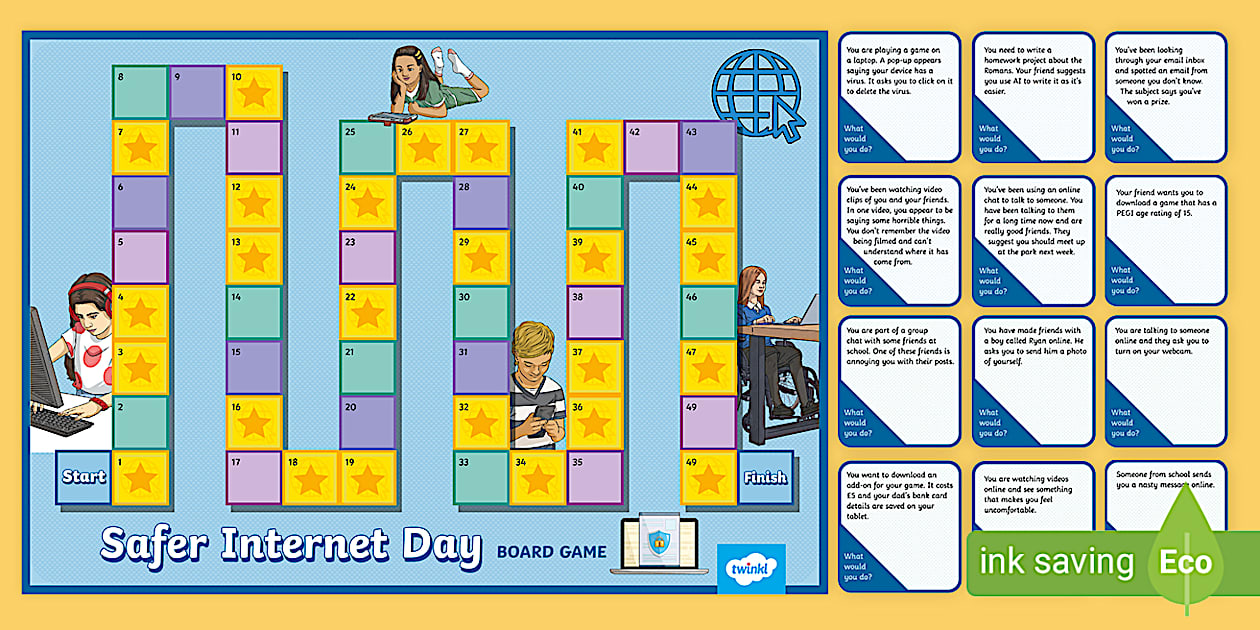
Internet safety online games for kids serve as interactive, simulation-based educational tools designed to teach students essential cybersecurity, digital citizenship, and online privacy habits through experiential play. According to the Federal Trade Commission (FTC Consumer Advice), teaching minors safe online behaviors early through engaging digital experiences significantly reduces vulnerability to online fraud, identity theft, and malicious grooming. Educators, school administrators, and parents increasingly rely on gamified learning modules to address complex digital threats such as cyberbullying prevention, digital footprint management, and secure device hygiene. Integrating these digital exercises into school curricula fosters critical thinking, enabling students to recognize phishing attempts, manage personal data privacy, and maintain healthy classroom screen balance without relying on fear-based instruction. Comprehensive guidelines on structuring these lessons are frequently updated within the Internet and Digital Safety hub.
Digital Safety Snapshot:
- Core Focus: Gamified simulations building practical online defense habits for students.
- Target Scope: Classroom settings, middle school programs, and home environments.
- Key Recommendation: Pair interactive gameplay with facilitated reflective discussions to reinforce learning objectives.
Core Principles and Detailed Overview
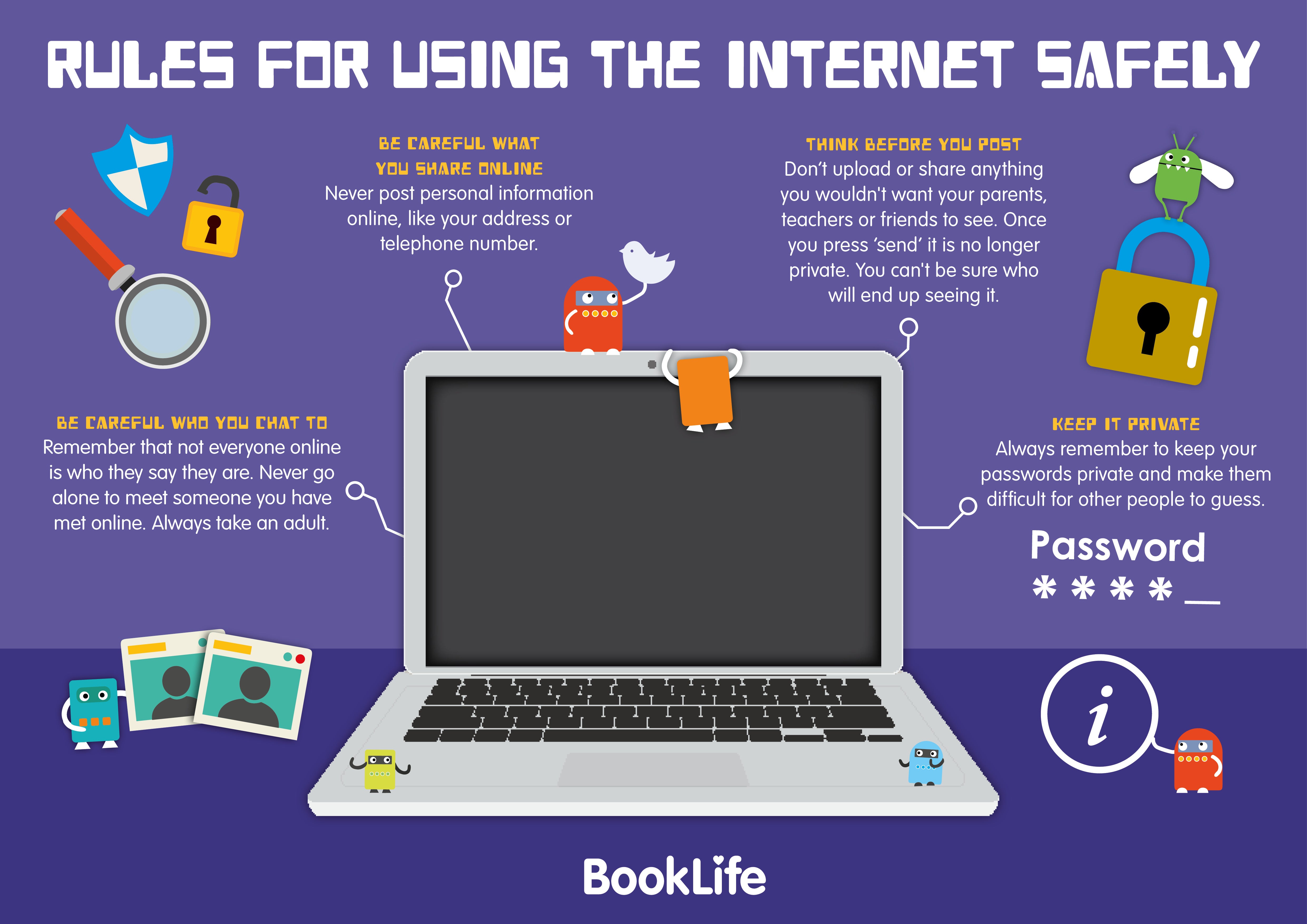
Internet safety online games for kids transform abstract cybersecurity concepts into tangible challenges where students navigate realistic online scenarios, password creation, and peer interaction. Direct engagement helps young learners understand the permanence of their digital footprint, illustrating how innocuous social media posts, shared gaming coordinates, or careless profile visibility can impact future academic and personal opportunities. Furthermore, structured gameplay provides a safe laboratory environment for cyberbullying prevention, allowing students to practice empathy, bystander intervention, and proper incident reporting without real-world social fallout. By emphasizing device hygiene—such as recognizing suspicious links, updating software, and logging out of shared terminals—these platforms build foundational technical competencies necessary for modern digital citizens.
Key Specifications and Breakdown
| Safety Pillar | Digital Risk Factor | Actionable Protective Habit |
|---|---|---|
| Data Privacy | Accidental sharing of personally identifiable information (PII). | Utilize pseudonyms and strict privacy settings across all gaming profiles. |
| Peer Interaction | Cyberbullying and toxic in-game communication channels. | Block malicious users immediately and report harassment to platform moderators. |
| Device Hygiene | Malware-laced downloads and credential theft via phishing. | Verify download sources and implement multi-factor authentication everywhere. |
Interactive simulations increase information retention by leveraging experiential learning frameworks that bridge theoretical risk with practical digital decision-making. — ConnectSafely Research
Step-by-Step Practical Application and Guidelines
Implementing internet safety online games for kids requires a structured pedagogical approach that balances autonomous play with guided classroom instruction. Educators and parents should first evaluate software for age-appropriateness, ensuring alignment with institutional compliance standards and digital citizenship frameworks found in resources like Online and Digital Safety. Following selection, adults must introduce the game’s objective, supervise initial gameplay sessions to answer clarifying questions, and debrief after completion through targeted discussion prompts. This methodology ensures that students connect virtual scenarios to real-world device usage, reinforcing positive habits regarding password strength, screen time regulation, and respectful digital communication.
Common Challenges and How to Avoid Them
Unmonitored gameplay often leads to unintended risks, including exposure to unmoderated chat rooms, in-game microtransactions, and distraction from primary educational objectives. Schools and households can avoid these pitfalls by enforcing strict network firewall rules, disabling public voice chat features on student devices, and establishing clear boundaries regarding classroom screen balance. Educators must actively monitor student engagement to prevent game fatigue and ensure that students perceive digital safety as a dynamic life skill rather than a punitive compliance test. Additional printable resources and offline assessment tools can be accessed via Worksheets to complement digital gaming modules.
💬 Frequently Asked Questions
Explore More Kids Safety and Digital Citizenship Guides on SafeWiredSchools
Comprehensive digital citizenship curricula require continuous access to vetted resources, expert insights, and practical teaching aids tailored for modern educational environments. Educators and administrators can expand their safety frameworks by visiting Safe Wired Schools to discover extensive guides dedicated to protecting students across all digital touchpoints.
Visual Reference Gallery