Introduction
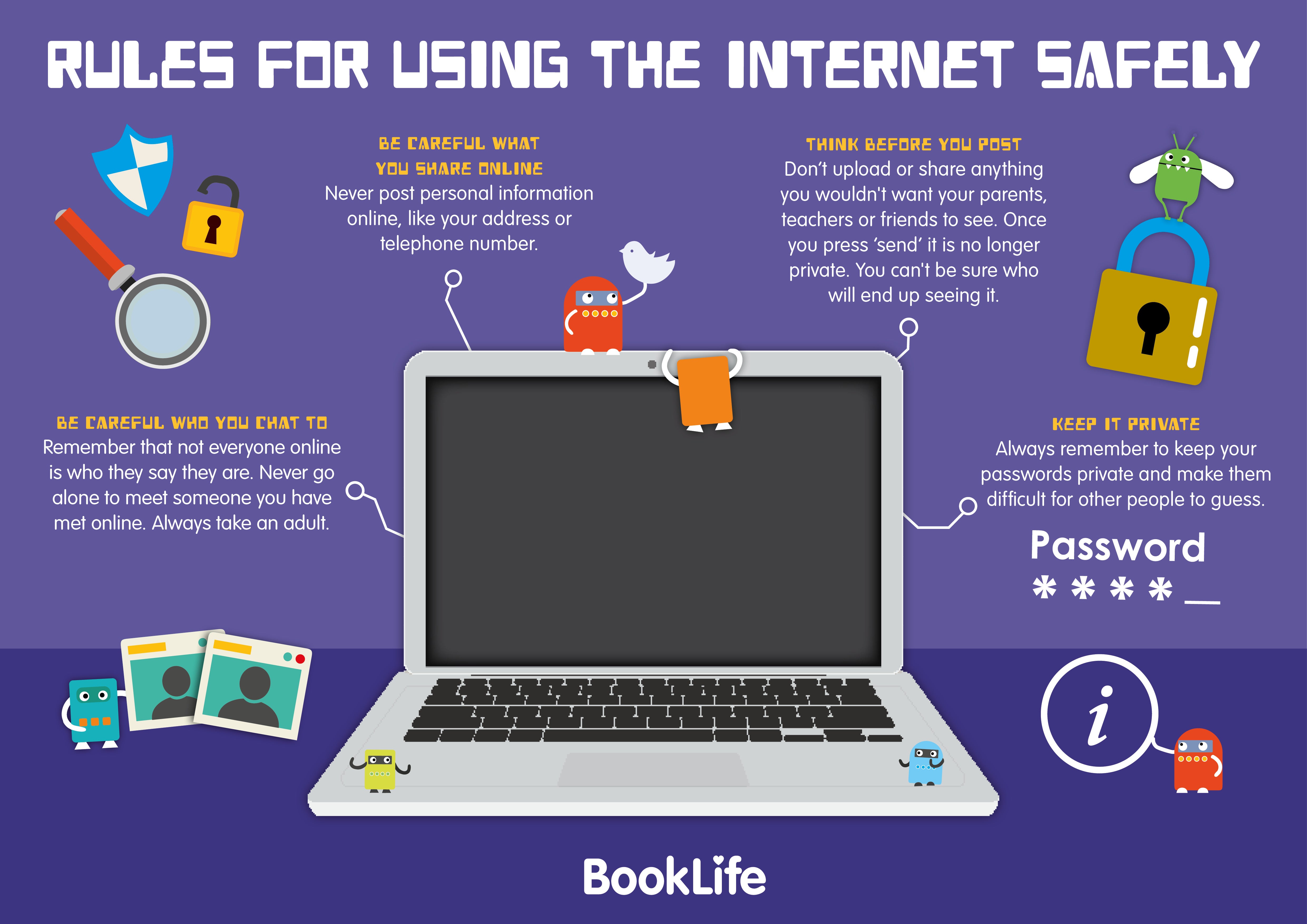
Internet safety and digital citizenship represent the combined protocols, ethical responsibilities, and behavioral guidelines required to navigate online environments safely, respectfully, and securely. According to Family Online Safety Institute (FOSI) guidance, empowering students with comprehensive digital literacy safeguards young users from emerging online threats while fostering positive digital communities. Educational institutions, parents, and communities share a critical obligation to establish clear boundaries regarding school internet safety, student digital footprint management, cyberbullying prevention, proper device hygiene, and classroom screen balance.
Digital Safety Snapshot:
- Core Focus: Synthesizing technical safety protocols with ethical online behavior for students.
- Target Scope: Middle school classrooms, home study environments, and institutional digital networks.
- Key Recommendation: Implement continuous digital citizenship education paired with strict password hygiene.
Core Principles and Detailed Overview
School internet safety and digital citizenship operate on foundational pillars that protect institutional networks and individual student identities. A comprehensive framework addresses the permanent nature of the student digital footprint, emphasizing that online actions persist indefinitely and impact future academic or professional prospects. Furthermore, active cyberbullying prevention strategies must be integrated into daily instruction to teach empathy, bystander intervention, and formal reporting procedures. Device hygiene routines—including regular software updates, secure logouts, and hardware maintenance—prevent unauthorized access. Finally, maintaining intentional classroom screen balance prevents digital fatigue, ensuring technology enhances rather than dominates the educational experience. Educational stakeholders can review advanced Internet and Digital Safety strategies to reinforce these institutional protection policies.
Key Specifications and Breakdown
| Safety Pillar | Digital Risk Factor | Actionable Protective Habit |
|---|---|---|
| Digital Footprint | Permanent storage of inappropriate text or media | Think critically before posting and audit privacy settings regularly. |
| Cyberbullying Prevention | Online harassment, exclusion, and targeted peer cruelty | Document incidents immediately, block perpetrators, and report to authorities. |
| Device Hygiene | Malware exposure, credential theft, and hardware damage | Practice secure password management and log out of shared school terminals. |
Digital citizenship and internet safety education must prioritize proactive behavioral guidance alongside technical network firewalls to ensure long-term student protection — Cybersecurity & Infrastructure Security Agency (CISA)
Step-by-Step Practical Application and Guidelines
Implementing robust digital safety protocols requires a structured, multi-phase approach across school districts and households. Educators and parents must first establish explicit behavioral expectations for school-issued devices, detailing acceptable use policies and consequences for violations. Next, routine device maintenance schedules must be enforced, teaching students how to update operating systems, secure personal accounts with multi-factor authentication, and recognize phishing attempts. Schools should continuously integrate interactive Online and Digital Safety curricula into core subjects to keep students informed about evolving online threats. Finally, regular check-ins regarding screen balance and digital well-being help middle school students develop healthy self-regulation skills for managing technology use.
Common Challenges and How to Avoid Them
Neglecting proactive digital citizenship education often leads to preventable security breaches, reputational damage, and unchecked peer harassment within school environments. A frequent pitfall involves treating internet safety as a single annual presentation rather than an ongoing, integrated curriculum topic. Administrators and educators must also avoid viewing screen time solely through a punitive lens, instead focusing on digital balance and positive online engagement. Establishing transparent communication channels between students, teachers, and parents ensures that emerging online risks are identified and resolved before escalating into severe disciplinary or safety crises. Educators seeking complementary instructional resources can utilize specialized Worksheets designed to reinforce responsible technology habits.
💬 Frequently Asked Questions
Explore More Kids Safety and Digital Citizenship Guides on SafeWiredSchools
Promoting a secure and responsible digital culture requires continuous access to reliable educational tools, actionable policy frameworks, and expert guidance. Stakeholders seeking further insights into protecting young digital learners can explore the comprehensive library available at Safe Wired Schools to build safer, more resilient connected communities.
Visual Reference Gallery