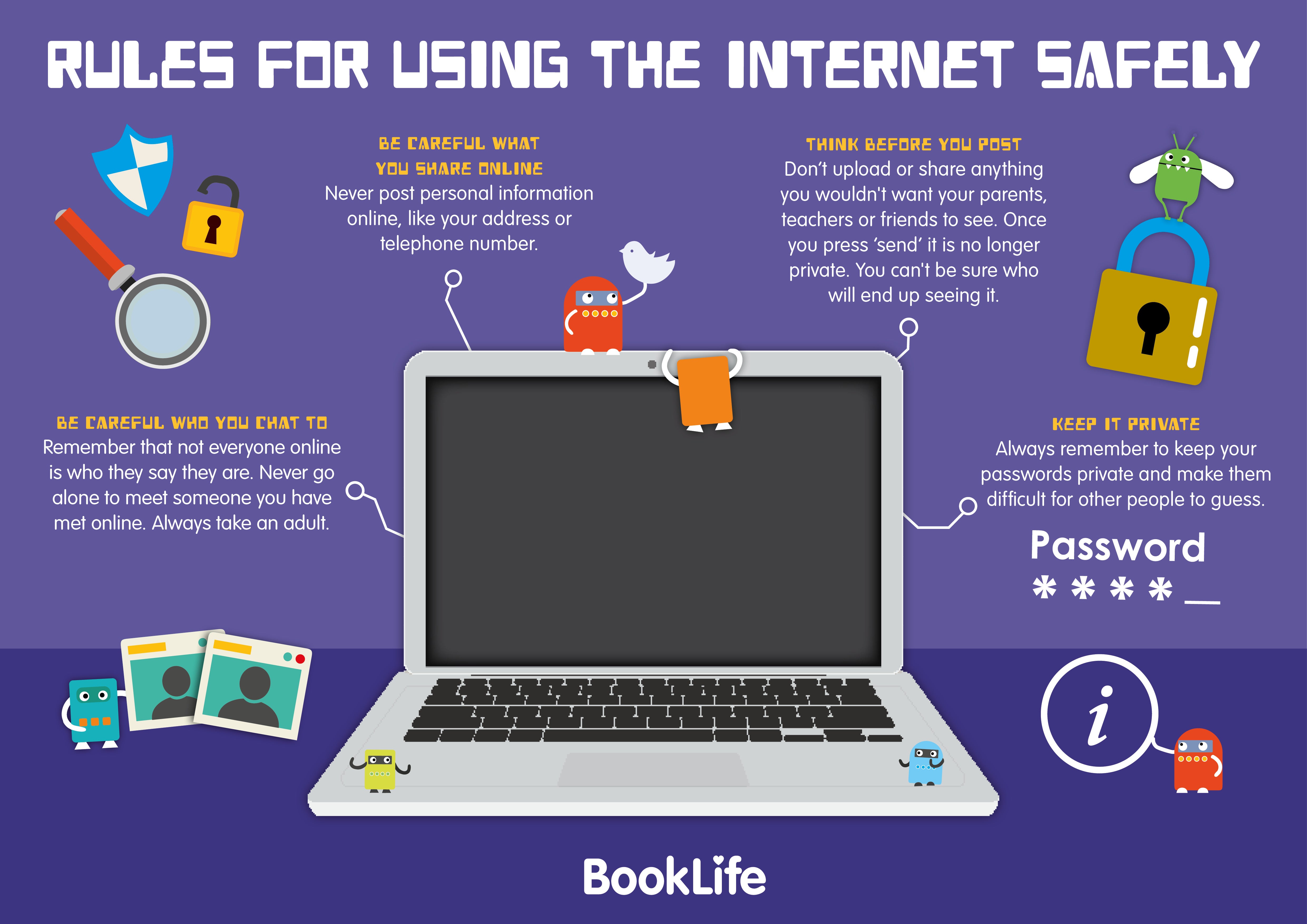
Introduction
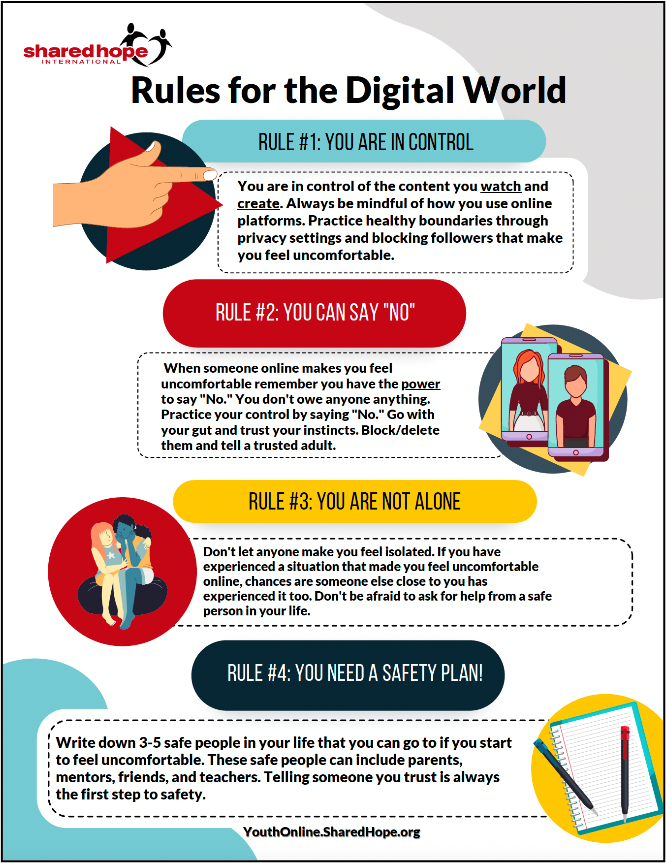
Digital safety rules are structured governance frameworks and behavioral guidelines designed to protect students from online threats, data theft, and inappropriate content during educational activities. According to ConnectSafely, establishing clear boundaries around digital engagement is essential for fostering healthy online habits and resilient digital citizenship within modern educational ecosystems. Educational institutions, instructors, and parents must collaboratively enforce these safety protocols to protect vulnerable minors navigating complex virtual environments. Implementing standardized precautions mitigates external risks such as malware infections, phishing campaigns, and targeted online harassment across shared school networks. Emphasizing proactive defense strategies transforms connected classrooms into secure spaces optimized for academic productivity and safe digital exploration. For supplemental educational materials, educators can utilize Worksheets designed to reinforce responsible technology habits. Building resilient cybersecurity awareness requires consistent alignment between institutional policies, classroom management, and parental supervision.
Digital Safety Snapshot:
- Core Focus: Standardized operational guidelines preventing online threats and identity compromise in schools.
- Target Scope: Middle school students, educators, school administrators, and residential parents.
- Key Recommendation: Mandate multi-factor authentication and strict data privacy protocols on all institutional devices.
Core Principles and Detailed Overview
Comprehensive school internet safety demands a multi-layered defensive strategy encompassing strict device hygiene, permanent digital footprint management, and active cyberbullying prevention. The foundational framework relies heavily on maintaining secure credentials, minimizing personal data exposure, and upholding respectful online communication standards across all platforms. Educational communities mitigate unauthorized access by enforcing strict access control lists, deploying robust network firewalls, and conducting regular vulnerability assessments on hardware deployed to minors. Furthermore, maintaining classroom screen balance ensures students alternate between immersive digital instruction and offline critical thinking exercises, reducing cognitive fatigue and digital dependency. Integrating structured safety principles into daily academic routines equips adolescents with the analytical tools needed to recognize malicious online behavior independently. Instructors seeking creative ways to teach these concepts can incorporate interactive Coloring Pages that visually reinforce cybersecurity fundamentals for younger learners.
Key Specifications and Breakdown
| Safety Pillar | Digital Risk Factor | Actionable Protective Habit |
|---|---|---|
| Digital Footprint | Permanent exposure of personal data | Audit privacy settings and restrict public profile indexing. |
| Cyberbullying Defense | Harassment and malicious peer communication | Document digital evidence and report abusive behavior immediately. |
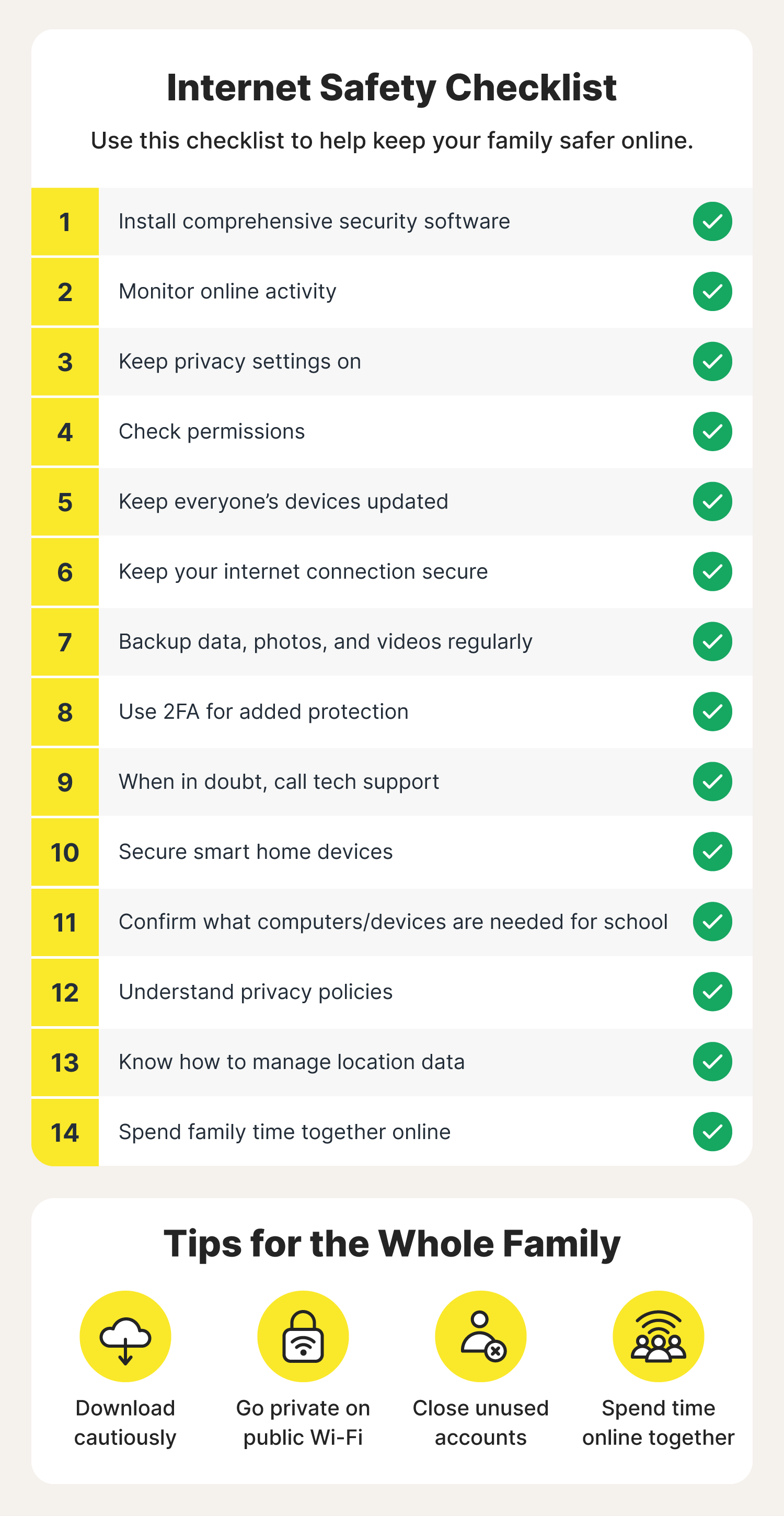
| Device Hygiene | Malware injection and credential theft | Update operating systems regularly and utilize strong passwords. |
Proactive digital citizenship education significantly reduces cybersecurity incidents and online peer harassment in middle school environments. — Cybersecurity & Infrastructure Security Agency (CISA)
Step-by-Step Practical Application and Guidelines
Enforcing digital safety rules requires a methodical implementation process that integrates technical safeguards with continuous behavioral instruction. First, administrators must configure network-level content filters to block malicious domains, inappropriate media, and unverified external communication channels on all school-issued hardware. Second, educators should establish transparent classroom protocols regarding device usage, defining exact parameters for acceptable browser activity and independent research tasks. Third, parents must mirror these behavioral standards at home by monitoring screen time allocations and establishing open dialogue regarding online interactions. Fourth, schools need to implement formal reporting mechanisms that allow students to report suspicious communications anonymously without fear of punitive retaliation. Finally, continuous evaluation of student engagement metrics ensures that digital safety policies adapt dynamically to emerging technological threats and evolving software applications. Thorough exploration of broader safety standards is available through resources covering Internet and Digital Safety.
Common Challenges and How to Avoid Them
Overcoming inconsistent policy enforcement and student circumvention of network filters represents a primary obstacle in maintaining effective school digital safety programs. Educational institutions frequently encounter hurdles when students utilize unauthorized virtual private networks or personal mobile data hotspots to bypass institutional firewalls. Addressing this vulnerability requires comprehensive endpoint management software that locks down device configurations and restricts unauthorized application installation. Another frequent challenge involves student complacency regarding password sharing and social media oversaturation, which directly compromises personal privacy and institutional data integrity. Regular administrative audits, mandatory digital citizenship workshops, and proactive parental engagement effectively neutralize these vulnerabilities before security breaches occur. For deeper insight into protective strategies, stakeholders can reference specialized articles focusing on Online and Digital Safety.
💬 Frequently Asked Questions
Explore More Kids Safety and Digital Citizenship Guides on SafeWiredSchools
Safeguarding young digital citizens requires ongoing education, rigorous institutional policies, and collaborative vigilance across every educational layer. Stakeholders are encouraged to utilize the comprehensive repository of safety tools, instructional frameworks, and expert guidance available directly at Safe Wired Schools to build secure virtual environments for all students.
Visual Reference Gallery