
Why Visual Learning Guides Drive Better Online Habits
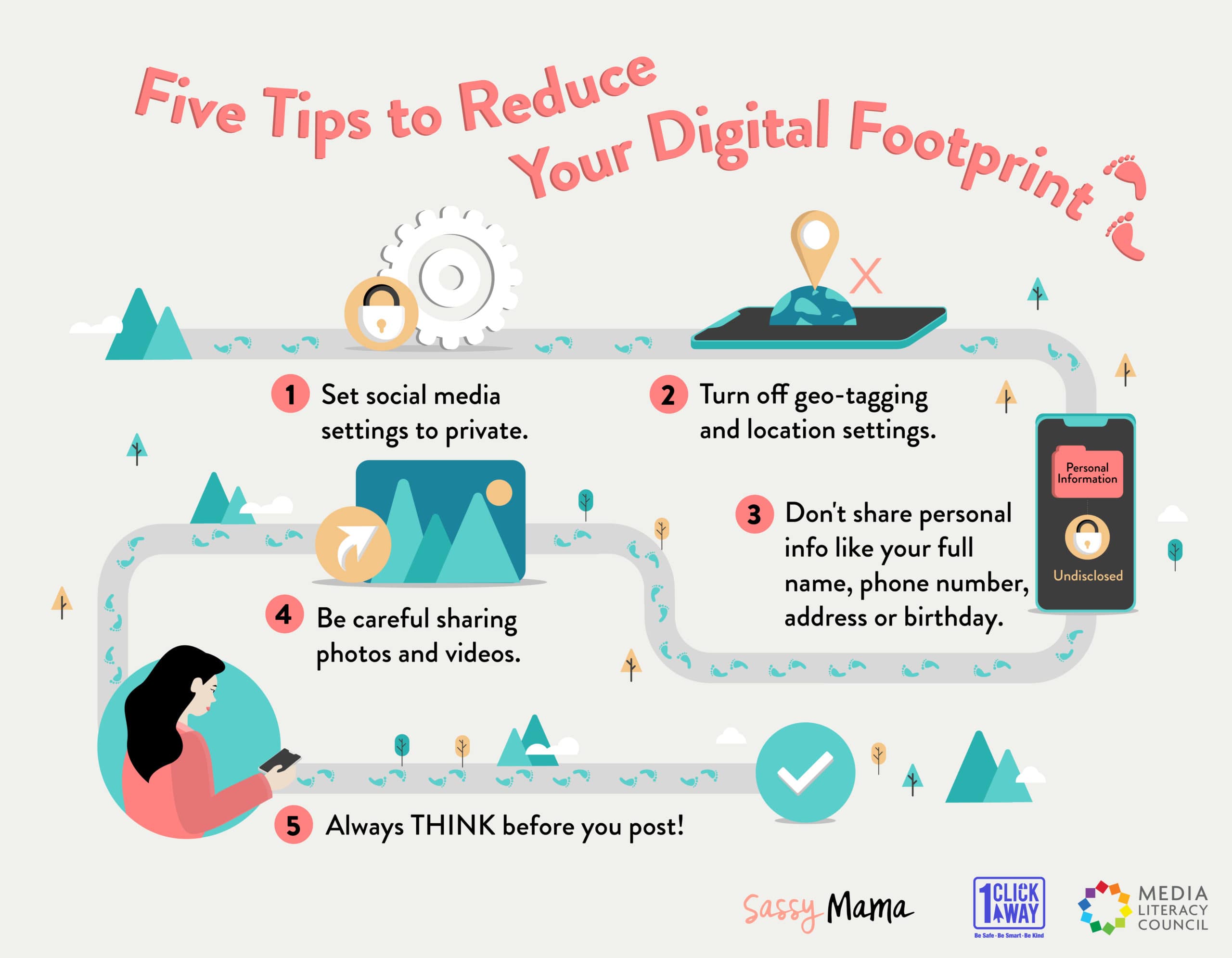
When teaching children how to navigate the web safely, dense walls of text rarely stick. Translating complex cybersecurity rules into an infographic for digital safety for kids creates an accessible, visual reference point that resonates with both young learners and teens. Organizations like ConnectSafely and the Cybersecurity and Infrastructure Security Agency emphasize that simple, graphic-based reminders help students retain essential online boundaries. By displaying clear visual cues in classrooms and living rooms, educators and parents bridge the gap between abstract internet safety concepts and everyday device usage. Related guide: 5 Cyber Safety Tips Symbols That Can Be Read By The Grede 7 Students.
💡 Educational Key Takeaways:
- Core Skill: Structured Infographic For Digital Safety For Kids focused on developing pencil grip, stroke control, and early literacy/math confidence.
- Target Scope: Suited for homeschoolers, preschool, kindergarten, and elementary learners.
- Best Recommendation: Practice 10–15 minutes daily with ergonomic writing tools to reinforce muscle memory without hand fatigue.
Spotting Digital Risks Across Home and School Environments
Children frequently switch between school-issued devices and personal tablets, exposing them to varying levels of digital exposure. Recognizing early risk signals allows adults to intervene before minor mistakes escalate into severe privacy breaches or cyberbullying incidents. The following breakdown maps common vulnerabilities across different environments to corresponding preventive guardrails.
| Setting / Context | Common Vulnerability | Practical Safeguard |
|---|---|---|
| Home Personal Devices | Over-sharing personal details in public multiplayer chat forums. | Establish strict profile privacy settings and verify nickname usage. |
| School Chromebooks | Bypassing web content filters or accessing unauthorized browser extensions. | Collaborate with IT staff to lock down extension installations and review device logs. |
| Messaging Apps | Interacting with unknown contacts or accepting suspicious direct messages. | Teach the rule of thumb to block, ignore, and report unknown accounts immediately. |
Core Rules and Daily Habits for Home and Classroom
Establishing consistent safety protocols requires a collaborative approach between teachers and families. A well-designed infographic for digital safety for kids serves as a daily prompt for establishing healthy tech routines. Start by implementing a centralized charging station outside of bedrooms overnight to promote healthy sleep hygiene and eliminate late-night scrolling. Encourage students to utilize unique passwords and enable two-factor authentication wherever possible. When mistakes happen, schools should maintain a supportive reporting workflow that encourages kids to speak up without fear of losing their device privileges entirely. Pair these digital practices with hands-on activities found in our Worksheets collection to reinforce critical thinking skills.
Managing Student Pushback and Common Tech Workarounds
Even with clear visual reminders, tech-savvy children often seek out workarounds, such as using proxy sites or deleting browser history to bypass filters. Overly restrictive bans frequently backfire by driving secret online behavior underground. Instead of relying solely on heavy-handed blocks, pair technical controls with transparent conversations about why specific guardrails exist. When students understand that security settings protect their personal data and mental well-being, they are far more likely to cooperate and communicate openly when they encounter disturbing content online.
Frequently Asked Questions About Visual Safety Guides
What age group benefits most from visual safety guides?
Visual aids work exceptionally well for elementary and middle school students who process information quickly through iconography, colors, and short bullet points. However, older teens also benefit when infographics focus on nuanced topics like digital footprints and privacy settings.
How can teachers incorporate these guides into lesson plans?
Educators can project safety graphics during homeroom discussions, print them out for interactive notebook inserts, or pair them with our Internet and Digital Safety modules for a comprehensive digital citizenship unit.
Where should safety infographics be displayed at home?
Place printed guides in high-traffic common areas like the kitchen or near home charging stations where families gather, keeping internet safety conversations natural and visible.
Empowering Students Through Ongoing Digital Citizenship
Building a resilient digital community takes consistent effort, open dialogue, and the right educational tools. To explore additional ways to reinforce these vital lessons in your classroom or living room, browse our creative resources like Coloring Pages or visit the homepage at SafeWiredSchools.org for more expert guidance.
Visual Reference Gallery



