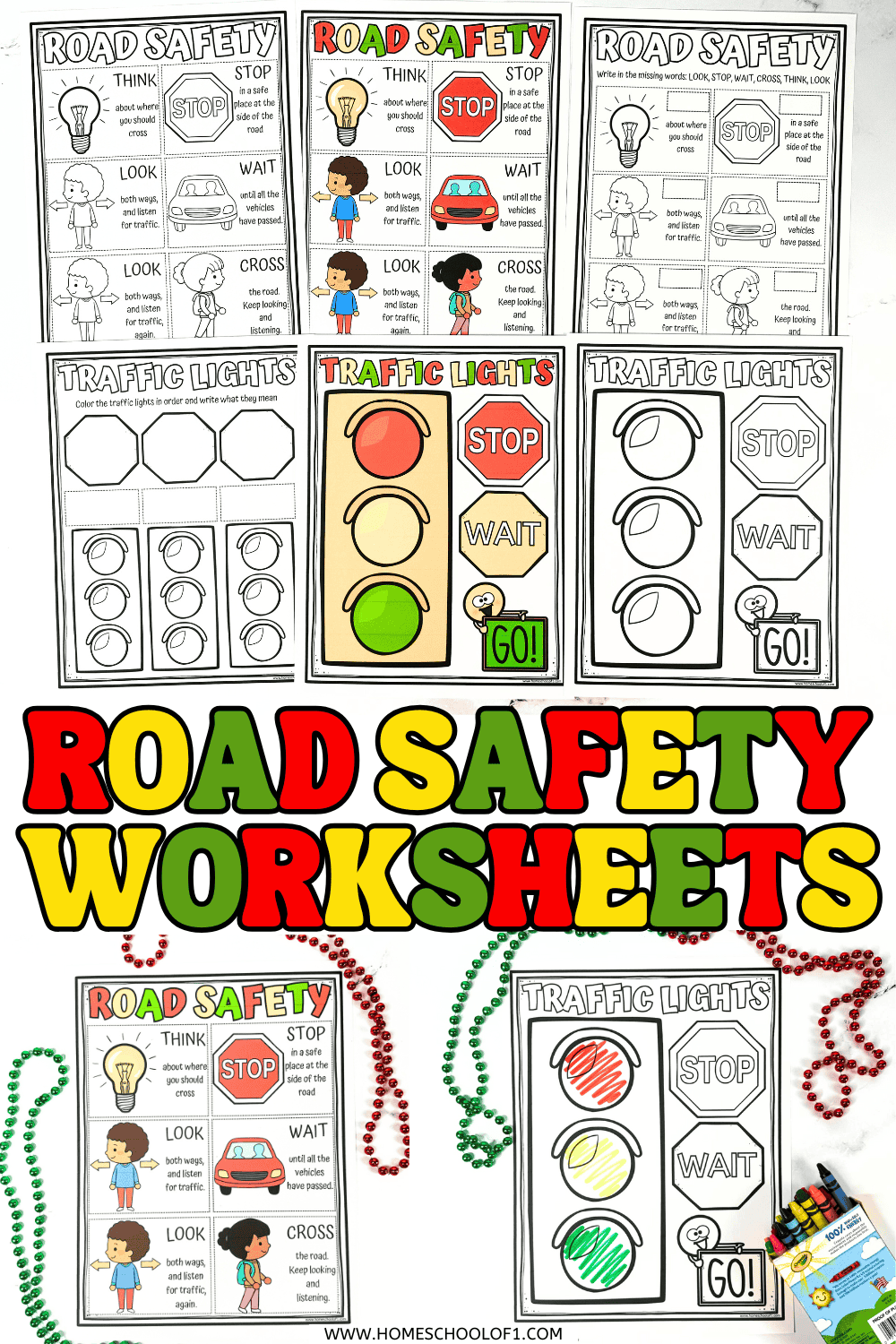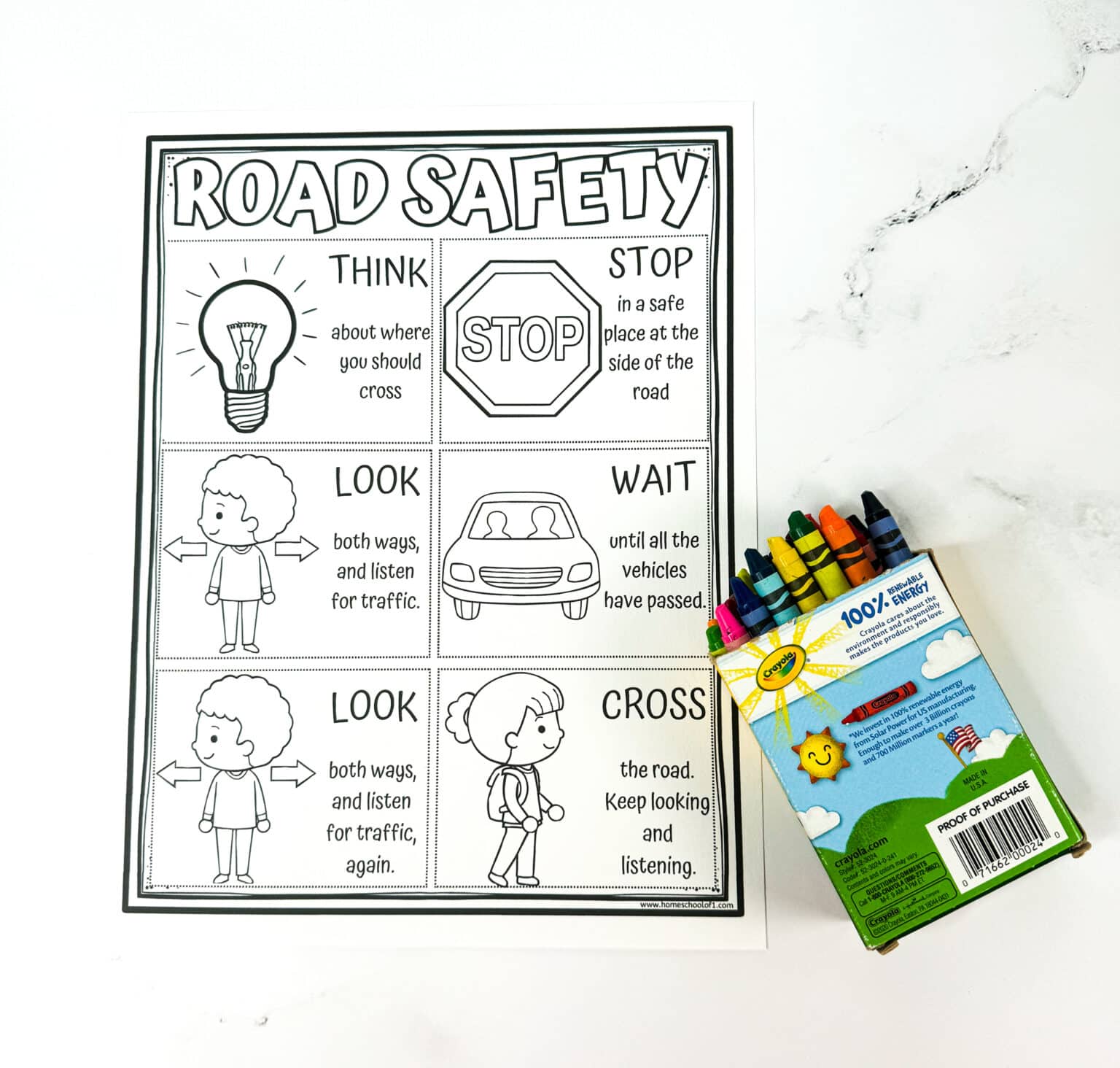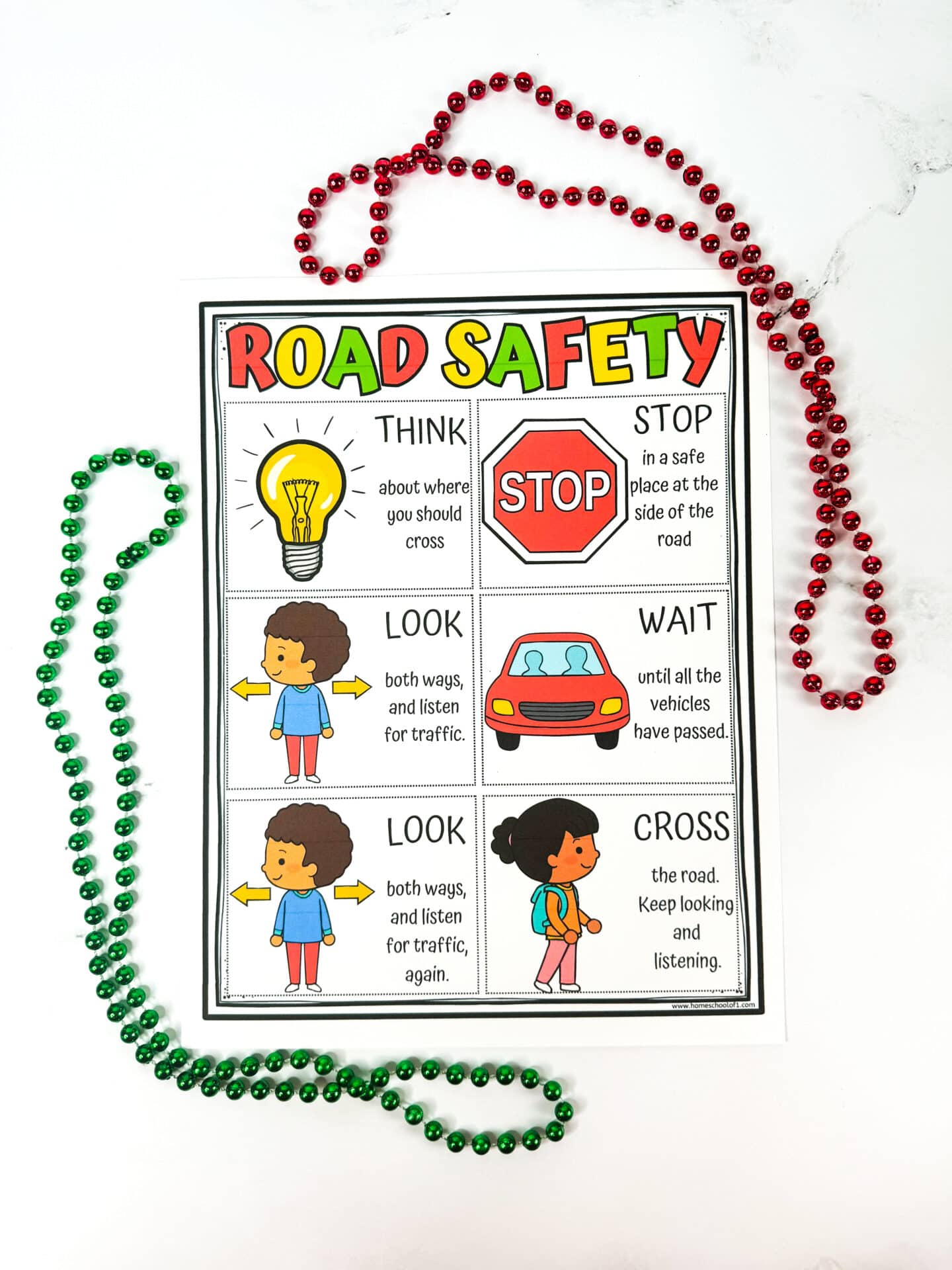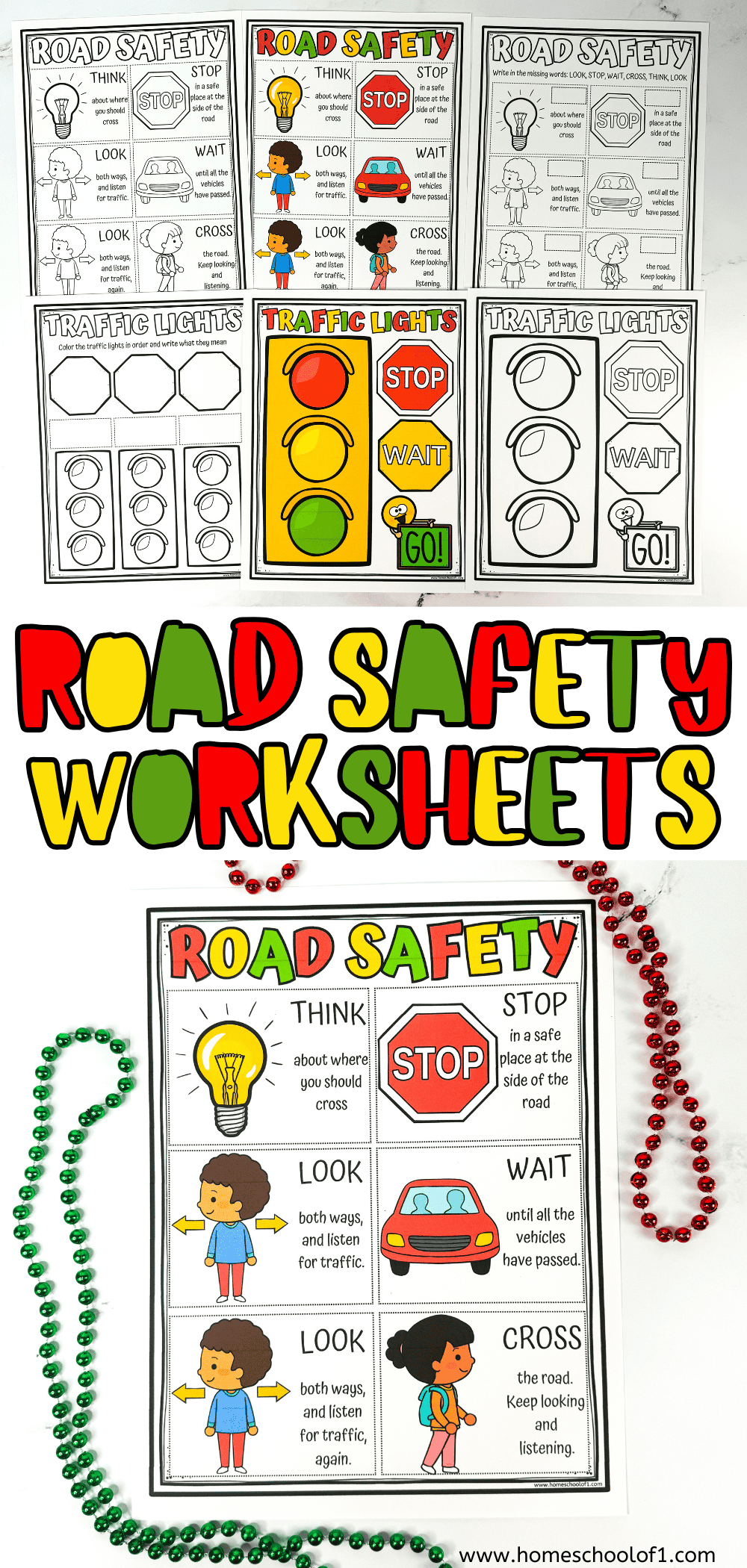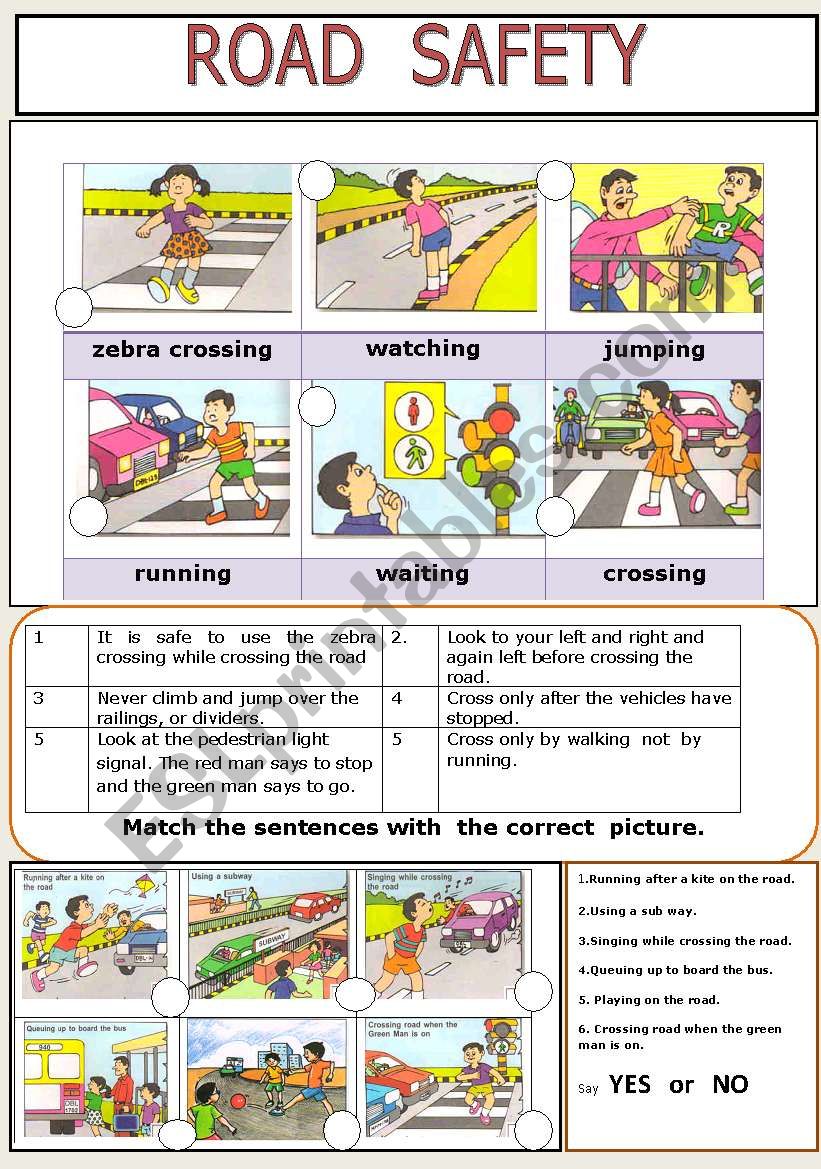
Why Integrating Free Road Safety Worksheets Enhances Cross-Curricular Digital and Physical Awareness
As K-12 educators and parents navigate the complexities of student internet habits, bridging physical world well-being with virtual literacy remains essential. Organizations like ConnectSafely and the Cybersecurity and Infrastructure Security Agency emphasize that holistic youth safety goes beyond screen time limits; it encompasses situational awareness both online and offline. By utilizing free road safety worksheets, teachers and caregivers can introduce vital pedestrian and transit lessons that reinforce critical thinking. When children learn to evaluate street crossing signals, scan for hidden hazards, and pace their movements, they build foundational cognitive skills that translate directly into evaluating online risks, verifying website credibility, and recognizing digital red flags.
💡 Educational Key Takeaways:
- Core Skill: Structured Free Road Safety Worksheets focused on developing pencil grip, stroke control, and early literacy/math confidence.
- Target Scope: Suited for homeschoolers, preschool, kindergarten, and elementary learners.
- Best Recommendation: Practice 10–15 minutes daily with ergonomic writing tools to reinforce muscle memory without hand fatigue.
Assessing Vulnerabilities: Digital Hazards Versus Real-World Transit Risks
Managing student safety requires adults to monitor both technical device controls and environmental awareness. Whether children are navigating interactive educational worksheets on school-issued tablets or walking home from the bus stop, specific risk signals demand proactive guardrails. The breakdown below details common vulnerabilities across different environments and outlines practical safeguards aligned with modern FOSI recommendations.
| Setting / Context | Common Vulnerability | Practical Safeguard |
|---|---|---|
| Home Devices & Tablets | Unfiltered pop-up ads or malicious redirects on free download sites. | Use browser-level content filters and restrict downloads to vetted educational portals. |
| School Chromebooks | Distraction or clicking unverified external links embedded in web activities. | Enforce district-managed extensions that block external redirects and enforce safe searching. |
| Mobile & Social Habits | Distracted walking while viewing screens, messaging, or listening to music with headphones. | Establish clear no-device zones near crosswalks and model screen-free situational awareness. |
Actionable Routines and Printable Tools for Home and Classroom
Translating safety concepts into daily routines requires consistency between teachers and parents. Educators can integrate free road safety worksheets into morning advisory or health periods, pairing them with interactive discussions about focus and attention. At home, families should establish a central charging station to eliminate late-night device use and reduce daytime exhaustion that leads to distracted behaviors. Furthermore, pair digital safety checklists with physical transit rules, encouraging kids to verbalize when it is safe to cross a street or click a link. Establishing a transparent, blame-free reporting workflow ensures that if a student clicks an unsafe link or experiences a frightening online encounter, they can inform an adult immediately without fear of losing device privileges.
Overcoming Overly Strict Bans and Addressing Student Workarounds
Completely restricting student access to digital tools or ignoring physical safety education often backfires, driving kids to seek unmonitored workarounds or hide their mistakes. Instead of imposing Draconian bans that discourage honest communication, adults should combine robust technical device controls with calm, exploratory check-ins. When introducing lessons or printable activities, ask open-ended questions about what makes a street crossing or a web link dangerous. By treating safety as an evolving skill rather than a rigid list of punishments, students learn to internalize protective habits and develop lifelong critical thinking skills.
Frequently Asked Questions About Integrating Safety Printables
How can teachers safely source free road safety worksheets without malware risks?
Educators should rely on established school district repositories, government transportation agencies, or verified educational publishing platforms. Always scan downloaded PDF files using district-approved endpoint protection before deploying them on student devices.
Are these printable resources appropriate for middle and high school students?
While basic pedestrian rules target elementary grades, older students benefit from advanced modules focusing on distracted driving prevention, public transit awareness, and analyzing online transportation apps. You can also explore creative activities found in our Coloring Pages section for younger learners.
How do offline safety lessons connect with broader digital citizenship curricula?
Both disciplines rely heavily on situational awareness, impulse control, and evaluating environmental cues. Discussing physical blind spots naturally opens the door to exploring digital footprints and privacy settings covered extensively in resources like Internet and Digital Safety guides.
Explore More Digital Citizenship Resources
Empowering the next generation with comprehensive safety habits requires continuous learning and collaboration between educators, parents, and community leaders. Discover a wide array of expert guides, activity printables, and policy frameworks designed to protect students by visiting SafeWiredSchools.org today.
Worksheet Previews & Reference Materials