Introduction
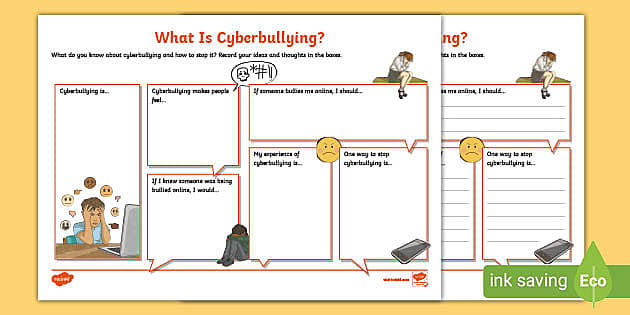
Educating young children about online safety is paramount in today’s digital world. The “free internet safety worksheet for kindergarten” serves as an essential resource for establishing foundational digital literacy. This printable learning tool is specifically designed for kindergarten-aged children, typically spanning ages 5 to 6, introducing crucial online safety concepts at a developmentally appropriate level. Printable worksheets remain trusted instruments for educators and parents, offering a tangible, hands-on approach to learning. They reinforce lessons through engagement, helping children internalize responsible online behavior and develop a keen awareness of digital spaces. Such resources build a strong base for future digital citizenship, making complex ideas accessible and actionable for young learners.
💡 Educational Key Takeaways:
- Core Skill: Structured Free Internet Safety Worksheet For Kindergarten focused on developing pencil grip, stroke control, and early literacy/math confidence.
- Target Scope: Suited for homeschoolers, preschool, kindergarten, and elementary learners.
- Best Recommendation: Practice 10–15 minutes daily with ergonomic writing tools to reinforce muscle memory without hand fatigue.
What This Worksheet Covers
The “free internet safety worksheet for kindergarten” addresses fundamental aspects of online safety, focusing on concepts crucial for young children. It primarily covers the importance of asking a trusted adult for permission before going online, understanding that some information should remain private, and recognizing that not everyone online is who they claim to be. The worksheet introduces rules such as “Ask a grown-up first,” “Don’t share your name or address,” and “Tell a grown-up if something makes you feel sad or scared.” Content aligns with early childhood education standards emphasizing personal safety, communication skills, and responsible decision-making, adapting these principles to the digital realm. The material aims to foster a cautious yet confident approach to initial online interactions.
Key Learning Outcomes
By completing this “free internet safety worksheet for kindergarten,” children will develop several vital skills and knowledge areas:. Browse more guides on Safe Wired Schools.
- Children will identify and differentiate between appropriate and inappropriate online behaviors, understanding the concept of “safe” versus “unsafe” digital actions.
- Learners will recognize the importance of seeking permission from a parent or teacher before accessing websites, games, or apps.
- Students will grasp the basic idea of personal privacy, understanding that certain information (like names, addresses, or phone numbers) should not be shared online without adult supervision.
- Youngsters will begin to understand the concept of “stranger danger” in an online context, learning to report uncomfortable interactions to a trusted adult.
- Children will develop basic communication skills for articulating concerns or questions about their online experiences to a trusted caregiver.
How to Use This Worksheet
The “free internet safety worksheet for kindergarten” offers versatile application in both classroom and home settings. Its format typically includes engaging activity types like drawing, coloring, simple matching exercises, and scenarios that prompt children to identify safe choices. Instructions are designed for clarity, often incorporating visuals to scaffold learning progressively. The difficulty level is appropriate for emerging readers and those who primarily learn through visual and kinesthetic engagement. This worksheet functions effectively as a standalone activity to introduce a specific safety rule, as an integral component of a broader digital citizenship lesson plan, or as a homework assignment to reinforce concepts learned during the day. Its printable nature allows for repeated use and personalized engagement.
Practical Tips for Parents and Teachers
- Preparation: Before presenting the worksheet, briefly discuss the day’s safety topic using simple, relatable language. For instance, talk about asking permission before touching a stove, then transition to asking permission before going online.
- Facilitation: Encourage children to describe what they are doing or drawing on the worksheet. This verbalization strengthens comprehension and allows for immediate clarification of any misunderstandings.
- Discussion Prompts: After completion, initiate a brief, open-ended discussion. Ask questions like, “Why is it important to ask a grown-up before going on the internet?” or “What would you do if someone online asked for your name?”
- Extend Learning: Integrate the safety concepts into daily routines. Point out when permission is given for screen time, or discuss characters in books/shows who practice safe online habits. Use real-life scenarios to solidify abstract concepts.
- Positive Reinforcement: Celebrate effort and understanding. Positive feedback encourages children to engage further with digital safety topics, fostering a proactive and confident attitude towards online exploration.
Age-Appropriate Recommendations
While the “free internet safety worksheet for kindergarten” is specifically tailored for ages 5-6, its foundational principles can be introduced and reinforced across various early learner stages with appropriate guidance.
- Ages 35 (Preschool/Pre-Kindergarten): For younger children, the worksheet can be used as a coloring activity with adult assistance. Focus on one core concept, such as “ask a grown-up.” A trusted adult should read all instructions and prompts aloud, providing direct answers and guiding the child’s hand if needed. Vocabulary should be simplified further, using terms like “safe grown-up” instead of just “trusted adult.” Activity pacing should be brief, perhaps 5-7 minutes, to maintain attention. The emphasis remains on visual recognition and basic concept exposure rather than independent completion.
- Ages 57 (Kindergarten/Early First Grade): This worksheet is ideally suited for this age group. Children can typically engage with the activities more independently, though an adult should remain present to provide support, clarify instructions, and facilitate discussion. Vocabulary can be expanded slightly, introducing terms like “private information” or “online stranger” in simple contexts. Activity pacing can extend to 10-15 minutes, allowing for more thoughtful engagement and drawing. The goal is for children to articulate their understanding of the safety rules and apply them to hypothetical scenarios.
For older early learners (ages 8-10) and beyond, while this specific worksheet may be too basic, the foundational principles it teaches remain crucial. Educators and parents can use the concepts introduced here as a stepping stone to more complex digital citizenship topics, referring back to the basic “ask permission” or “don’t share” rules as universal truths that apply to all online interactions, regardless of age.
Frequently Asked Questions
Q: What specific internet safety topics does this worksheet cover for kindergarteners? A: The worksheet focuses on foundational concepts such as asking a trusted adult for permission before going online, understanding the importance of keeping personal information private, and knowing to tell an adult if something online makes them feel uncomfortable or scared. It introduces these ideas through simple, engaging activities.
Q: How can parents download or access the “free internet safety worksheet for kindergarten”? A: This valuable resource is available for immediate download on the SafeWiredSchools.org website. Navigate to the “Worksheets” section, locate the kindergarten resources, and click the download link to print a copy instantly for home or classroom use.
Q: Is this worksheet suitable for children older or younger than kindergarten age? A: While primarily designed for kindergarten (ages 5-6), younger children (ages 3-4) can benefit with significant adult guidance, focusing on coloring and basic concept exposure. For slightly older children (ages 7-8), it can serve as a quick review or a conversation starter, but more advanced resources are recommended for deeper learning.
Explore More Free Printable Worksheets
A single worksheet forms a vital component of a comprehensive digital safety learning routine. Consistent reinforcement through varied activities significantly strengthens a child’s understanding and application of online safety principles. Educators and parents are invited to explore a full collection of free printable internet safety worksheets, engaging activity sheets, helpful checklists, interactive quizzes, and more at SafeWiredSchools.org Worksheets. These resources cover every essential internet safety topic and are meticulously designed for every grade level and learning environment, ensuring continuous growth in digital literacy.
Developmental Milestone & Activity Table
| Development Stage | Recommended Daily Duration | Primary Learning Objective |
|---|---|---|
| Preschool & Pre-K | 10 – 15 Minutes | Pencil grip development & basic pre-stroke lines |
| Kindergarten | 15 – 20 Minutes | Letter/number formation & spatial line awareness |
| Early Elementary (Grade 1–2) | 20 – 30 Minutes | Fluency, sentence construction & neatness |