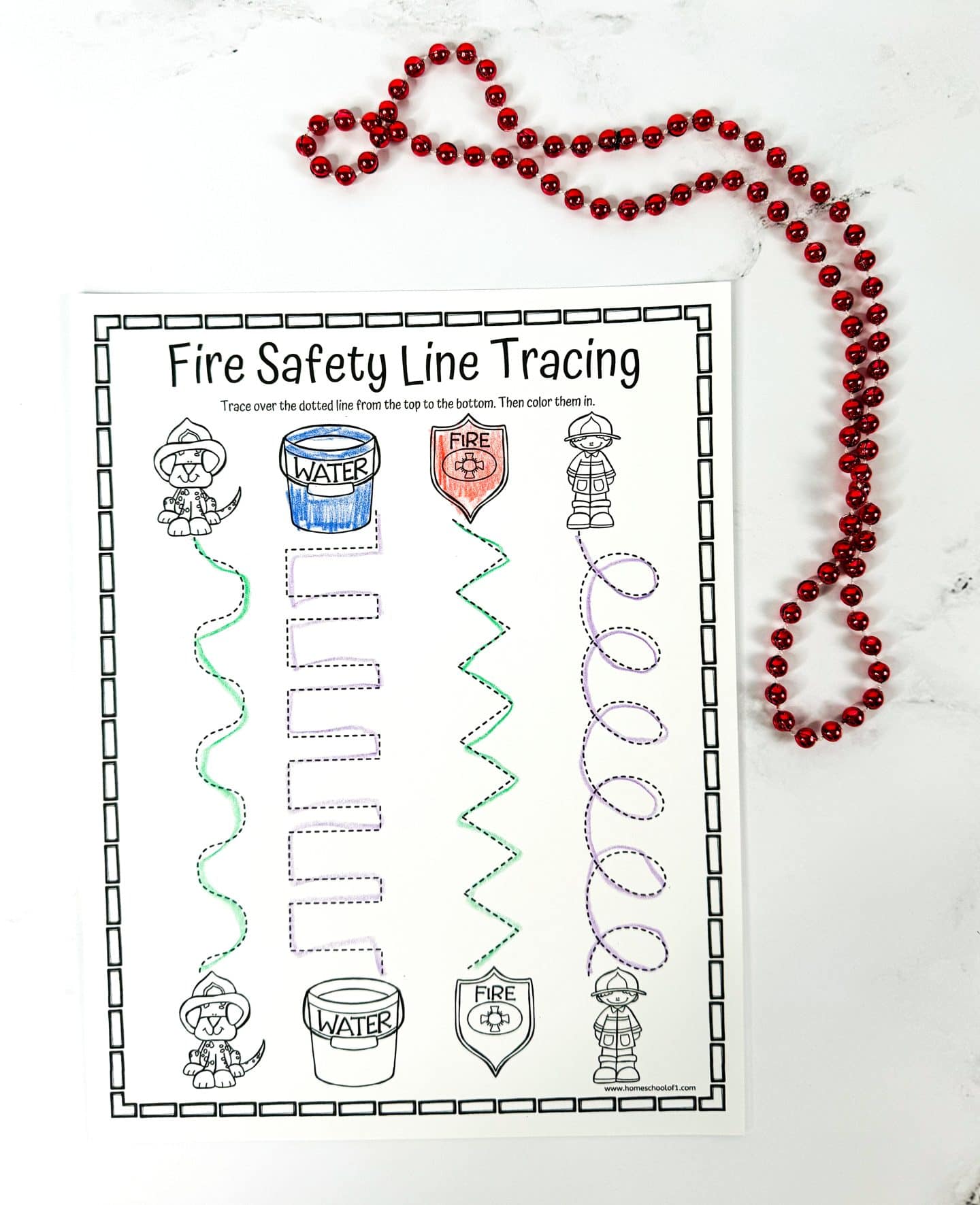
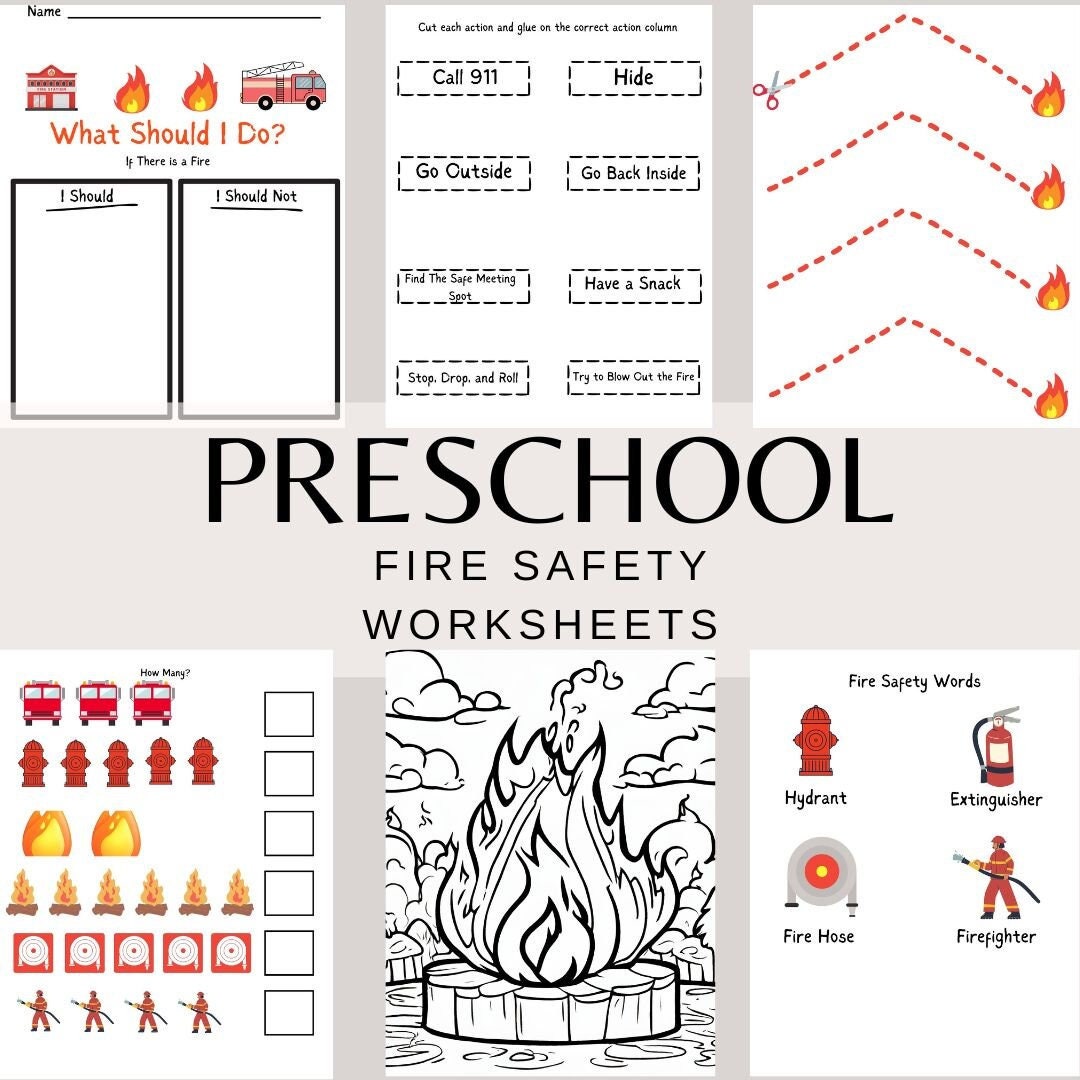
Why Integrating Fire Safety Printables into Modern Classrooms and Homes Matters
In our increasingly digital world, children are exposed to screens from a very early age. Yet, traditional life skills remain vital, bridging the gap between virtual learning and physical well-being. Incorporating fire safety printables into your educational toolkit is an effective way to transition children away from endless scrolling and toward tangible, life-saving knowledge. Whether you are searching for structured worksheets to reinforce classroom fire drills or creative art projects, offline safety lessons demand the same deliberate planning as online activities. Organizations like ConnectSafely emphasize that balanced media diets—alternating between digital tools and hands-on activities—help children develop well-rounded cognitive habits and critical situational awareness.
💡 Educational Key Takeaways:
- Core Skill: Structured Fire Safety Printables focused on developing pencil grip, stroke control, and early literacy/math confidence.
- Target Scope: Suited for homeschoolers, preschool, kindergarten, and elementary learners.
- Best Recommendation: Practice 10–15 minutes daily with ergonomic writing tools to reinforce muscle memory without hand fatigue.
Assessing Risks and Applying Smart Digital Safeguards
When educators and parents search online for educational materials, they often encounter unverified websites, intrusive trackers, or malicious downloads hidden behind free resource offers. Securing your devices against accidental malware exposure while seeking downloadable lesson plans is an essential part of comprehensive internet and digital safety. Adults must maintain active browser filters, enforce safe search protocols, and vet download sources before letting young students click on PDF links. The following breakdown highlights common digital vulnerabilities associated with downloading classroom resources and outlines the practical guardrails you can put in place today. Related guide: Internet Safety Worksheets Pdf.
| Setting / Context | Common Vulnerability | Practical Safeguard |
|---|---|---|
| Home Devices & Laptops | Adware and malicious pop-up redirect loops disguised as free educational downloads. | Install reputable ad-blockers, use browser extensions vetted by CISA guidelines, and download files only from trusted educational domains. |
| School Chromebooks & Tablets | Unrestricted student access to unverified PDF repositories hosting tracking cookies or adult ads. | Configure district-level web filters and curate a centralized, pre-approved repository of offline activities for student use. |
| Social & Chat Sharing | Clicking unvetted links shared in parent-teacher messaging apps or student chat rooms. | Establish a protocol to verify resource URLs before forwarding them, encouraging kids to ask an adult before clicking unknown files. |
Actionable Steps for Safe Downloading and Interactive Fire Prevention
Protecting children online while teaching them about physical safety requires clear routines and transparent communication. When downloading printables, make it a collaborative exercise rather than a solitary task. Sit down with your child or students to discuss why we only download files from verified educational platforms. Pair these digital hygiene habits with creative offline projects, such as filling out vibrant coloring pages that feature emergency contact information, fire trucks, and stop-drop-and-roll instructions. Establish a shared family charging station to keep screens out of bedrooms, ensuring that focus remains on interactive, hands-on safety planning during home discussions.
Overcoming Student Pushback and Avoiding Restrictive Pitfalls
Children often resist structured worksheets or repetitive safety lectures if they feel micromanaged or bored by outdated presentation styles. Overly rigid device blocks that prohibit all exploration can inadvertently drive kids to seek out unvetted workarounds or bypass safety filters entirely. Instead of relying on bans, frame fire safety and digital literacy as empowering tools for independence. When introducing new learning materials, involve students in mapping out a home escape route or designing their own safety posters. FOSI advocates for open, ongoing dialogues that treat children as active participants in their own security rather than passive rule-followers.
Frequently Asked Questions About Fire Safety Printables
How can I ensure that free printable websites are safe for my classroom computers?
Always verify the URL reputation, ensure the connection uses HTTPS encryption, and rely on established educator networks. District-approved software and trusted curriculum portals minimize the risk of exposing school networks to unwanted adware.
Are printable activities effective for teaching emergency response to young children?
Yes, tactile activities like mazes, matching games, and emergency contact worksheets reinforce memory retention through active participation. Combining these printables with physical practice, such as walking through a home exit drill, solidifies the lesson.
How do I balance screen time while utilizing digital resources for lesson planning?
Use digital devices strictly for the curation and printing phase of the lesson, then transition children entirely offline for the physical activity. This establishes a healthy boundary between screen consumption and tangible, hands-on learning.
Empowering Students Through Comprehensive Digital and Physical Literacy
Merging physical preparedness with robust online safety habits ensures that students remain protected across every environment they navigate. By maintaining secure device practices and selecting high-quality educational resources, adults can guide youth toward confident, smart decision-making. To explore more strategies on protecting kids across virtual and physical spaces, visit SafeWiredSchools.org today.
Visual Reference Gallery