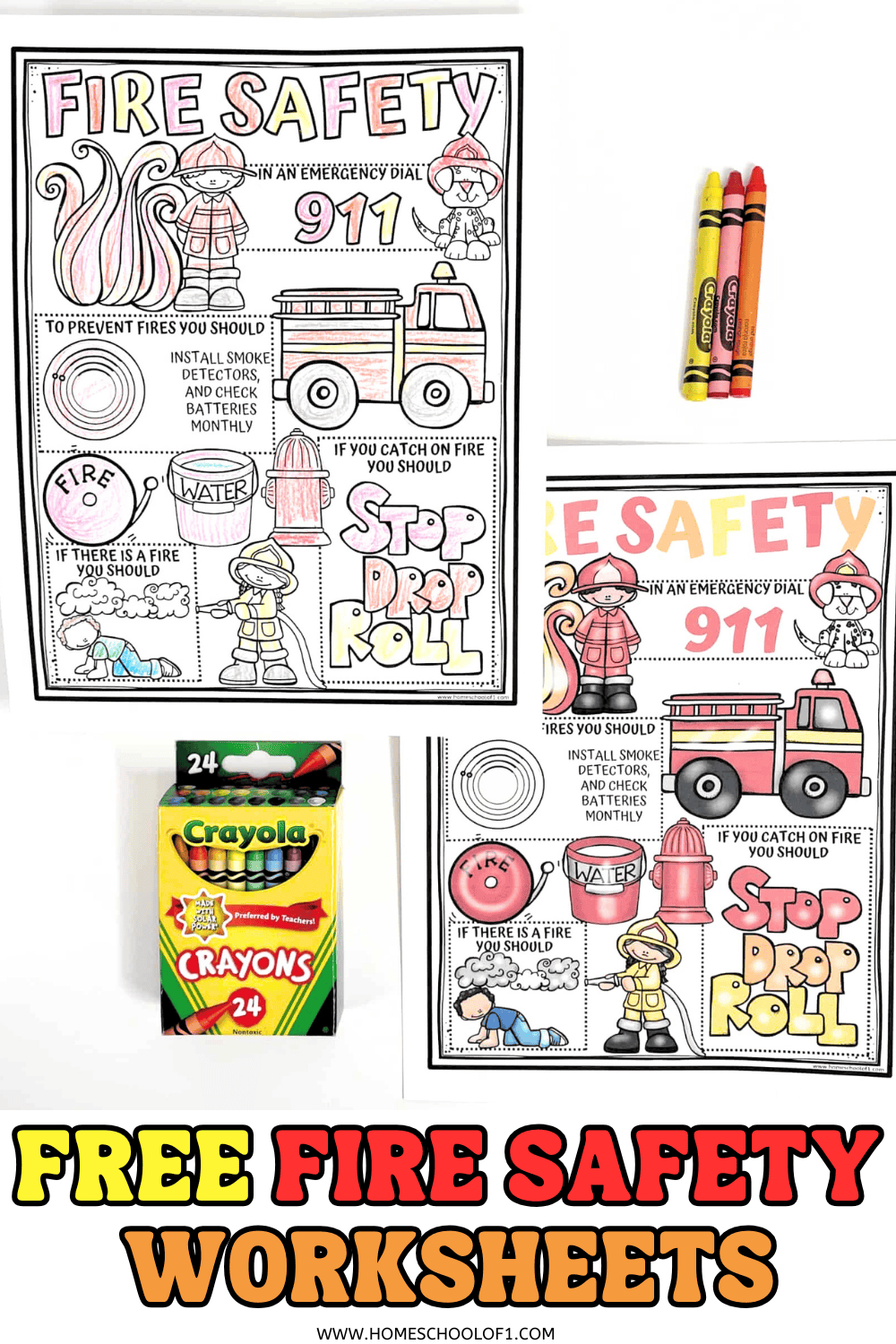
Why Teaching Culinary and Digital Balance Through Safety In The Kitchen For Students Worksheets Matters
Welcome to SafeWiredSchools.org. When educators and parents think about student safety, screens often dominate the conversation. However, building strong habits requires balancing digital citizenship with physical life skills like culinary arts. Integrating safety in the kitchen for students worksheets into your lesson plans or home routine provides a hands-on way to teach responsibility, focus, and critical thinking. Aligning with guidance from organizations like ConnectSafely and the Cybersecurity and Infrastructure Security Agency regarding holistic youth well-being, our goal is to protect children whether they are navigating physical stovetops or online web browsers.
💡 Educational Key Takeaways:
- Core Skill: Structured Safety In The Kitchen For Students Worksheets focused on developing pencil grip, stroke control, and early literacy/math confidence.
- Target Scope: Suited for homeschoolers, preschool, kindergarten, and elementary learners.
- Best Recommendation: Practice 10–15 minutes daily with ergonomic writing tools to reinforce muscle memory without hand fatigue.
Assessing Home and Classroom Risks: A Quick Reference Matrix
Whether students are researching recipes on school-issued tablets or handling real kitchen appliances, adults must anticipate potential hazards. Technical vulnerabilities and behavioral risks require clear preventive guardrails. Review the breakdown below to align your oversight strategies across environments.
| Setting / Context | Common Vulnerability | Practical Safeguard |
|---|---|---|
| Home Devices & Cooking Apps | Unfiltered pop-up ads or unsafe cooking tutorial links on video platforms. | Use curated Worksheets and strict browser extensions that block external redirects. |
| School Chromebooks & Tablets | Distraction from gaming sites while completing digital assignment packets. | Enforce classroom network filters and pair screen monitoring with interactive paper activities. |
| Social & Chat Habits | Sharing private location data or home kitchen photos on public forums. | Establish clear boundaries regarding digital footprints and image sharing. |
Actionable Steps to Build Healthy Habits Around Cooking and Connectivity
Merging physical safety with digital literacy calls for consistent, practical routines. Start by establishing shared charging zones outside the kitchen so students are not distracted by smartphones while handling hot pans or sharp knives. Educators can utilize printable safety in the kitchen for students worksheets to spark offline discussions about risk management, personal boundaries, and emergency protocols. Furthermore, encourage open communication channels. According to resources from the Family Online Safety Institute (FOSI), children who feel supported rather than surveilled are far more likely to report a mistake—whether it is a spilled ingredient online or a burned dish in the oven—without fear of harsh overreactions.
Overcoming Resistance and Managing Common Student Workarounds
Overly restrictive bans on student device use or heavy-handed kitchen rules often backfire, driving children to find secret workarounds. If students try to bypass web filters to watch cooking influencers or ignore safety guidelines when adults step out of the room, do not default to panic. Instead, use these moments as teachable windows. Pair technical controls with transparent check-ins to explain *why* specific rules exist. Exploring educational Internet and Digital Safety topics helps students connect the dots between physical caution and responsible web navigation.
Frequently Asked Questions From Educators and Parents
How do printable activity sheets improve overall student safety?
Worksheets give students tangible scenarios to analyze away from the immediate pressure of a live screen or a hot stove. This encourages deeper critical thinking and helps retention.
Can cooking lessons really reinforce digital citizenship?
Yes. Both environments require following precise protocols, respecting boundaries, understanding consequences, and communicating clearly when something goes wrong.
Where can I find more cross-curricular safety activities?
You can explore our curated Online and Digital Safety category for additional lesson plans, handouts, and guides.
Explore More Digital Citizenship Resources
Keeping students safe in every aspect of their day requires ongoing collaboration between home and school. Visit SafeWiredSchools.org to discover expert-backed guides, printable activities, and tools designed to protect children online and offline.
Worksheet Previews & Reference Materials