Why Blending Hands-On Learning with Digital Citizenship Matters
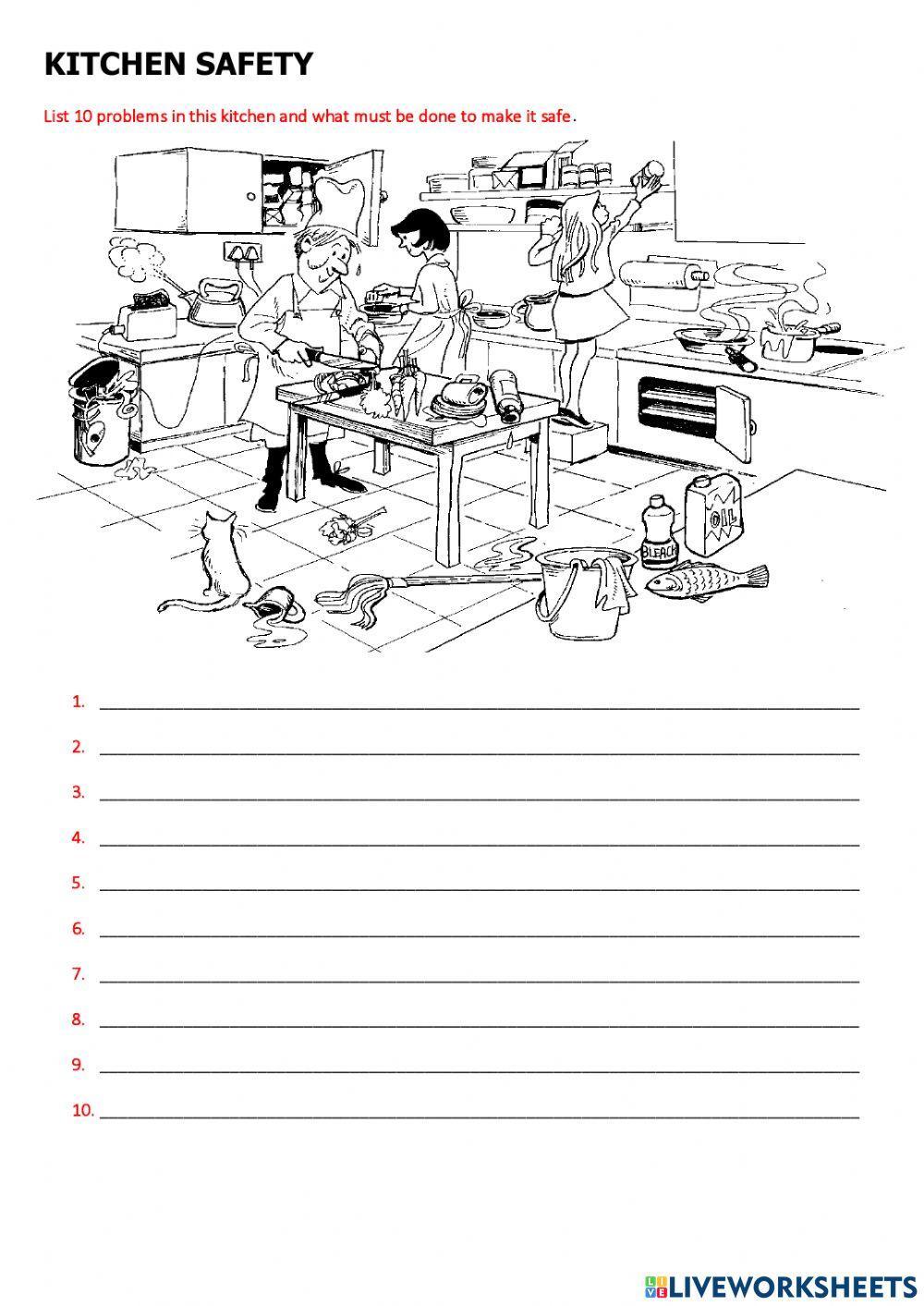
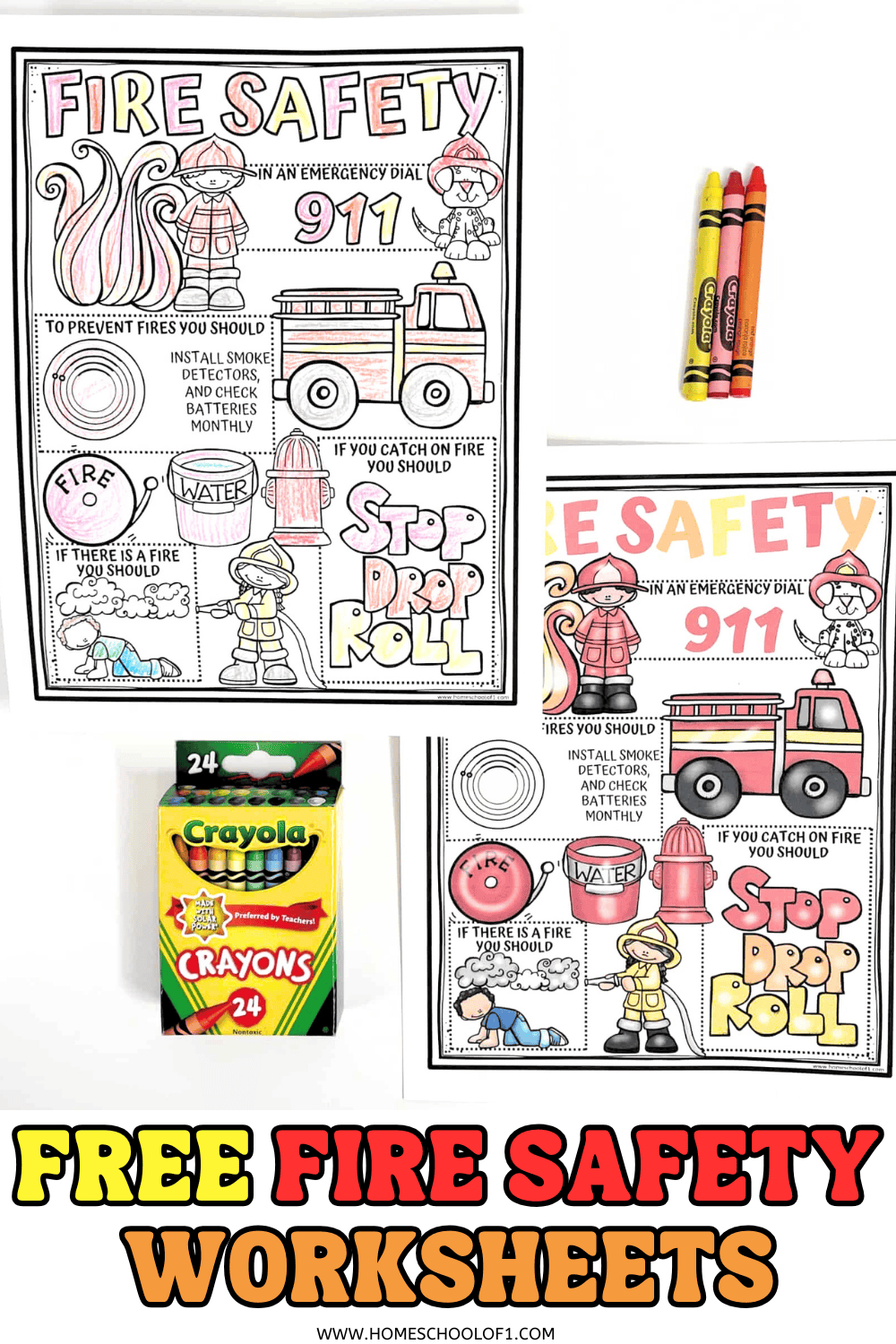
As students navigate a blended world of physical classrooms, remote learning, and digital exploration, educators and parents often look for offline avenues to reinforce critical thinking. Integrating printable kitchen safety worksheets pdf resources into a curriculum offers a fantastic way to teach hazard recognition, sequential logic, and mindful awareness away from the screen. According to guidance from organizations like ConnectSafely and the Family Online Safety Institute (FOSI), fostering safe offline habits translates directly into better risk assessment online. When children learn to identify physical dangers, they build cognitive skills that help them spot phishing links, unsafe chat requests, and predatory behavior in digital spaces.
💡 Educational Key Takeaways:
- Core Skill: Structured Printable Kitchen Safety Worksheets Pdf focused on developing pencil grip, stroke control, and early literacy/math confidence.
- Target Scope: Suited for homeschoolers, preschool, kindergarten, and elementary learners.
- Best Recommendation: Practice 10–15 minutes daily with ergonomic writing tools to reinforce muscle memory without hand fatigue.
Assessing Vulnerabilities Across Learning Environments
Whether children are accessing educational downloads on a home tablet or navigating school-issued Chromebooks, adults must manage both physical safety and device security. Understanding where risks emerge helps parents and teachers apply targeted guardrails. Related guide: Online Safety And Netiquette Lesson Plan Grade 4.
| Setting / Context | Common Vulnerability | Practical Safeguard |
|---|---|---|
| Home Devices | Malicious pop-ups and unsafe file downloads when searching for free educational printables. | Use curated resource platforms and install reputable ad-blockers before letting children browse freely. |
| School Chromebooks | Bypassing network filters or accessing unsecured third-party hosting sites during research. | Rely on district-approved content hubs and ensure school IT teams enforce strict domain whitelisting. |
| Social and Chat Habits | Sharing personal details or interacting with unverified users in online activity forums. | Review our Internet and Digital Safety guides to establish clear boundaries for online communication. |
Establishing Clear Routines for Safe Offline and Online Exploration
Protecting children requires a balance of technical configuration and collaborative family habits. When you introduce printable kitchen safety worksheets pdf activities into your lesson plans, use the opportunity to discuss broader concepts of digital awareness. Create a shared workspace where screen time and offline tasks intersect under adult supervision. Implement two-factor authentication on all household device profiles to prevent unauthorized app installations, and establish an open-door reporting policy. If a child encounters a strange pop-up while downloading a worksheet or feels uncomfortable with an online interaction, they should feel confident reporting it immediately without fear of losing device privileges or facing blame.
Addressing Student Workarounds and Digital Pushback
Children and teens are remarkably resourceful, often finding ways around strict device bans or parental controls to locate preferred worksheets, games, or videos. Overly restrictive blocks often backfire, driving students to use incognito modes or unsecured public networks. Instead of relying solely on hard blocks, pair your technical filters with transparent conversations. Explain why certain download sites pose malware risks, and guide students toward safe, verified repositories. By teaching young learners how to evaluate the credibility of a website, you empower them to make sound judgments independently, whether they are looking for a cooking tutorial or researching a school project.
Frequently Asked Questions About Safety Resources
How do printable kitchen safety worksheets pdf materials support digital citizenship?
Offline learning materials help children practice sequential thinking, risk analysis, and rule-following. These foundational cognitive skills are essential when evaluating online threats, such as recognizing deceptive links or understanding the consequences of sharing personal data.
What should I look for when downloading free educational PDFs online?
Always source materials from trusted educational publishers, school district repositories, or reputable safety organizations. Avoid random search results that require unnecessary personal information, browser extensions, or suspicious file downloads.
How can teachers incorporate these safety lessons into daily routines?
Educators can integrate safety lessons by pairing hands-on activity packets with structured discussions about device hygiene. Explore more ideas within our Worksheets archive to find adaptable templates for your classroom.
Explore More Digital Citizenship Resources
Building a resilient, safety-conscious community takes ongoing collaboration between parents, teachers, and school administrators. For more expert guides, downloadable checklists, and interactive lesson plans tailored to K-12 students, visit SafeWiredSchools.org to support your students’ growth both online and offline.
Worksheet Previews & Reference Materials