Introduction
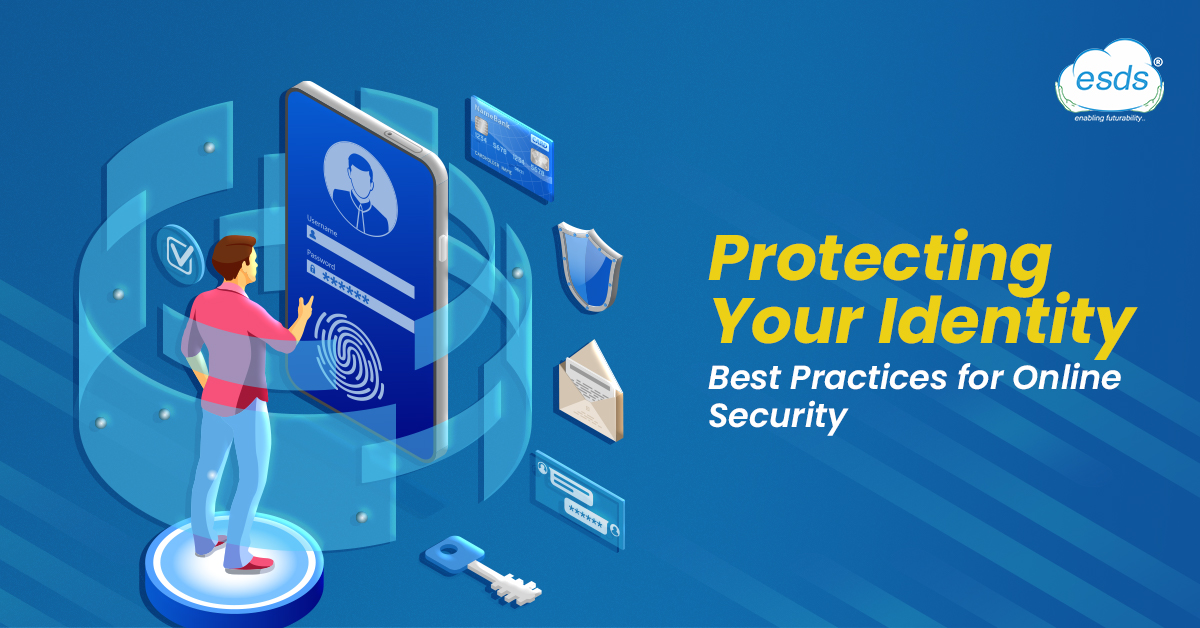
Digital identity and online safety encompass the deliberate curation of a secure, respectful personal footprint across school networks and public platforms. According to the Family Online Safety Institute (FOSI), positive digital citizenship requires students to understand that online actions generate permanent records that impact future academic, professional, and personal opportunities. Managing a digital footprint effectively relies on active collaboration between parents, teachers, and school administrators to instill sustainable cyber hygiene, prevent bullying, and maintain healthy screen boundaries during learning hours. Educational institutions utilize structured resources such as Internet and Digital Safety modules to reinforce these critical lessons across middle school curricula.
Digital Safety Snapshot:
- Core Focus: Safeguarding digital identity and student reputations through proactive online behavior and technical security measures.
- Target Scope: Middle school students, educators, and household environments managing school-issued devices.
- Key Recommendation: Enforce strict privacy configurations and implement regular audits of personal digital profiles.
Core Principles and Detailed Overview
Digital identity formation represents the sum of all visible online interactions, contributions, and tagged media associated with an individual student. In modern educational settings, maintaining online safety demands comprehensive protocols that bridge the gap between classroom screen balance and external cyber risks. Schools mitigate threats by deploying secure filtering, while educators integrate digital citizenship frameworks that teach adolescents how to recognize cyberbullying, protect sensitive login credentials, and curate positive online portfolios. Neglecting digital footprints during formative middle school years frequently leads to reputational damage, social isolation, and heightened vulnerability to digital manipulation. Institutions leverage specialized Online and Digital Safety curricula to equip learners with the analytical skills needed to evaluate online sources and interpersonal communications critically.
Key Specifications and Breakdown
| Safety Pillar | Digital Risk Factor | Actionable Protective Habit |
|---|---|---|
| Digital Footprint | Permanent storage of inappropriate text or media | Think critically before posting and apply strict privacy settings |
| Cyberbullying Prevention | Anonymous harassment across school communication apps | Document harmful interactions and report incidents to trusted adults |
| Device Hygiene | Account hijacking through shared school terminal access | Log out of all browser sessions and protect login credentials |
Digital citizenship and online safety education must prioritize proactive reputation management alongside defensive technical measures to secure student well-being. — Cybersecurity & Infrastructure Security Agency (CISA). For more related activities, check out our Online Cyber Safety For Kids.
Visual Reference Gallery




Step-by-Step Practical Application and Guidelines
Implementing robust digital safety practices involves a systematic approach to device management, privacy settings, and classroom behavioral norms. Educators and parents must first establish clear boundaries regarding screen balance, ensuring that device usage integrates physical breaks and offline social engagement. Next, students need instruction on reviewing account privacy configurations across all utilized applications, ensuring personal contact details remain completely concealed from public view. Third, schools must foster an open-door environment where students feel safe reporting cyber