Introduction
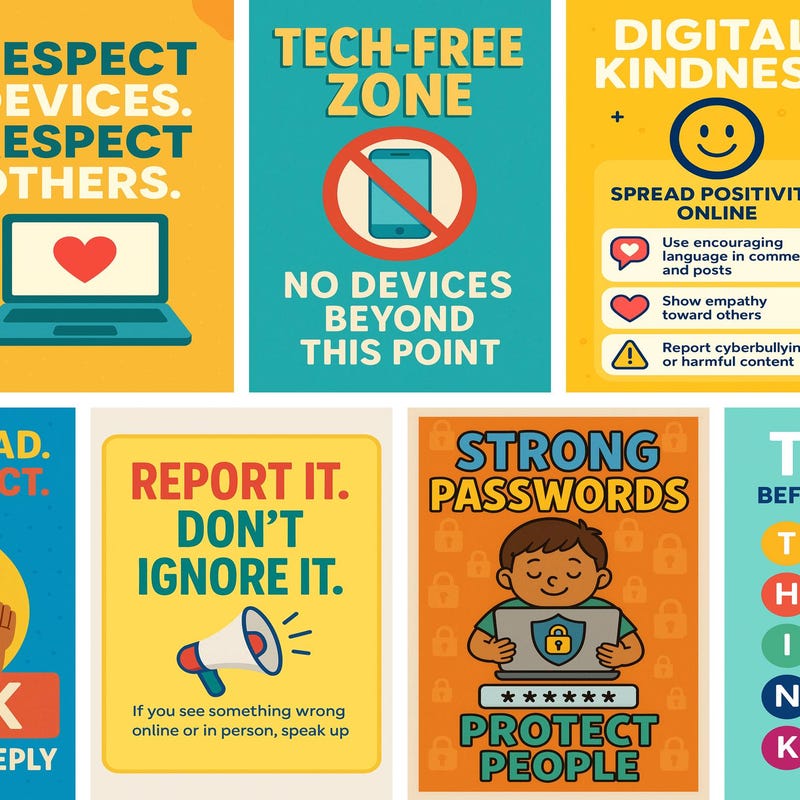
Online safety and digital citizenship represent the foundational knowledge and ethical responsibilities required for secure, respectful, and productive participation in modern digital environments. According to the Family Online Safety Institute (FOSI), equipping students with proactive risk-management strategies is essential for fostering positive online communities and preventing digital harm. This framework integrates technical protection measures with interpersonal accountability, guiding learners through the complexities of school internet safety, student digital footprints, cyberbullying prevention, device hygiene, and classroom screen balance. Educational institutions, instructors, and guardians must collaborate to instill these competencies early, ensuring middle school students navigate connected ecosystems with confidence and caution. Resources such as Internet and Digital Safety provide structured support for establishing these critical boundaries.
Digital Safety Snapshot:
- Core Focus: Online safety and digital citizenship combine technical security protocols with ethical behavior standards.
- Target Scope: Middle school students, classroom educators, school administrators, and households managing connected devices.
- Key Recommendation: Implement regular audits of student privacy settings and promote balanced screen time routines daily.
Core Principles and Detailed Overview
Digital citizenship and online safety encompass five distinct operational pillars designed to protect students from evolving online vulnerabilities. The first pillar, school internet safety, relies on network filtering and secure browsing practices to block malicious content on educational hardware. The second pillar manages the student digital footprint, emphasizing that every comment, search query, and uploaded file creates a permanent online record affecting future academic and professional opportunities. Cyberbullying prevention constitutes the third pillar, requiring proactive intervention strategies, empathetic communication norms, and clear reporting channels for targeted harassment. Device hygiene, the fourth pillar, mandates regular software updates, strong authentication methods, and careful password management to deter unauthorized access and malware incursions. Finally, classroom screen balance promotes mental well-being by scheduling deliberate offline intervals, reducing eye strain, and encouraging healthy offline social engagement. Educators expanding curriculum designs often utilize specialized Worksheets to reinforce these core behavioral pillars.
Key Specifications and Breakdown
| Safety Pillar | Digital Risk Factor | Actionable Protective Habit |
|---|---|---|
| Student Digital Footprint | Permanent archiving of indiscreet posts or personal data | Review privacy settings weekly and practice cautious sharing habits. |
| Cyberbullying Prevention | Anonymized harassment and emotional distress in chat channels | Document offensive messages immediately and report incidents to trusted adults. |
| Device Hygiene | Phishing attacks, malware downloads, and credential theft | Avoid clicking unverified links and update operating systems promptly. |
Digital resilience requires continuous education on privacy controls, open communication channels between students and mentors, and strict adherence to institutional cybersecurity protocols. — ConnectSafely Research
Step-by-Step Practical Application and Guidelines
Implementing robust online safety and digital citizenship protocols involves a sequential, structured approach across educational and domestic settings. First, establish explicit classroom and household device usage agreements that define acceptable behavior, approved websites, and scheduled offline periods to maintain screen balance. Second, conduct interactive workshops focusing on student digital footprints where learners evaluate mock online profiles to understand the long-term impact of shared content. Third, enforce rigorous device hygiene by teaching children how to create complex passphrases, recognize phishing attempts, and log out of public terminals. Fourth, integrate cyberbullying prevention into daily instruction through role-playing scenarios that emphasize bystander intervention and empathy. Fifth, review filtering mechanisms and safety settings regularly with IT administrators to ensure network defenses remain impenetrable against emerging threats. Educators seeking engaging supplementary materials for younger cohorts can also explore creative tools like Coloring Pages designed to introduce foundational internet rules.
Common Challenges and How to Avoid Them
Overcoming common barriers in digital citizenship education requires identifying behavioral pitfalls such as complacency regarding password reuse, underestimating the permanence of social media posts, and ignoring early indicators of cyberbullying. Many students treat school-issued devices casually, neglecting essential device hygiene updates or bypassing network filters using unauthorized workarounds. Administrators and educators prevent these infractions by establishing transparent monitoring policies without compromising student trust, pairing technical restrictions with open dialogue regarding digital ethics. Furthermore, addressing screen fatigue demands deliberate schedule adjustments rather than punitive restrictions, helping learners regulate their own media consumption habits. Maintaining consistent messaging across both school networks and home environments ensures that youth internalize these protective habits permanently.
💬 Frequently Asked Questions
Explore More Kids Safety and Digital Citizenship Guides on SafeWiredSchools
Comprehensive education regarding online safety and digital citizenship remains an ongoing commitment requiring up-to-date resources, structured lesson plans, and collaborative vigilance from the entire educational community. Visitors are encouraged to explore the complete library of guides, tools, and expert recommendations available directly through Safe Wired Schools to build safer, more resilient digital learning environments for every student.
Visual Reference Gallery