Introduction
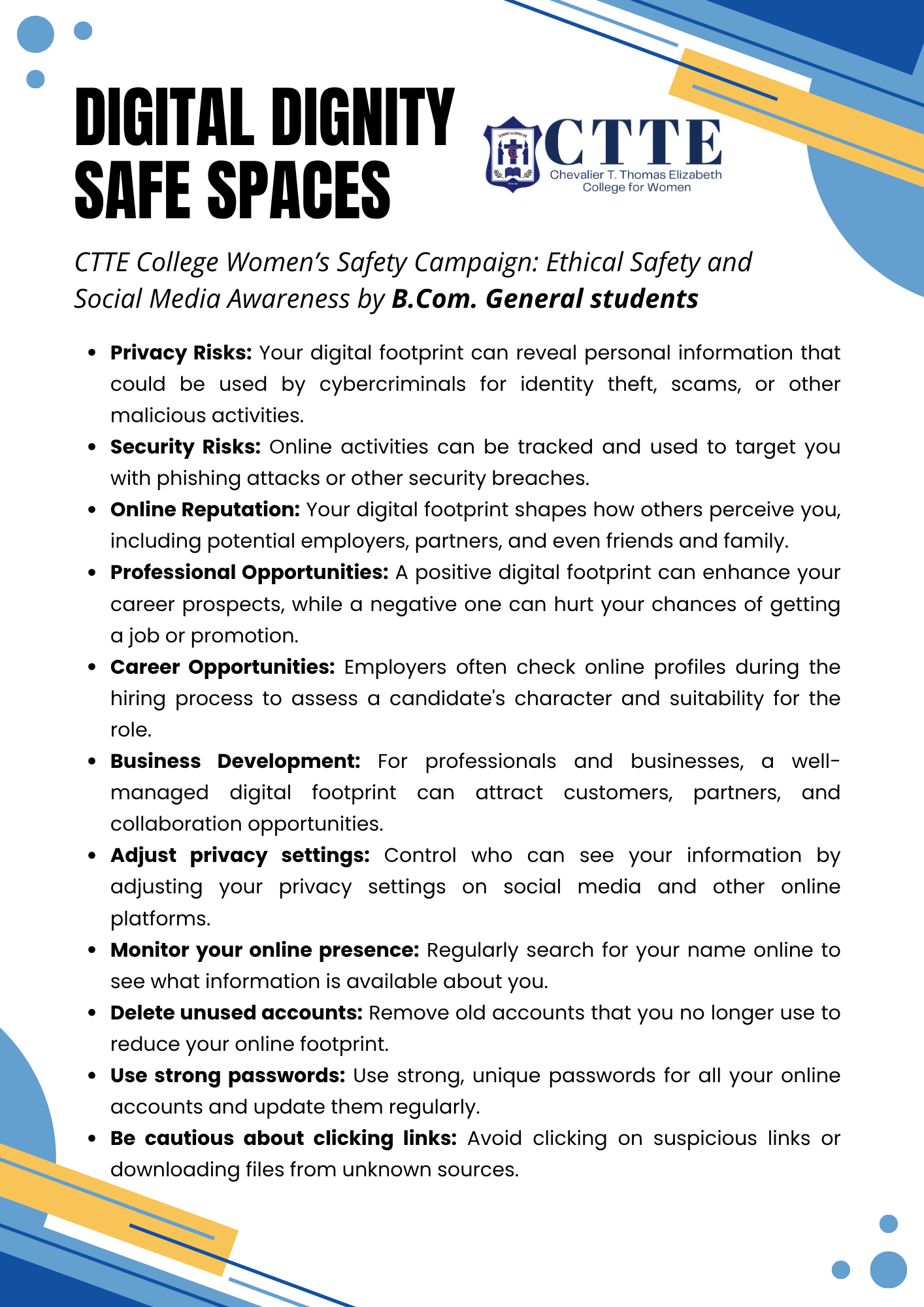
Online safety and digital dignity encompass the intentional practices, ethical standards, and protective habits required to navigate digital environments securely while preserving personal respect and community well-being. According to the Family Online Safety Institute (FOSI), digital citizenship requires a continuous balance of empowerment, responsibility, and respect in every online interaction. Within educational environments, safeguarding students involves managing digital footprints, mitigating cyberbullying risks, maintaining physical device hygiene, and balancing daily screen exposure. Educators, administrators, and parents play vital roles in establishing structured digital boundaries that protect minors from online threats while teaching lifelong accountability.
Digital Safety Snapshot:
- Core Focus: Online safety and digital dignity combine technical cybersecurity measures with respectful online behavior to protect students.
- Target Scope: Applied across K-12 school districts, classrooms, home networks, and student-owned mobile devices.
- Key Recommendation: Implement continuous digital literacy instruction alongside institutional network filters and privacy controls.
Core Principles and Detailed Overview
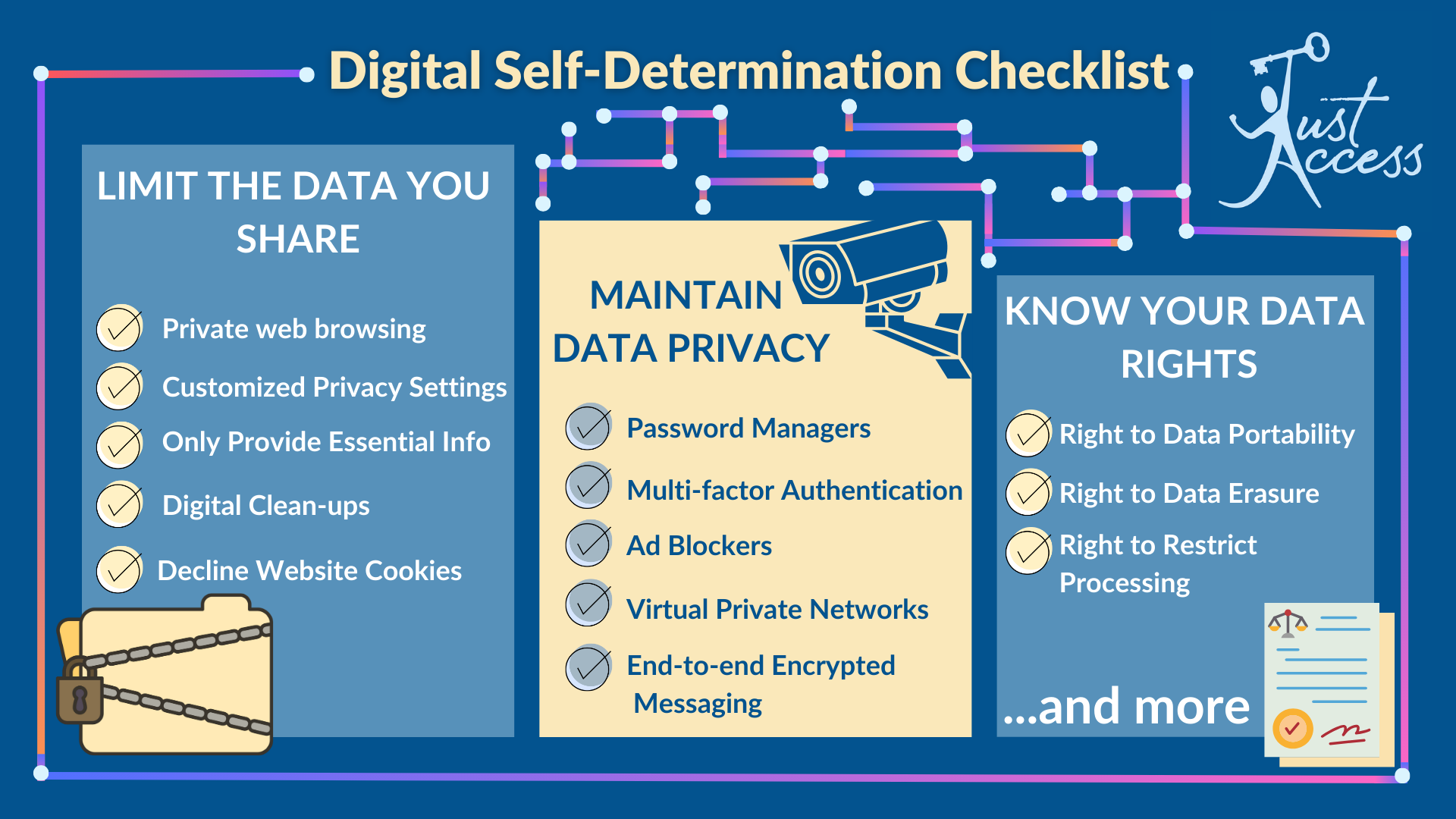
Online safety and digital dignity rely on structural frameworks that govern how students interact with technology across school and home networks. Digital footprints—the persistent trail of data left by online activity—directly influence future academic and professional opportunities, making early reputation management essential. School internet safety protocols demand robust firewalls, strict student data privacy compliance, and active monitoring to block malicious traffic and inappropriate content. Furthermore, cyberbullying prevention requires proactive bystander intervention, clear reporting mechanisms, and restorative disciplinary policies that address harassment across messaging platforms and social networks. Device hygiene, including regular operating system updates, strong multi-factor authentication, and secure password management, prevents unauthorized access and hardware compromises. Finally, classroom screen balance ensures students maintain cognitive focus, physical ergonomic health, and offline engagement by integrating structured device-free intervals into daily academic routines.
Key Specifications and Breakdown
| Safety Pillar | Digital Risk Factor | Actionable Protective Habit |
|---|---|---|
| Digital Footprint | Permanent storage of inappropriate text or media | Review privacy settings and pause before posting content online. |
| Cyberbullying Prevention | Anonymous harassment, exclusion, and targeted digital abuse | Document evidence immediately and report incidents through official channels. |
| Classroom Screen Balance | Digital fatigue, distraction, and reduced cognitive retention | Designate specific instructional intervals for offline reading and collaboration. |
Digital citizenship and online safety education must prioritize empathy, critical thinking, and proactive reputation management rather than fear-based restrictions. — ConnectSafely Research
Step-by-Step Practical Application and Guidelines
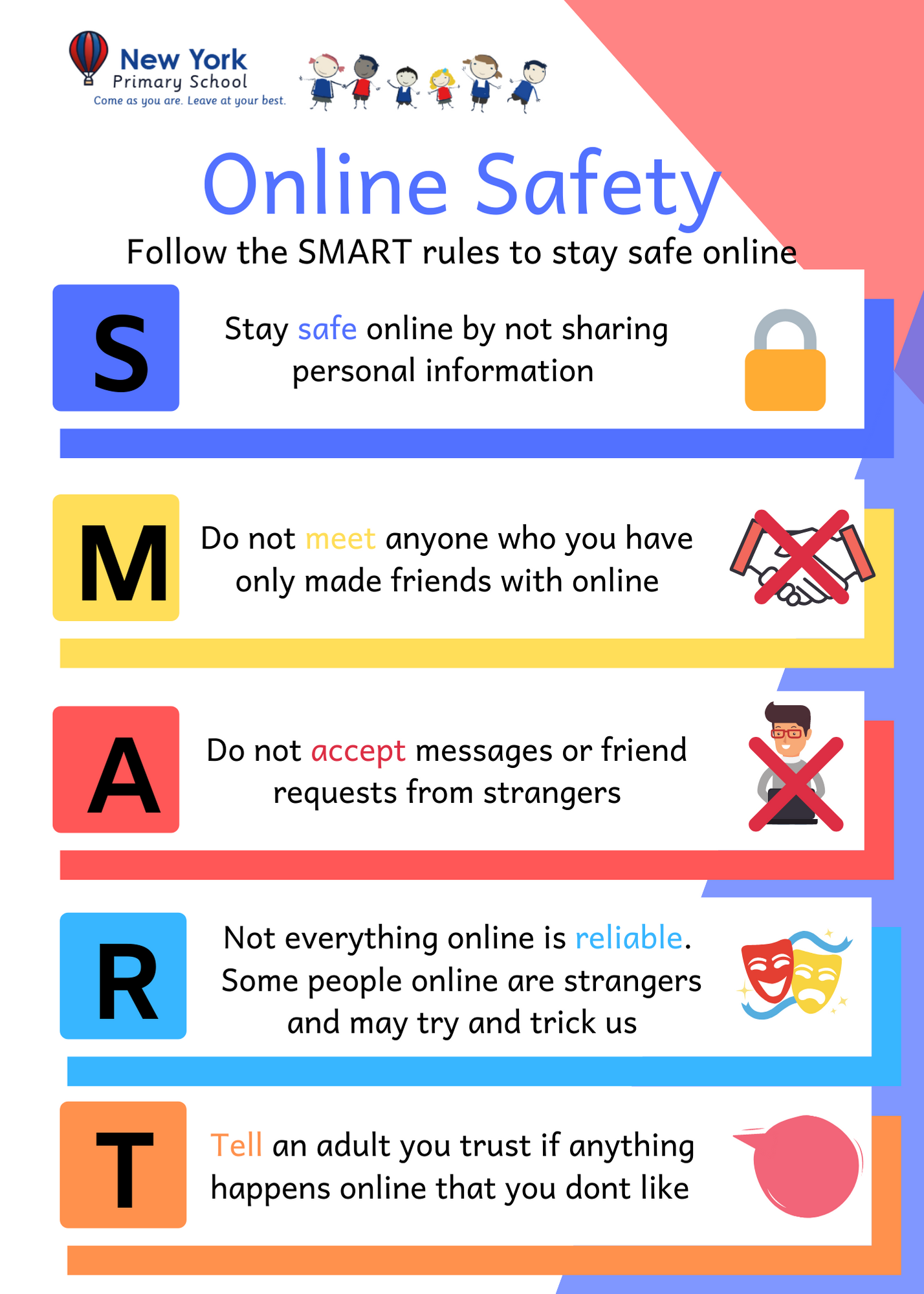
Implementing robust safety standards requires a structured, multi-tier methodology tailored to educational institutions and households. First, establish clear Acceptable Use Policies (AUPs) that explicitly outline behavioral expectations for school-issued and personal devices. Second, conduct regular digital literacy workshops that teach middle school students how to evaluate online sources, recognize phishing attempts, and curate a positive personal brand. Third, configure school network routers and student accounts with strict content filtering to block malicious domains and unauthorized applications. Fourth, empower teachers to monitor active classroom screens using authorized management software while encouraging collaborative, offline group work. Fifth, maintain open communication channels between school administrators and parents to ensure consistent enforcement of online safety rules across both academic and domestic settings, as detailed within the Internet and Digital Safety archives.
Common Challenges and How to Avoid Them
Addressing online safety and digital dignity often involves overcoming student evasiveness, excessive screen dependency, and underreported cyberbullying incidents. Middle school students frequently attempt to bypass institutional content filters or use unauthorized messaging applications during instructional hours, requiring technical monitoring coupled with open dialogue about the rationale behind network restrictions. Another frequent obstacle is the normalization of toxic online banter, which students may dismiss as harmless joking despite its detrimental impact on peer mental health. Educators combat this challenge by facilitating restorative circles and integrating Worksheets that explore digital ethics and empathy. Additionally, inconsistent rule enforcement between educators and guardians creates loopholes that compromise student protection, necessitating unified behavioral expectations and clear escalation pathways for online safety violations.
💬 Frequently Asked Questions
Explore More Kids Safety and Digital Citizenship Guides on SafeWiredSchools
Safeguarding young digital citizens requires ongoing access to authoritative resources, practical toolkits, and structured educational curricula. Educators and parents can explore comprehensive guidance, specialized lesson plans, and supportive materials by visiting the main library at Safe Wired Schools. For additional creative learning materials, browse the dedicated Coloring Pages collection or consult the latest insights available within the Online and Digital Safety category to ensure a secure, respectful digital environment for every student.
Visual Reference Gallery