Introduction
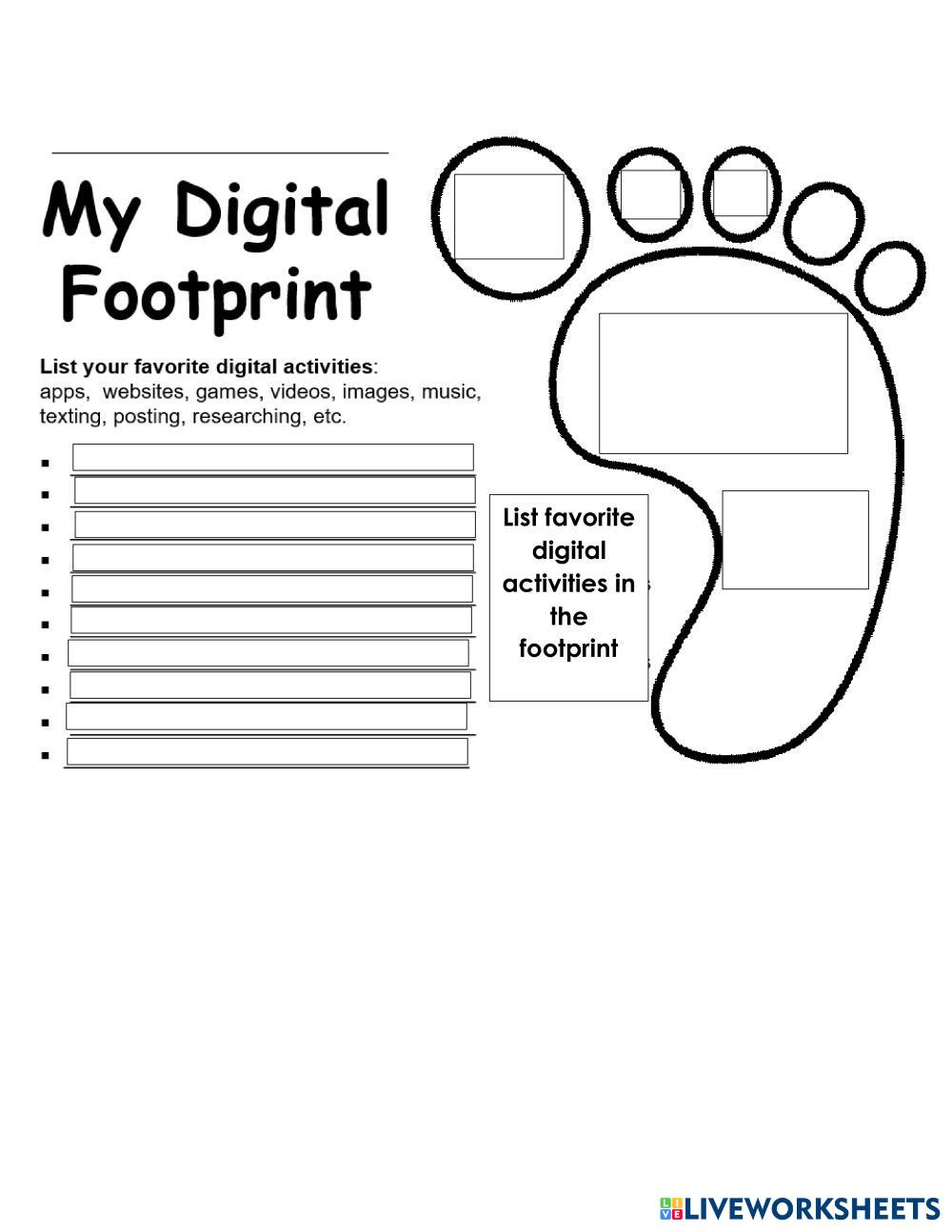
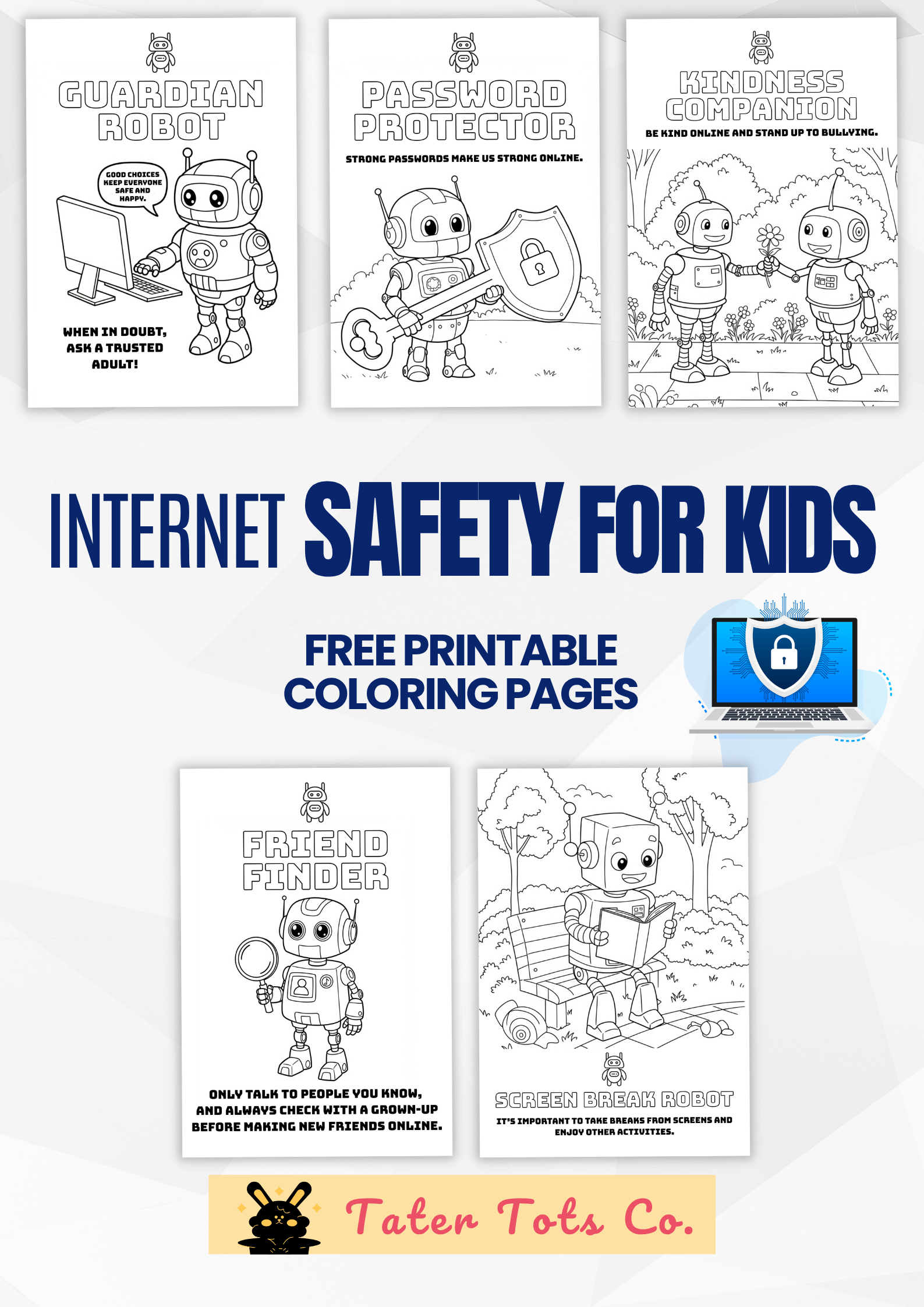
Young children navigate shared household tablets, jump into cooperative in-game chat rooms, and watch video streaming platforms long before they fully grasp the permanence of the internet. Teaching digital citizenship to elementary students requires bridging the gap between abstract concepts and concrete understanding. Traditional lectures on online behavior often cause eyes to glaze over, leaving children unprepared for everyday digital dilemmas. Creative tools change the dynamic entirely by grounding big concepts in tactile experiences. Coloring reinforces safety messages and opens conversation in ways that strict lectures simply cannot achieve, transforming a daunting lecture into a welcoming dialogue. The free printable digital footprint coloring pages available on {site_name} provide an accessible entry point for adults wishing to introduce foundational internet literacy without inducing anxiety.
💡 Activity Key Takeaways:
- Core Focus: Printable Digital Footprint Coloring Pages designed for creative expression and fine-motor coordination.
- Target Scope: Ideal for toddlers, preschool, kindergarten, and classroom art activities.
- Best Recommendation: Use standard heavy printer paper (24–28 lb) or cardstock for vibrant results with crayons, colored pencils, or washable markers.
What This Printable Covers
These coloring sheets illustrate the concept of a digital footprint through relatable imagery, showing how online actions leave permanent traces much like footsteps in the sand. Children color scenes depicting safe sharing habits, such as keeping home addresses and full names private, selecting strong passwords, and pausing before clicking send. The artwork introduces the idea that every photo, comment, and game registration builds an ongoing online profile. It sounds simple, and that’s the point. By visualizing digital actions as physical tracks, students grasp why protecting personal data matters. The design purposely avoids fear-based imagery, focusing instead on empowering children to make thoughtful choices while exploring online spaces.
Key Learning Outcomes
Working through these pages helps children identify what constitutes private information versus public sharing. According to Pew Research Center, a vast majority of parents of young children express concern about their children’s digital lives and screen time, making proactive conversations essential for family peace of mind. Students learn to recognize digital footprints as permanent records that others can view. The activity highlights the importance of consulting a trusted adult whenever an online interaction feels confusing or uncomfortable. Crucially, the resource reinforces the message that children are never in trouble for reporting something unsettling online. This assurance builds the trust necessary for kids to seek help when navigating tricky situations.
How to Use This Printable
Implementing these pages requires minimal preparation, making them ideal for morning work, art centers, or relaxed weekend afternoons at the kitchen table. Adults can introduce the sheet by asking open-ended questions about what it means to leave footprints at a park or a snowy beach. As crayons move across the paper, natural opportunities arise to discuss real-world scenarios, such as what to do when an in-game chat asks for personal details. Educators frequently pair these illustrations with broader digital citizenship units found within comprehensive Internet and Digital Safety modules. The physical act of coloring keeps hands busy while minds stay open to listening, reducing the defensive posture children sometimes adopt during direct questioning.
Practical Tips for Parents and Teachers
Guidance during the activity works best when kept conversational rather than interrogative. Instead of quizzing children on safety rules, adults can share observations about their own digital habits, modeling thoughtful behavior. Coloring alongside students invites organic storytelling about favorite online games and apps where children actually encounter digital risks. Setting a calm tone ensures kids view online safety as a set of useful life skills rather than a list of arbitrary punishments. Additional hands-on exercises complementing these coloring sheets are available through diverse Worksheets designed to reinforce foundational tech habits. Consistency between home expectations and classroom guidelines solidifies these lessons across all environments.
Age-Appropriate Recommendations
Children aged five to seven benefit most from focusing on basic privacy rules, such as distinguishing between real-world friends and online acquaintances. Older elementary students in the eight-to-twelve bracket can explore the deeper implications of digital permanence and how comments affect others. Aligning instruction with established frameworks like the ISTE Standards for Students ensures that digital citizenship education supports broader academic and social-emotional goals. Educators and caregivers can adapt the complexity of the accompanying discussions depending on developmental readiness. Exploring specialized Coloring Pages allows facilitators to target specific digital literacy milestones step by step.
Pew Research Center finds that nearly all parents of young children monitor or discuss digital safety habits, highlighting the widespread need for approachable conversation-starting tools. — Pew Research Center
Frequently Asked Questions
Families and educators often wonder about the practical application of these educational printables in daily routines. Clear answers help maximize the impact of every session spent discussing online habits and safety strategies. The following frequently asked questions address common implementation details for both classrooms and homes.
Explore More Free Kids Online Safety Printables
Continuing the journey of digital citizenship requires ongoing reinforcement through varied activities and open dialogues. Caregivers and educators can browse additional resources focused on Online and Digital Safety to keep lessons engaging throughout the school year. Building resilient, safe digital habits happens one small, positive conversation at a time.
Key Specifications & Age-Group Overview
| Age / Grade Group | Target Skill Focus | Recommended Medium |
|---|---|---|
| Toddlers (Ages 2–4) | Hand-eye coordination & broad motor grasp | Jumbo crayons & washable finger paints |
| Early Elementary (Ages 5–7) | Line boundaries & fine pencil control | Standard colored pencils & fine-tip markers |
| Intermediate (Ages 8+) | Color blending, shading & artistic patience | Watercolor pencils, gel pens & dual-brush markers |
Images References