Introduction
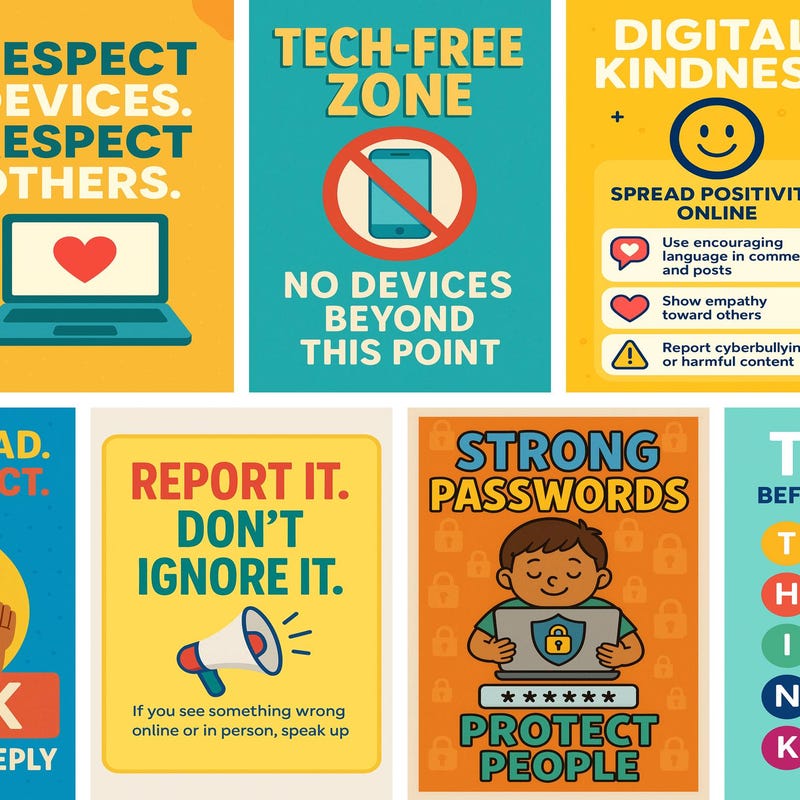
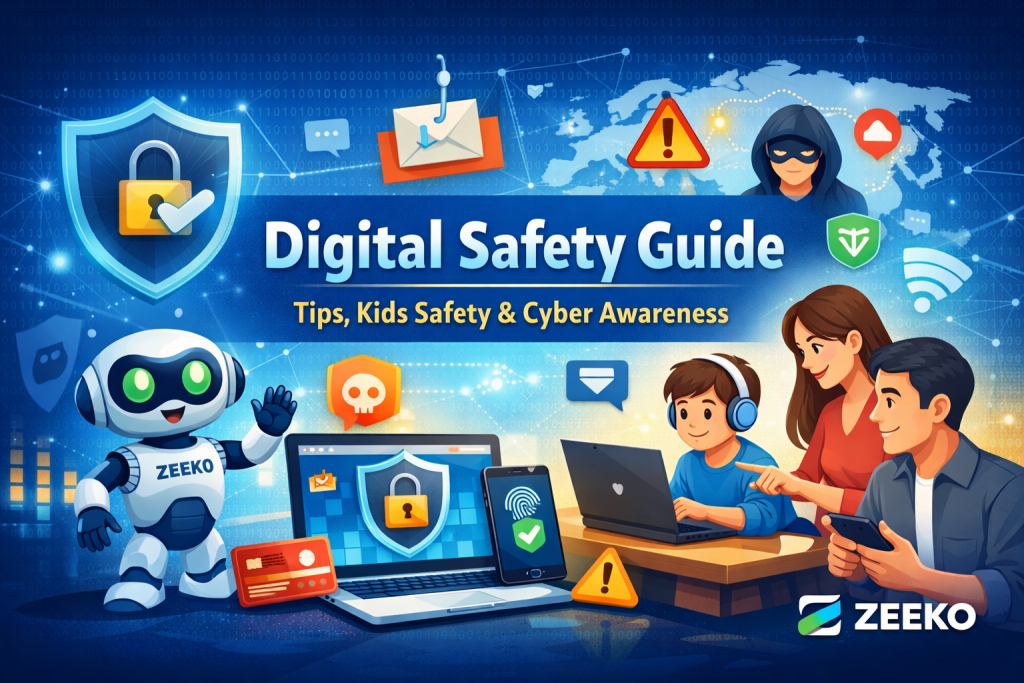
A digital citizenship and online safety poster serves as a permanent, highly visual behavioral guide designed to remind middle school students, teachers, and school staff about safe internet practices, privacy management, and cyberbullying prevention. According to the Family Online Safety Institute (FOSI), proactive digital parenting and school-based visual reminders significantly enhance youth resilience and reduce exposure to online risks. Integrating these visual pedagogical assets across school corridors and digital learning environments reinforces positive online behavior, establishes clear behavioral boundaries, and supports comprehensive digital safety curricula without requiring continuous adult oversight.
Digital Safety Snapshot:
- Core Focus: Visual behavioral reinforcement for student device hygiene and respectful online communication.
- Target Scope: Middle school classrooms, computer labs, and shared school common areas.
- Key Recommendation: Display high-contrast instructional signage alongside targeted Internet and Digital Safety modules.
Core Principles and Detailed Overview
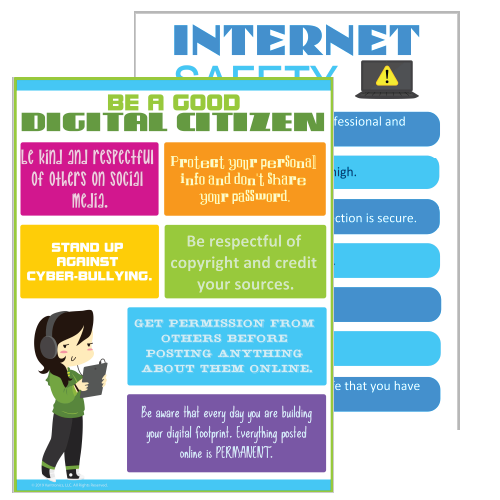
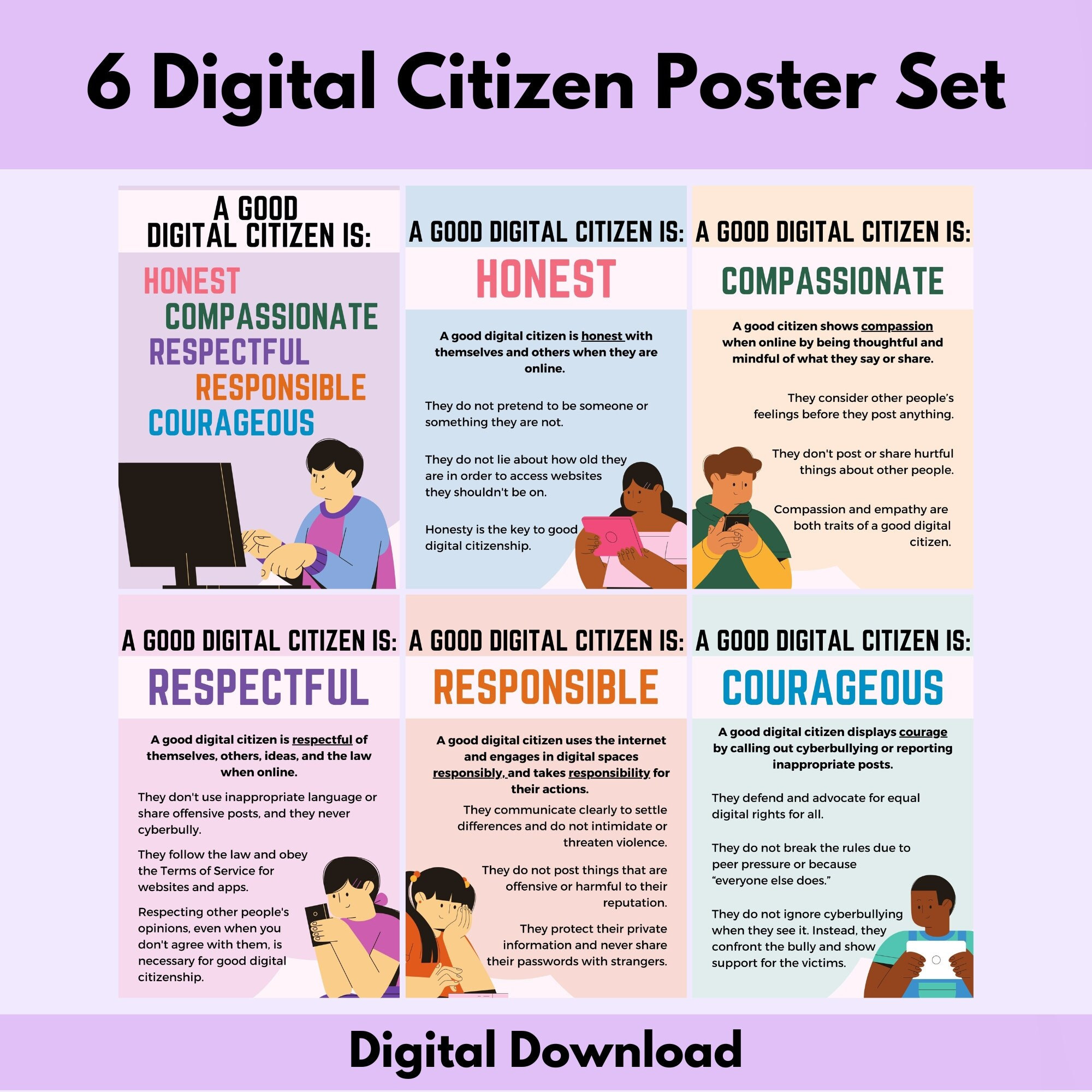
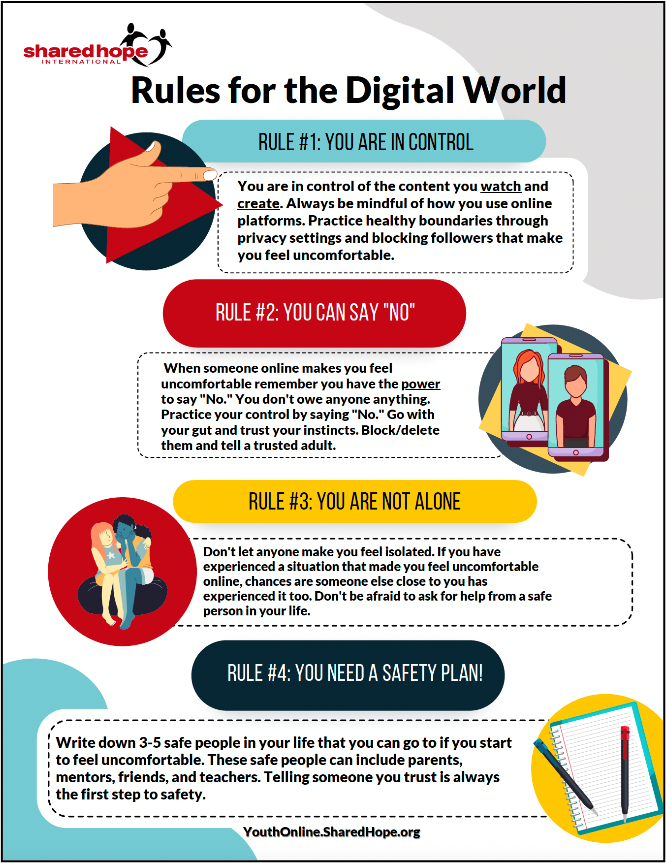
Digital citizenship education requires constant reinforcement across multiple modalities to shape permanent adolescent online habits. A properly designed digital citizenship and online safety poster distills complex cybersecurity frameworks—such as credential protection, digital footprint management, and empathetic communication—into easily digestible, memorable visual cues. Educators deploy these physical and virtual banners to address the unique vulnerabilities of middle school learners who are actively navigating social media platforms, multiplayer gaming networks, and school-issued Chromebooks. By establishing standardized visual anchors, educational institutions create a unified culture of accountability, empowering students to recognize predatory behavior, protect personal data, and maintain healthy screen boundaries throughout the academic year.
Key Specifications and Breakdown
| Safety Pillar | Digital Risk Factor | Actionable Protective Habit |
|---|---|---|
| Digital Footprint | Permanent archiving of inappropriate remarks or media. | Think twice before posting; ensure all content remains respectful and professional. |
| Cyberbullying Prevention | Harassment, exclusion, and targeted digital cruelty. | Block malicious accounts, save evidence, and report incidents immediately to trusted adults. |
| Device Hygiene | Malware infection, unauthorized tracking, and credential theft. | Log out of shared terminals, utilize strong passphrases, and update software regularly. |
Visual communication improves information retention and policy compliance by establishing consistent cognitive anchors across institutional environments. — Cybersecurity & Infrastructure Security Agency (CISA)
Step-by-Step Practical Application and Guidelines
Implementing effective visual safety resources begins with strategic placement in high-traffic zones where students congregate, such as library media centers, hallways, and computer laboratories. Educators should collaborate with student leadership groups to design or select posters that resonate with adolescent culture, ensuring the messaging avoids overly dense text in favor of bold typography, recognizable icons, and clear behavioral directives. Furthermore, schools can complement physical displays by distributing digital variants through Online and Digital Safety portals for home viewing. Reviewing these visual standards during homeroom check-ins or advisory periods transforms passive wall art into active discussion prompts, ensuring students internalize the core tenets of responsible internet navigation.
Common Challenges and How to Avoid Them
Poster degradation and student desensitization represent the primary obstacles when utilizing static visual media for ongoing behavioral compliance. To prevent visual fatigue, school administrators should rotate poster placements semesterly and integrate interactive elements, such as QR codes linking to student-friendly Worksheets and formative quizzes. Another common pitfall involves relying solely on punitive language rather than empowering instructions; effective signage emphasizes positive digital citizenship, constructive community participation, and supportive peer intervention rather than strictly listing prohibited actions. Maintaining a balanced focus on empowerment ensures students view digital safety guidelines as tools for success rather than arbitrary restrictions.
💬 Frequently Asked Questions
Explore More Kids Safety and Digital Citizenship Guides on SafeWiredSchools
Empowering the next generation of digital citizens requires access to comprehensive educational resources, evidence-based curricula, and practical classroom tools. Educators, parents, and school administrators can discover extensive safety strategies, downloadable instructional assets, and expert guidance by visiting the main directory at Safe Wired Schools to foster safer, more resilient digital learning communities.
Visual Reference Gallery