Introduction
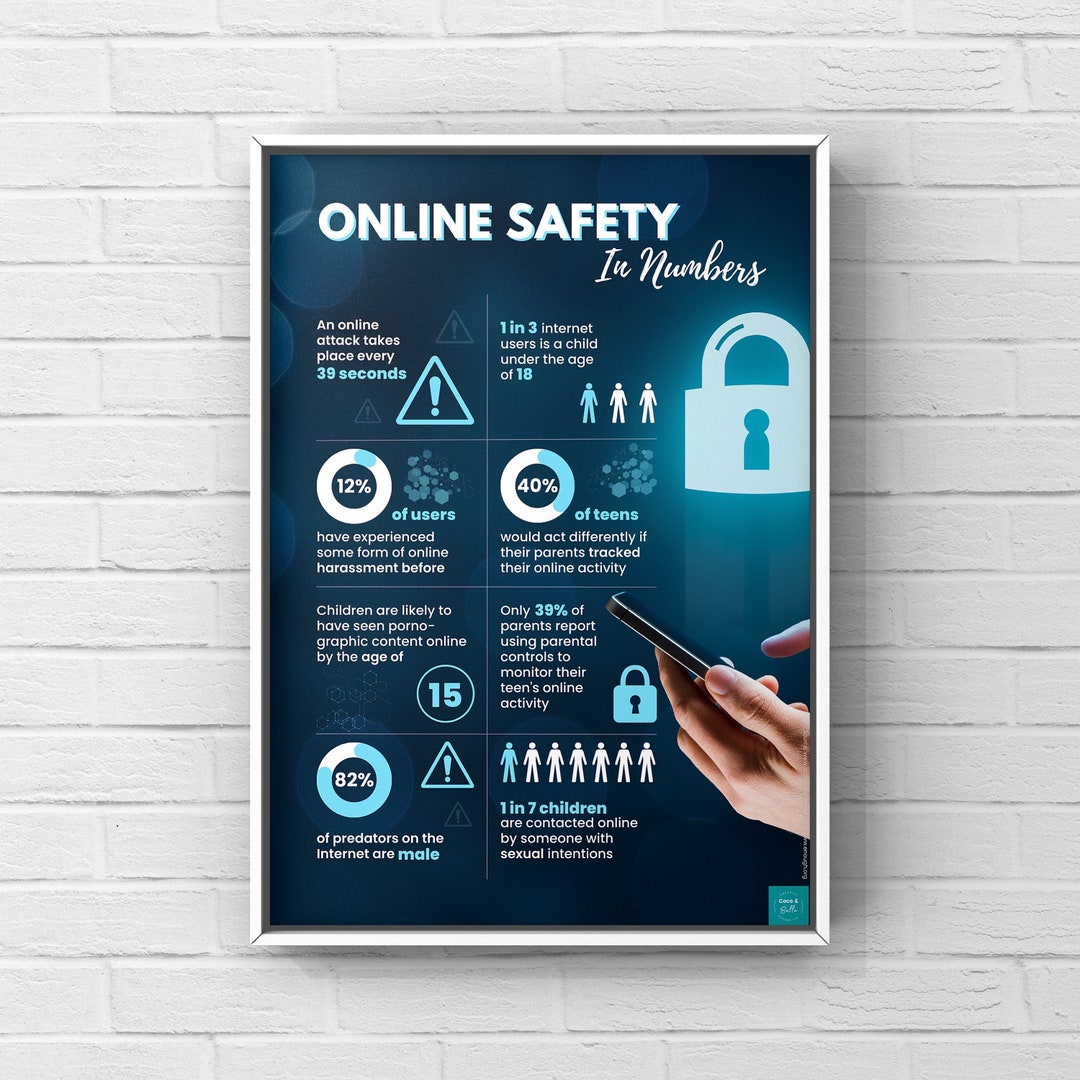
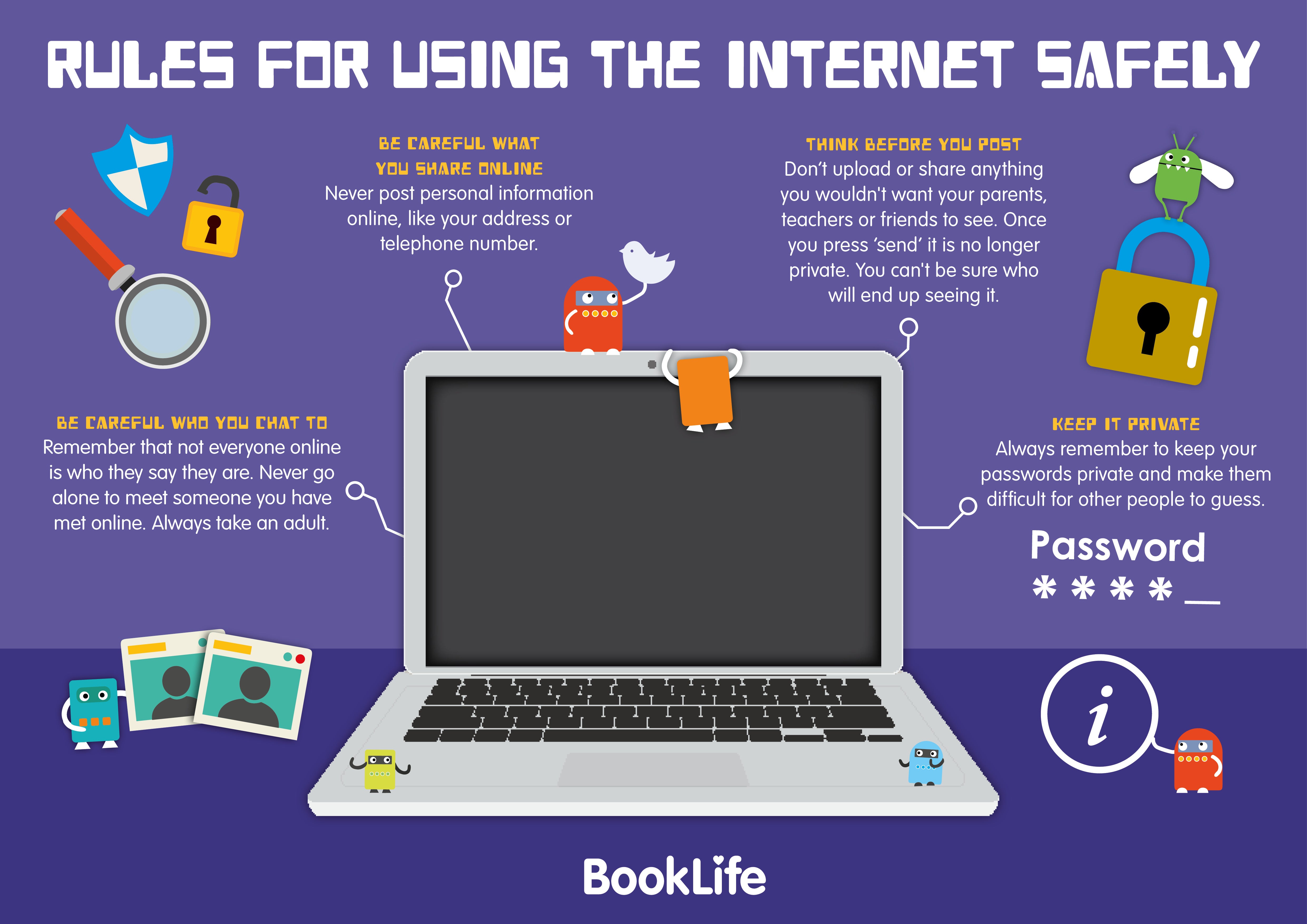
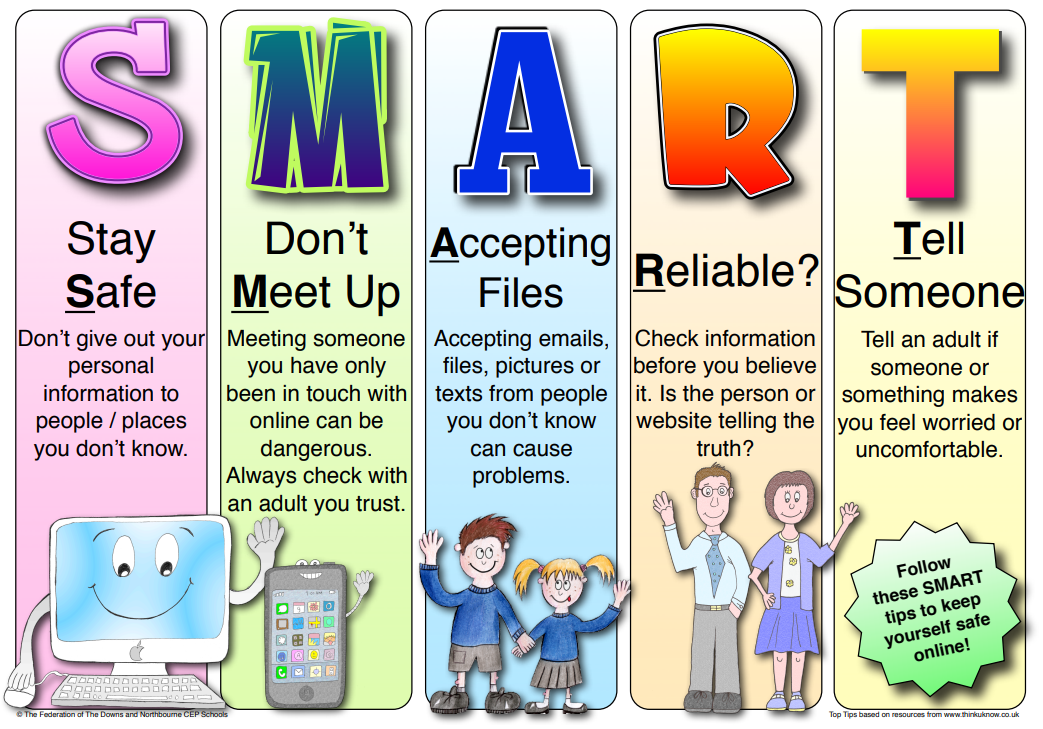
Digital skills and online safety encompass the technical proficiencies and protective behaviors required for students, educators, and parents to navigate networked environments securely and responsibly. According to ConnectSafely, establishing clear digital safety boundaries early prevents common online hazards and fosters positive student citizenship. Modern educational institutions demand robust operational frameworks that balance technological integration with rigorous cybersecurity hygiene and student welfare protocols. This comprehensive guide outlines tactical methods for safeguarding students across school networks, managing digital footprints, mitigating cyberbullying, and ensuring balanced screen utilization in classrooms.
Digital Safety Snapshot:
- Core Focus: Integration of technical proficiency with proactive online security habits for educational communities.
- Target Scope: Middle school classrooms, school district administrators, teachers, and supportive parents.
- Key Recommendation: Enforce proactive device hygiene and continuous digital citizenship instruction across all curricula.
Core Principles and Detailed Overview
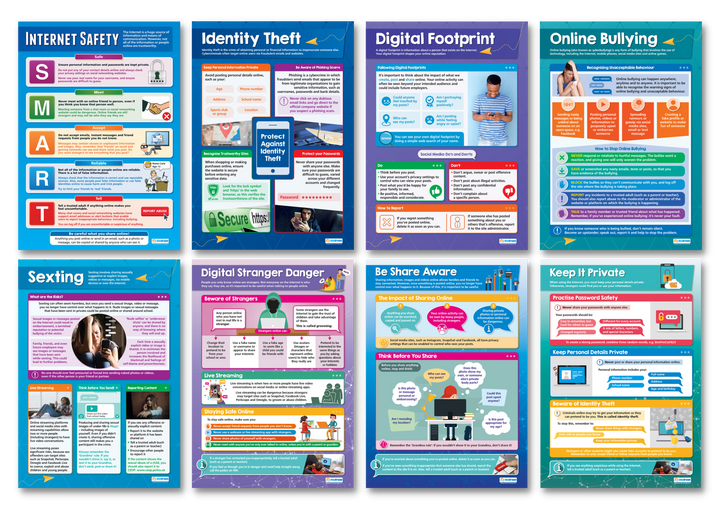
School internet safety requires a multi-layered defense model that protects institutional infrastructure while teaching students self-regulation and critical thinking. The modern student digital footprint accumulates permanently through learning management systems, collaborative documents, and school-issued email accounts, making reputation management a critical academic competency. Furthermore, effective cyberbullying prevention relies on establishing transparent reporting channels and cultivating empathetic online communication standards. Educators must balance these safeguards with sensible classroom screen policies, ensuring that digital devices serve as purposeful pedagogical tools rather than persistent distractions.
Key Specifications and Breakdown
| Safety Pillar | Digital Risk Factor | Actionable Protective Habit |
|---|---|---|
| Device Hygiene | Malware infection via unsecured downloads | Enforce automated patching and strict school firewall protocols |
| Digital Footprint | Permanent storage of inappropriate content | Conduct regular privacy audits and teach cautious sharing habits |
| Cyberbullying | Harassment via anonymous messaging apps | Implement immediate reporting mechanisms and peer mediation tools |
Continuous digital resilience requires educational communities to integrate cybersecurity fundamentals directly into everyday pedagogical activities — Cybersecurity and Infrastructure Security Agency (CISA)
Step-by-Step Practical Application and Guidelines
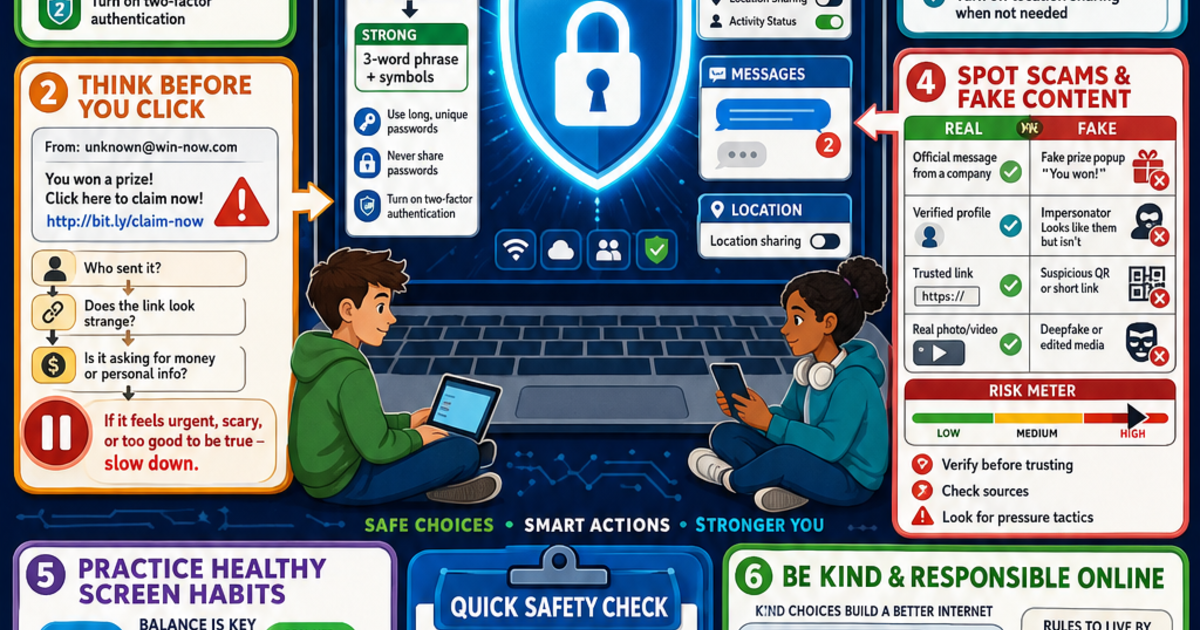
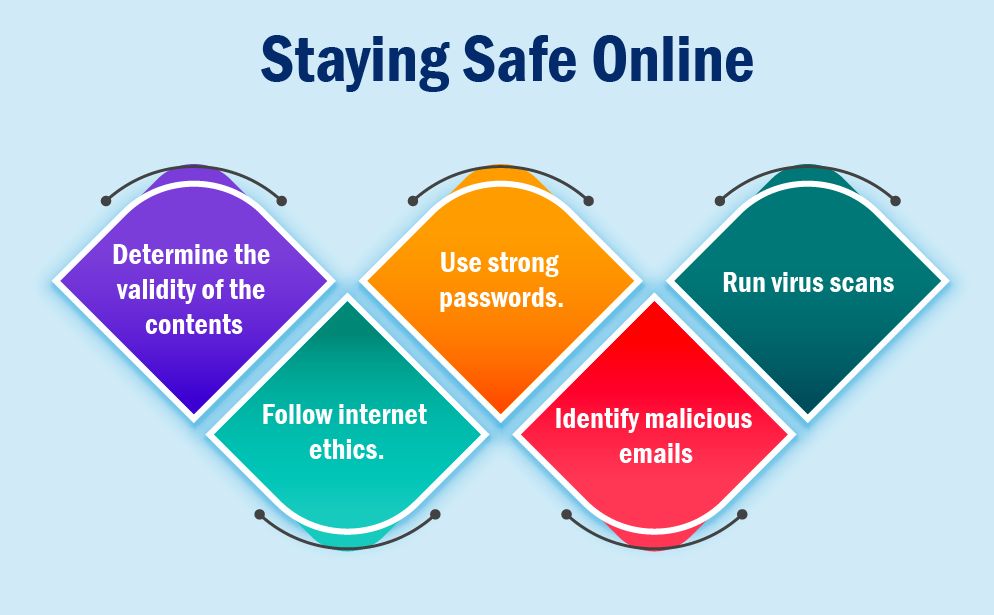
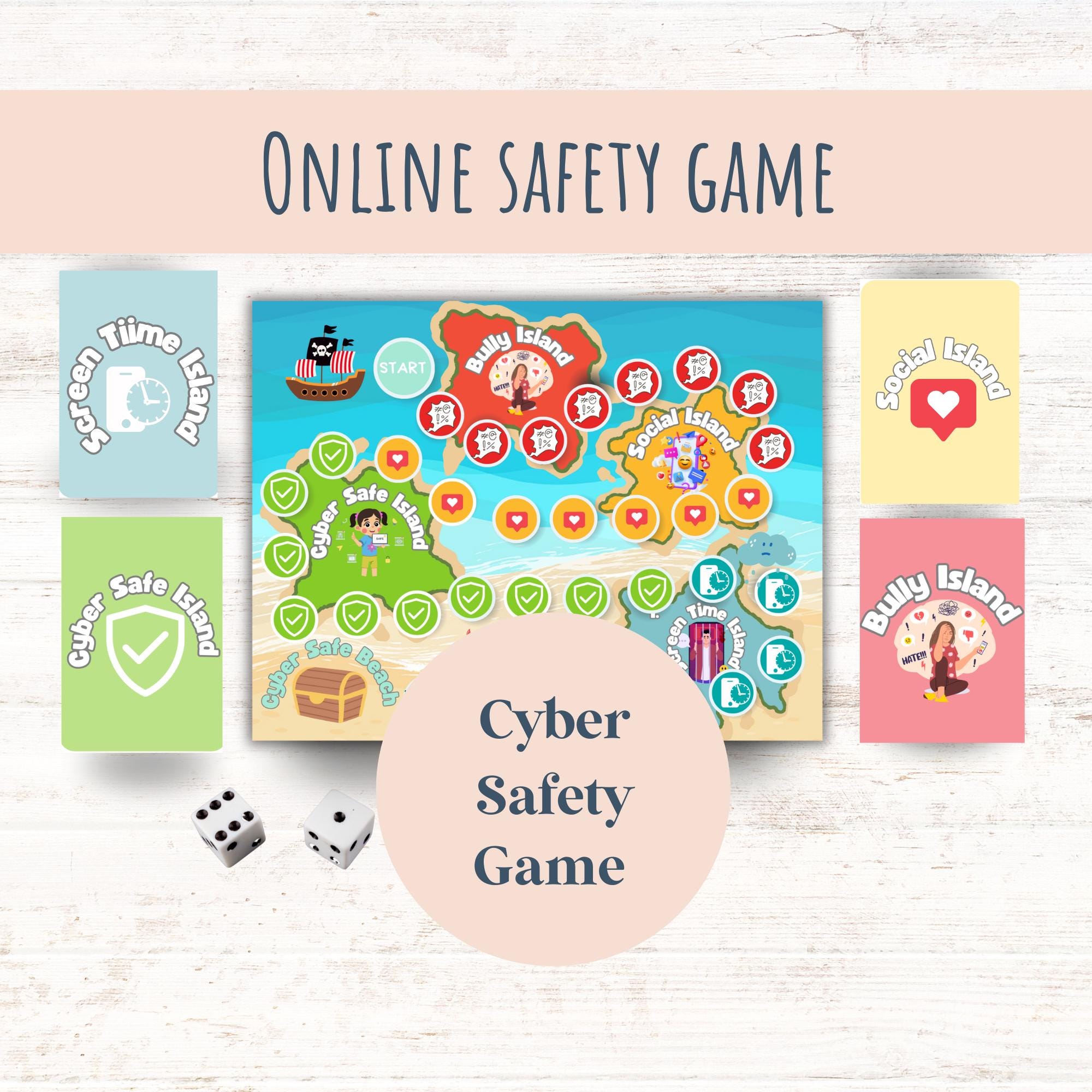
Executing a robust digital safety strategy involves establishing clear protocols for hardware management, account security, and behavioral expectations within learning environments. Administrators begin by configuring network filters that comply with the Children’s Internet Protection Act while granting appropriate access for research. Educators then incorporate foundational lessons on password complexity, two-factor authentication, and recognizing phishing attempts into daily instruction. Students learn to evaluate web sources critically and understand that online actions carry real-world consequences. Finally, schools utilize interactive Worksheets to reinforce cybersecurity concepts and assess student comprehension of safe digital practices.
Common Challenges and How to Avoid Them
Over-reliance on restrictive filtering without adequate digital citizenship education remains a primary pitfall in school environments, often driving students to seek bypass methods. Addressing this vulnerability requires shifting from punitive access blocks to proactive empowerment through guided Internet and Digital Safety modules that teach critical discernment. Additionally, fragmented communication between homes and schools frequently leaves gaps in monitoring device hygiene. Establishing unified reporting procedures and distributing practical guides through channels such as Online and Digital Safety resources ensures consistent supervision across both physical and virtual learning spaces.
💬 Frequently Asked Questions
Explore More Kids Safety and Digital Citizenship Guides on SafeWiredSchools
Comprehensive digital safety requires ongoing education, collaborative community engagement, and accessible teaching materials tailored for diverse age groups. Educators and parents are encouraged to explore the extensive resource catalog available at Safe Wired Schools to discover additional lesson plans, policy frameworks, and creative student materials like Coloring Pages designed to reinforce responsible digital citizenship from an early age.
Visual Reference Gallery