Introduction
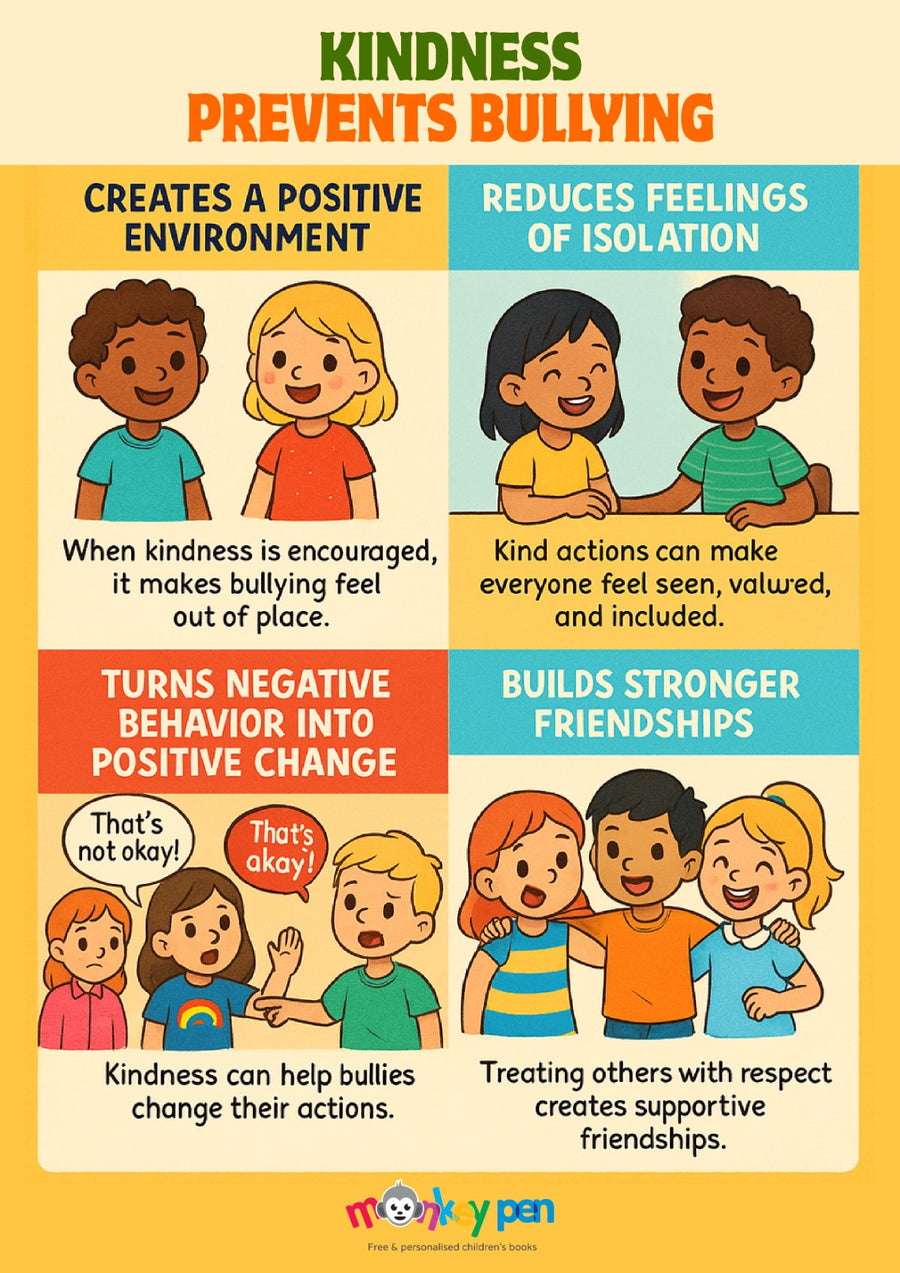
Digital bullying prevention activities for young children comprise structured, developmentally appropriate exercises designed to instill empathy, promote positive social interactions, and establish healthy communication habits online. According to ConnectSafely, establishing early digital boundaries and teaching respectful communication forms the cornerstone of effective cyberbullying prevention in educational environments. Educators and administrators deploy these initiatives to mitigate the risks associated with early device exposure, ensuring students grasp the permanence of a digital footprint while navigating school networks safely. Implementing these proactive measures requires balancing classroom screen time, reinforcing device hygiene, and maintaining open dialogue across the entire school community. Educators seeking foundational materials often integrate Coloring Pages into early childhood lessons to visualize kindness and digital citizenship concepts.
Digital Safety Snapshot:
- Core Focus: Early childhood interventions that foster empathy, respect, and safe online communication habits.
- Target Scope: Early education classrooms, elementary schools, and foundational student development programs.
- Key Recommendation: Integrate interactive role-playing and guided visual exercises to solidify online safety rules.
Core Principles and Detailed Overview
Proactive digital citizenship frameworks integrate foundational behavioral expectations into daily school routines to prevent online harassment before it manifests. Direct answer highlights that comprehensive prevention strategies combine continuous device hygiene, structured classroom screen balance, and explicit instruction on emotional literacy in digital spaces. When young learners understand how their words impact peers through interactive Worksheets, behavioral incidents decrease significantly. Furthermore, educators maintain strict oversight of school internet safety protocols, teaching students how to recognize inappropriate messaging and report concerning online interactions immediately. Collaborative school environments utilize these exercises to bridge the gap between home device usage and structured institutional policies.
Key Specifications and Breakdown
| Safety Pillar | Digital Risk Factor | Actionable Protective Habit |
|---|---|---|
| Digital Footprint | Permanent storage of inappropriate text or images | Reviewing online actions before posting and practicing privacy awareness. |
| Screen Balance | Excessive unsupervised device usage leading to fatigue | Enforcing scheduled offline breaks and designated technology-free zones. |
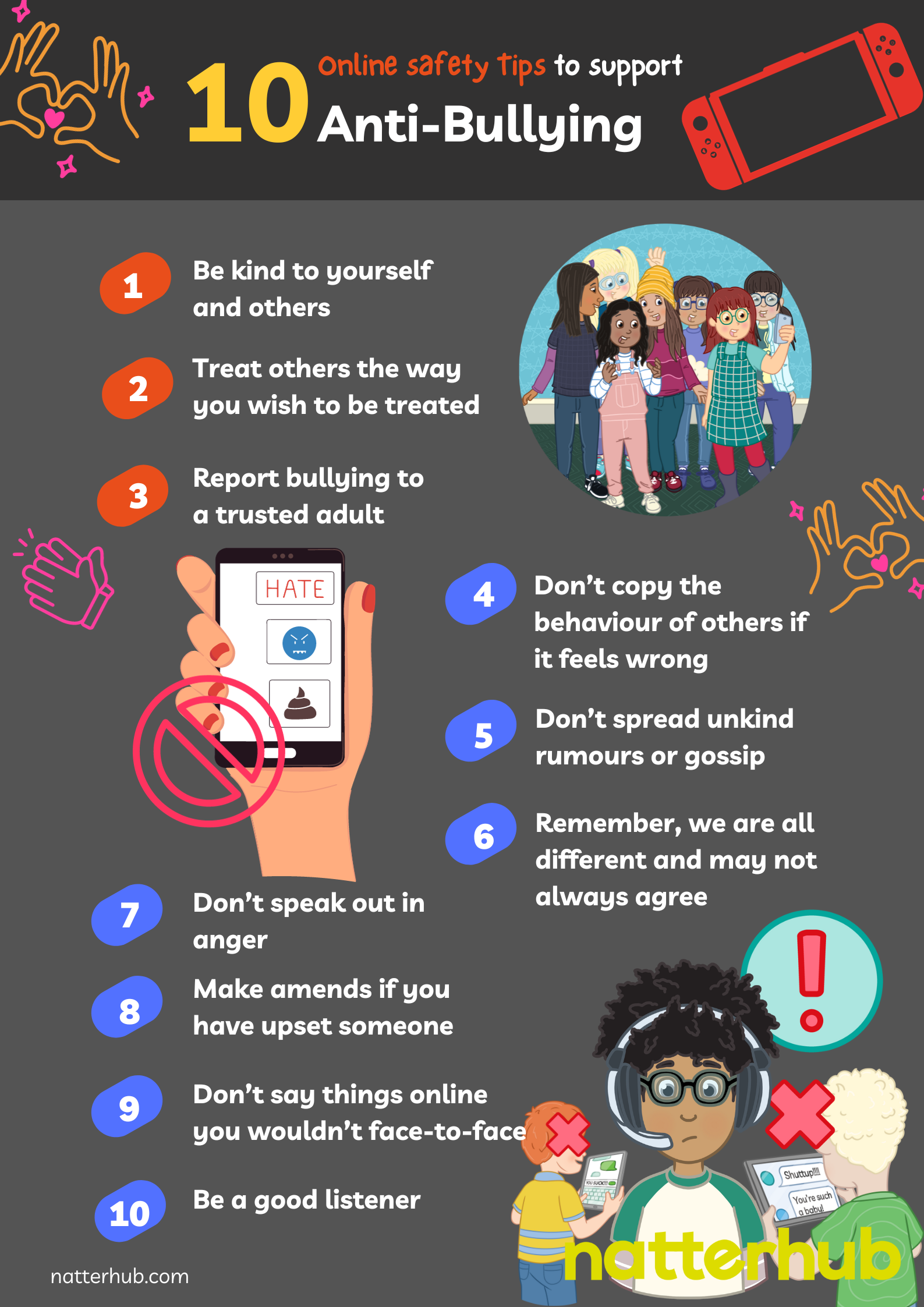
| Cyber Prevention | Anonymous harassment and exclusionary messaging behaviors | Reporting mean-spirited communication to trusted adults immediately. |
Empowerment through early digital literacy significantly reduces negative online behaviors and fosters inclusive school environments. — ConnectSafely Research
Visual Reference Gallery




Step-by-Step Practical Application and Guidelines
Effective implementation of anti-bullying curricula requires systematic execution across daily instructional periods and digital labs. Direct answer emphasizes that educators must first establish clear behavioral baselines, introduce interactive empathy scenarios, and routinely review device usage protocols with young students. Schools build robust defenses by teaching students how to block senders, save digital evidence of inappropriate behavior, and notify designated staff members. Aligning these instructional units with broader Internet and Digital Safety modules ensures consistency across all grade levels. Regular reinforcement through guided discussions guarantees that children internalize protective habits rather than merely memorizing safety rules.
Common Challenges and How to Avoid Them
Overcoming inconsistent home reinforcement and detecting covert digital aggression remain primary hurdles for educators implementing online safety programs. Direct answer states that mitigating these obstacles requires open communication channels between schools and families, combined with continuous monitoring of classroom screen balance. Educators must avoid treating digital citizenship as a one-time lesson, opting instead for recurring, spiral instruction that adapts as children grow. Clear boundaries regarding device handling during instructional hours prevent unauthorized messaging and reduce opportunities for exclusionary peer dynamics. Expanding educators’ institutional knowledge through resources like Online and Digital Safety helps staff address emerging technological risks effectively.