Introduction
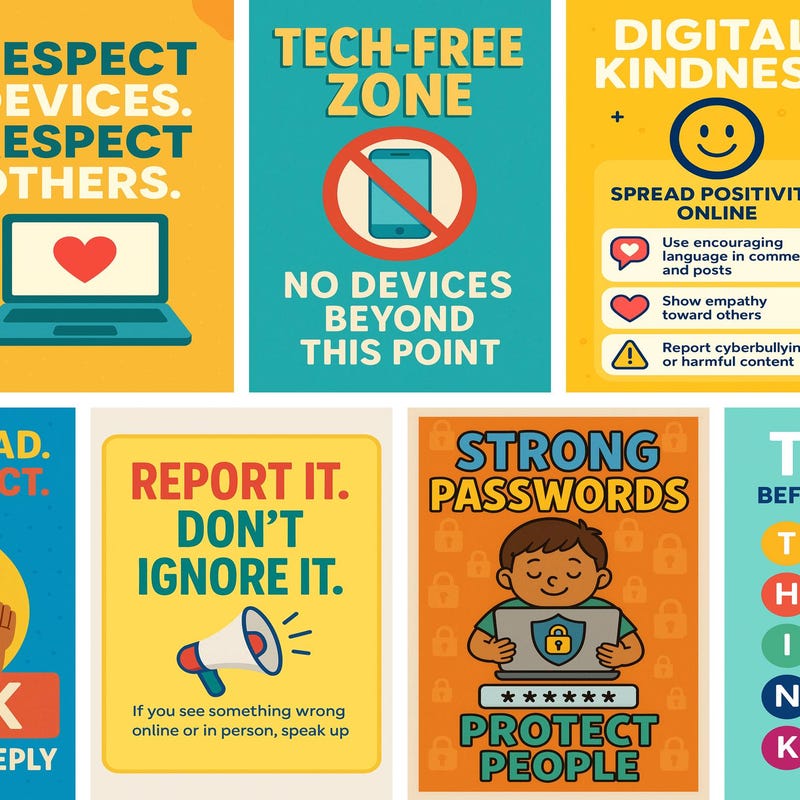
Digital citizenship and online safety picture a comprehensive blueprint for guiding students, educators, and families through responsible technology use, cyber threat mitigation, and healthy digital habits in modern educational environments. According to the Cybersecurity and Infrastructure Security Agency (CISA), proactive cybersecurity awareness and structured digital citizenship programs dramatically reduce school network vulnerabilities while fostering positive online behaviors among adolescents. Establishing a clear visual and mental framework regarding digital citizenship ensures that middle school students navigate online spaces with critical thinking, ethical consideration, and technical resilience. Integrating these protective strategies into everyday classroom routines safeguards institutional data, prevents cyberbullying, and promotes balanced screen consumption. Educators and administrators can further reinforce these concepts by utilizing specialized educational resources such as Internet and Digital Safety modules.
Digital Safety Snapshot:
- Core Focus: Constructing a holistic digital citizenship and online safety picture for middle school environments.
- Target Scope: Schools, classrooms, educators, parents, and adolescent students managing daily digital footprints.
- Key Recommendation: Enforce proactive device hygiene and continuous digital literacy dialogue across all grade levels.
Core Principles and Detailed Overview
Digital citizenship and online safety picture a multi-tiered framework encompassing digital footprint management, privacy protection, cyberbullying prevention, and balanced screen utilization. Building a robust safety framework requires continuous education regarding how permanent digital records impact future academic and professional opportunities. Students must learn to evaluate digital content critically, recognizing misinformation and practicing respectful online communication across learning management systems. Furthermore, school administrators must establish clear device hygiene protocols to protect institutional servers from malware, phishing scams, and unauthorized data breaches. Comprehensive oversight bridges the gap between technical firewall defense and student behavioral accountability.
Key Specifications and Breakdown
| Safety Pillar | Digital Risk Factor | Actionable Protective Habit |
|---|---|---|
| Digital Footprint | Permanent public exposure of personal information | Audit privacy settings weekly and restrict public profile indexing. |
| Cyberbullying Defense | Harassment via messaging apps and school platforms | Document abusive exchanges immediately and utilize anonymous reporting tools. |
| Device Hygiene | Malware infections and compromised school accounts | Enforce multi-factor authentication and regular software updates. |
Proactive cyber defense and digital citizenship education reduce school network security incidents by establishing standardized behavioral guardrails across all connected student devices. — Cybersecurity & Infrastructure Security Agency (CISA)
Step-by-Step Practical Application and Guidelines
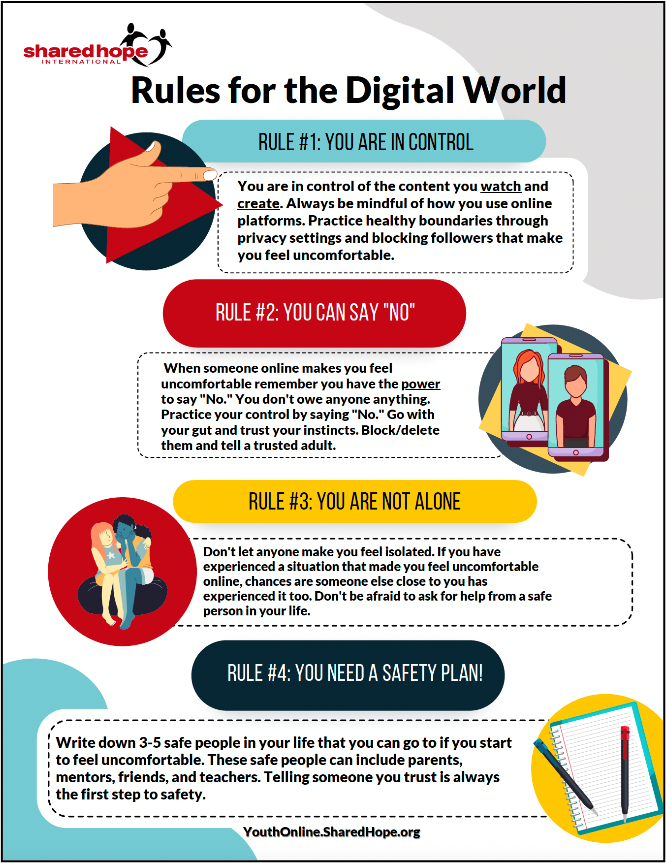
Implementing effective digital safety protocols requires an organized, step-by-step approach tailored to the unique developmental needs of middle school students. Schools begin by establishing explicit acceptable use policies that outline behavioral boundaries for school-issued and personal devices during instructional hours. Educators subsequently integrate targeted lessons addressing password strength, social engineering tactics, and respectful online discourse into standard curricula. For hands-on reinforcement, instructors often incorporate visual learning aids like Online and Digital Safety materials to make abstract cybersecurity concepts concrete for younger learners. Finally, institutions schedule regular digital audits and open forums where students and parents can discuss emerging online challenges without fear of punitive action.
Common Challenges and How to Avoid Them
Overcoming frequent obstacles in student internet safety demands vigilance against hidden vulnerabilities, notification fatigue, and covert peer-to-peer cyberbullying. A primary challenge involves students bypassing school content filters through unauthorized proxy networks or personal cellular data hotspots. Educational leaders combat this evasion by conducting random hardware audits and educating students on the operational risks associated with network circumvention tools. Additionally, addressing screen time imbalance requires setting strict boundaries that separate academic research from recreational scrolling during instructional blocks. Proactive administrative intervention ensures that technological tools enhance learning outcomes rather than serving as perpetual distractions.
💬 Frequently Asked Questions
Explore More Kids Safety and Digital Citizenship Guides on SafeWiredSchools
Navigating the complexities of modern educational technology requires ongoing education, reliable policy frameworks, and continuous access to verified instructional resources. Educators, parents, and school administrators are encouraged to explore the comprehensive library of tools available at Safe Wired Schools to maintain secure, supportive, and digitally responsible learning communities. Strengthening institutional safety standards begins with utilizing trusted educational guides and specialized resources tailored for every grade level.
Visual Reference Gallery