Introduction
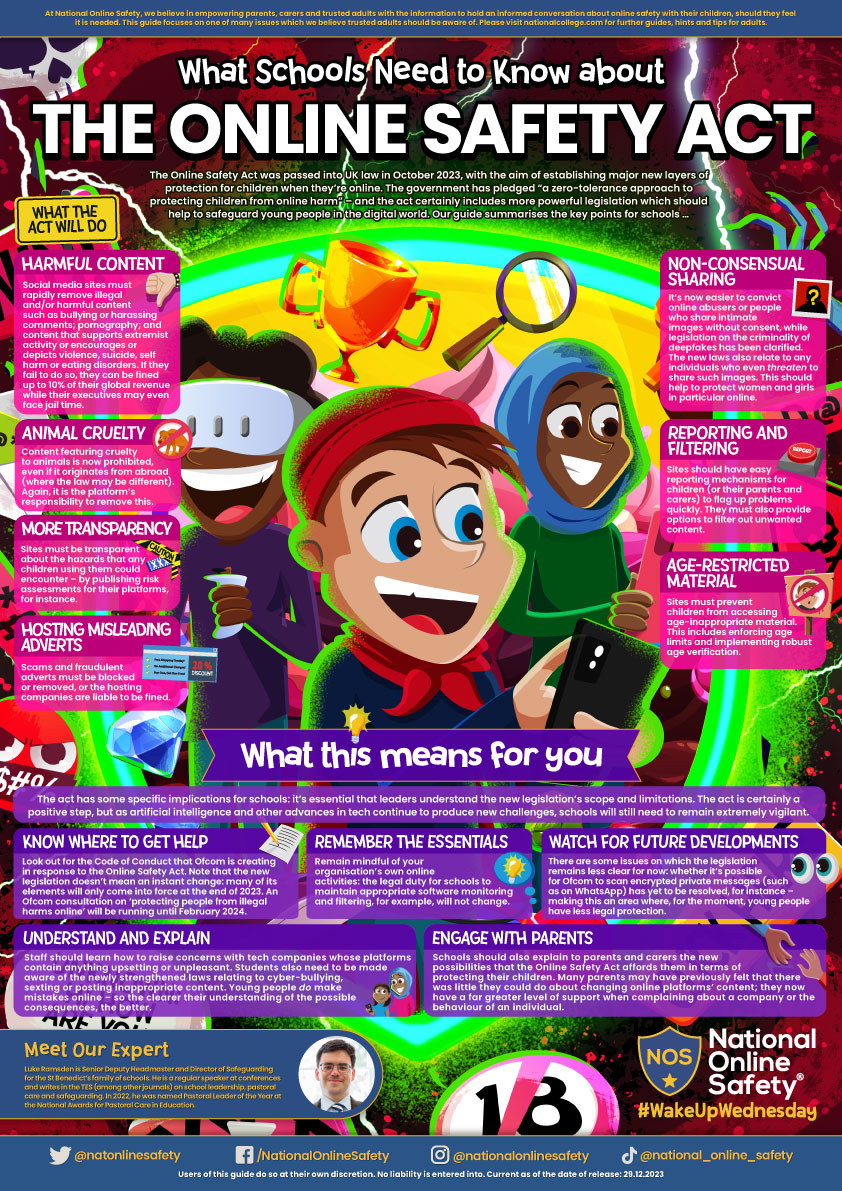
Online safety digital literacy is the systematic ability to critically evaluate digital media, manage personal information securely, and navigate online environments responsibly. According to the Family Online Safety Institute (FOSI), equipping students with proactive digital citizenship frameworks fundamentally mitigates online risks while maximizing educational technology benefits. Educational institutions, parents, and community stakeholders must collaborate to instill comprehensive safety habits that protect developing learners across all connected platforms. Navigating modern classrooms requires robust strategies detailed further within Internet and Digital Safety modules.
Digital Safety Snapshot:
- Core Focus: Comprehensive online safety digital literacy for school-aged students.
- Target Scope: Middle school classrooms, administration policies, and home-school digital guidelines.
- Key Recommendation: Implement continuous critical thinking exercises alongside routine device hygiene practices.
Core Principles and Detailed Overview
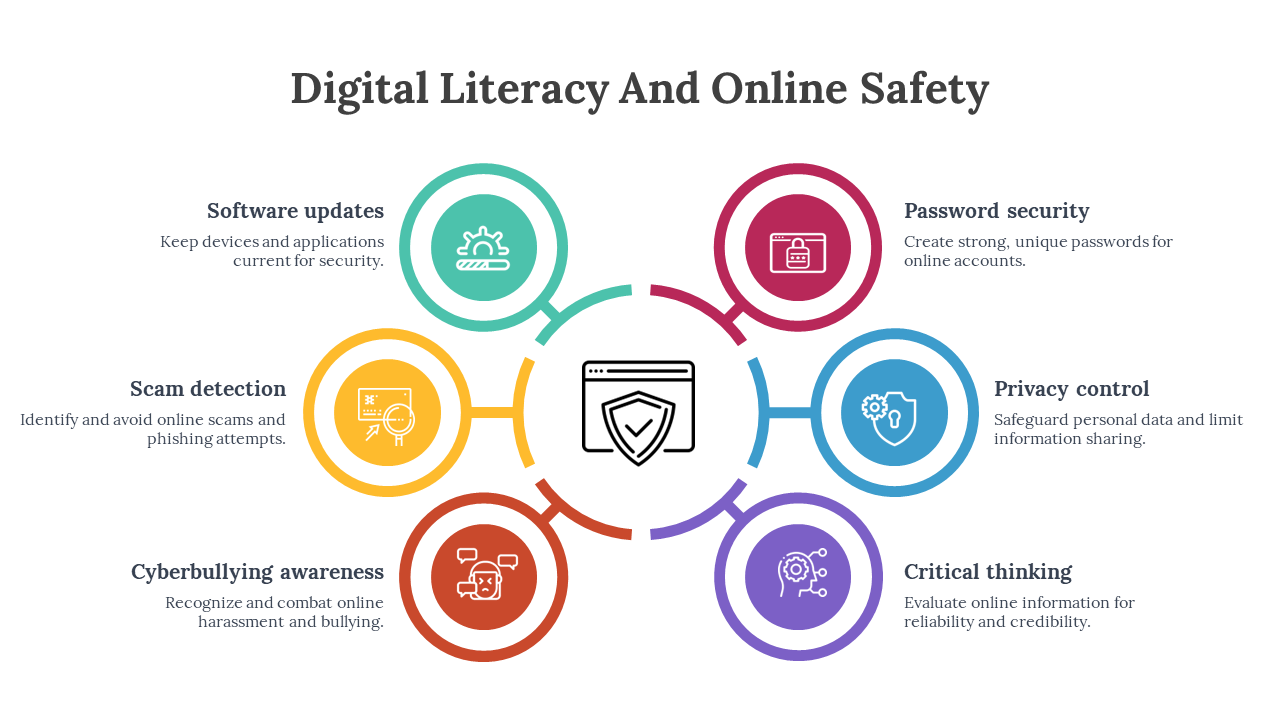
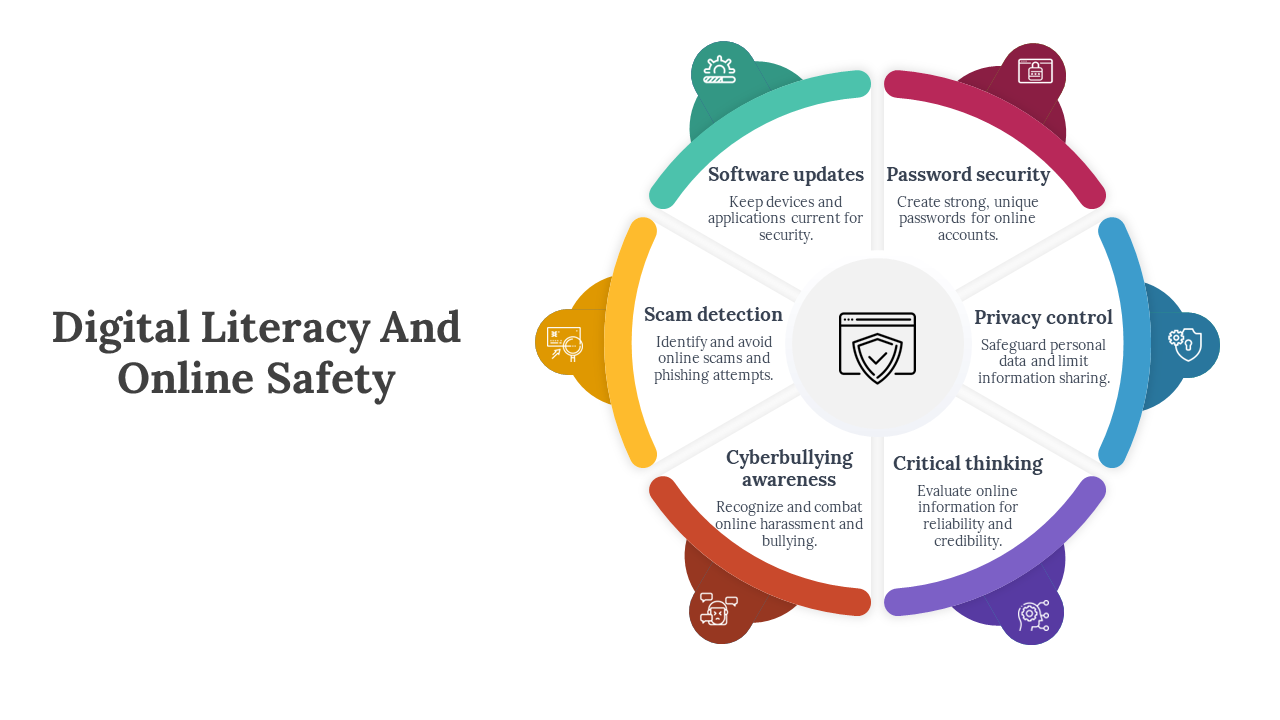
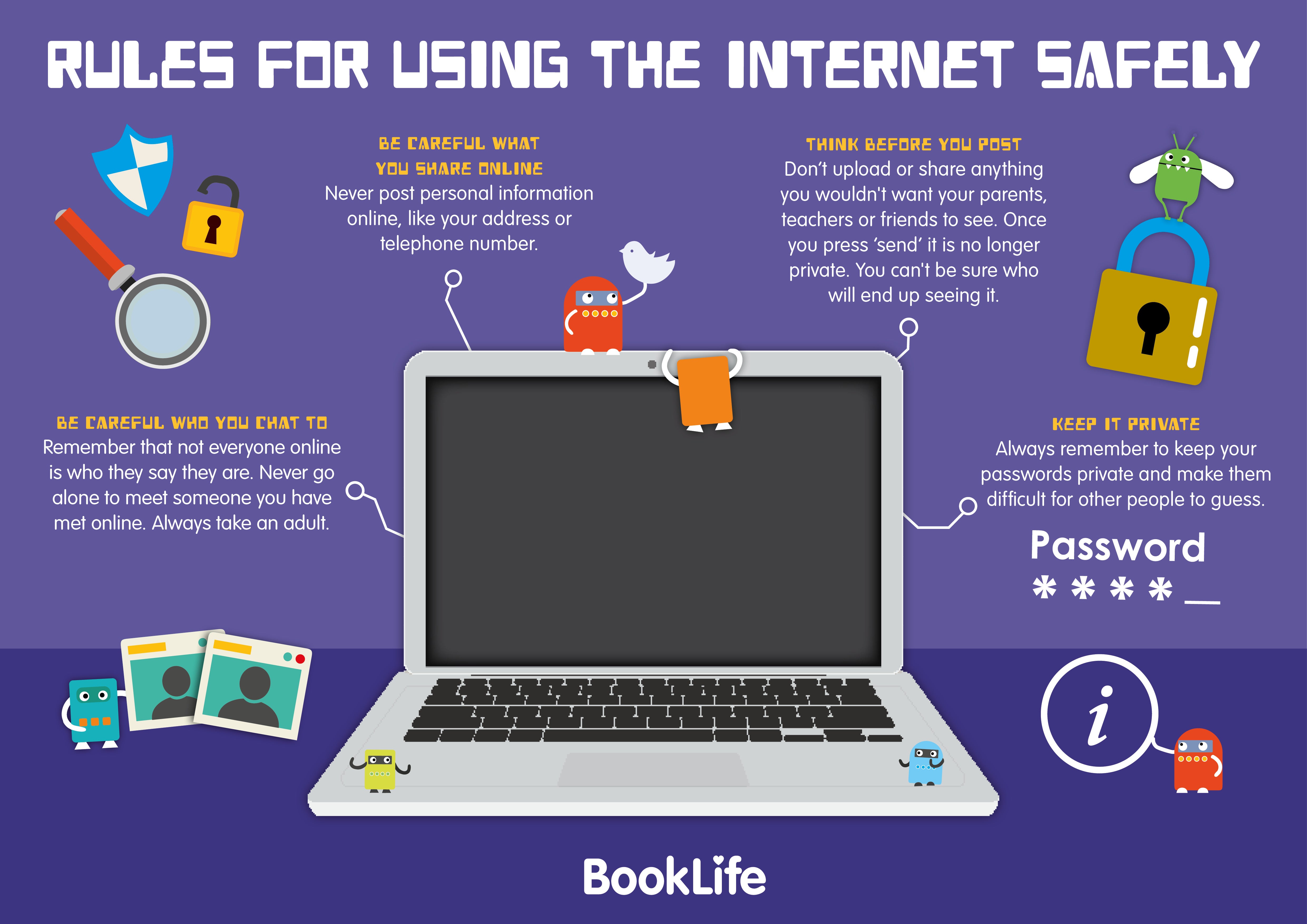
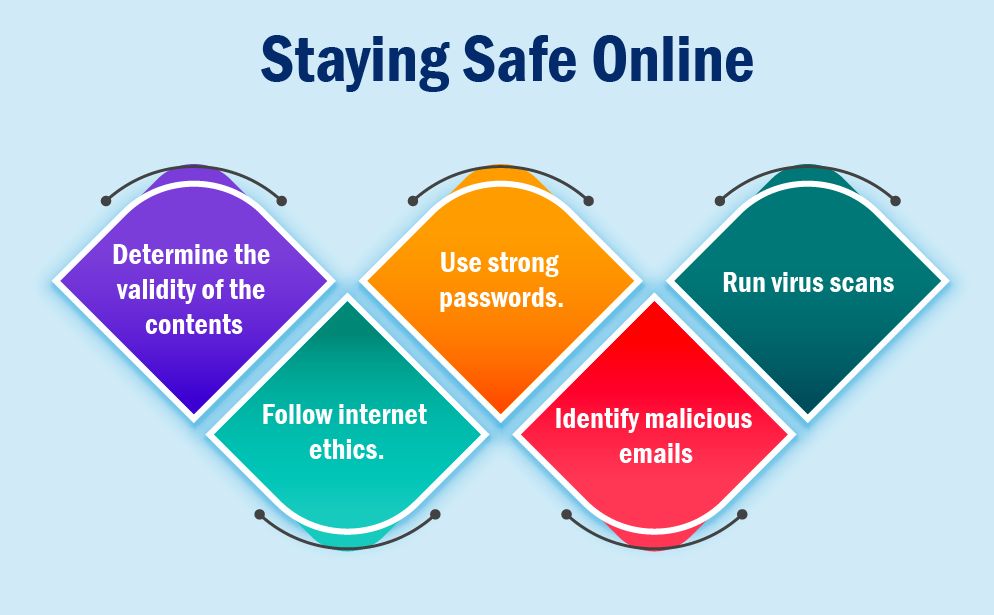
Online safety digital literacy operates on five core pillars: critical evaluation, privacy preservation, proactive cyberbullying prevention, device hygiene, and intentional screen balance. Students must transition from passive consumers of digital media to active analysts who can discern misinformation, secure credentials, and recognize predatory online behaviors. Educational curricula integrate these competencies directly into daily coursework to ensure that young users understand how every digital action contributes to a permanent, searchable record. Educators reinforce these lessons effectively using standardized resources found under Online and Digital Safety guidelines.
Key Specifications and Breakdown
| Safety Pillar | Digital Risk Factor | Actionable Protective Habit |
|---|---|---|
| Digital Footprint | Permanent reputation damage from inappropriate posts | Review privacy settings weekly and practice the permanent billboard rule. |
| Cyberbullying Prevention | Hidden harassment and exclusion within school apps | Document harmful communications immediately and report incidents securely. |
| Device Hygiene | Malware infection and unauthorized account access | Update operating systems regularly and utilize complex unique passwords. |
Digital citizenship education must be woven seamlessly into everyday academic instruction rather than treated as an isolated annual seminar — Cybersecurity & Infrastructure Security Agency (CISA)
Step-by-Step Practical Application and Guidelines
Implementing robust safety protocols requires a structured, multi-phase approach tailored to middle school developmental milestones. First, establish clear institutional boundaries regarding acceptable device usage during instructional hours. Second, teach students how to identify social engineering tactics, phishing attempts, and aggressive digital interactions. Third, mandate regular account audits where students review connected third-party applications and tighten security permissions. Fourth, foster open dialogue between educators and students regarding negative peer pressure and digital stress. Fifth, integrate practical offline alternatives to maintain healthy cognitive boundaries during heavy screen-time cycles.
Common Challenges and How to Avoid Them
Underestimating the subtlety of modern peer exclusion often leads schools to miss early indicators of escalating digital distress. Educators frequently encounter complacency regarding default software settings, assuming factory configurations provide adequate privacy protection. Overcoming these vulnerabilities demands active administrative oversight, mandatory software patching schedules, and explicit guidance regarding secondary communication channels. Supplemental activities such as Worksheets provide structured learning opportunities to reinforce these protective concepts effectively.
💬 Frequently Asked Questions
Explore More Kids Safety and Digital Citizenship Guides on SafeWiredSchools
Building a secure, resilient digital community requires ongoing education, administrative collaboration, and continuous resource sharing. Stakeholders can access an extensive library of expert-vetted curricula, interactive exercises, and supportive teaching materials by visiting Safe Wired Schools today.
Visual Reference Gallery