Introduction
An internet safety online course delivers structured digital literacy training designed to protect students from online threats while fostering responsible technology usage in educational and home settings. According to the Family Online Safety Institute (FOSI), equipping young users with proactive digital citizenship frameworks drastically minimizes exposure to online risks and promotes positive digital habits. Modern educational institutions, parents, and educators increasingly rely on targeted digital training modules to safeguard student well-being across connected devices. Integrating specialized safety curricula into daily instruction ensures learners navigate virtual landscapes securely, manage personal data privacy effectively, and maintain healthy boundaries with classroom screens. Comprehensive digital training covers fundamental device hygiene, data protection, and respectful online communication strategies that benefit middle school students and their communities.
Digital Safety Snapshot:
- Core Focus: A certified internet safety online course provides structured modules on digital footprint management, cyberbullying mitigation, and secure device habits.
- Target Scope: Tailored specifically for middle school students, classroom educators, school administrators, and concerned parents.
- Key Recommendation: Mandate foundational digital citizenship training prior to issuing personal school-managed digital devices.
Core Principles and Detailed Overview
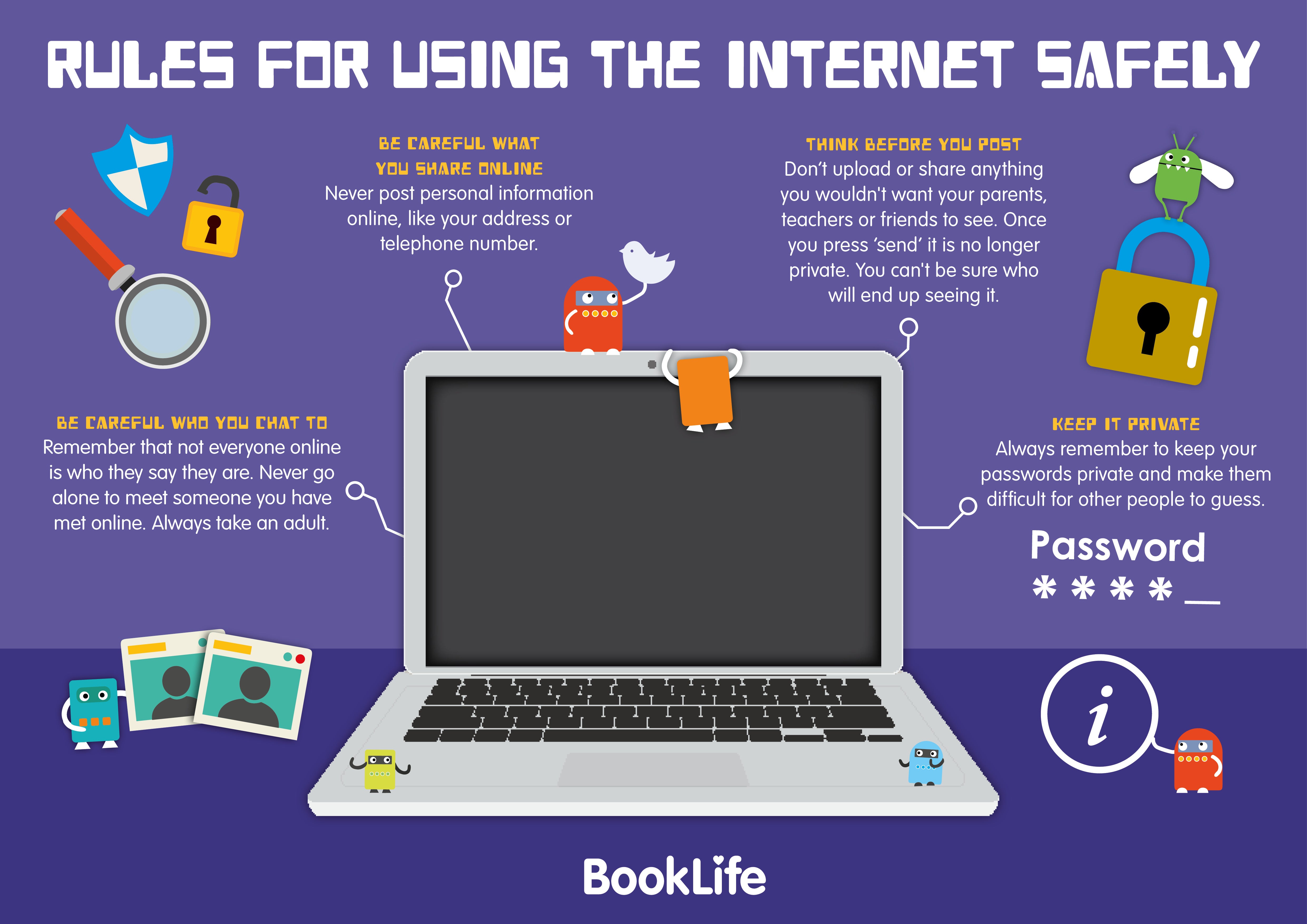
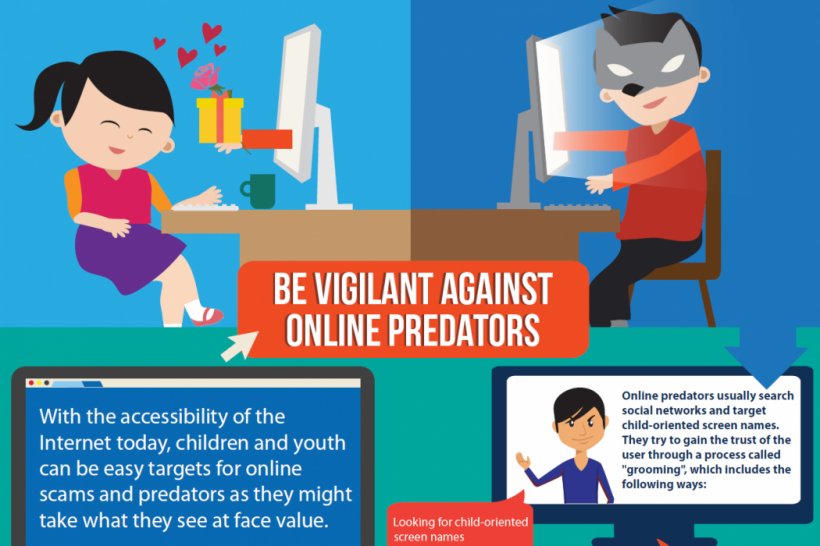
An internet safety online course establishes critical digital boundaries by addressing student data privacy, respectful peer communication, and physical screen balance within academic environments. Educational institutions must address the complex intersection of academic technology integration and personal cyber vulnerability. When students engage with structured online lessons, comprehension of digital permanence improves significantly. Every shared image, comment, and profile update contributes to an immutable digital footprint that colleges and future employers eventually review. Therefore, teaching young adolescents to curate a positive online presence is as vital as teaching traditional academic subjects. Furthermore, structured digital modules teach children how to recognize manipulative online behaviors, phishing attempts, and predatory interactions before exploitation occurs.
Key Specifications and Breakdown
| Safety Pillar | Digital Risk Factor | Actionable Protective Habit |
|---|---|---|
| Digital Footprint | Permanent archiving of embarrassing or inappropriate student posts | Reviewing privacy settings weekly and pausing before publishing content |
| Cyberbullying Defense | Harassment, exclusion, and malicious rumors spread via messaging apps | Documenting abusive evidence immediately and reporting incidents to trusted adults |
| Device Hygiene | Malware installation, weak credentials, and unauthorized account access | Deploying complex multi-factor authentication and updating software regularly |
Comprehensive digital citizenship programs must emphasize empathy, security hygiene, and critical thinking across all connected learning environments. — Cybersecurity and Infrastructure Security Agency (CISA)
Step-by-Step Practical Application and Guidelines
Implementing an internet safety online course effectively requires a coordinated, multi-phase approach involving administrators, teachers, and parents working in tandem. Initial rollout phases begin with assessing current institutional network vulnerabilities and establishing clear acceptable use policies for all classroom devices. Educators then integrate interactive lessons addressing cyberbullying prevention and respectful communication into daily lesson plans, reinforcing concepts through practical Worksheets that prompt critical thinking. Following classroom instruction, parents reinforce these lessons at home by establishing tech-free zones and monitoring evening screen balance. Continuous review and refresher modules ensure that evolving digital threats, such as sophisticated social engineering tactics, are addressed proactively throughout the academic year.
Common Challenges and How to Avoid Them
Overcoming student disengagement and inconsistent policy enforcement remains a primary hurdle when administering digital safety curricula in schools. Educational programs often fail when instruction remains purely theoretical rather than incorporating real-world scenarios relevant to middle school social dynamics. To prevent student apathy, schools utilize gamified learning modules, interactive media literacy exercises, and creative Coloring Pages for younger learners to reinforce concepts visually. Additionally, schools must bridge the digital divide between educators and tech-savvy students by providing ongoing professional development for faculty members. Establishing open communication channels ensures students feel safe reporting cyberbullying incidents without fear of losing device privileges.
💬 Frequently Asked Questions
Explore More Kids Safety and Digital Citizenship Guides on SafeWiredSchools
Empowering the next generation of digital citizens requires continuous learning, robust administrative frameworks, and active parental involvement. Educators and families are encouraged to explore the comprehensive resource library available through Safe Wired Schools to discover expert-backed strategies, engaging lesson plans, and foundational safety guidelines tailored for modern educational communities.
Visual Reference Gallery