Introduction
Internet and cyber safety encompasses the critical practices, protective technologies, and behavioral protocols required to safeguard users from digital threats, privacy breaches, and online exploitation within educational and domestic environments. According to ConnectSafely, digital safety education must empower students to navigate connected networks securely while maintaining positive reputations and mental wellbeing. Modern digital citizenship requires a concerted effort from school administrators, classroom educators, parents, and middle school students to establish secure device handling, uphold stringent privacy standards, and prevent digital harm across all school-issued and personal devices.
Digital Safety Snapshot:
- Core Focus: Comprehensive protection against online threats, identity exposure, and cyberbullying in educational settings.
- Target Scope: Middle school students, classroom educators, school administrators, and concerned parents managing connected learning environments.
- Key Recommendation: Implement continuous digital literacy training combined with proactive network monitoring and strict device hygiene.
Core Principles and Detailed Overview
Digital safety relies on managing the permanent student digital footprint, mitigating school network vulnerabilities, and enforcing healthy classroom screen balance. Every online action—ranging from forum posts and collaborative document comments to media uploads—contributes to a permanent public record that influences future academic and professional opportunities. Educational institutions must balance open technological access with robust firewalls and content filters that block malicious payloads while encouraging structured digital exploration. Educators play a pivotal role by integrating lessons on Internet and Digital Safety directly into daily curricula, ensuring adolescent learners recognize phishing attempts, unauthorized data collection, and social engineering tactics.
Key Specifications and Breakdown
| Safety Pillar | Digital Risk Factor | Actionable Protective Habit |
|---|---|---|
| Digital Footprint | Permanent storage of inappropriate text or media | Review all public privacy settings and pause before posting content online. |
| Cyberbullying Prevention | Anonymous harassment, exclusion, or digital intimidation | Document malicious messages via screenshots and report incidents immediately to trusted adults. |
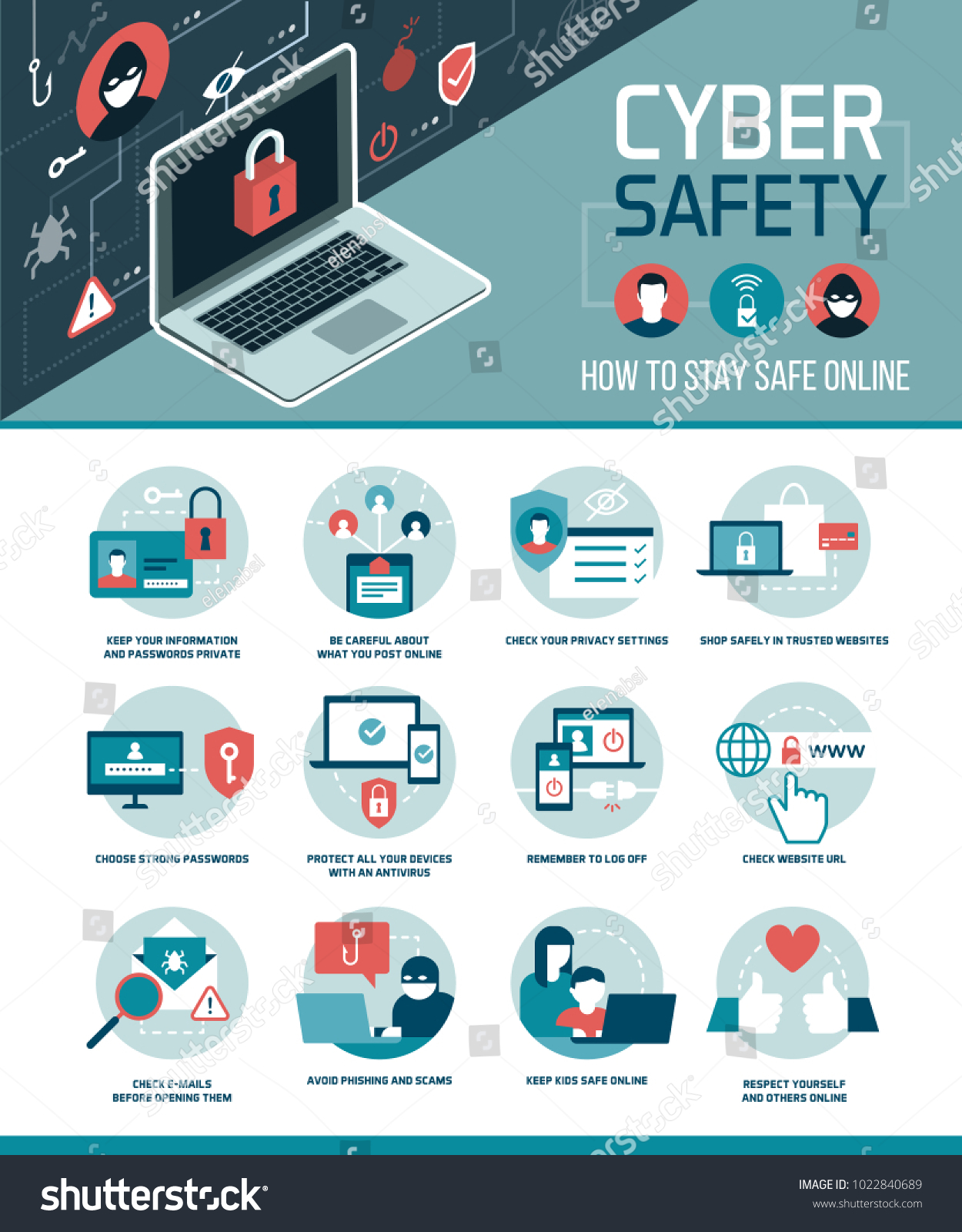
| Device Hygiene | Malware injection, credential theft, and unauthorized access | Log out of shared workstations, update operating systems regularly, and use unique passphrases. |
Proactive digital citizenship education significantly reduces cybersecurity incidents and mitigates online victimization among adolescent populations. — Cybersecurity & Infrastructure Security Agency (CISA)
Step-by-Step Practical Application and Guidelines
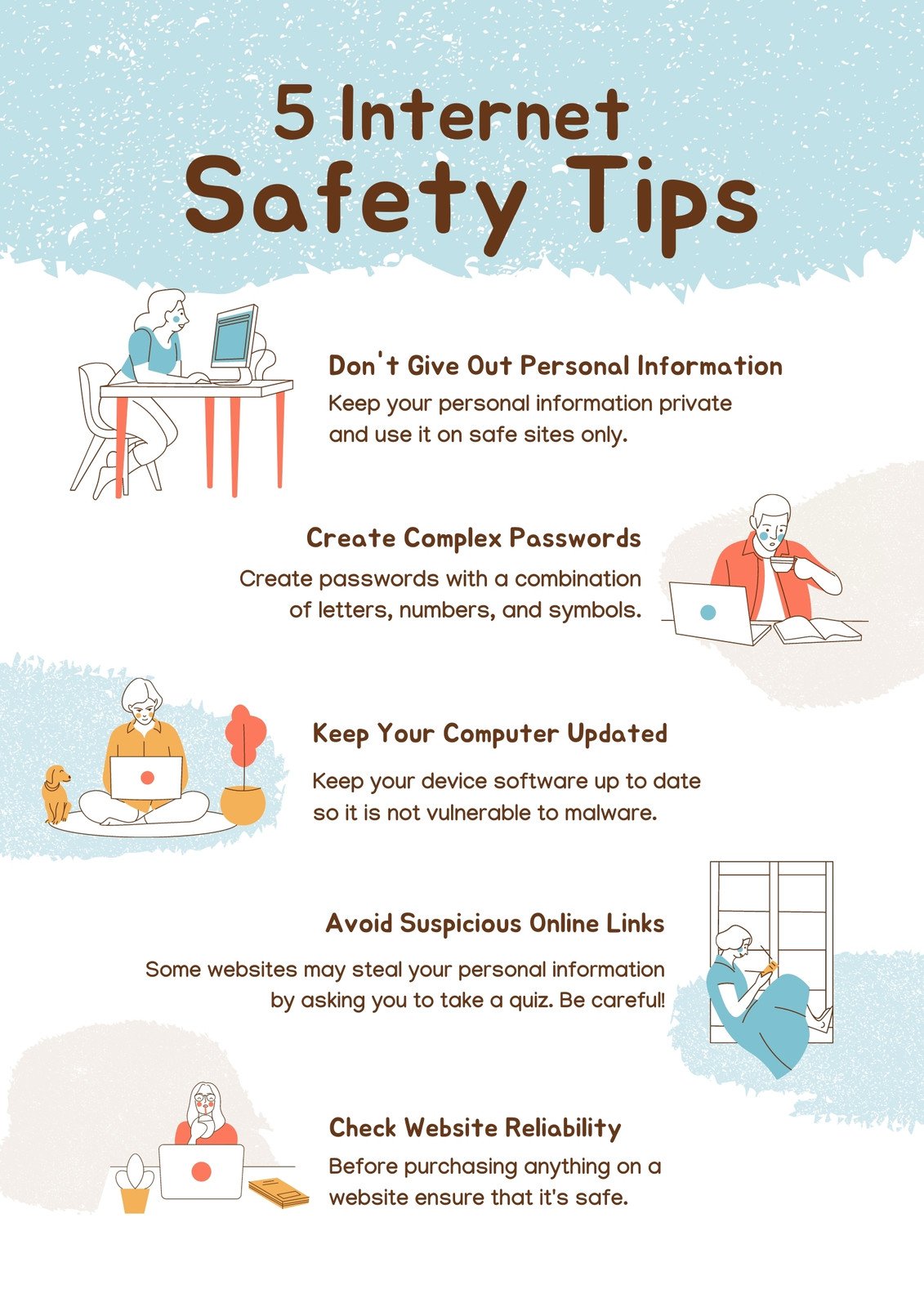
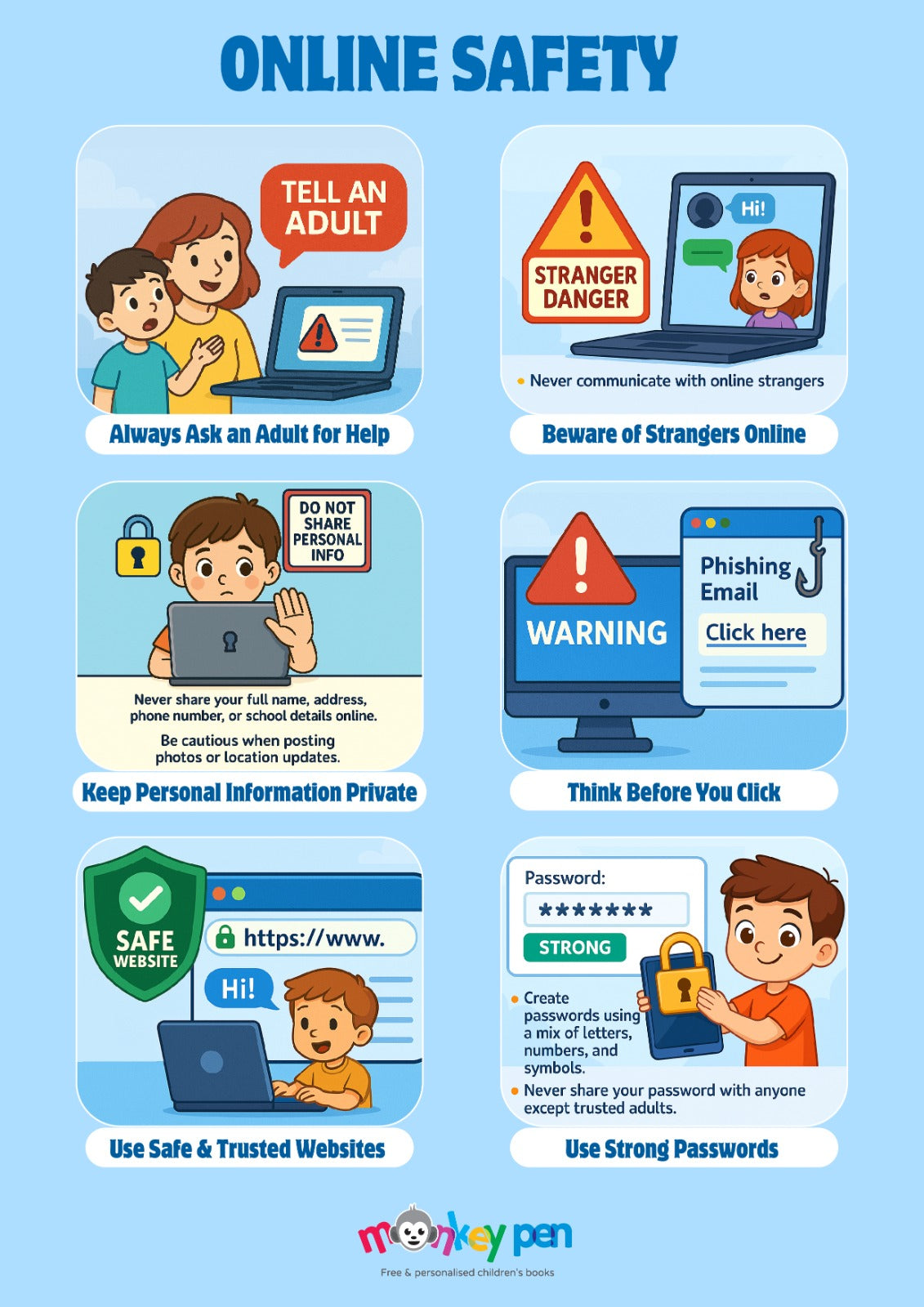
Effective cyber safety implementation requires a standardized, multi-tiered approach across schools and homes to protect vulnerable network users. Administrators must first establish clear Acceptable Use Policies (AUPs) that explicitly outline prohibited online behaviors, consequences for cyberbullying, and protocols for reporting suspicious network activity. Teachers should enforce structured classroom screen balance by alternating between collaborative offline learning tasks and focused digital research sessions, thereby reducing digital fatigue and minimizing multitasking distractions. Furthermore, students must practice strict device hygiene by maintaining strong authentication credentials, avoiding public unsecured Wi-Fi networks without virtual private network protection, and safeguarding personal identifiable information from unverified third-party applications.
Common Challenges and How to Avoid Them
Overconfidence in technological literacy and underestimation of social engineering tactics represent the primary vulnerabilities leading to student security breaches and online victimization. Adolescents frequently bypass security controls or share account credentials with peers, creating severe openings for identity misuse and academic dishonesty. To counter these operational challenges, schools must supplement technical firewalls with comprehensive instructional resources, utilizing engaging Online and Digital Safety frameworks to teach critical evaluation of digital content. Continuous parental engagement and transparent dialogue ensure that students feel secure reporting accidental exposure to inappropriate content or cyberbullying without fear of immediate device confiscation.
💬 Frequently Asked Questions
Explore More Kids Safety and Digital Citizenship Guides on SafeWiredSchools
Maintaining a secure, supportive digital environment for adolescents requires ongoing education, reliable resources, and proactive community collaboration among educators and parents. Explore additional expert-backed strategies, instructional materials, and valuable guidance available throughout the centralized library hosted at Safe Wired Schools to continuously strengthen student online resilience.
Visual Reference Gallery