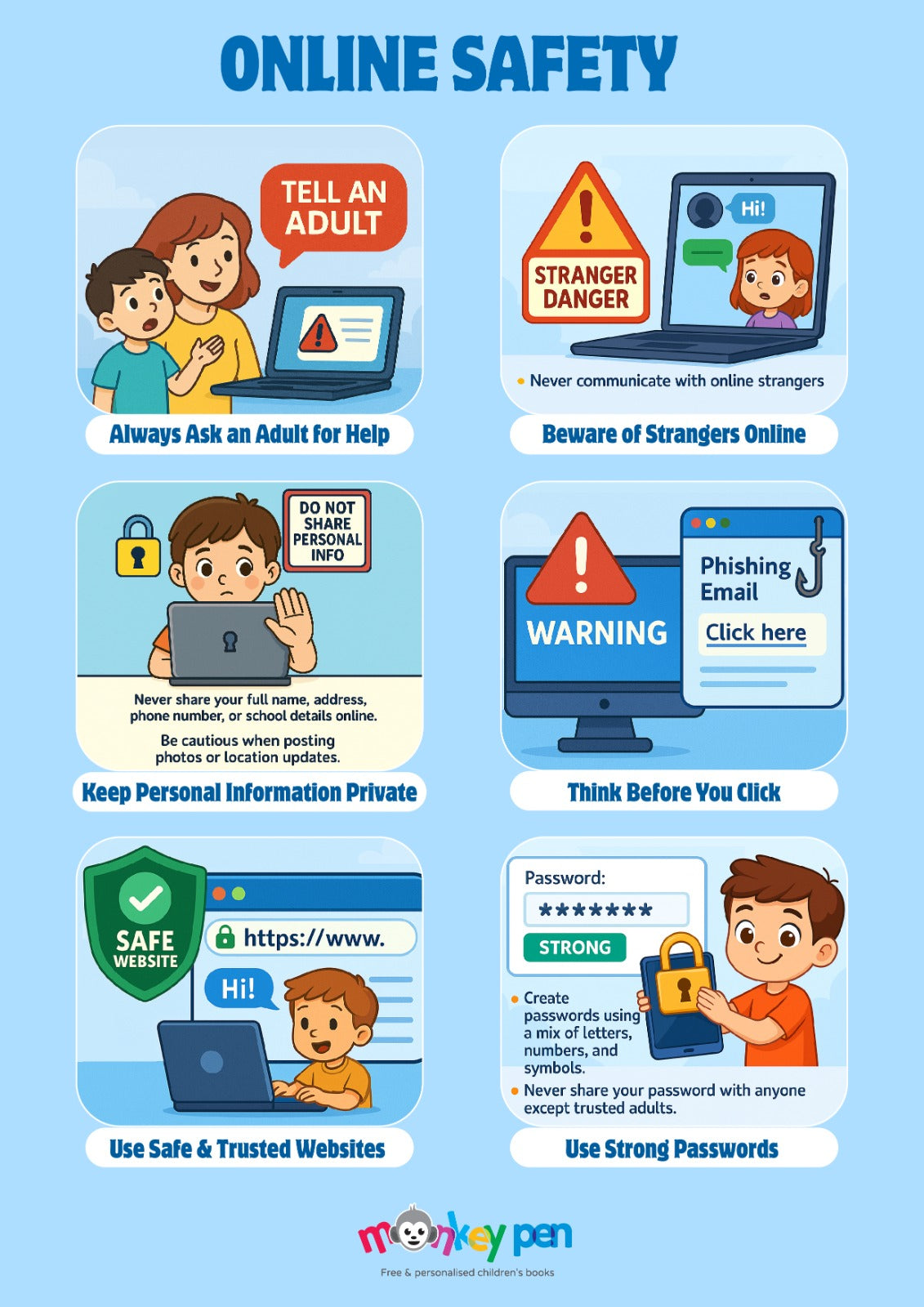
Introduction
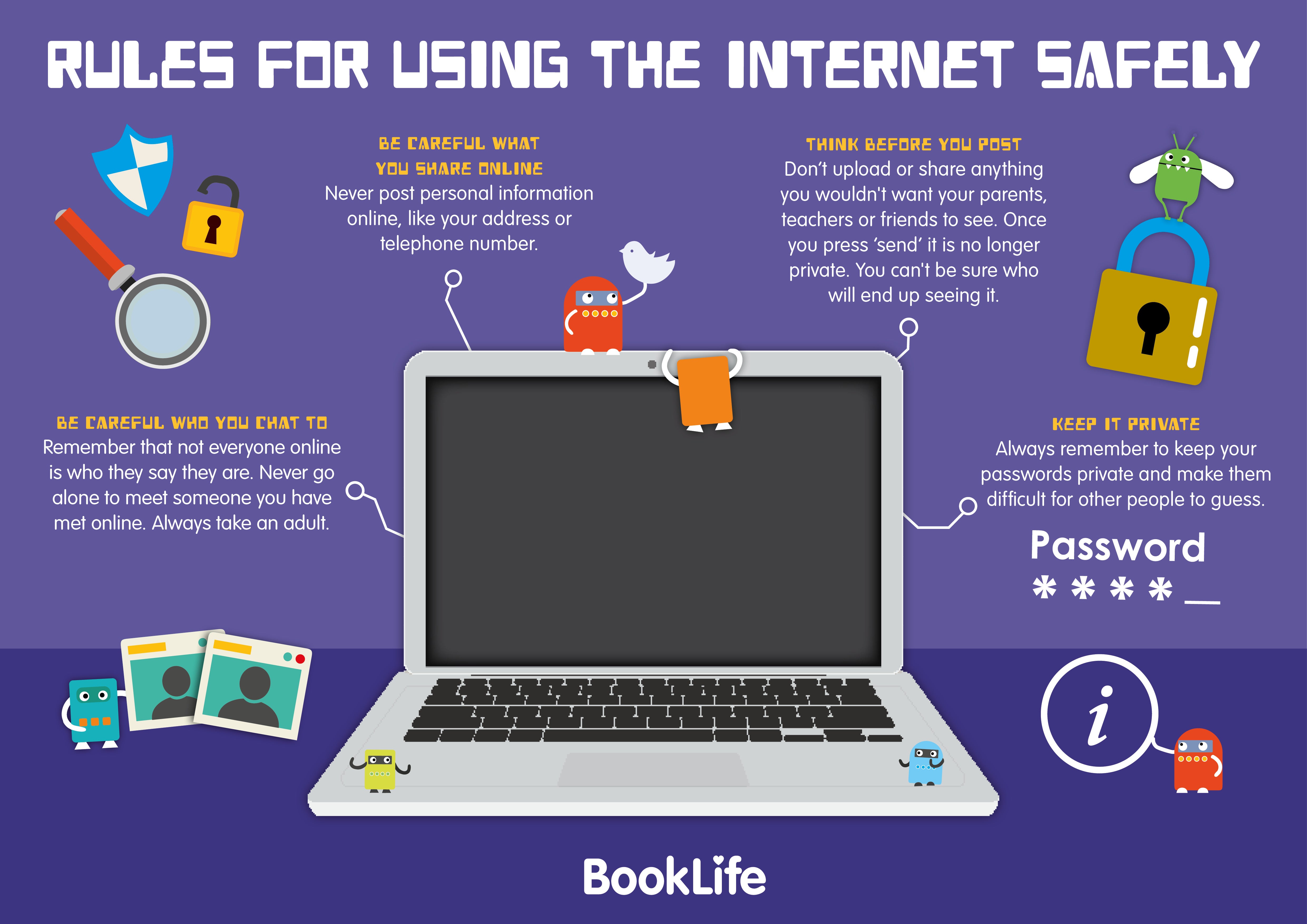
Internet and online safety encompasses the practices, protocols, and educational frameworks required to protect students, educators, and institutions from digital threats while fostering positive digital citizenship. According to ConnectSafely, establishing robust online boundaries requires a collaborative approach combining parental guidance, teacher oversight, and institutional policies to secure student data and well-being. Modern educational environments demand structured protocols to manage device hygiene, mitigate cyberbullying, and cultivate a secure digital footprint across all learning platforms. Comprehensive resources like Internet and Digital Safety provide foundational frameworks necessary for maintaining institutional compliance and student protection in connected classrooms.
Digital Safety Snapshot:
- Core Focus: Internet and online safety secures institutional infrastructure and student privacy through structured behavioral and technical boundaries.
- Target Scope: Designed specifically for school administrators, educators, parents, and middle school students navigating digital learning spaces.
- Key Recommendation: Enforce proactive digital footprint management and multi-layered device hygiene across all school-issued hardware.
Core Principles and Detailed Overview
School internet safety relies on a multifaceted operational model integrating network-level filtering, classroom screen balance, and proactive peer-to-peer behavioral intervention. Digital footprints expand continuously whenever students submit assignments, post on collaborative boards, or access educational software, making reputation management an essential component of modern curricula. Educators utilize structured Worksheets to guide middle school students through the complex consequences of online sharing and digital permanence. Furthermore, mitigating cyberbullying requires transparent reporting mechanisms and immediate institutional response protocols that safeguard targeted learners while educating aggressors on empathy and online accountability.
Key Specifications and Breakdown
| Safety Pillar | Digital Risk Factor | Actionable Protective Habit |
|---|---|---|
| Digital Footprint | Permanent storage of inappropriate text or media | Audit privacy settings weekly and restrict public profile indexes |
| Cyberbullying Prevention | Anonymous harassment via school messaging apps | Document offensive interactions immediately and report through formal channels |
| Device Hygiene | Malware injection and unauthorized credential access | Execute routine operating system updates and maintain distinct secure passwords |
Proactive network monitoring and transparent digital citizenship education significantly reduce institutional cybersecurity vulnerabilities and peer harassment incidents. — Cybersecurity and Infrastructure Security Agency (CISA)
Step-by-Step Practical Application and Guidelines
Implementing effective internet and online safety protocols begins with standardizing device hygiene practices, such as mandating secure password management systems and restricting administrative privileges on student hardware. Educators must establish predictable classroom screen balance schedules, designating specific intervals for digital research alongside offline collaborative activities to prevent cognitive fatigue. Administrators need to deploy unified content filters that comply with federal filtering mandates while ensuring educational accessibility remains uncompromised. Regular audits of cloud storage permissions and communication channels prevent unauthorized data exposure and limit opportunities for peer-to-peer intimidation.
Common Challenges and How to Avoid Them
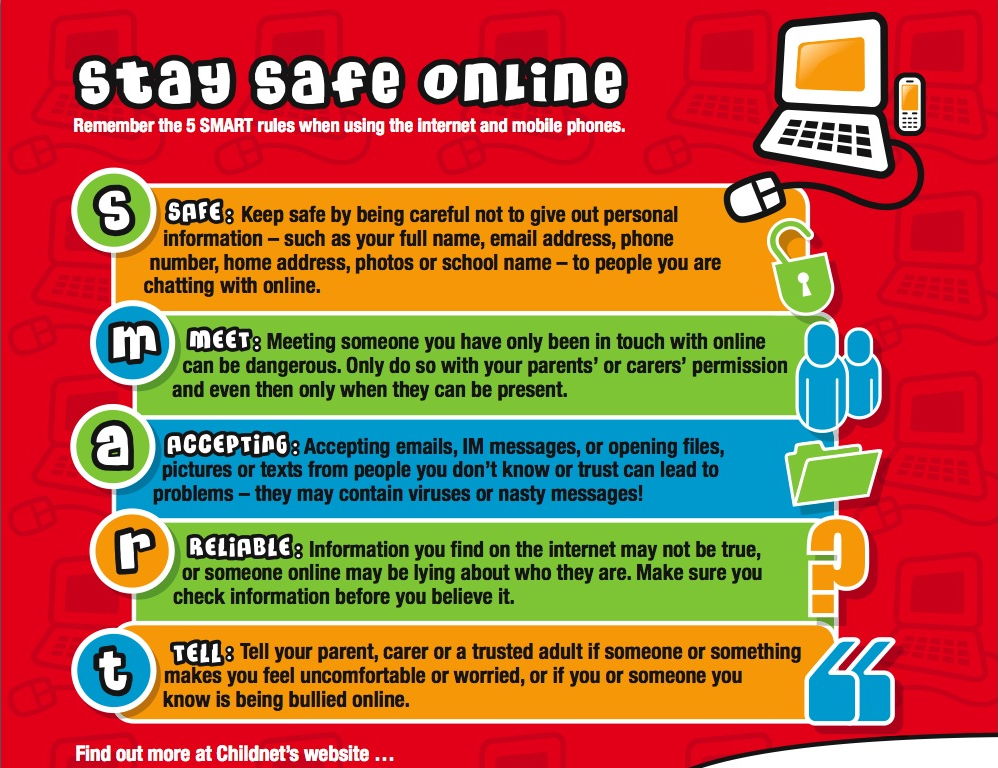
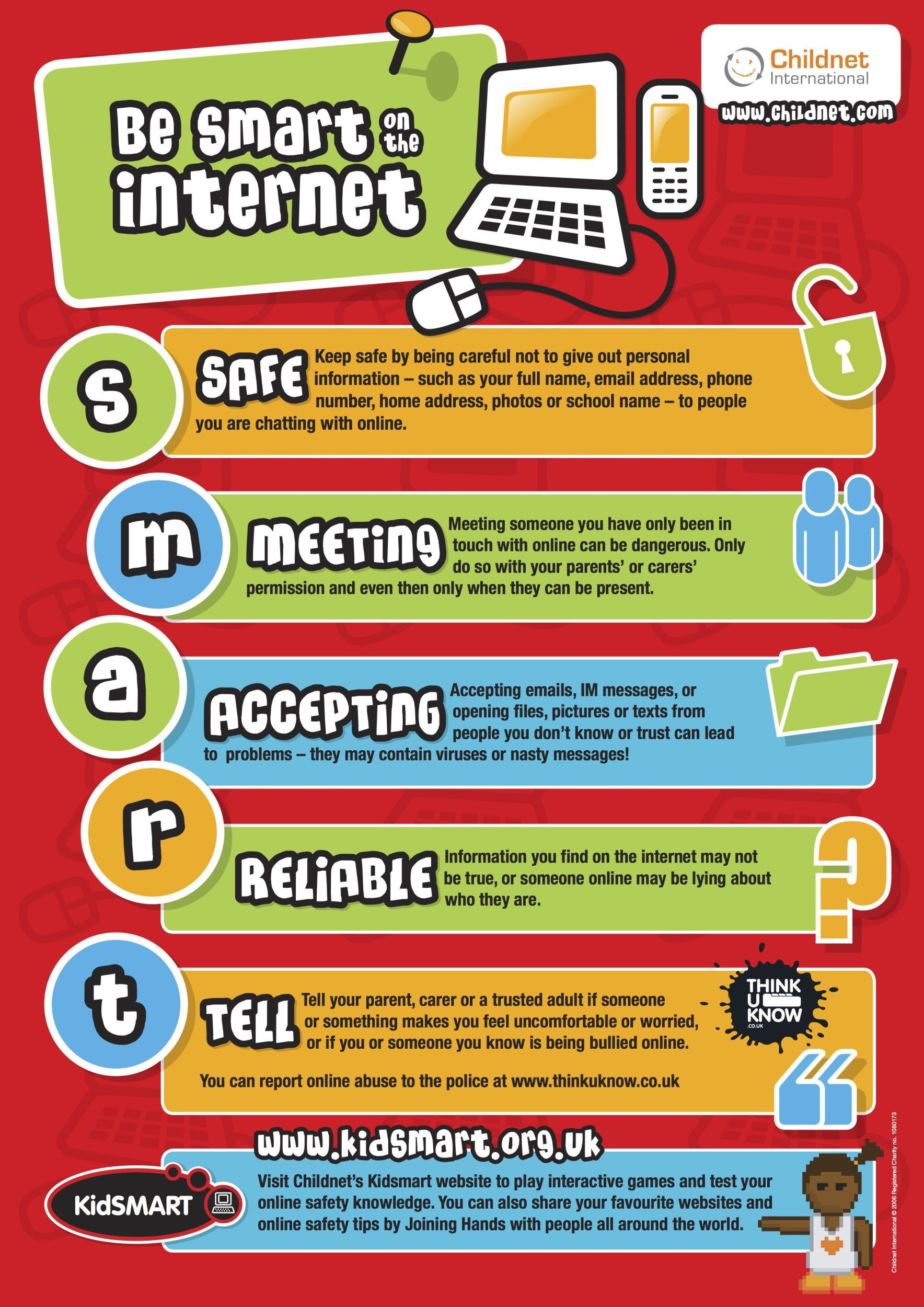
Over-reliance on automated filters often creates a false sense of security, leaving institutions vulnerable to social engineering attacks, sophisticated phishing attempts, and off-network student misconduct. Addressing this challenge requires continuous educational outreach that trains middle school students to recognize suspicious links, protect personal credentials, and report anomalous network activity without fear of punitive action. Integrating engaging educational resources such as Coloring Pages during foundational safety discussions helps reinforce positive digital habits for younger learners transitioning into middle school environments. Establishing open communication channels between parents and school administrators ensures safety policies extend seamlessly beyond campus boundaries.
💬 Frequently Asked Questions
Explore More Kids Safety and Digital Citizenship Guides on SafeWiredSchools
Continuous professional development and parental collaboration remain the strongest defenses against evolving digital threats. Educators and administrators can access an extensive library of downloadable curricula, policy templates, and interactive safety modules by visiting Safe Wired Schools to build resilient digital learning ecosystems.
Visual Reference Gallery