Why Blending Nutrition Education with Digital Citizenship Matters Today
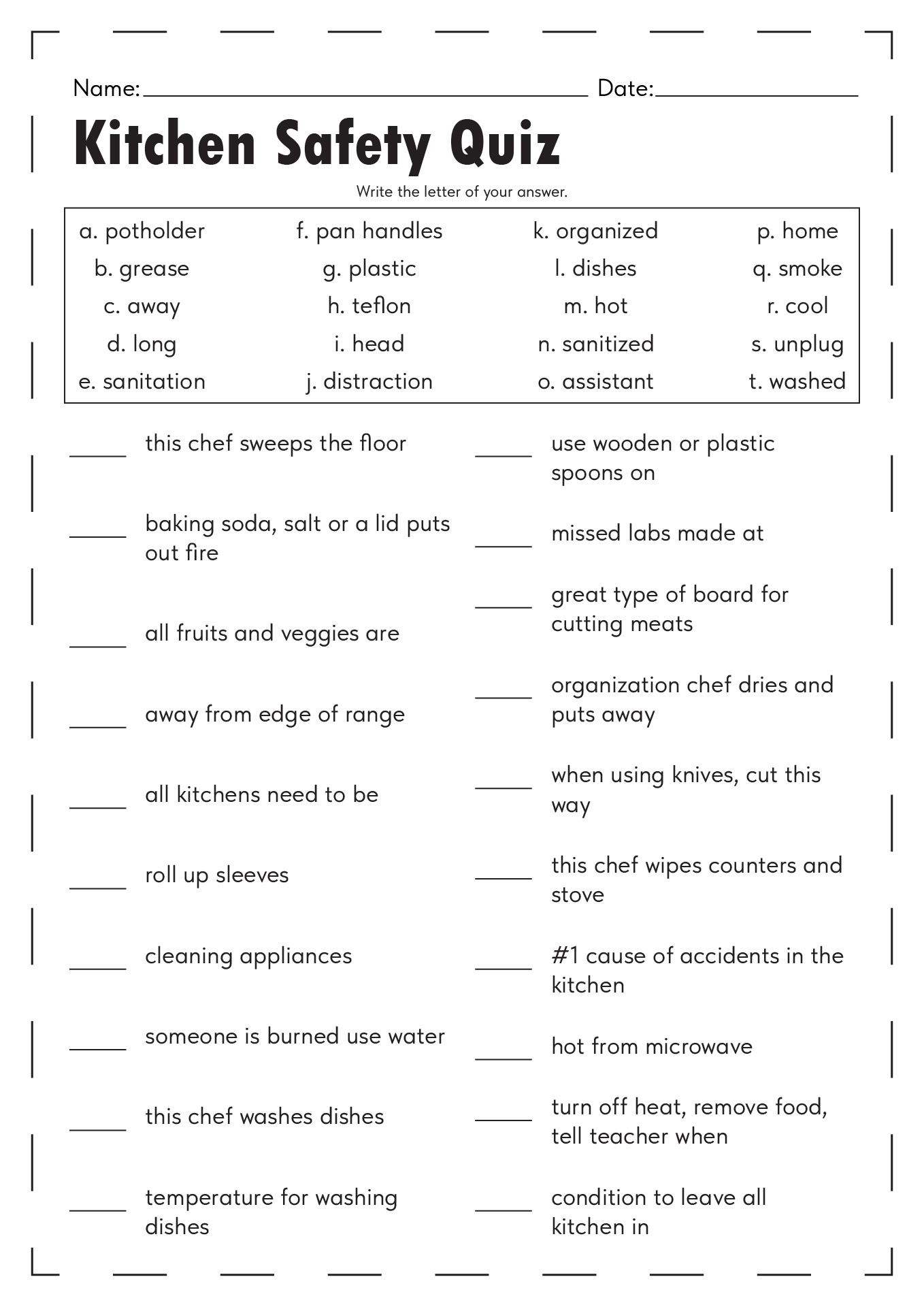
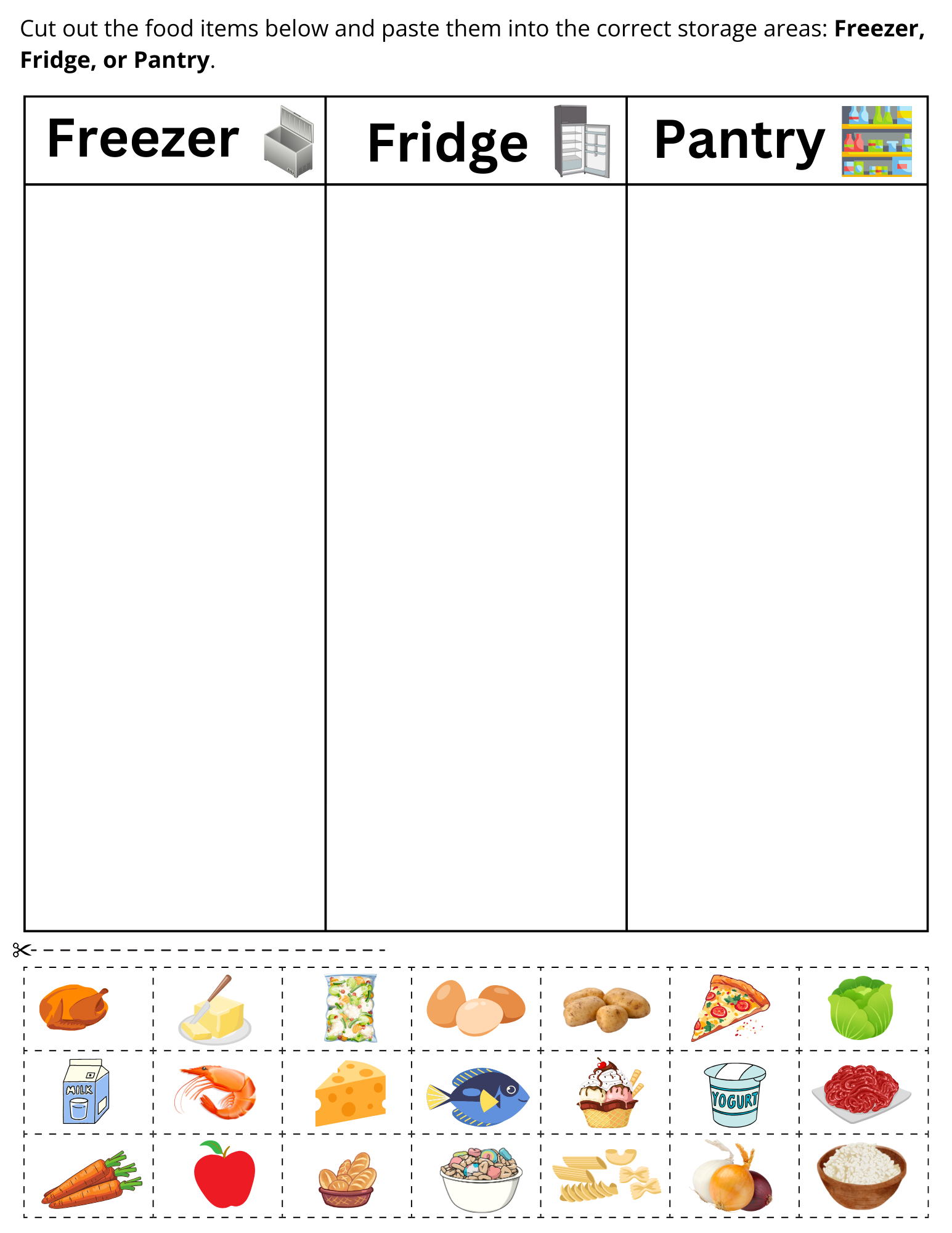
When educators and families search for free printable food safety worksheets, they are usually looking for engaging, hands-on activities to teach students about kitchen hygiene, proper handwashing, and cross-contamination. However, in our increasingly connected K-12 environment, student learning frequently occurs across interactive tablets, shared school laptops, and internet-connected devices. According to guidelines from organizations like ConnectSafely and the FTC, fostering safe learning habits means looking at both physical wellness and digital interactions. Blending traditional health concepts with modern digital citizenship ensures students stay protected whether they are chopping vegetables in a home economics lab or researching healthy recipes online.
💡 Educational Key Takeaways:
- Core Skill: Structured Free Printable Food Safety Worksheets focused on developing pencil grip, stroke control, and early literacy/math confidence.
- Target Scope: Suited for homeschoolers, preschool, kindergarten, and elementary learners.
- Best Recommendation: Practice 10–15 minutes daily with ergonomic writing tools to reinforce muscle memory without hand fatigue.
Balancing Offline Health Lessons with Online Research Safeguards
As students navigate recipe blogs, health portals, and video-sharing platforms for culinary arts projects, they encounter a range of potential distractions and data privacy pitfalls. Adults must monitor how children access digital worksheets and educational content. Reviewing device settings helps prevent accidental exposure to malicious links disguised as printable downloads, ensuring that hands-on learning remains secure across both home tablets and school-issued Chromebooks.
| Setting / Context | Common Vulnerability | Practical Safeguard |
|---|---|---|
| Home Devices | Popup ads on unverified recipe and worksheet websites | Install reputable ad-blockers and rely on trusted educational repositories found in our curated Worksheets collection. |
| School Chromebooks | Unfiltered search engine queries for cooking videos leading to mature content | Enforce district-wide DNS filtering and safe search settings aligned with CISA best practices. |
| Social and Chat Habits | Sharing personal location or family routines via interactive cooking forums | Establish clear rules about never publishing real names, school names, or home addresses online. |
Establishing Practical Safety Routines for School and Home
Integrating free printable food safety worksheets into daily curricula works best when paired with predictable, transparent digital routines. Educators can establish clear classroom policies regarding device usage during group activities, while parents can set up centralized charging stations in common household areas to keep nighttime screen time in check. Fostering a culture of open communication means students feel comfortable reporting broken links, suspicious popups, or uncomfortable online interactions without fear of punishment. Utilizing printable safety checklists alongside digital guidelines reinforces positive habits both on and off the screen.
Overly restrictive content filters often backfire, driving students to seek out workarounds or bypass tools when looking for creative classroom materials. Instead of relying solely on heavy-handed blocks, adults should combine technical guardrails with proactive conversations about why certain sites are restricted. When students understand the reasoning behind digital safety protocols—such as avoiding sketchy download buttons that promise free worksheets but deliver malware—they are far more likely to make prudent decisions independently.
Frequently Asked Questions About Integrating Safety Tools
How can I ensure the free printable food safety worksheets I download are safe for student use?
Stick to established educational domains, district-approved resource banks, and trusted teacher-sharing platforms. Avoid clicking on unverified banner advertisements or third-party links that require software installations to access basic PDF printables.
What age-appropriate device controls should be enabled on tablets used for school research?
Enable parental controls or district content filters that restrict unvetted web browsing, block popups, and disable unauthorized app downloads. Regularly review browser history and encourage children to use school-approved search engines.
How do I talk to my child or students about digital safety without causing panic?
Keep conversations calm, practical, and focused on self-reliance rather than fear. Frame online security habits like checking website URLs and avoiding strange links as essential life skills, much like washing your hands before preparing food.
Explore More Digital Citizenship Resources
To help children thrive in a connected world, educators and families must continuously reinforce safe habits across every subject area. Browse our specialized directories covering Internet and Digital Safety and Online and Digital Safety to find expert tips, printable guides, and curriculum tools tailored for your classroom or living room by visiting SafeWiredSchools.org.
Worksheet Previews & Reference Materials