Introduction
Developing independence in young children involves balancing freedom with practical safeguards. Kitchen appliances present early opportunities for self-reliance, yet mastering these tools requires clear instruction and visual support. Beyond domestic routines, childhood today intersects constantly with digital spaces. According to Pew Research Center, a vast majority of children access connected devices daily, often encountering online environments long before middle school. Children navigate digital life through shared family tablets, open-world video game chats, and algorithm-driven video platforms where boundaries blur quickly. Building healthy habits offline establishes a strong foundation for digital choices. Safety is a skill to build step by step, never a threat to dread. Introducing structured routines helps youngsters process both physical environments and digital platforms with confidence. Free visual aids simplify complex rules into manageable steps for growing minds. Related guide: Chatgpt Said:#N##N#When We Talk About Physical Risks In Schools, We’Re Referring To Hazards That Can Cause Injury Or Harm To Students, Staff, Or Visitors Due To The Environment, Equipment, Or Activities. Let’S Break This Down Carefully And Comprehensively..
💡 Educational Key Takeaways:
- Core Skill: Structured Visuals For Safe Microwave Use For Kids focused on developing pencil grip, stroke control, and early literacy/math confidence.
- Target Scope: Suited for homeschoolers, preschool, kindergarten, and elementary learners.
- Best Recommendation: Practice 10–15 minutes daily with ergonomic writing tools to reinforce muscle memory without hand fatigue.
What This Printable Covers
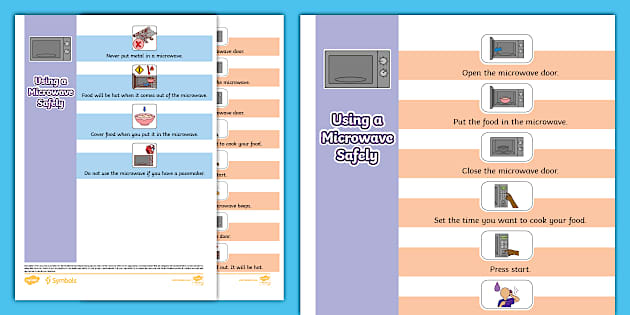
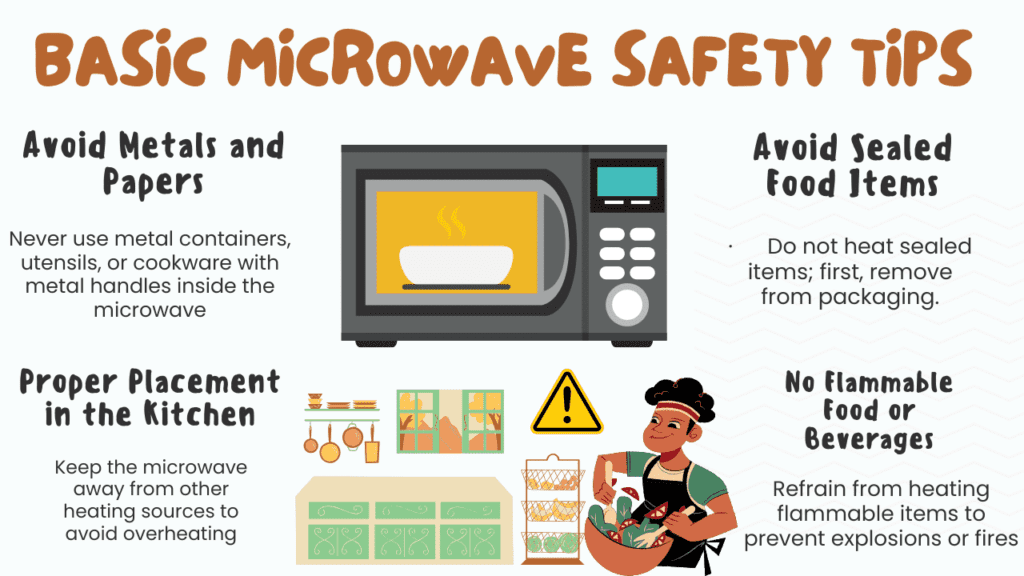
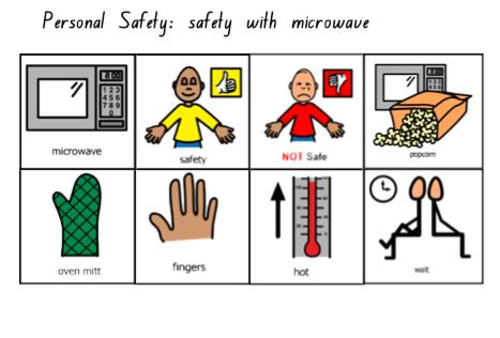
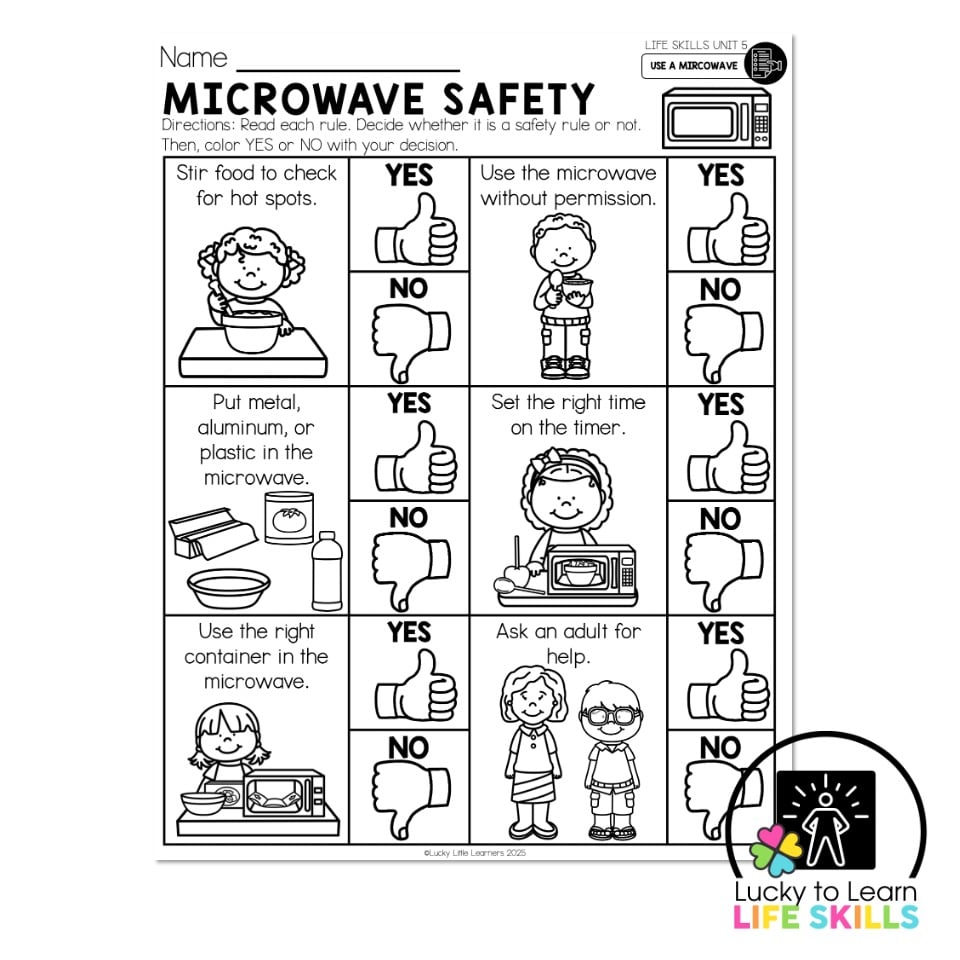
Clear instructions transform daunting household tasks into approachable routines. The free printable visuals for safe microwave use for kids breaks down appliance operation into sequential, easy-to-understand steps. It features bright icons representing container safety, heating times, and supervision rules. It sounds simple, and that’s the point. Stripping away complicated text allows pre-readers and early elementary students to grasp core concepts independently. Beyond physical appliance operation, the underlying philosophy mirrors modern Internet and Digital Safety education. Children learn to pause, assess potential risks, and follow established protocols before pressing buttons or clicking links. The guide emphasizes protective habits such as checking container materials, keeping personal boundaries intact, and knowing when to ask for help.
Key Learning Outcomes
Working through these visual steps builds critical thinking and self-regulation. Learners internalize the importance of stopping to read instructions rather than guessing outcomes. This mindfulness directly supports foundational online citizenship, such as thinking before sharing information, using strong passwords, and recognizing when a digital situation feels uncomfortable. Educators notice that children who practice structured physical routines adapt those same pause-and-reflect behaviors to in-game chats and shared media. Crucially, the material reinforces that youngsters are never in trouble for reporting something unexpected or alarming. Cultivating open communication ensures that questions surface early, preventing minor issues from escalating into major safety concerns.
How to Use This Printable
Placement determines effectiveness. Hanging the sheet directly at eye level beside the kitchen counter transforms the graphic into an immediate reference tool. Here’s what makes this resource different: it shifts the dynamic from adult nagging to independent verification. Adults can point to the chart during cooking sessions, encouraging children to explain the next step themselves. This interactive approach bridges the gap between passive listening and active participation. Similar strategies apply when exploring digital realms, where educators often pair visual prompts with offline Worksheets to reinforce concepts like privacy and respectful communication in a calm classroom setting.
Practical Tips for Parents and Teachers
Role-playing brings static graphics to life. Adults can model how to check a plate for metal or demonstrate how to pause when a game prompt requests personal details. Consistency matters across home and school environments. When adults use matching vocabulary—such as pause, check, and report—children connect physical appliance protocols with digital safety habits. Keeping discussions light and empowering keeps anxiety at bay. Praise children when they pause to ask a question before proceeding with a new task, reinforcing that caution is a sign of growing maturity.
Age-Appropriate Recommendations
Ages five to seven require close supervision and highly visual prompts to grasp basic sequencing. By ages eight to twelve, children develop greater autonomy and can interpret more detailed instructions independently. This developmental progression aligns closely with the Common Sense Education Digital Citizenship Curriculum, which scales concepts from foundational digital etiquette in early grades to complex privacy management and critical evaluation in upper elementary. Tailoring expectations to developmental stages ensures that children absorb safety guidelines without feeling overwhelmed. Visual aids act as supportive training wheels that gradually step back as competence grows.
The vast majority of children access connected devices daily, encountering digital environments and online platforms at increasingly younger ages. — Pew Research Center
Frequently Asked Questions
Families and educators often wonder how best to integrate printable resources into daily schedules without adding stress. The answers below address common logistical and educational questions regarding implementation.
According to Common Sense Media, structured digital citizenship resources significantly improve children’s ability to identify online risks and seek trusted adult help. — Common Sense Media
Explore More Free Kids Online Safety Printables
Expanding a child’s safety toolkit requires diverse resources that address both physical and digital environments. Exploring creative activities like themed Coloring Pages allows young learners to process important protection messages through art, opening natural pathways for ongoing family conversations. Combining these physical safety guides with broader lessons found in Online and Digital Safety collections equips children to navigate a connected world with knowledge, resilience, and calm confidence.
Developmental Milestone & Activity Table
| Development Stage | Recommended Daily Duration | Primary Learning Objective |
|---|---|---|
| Preschool & Pre-K | 10 – 15 Minutes | Pencil grip development & basic pre-stroke lines |
| Kindergarten | 15 – 20 Minutes | Letter/number formation & spatial line awareness |
| Early Elementary (Grade 1–2) | 20 – 30 Minutes | Fluency, sentence construction & neatness |
Images References