Introduction
Children encounter digital environments much earlier today than previous generations, frequently meeting online risks through shared household tablets, in-game chat features, and popular video platforms rather than traditional social networks alone. Navigating these spaces successfully requires more than restrictions; it demands proactive skill-building. Educators and families need practical tools that translate abstract safety concepts into tangible habits for elementary students aged five through twelve. The free printable tips on safe social media easy to learn for students provides an accessible entry point for these essential conversations. It sounds simple, and that’s the point. Clear, visual prompts help children grasp foundational boundaries without inducing fear. This resource supports healthy digital habits by turning rules into memorable actions, reinforcing that safety is an empowering capability rather than a restrictive burden. Related guide: Cctv Introduction Lesson For Grade 4.
💡 Educational Key Takeaways:
- Core Skill: Structured Tips On Safe Social Media Easy To Learn For Students focused on developing pencil grip, stroke control, and early literacy/math confidence.
- Target Scope: Suited for homeschoolers, preschool, kindergarten, and elementary learners.
- Best Recommendation: Practice 10–15 minutes daily with ergonomic writing tools to reinforce muscle memory without hand fatigue.
What This Printable Covers
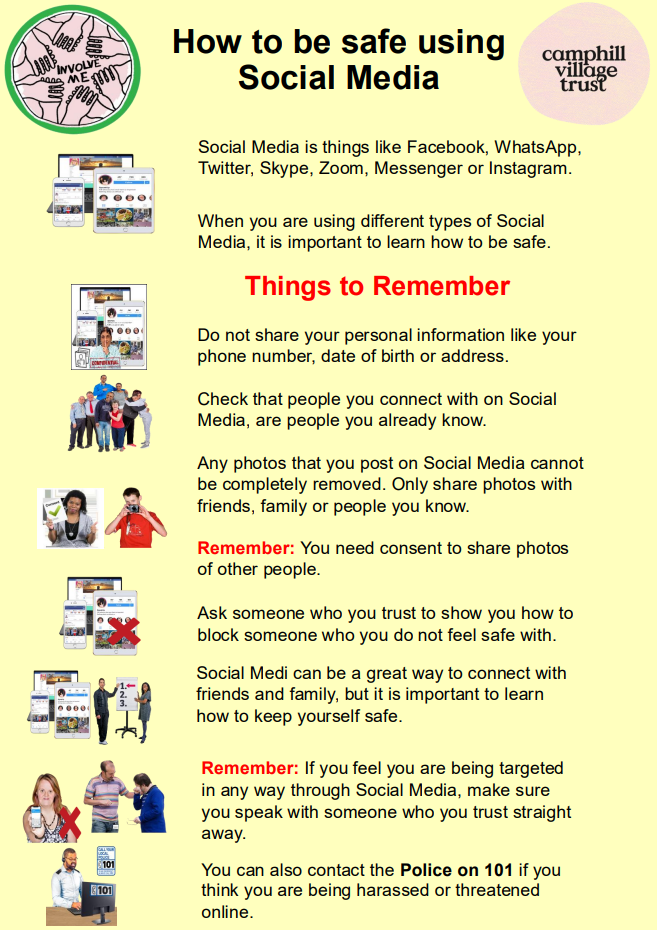
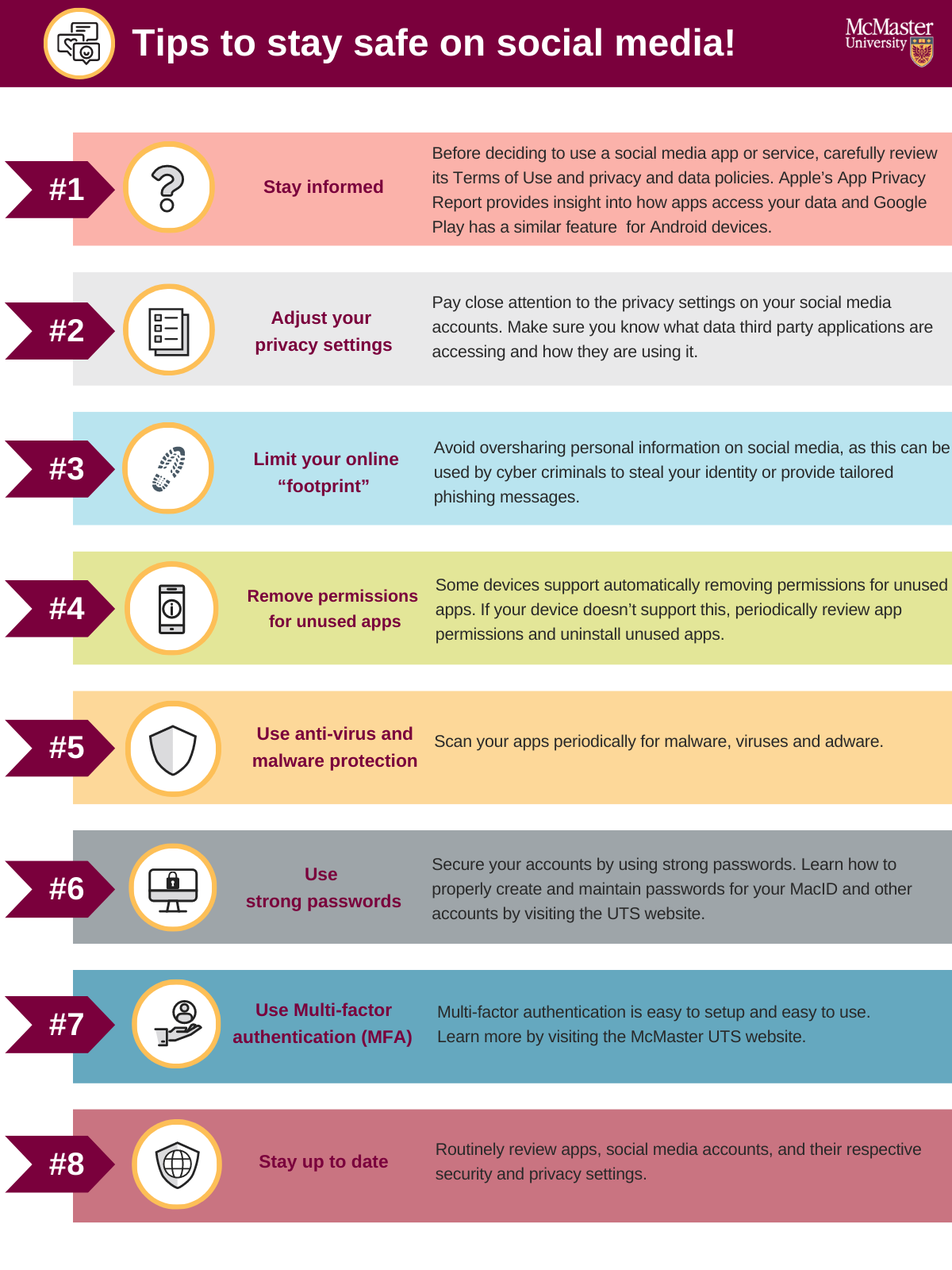
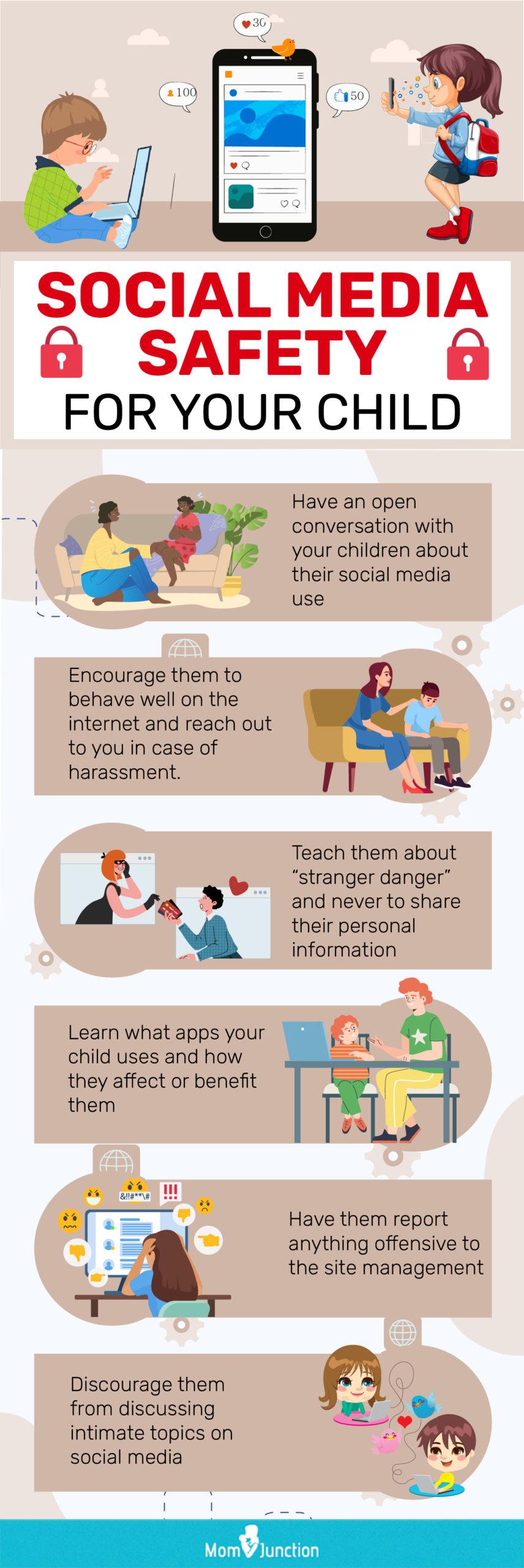
Effective safety education bridges the gap between what adults know and what young learners can realistically process. This material focuses on core protective pillars: keeping personal information private, creating strong passwords, pausing before sharing, and recognizing when to involve a trusted adult. According to Pew Research Center, a vast majority of parents worry about their children’s digital lives, making structured guidance more critical than ever. The printable breaks these concepts down into digestible bites that children can interpret independently or with guidance. Instead of overwhelming learners with complex policy language, the content uses friendly formatting to highlight everyday scenarios. Exploring the broader internet and digital safety collection reveals how these foundational habits scale as children grow older and encounter new online environments.
Key Learning Outcomes
Students using this educational sheet practice specific, actionable behaviors that reduce digital vulnerability. Learners identify what constitutes private data—such as full names, school locations, and home addresses—and learn why keeping that information locked down matters. Another vital outcome involves establishing the golden rule of reporting: children internalize the message that they are never in trouble for coming forward about something uncomfortable online. This assurance encourages open communication rather than secretive behavior when unexpected digital moments occur. By practicing these responses, students build a mental framework for evaluating digital situations calmly. Educators can pair these lessons with additional exercises found within the student safety worksheets to reinforce comprehension through targeted practice.
How to Use This Printable
Implementation requires flexibility, fitting seamlessly into morning meetings, counseling sessions, or kitchen table discussions after school. Adults can introduce the sheet by asking open-ended questions about favorite games or apps, using the printable as a visual anchor for the dialogue. Here’s what makes this resource different: it shifts the dynamic from a stern lecture to a collaborative exploration. Children engage more deeply when they discuss scenarios rather than memorizing rules. Displaying completed sheets in classrooms or near home charging stations serves as a gentle daily reminder of positive digital citizenship. Of course, no single piece of paper guarantees protection, but consistent reinforcement through these prompts builds resilient habits over time.
Practical Tips for Parents and Teachers
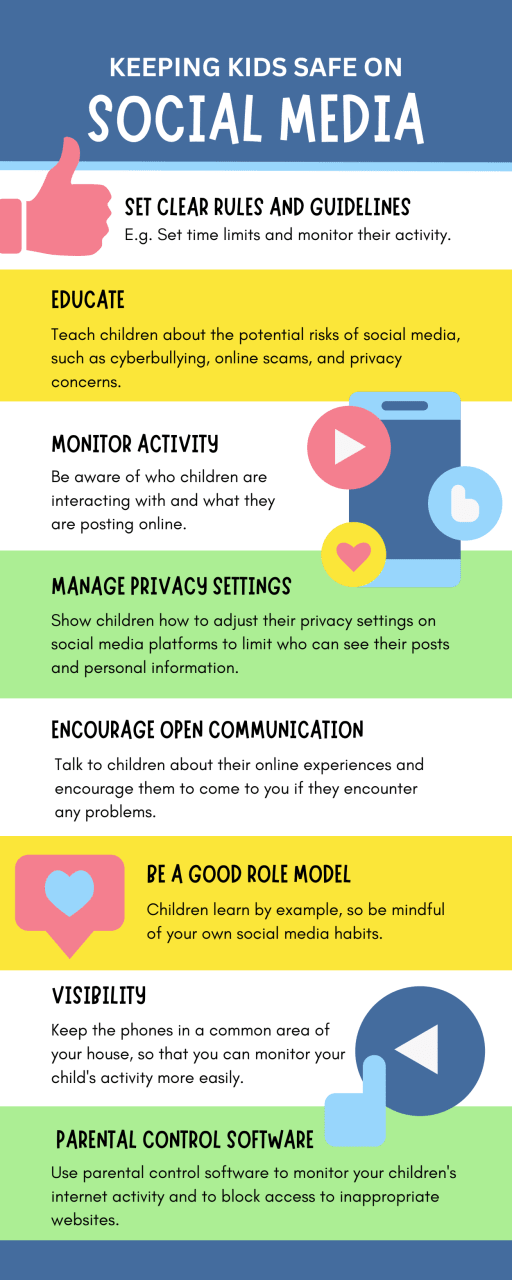
Maximizing the impact of this tool involves integrating it into daily routines rather than treating it as a one-time event. Adults should normalize talking about digital experiences just like playground interactions or classroom friendships. When a child mentions an odd message in a game or an uncomfortable video, the immediate reaction must be calm curiosity rather than immediate device confiscation. Keeping lines of communication wide open ensures children keep coming back when new challenges arise. Educators can also use the sheet to establish a classroom social contract around digital tools. Browsing through the digital citizenship resources provides further inspiration for weaving these crucial discussions into existing curricula without adding extra planning pressure.
Age-Appropriate Recommendations
Tailoring safety messages to developmental stages ensures that children absorb information effectively without becoming overwhelmed. For younger elementary students ages five to eight, the focus remains on basic boundaries, such as asking an adult before clicking new links or downloading games. Children ages nine to twelve can explore more nuanced topics, including digital footprints, respectful communication in group chats, and recognizing subtle manipulation online. According to Common Sense Media, children’s media consumption habits shift dramatically during these elementary years, requiring evolving conversations about online autonomy. Grounding these lessons in frameworks like the Common Sense Education Digital Citizenship Curriculum helps align home and school expectations seamlessly. Adults should continually assess comprehension, scaling the complexity of the discussions as children demonstrate maturity and readiness for broader digital exploration.
The vast majority of families express concern over children’s online safety and digital wellbeing. — Pew Research Center
Frequently Asked Questions
Explore More Free Kids Online Safety Printables
Expanding a child’s digital literacy toolkit requires a variety of engaging formats that cater to different learning styles and age groups. Beyond standard reading material, hands-on options play a powerful role in cementing abstract concepts into concrete understanding. For younger learners, exploring creative materials like safety coloring pages reinforces positive messaging through art while naturally sparking relaxed conversations. Combining coloring sheets with reflective writing exercises creates a well-rounded approach to digital citizenship. Families and educators can curate a personalized learning path by mixing different printable formats to address specific challenges as children encounter new digital milestones. Consistency, patience, and open dialogue remain the most effective shields against online risks.
Developmental Milestone & Activity Table
| Development Stage | Recommended Daily Duration | Primary Learning Objective |
|---|---|---|
| Preschool & Pre-K | 10 – 15 Minutes | Pencil grip development & basic pre-stroke lines |
| Kindergarten | 15 – 20 Minutes | Letter/number formation & spatial line awareness |
| Early Elementary (Grade 1–2) | 20 – 30 Minutes | Fluency, sentence construction & neatness |
Images References