Introduction
Digital spaces are as much a part of modern childhood as playgrounds and school libraries. Children navigate shared household tablets, collaborate on school laptops, and communicate through in-game chat features long before they reach middle school. Navigating these digital environments requires intentional guidance rather than constant surveillance. Adults often worry about keeping children safe online, yet the most effective protective measure is teaching foundational digital citizenship habits early. The school internet safety rules for {site_name} provide a structured framework designed to help educators, parents, and homeschoolers introduce these critical concepts without inducing fear. It sounds simple, and that’s the point. Safety is a skill set built through repetition, conversation, and clear expectations rather than restrictive barriers. Related guide: 5 Cyber Safety Tips Symbols That Can Be Read By The Grede 7 Students.
💡 Educational Key Takeaways:
- Core Skill: Structured School Internet Safety Rules focused on developing pencil grip, stroke control, and early literacy/math confidence.
- Target Scope: Suited for homeschoolers, preschool, kindergarten, and elementary learners.
- Best Recommendation: Practice 10–15 minutes daily with ergonomic writing tools to reinforce muscle memory without hand fatigue.
What This Printable Covers
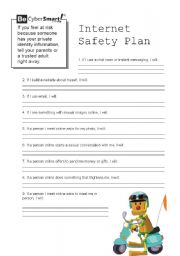
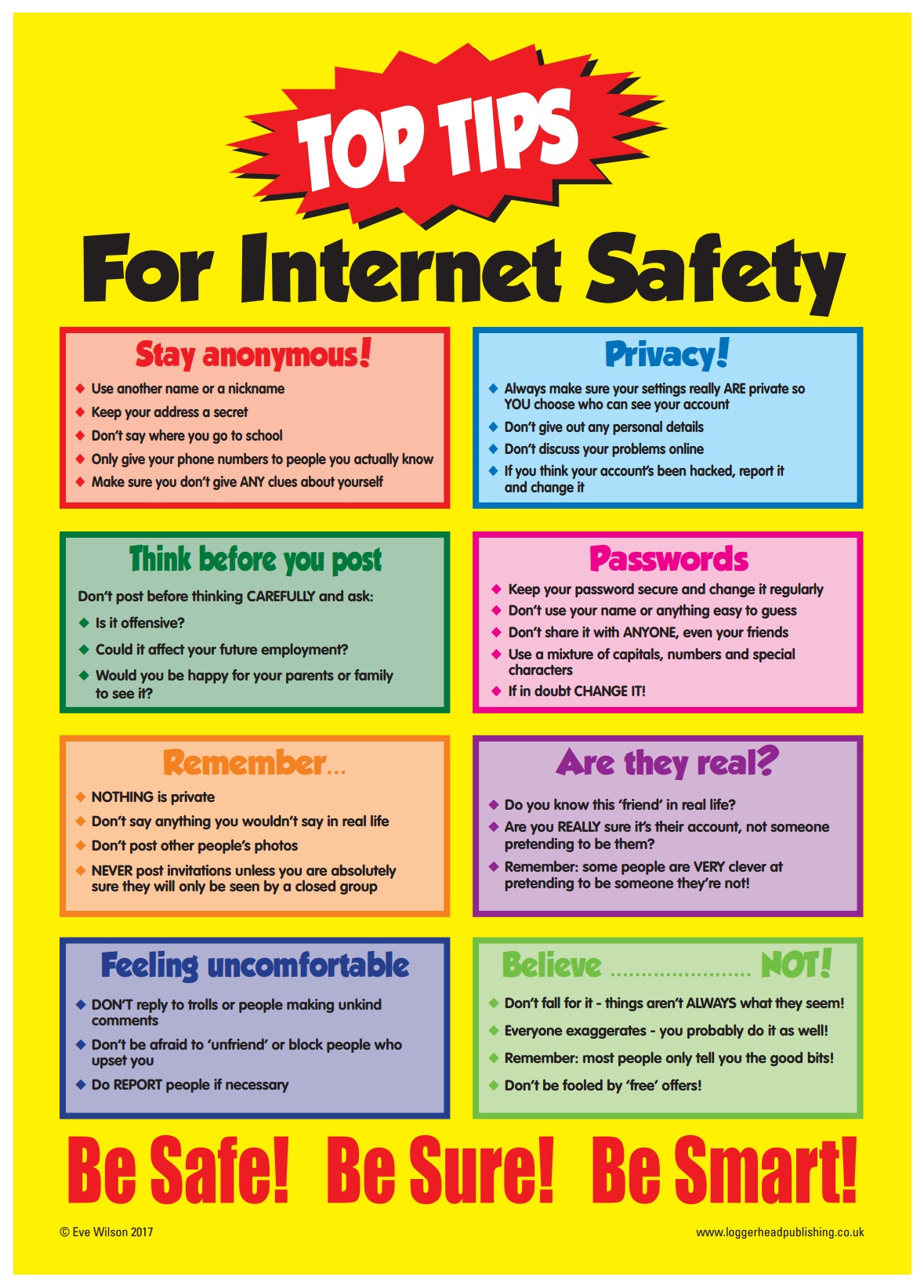
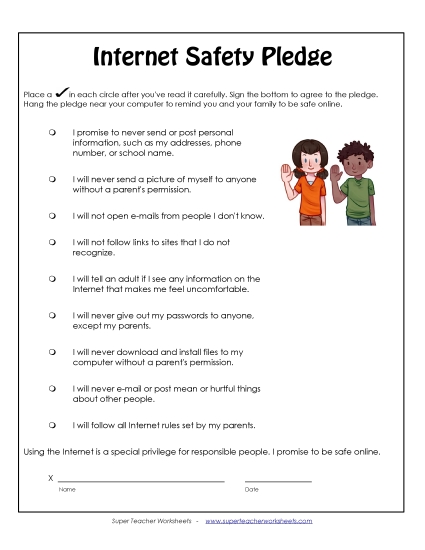
Clear rules establish boundaries that children can understand and internalize. This printable checklist outlines fundamental digital safety practices tailored for elementary learners aged five through twelve. Key focal points include safeguarding personal information, recognizing secure account practices like strong passwords, and understanding the importance of thinking before sharing content. Real-world risks frequently appear in unexpected places, such as multiplayer video platform chats or shared family devices where younger siblings might accidentally access older accounts. Establishing explicit guidelines helps children recognize when a digital interaction crosses the line from fun to uncomfortable. Educators can explore additional resources within the broader Internet and Digital Safety hub to reinforce these core concepts across different subject areas.
Key Learning Outcomes
Working through these established guidelines helps children build practical digital literacy skills. Learners discover why full names, home addresses, and school names stay private. They practice the habit of pausing before clicking links or uploading images. Crucially, the material emphasizes a supportive reporting mechanism: children learn that they are never in trouble for coming forward when something online feels wrong, confusing, or scary. According to the Pew Research Center, a substantial majority of parents worry about their children’s screen time and digital exposure, making proactive communication essential for bridging the gap between home and school environments. Building this trust early ensures children seek guidance rather than hiding mistakes.
How to Use This Printable
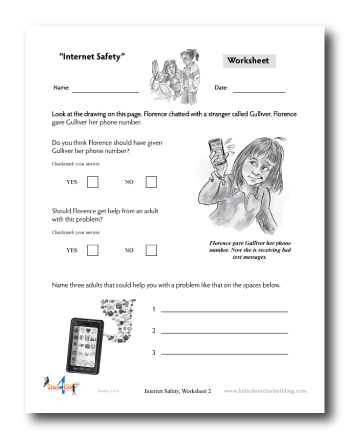
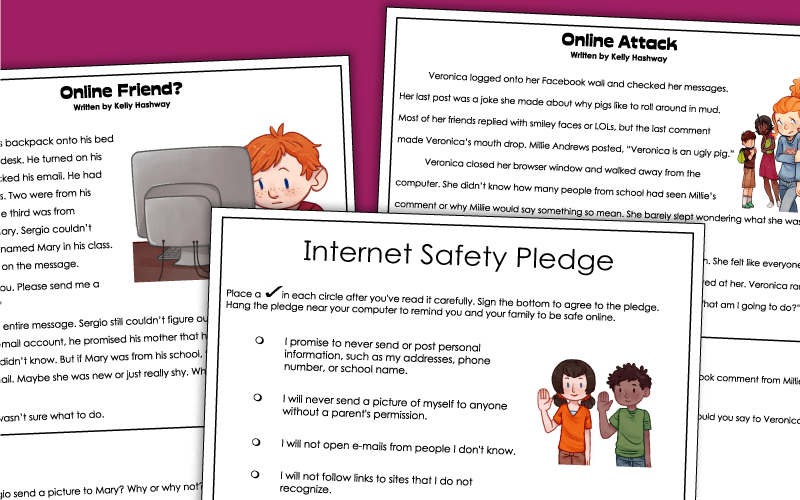
Implementation requires a balance of structure and open dialogue. Teachers can distribute copies during media lab orientation, while homeschoolers and parents can post the checklist near family charging stations or computer desks. Here’s what makes this resource different: it serves as a conversational anchor rather than a rigid contract. Adults should review each rule collaboratively, asking open-ended questions about how children handle tricky moments in favorite apps or games. For additional hands-on practice, pairing this guide with targeted interactive worksheets allows children to apply these safety rules through scenario-based problem-solving.
Practical Tips for Parents and Teachers
Consistency between classroom expectations and home routines reinforces lifelong digital habits. Adults should model positive technology use by narrating their own safe choices, such as checking links or logging out of shared devices. Regular check-ins prevent technology from becoming a source of anxiety. Instead of focusing on restrictions, praise children when they successfully identify a deceptive pop-up or talk openly about an odd message received while gaming. Reinforcing these protective habits through positive encouragement transforms digital citizenship from a set of chores into natural instincts.
Age-Appropriate Recommendations
Younger elementary students need concrete, highly visual reminders about device use, whereas upper elementary learners benefit from discussions surrounding digital footprint and respectful communication. Aligning these lessons with the Common Sense Education Digital Citizenship Curriculum provides a comprehensive roadmap for scaffolding these skills across grade bands. According to Common Sense Media research, children begin interacting with digital devices at increasingly young ages, underscoring the need for age-tailored guidance that evolves as children grow more independent online.
Substantial majorities of parents express concern over children’s digital well-being and online safety. — Pew Research Center
Frequently Asked Questions
Clear answers help adults integrate digital citizenship materials smoothly into daily routines.
Millions of families and educators navigate online safety challenges annually through structured guidance. — Common Sense Media
Explore More Free Kids Online Safety Printables
Expanding a digital citizenship library ensures children receive continuous reinforcement throughout the school year. Educators and families can browse complementary materials such as creative coloring pages designed to spark gentle, stress-free discussions about online boundaries. Integrating diverse formats keeps the conversation engaging and memorable for every learner. To discover even more tools for fostering responsible device use, visit the comprehensive Online and Digital Safety collection for fresh activity ideas.
Developmental Milestone & Activity Table
| Development Stage | Recommended Daily Duration | Primary Learning Objective |
|---|---|---|
| Preschool & Pre-K | 10 – 15 Minutes | Pencil grip development & basic pre-stroke lines |
| Kindergarten | 15 – 20 Minutes | Letter/number formation & spatial line awareness |
| Early Elementary (Grade 1–2) | 20 – 30 Minutes | Fluency, sentence construction & neatness |
Images References