Why Teaching Phishing Recognition Protects K-12 Students Online
Modern classrooms and living rooms are filled with digital tools, making online navigation a daily routine for students of all ages. Unfortunately, cybercriminals increasingly target young people through deceptive emails, fraudulent gaming chat messages, and fake pop-ups that promise free in-game currency or premium software. According to guidance from agencies like the Cybersecurity and Infrastructure Security Agency, educating students to spot digital trickery is just as important as teaching them traditional street safety. By reviewing concrete phishing examples for kids to learn, parents and educators can replace panic with practical critical thinking, ensuring children know how to pause before clicking suspicious links.
💡 Educational Key Takeaways:
- Core Skill: Structured Phishing Examples For Kids To Learn focused on developing pencil grip, stroke control, and early literacy/math confidence.
- Target Scope: Suited for homeschoolers, preschool, kindergarten, and elementary learners.
- Best Recommendation: Practice 10–15 minutes daily with ergonomic writing tools to reinforce muscle memory without hand fatigue.
Recognizing Red Flags: A Quick Reference for Schools and Homes
To help adults and students identify digital threats, the following breakdown contrasts everyday online contexts with common vulnerabilities and actionable safeguards. Implementing age-appropriate device controls alongside these visual cues reinforces good cyber habits across both school-issued Chromebooks and personal devices. Related guide: Teachers Of Grades 9–12 Should Expand Internet Safety Instruction To Include Which Of The Following Topics?.
| Setting / Context | Common Vulnerability | Practical Safeguard |
|---|---|---|
| School Chromebooks & Tablets | Fake password reset alerts claiming accounts will be locked. | Teach students to verify IT requests directly with school media specialists rather than clicking embedded links. |
| Gaming Chat & Messaging Apps | Messages offering free rare items in exchange for account login credentials. | Enable strict privacy filters and establish a rule that official support staff never ask for passwords via chat. |
| Personal Home Devices | Pop-ups warning that the device is infected with viruses and requires immediate software installation. | Install reputable browser extensions, keep operating systems updated, and teach children to close the browser tab safely. |
Establishing Proactive Guardrails and Open Communication Routines
Building a resilient digital safety culture requires a blend of technology and trust. Organizations like ConnectSafely and the Family Online Safety Institute recommend turning digital safety into an ongoing family dialogue rather than an isolated lecture. Start by establishing calm parent-child conversations where students feel safe reporting a mistake, such as accidentally clicking a sketchy link, without fear of losing device privileges. Pair these conversations with practical device controls, such as utilizing school-approved DNS filters, turning on multi-factor authentication where appropriate, and creating shared device charging stations in common household areas to reduce late-night browsing risks.
Overcoming Student Pushback and Handling Accidental Clicks
Overly restrictive internet bans often backfire by driving curious students to find hidden workarounds or keep secrets from adults out of fear. When a child falls for a phishing simulation or clicks a malicious pop-up, reacting with anger or immediate device confiscation teaches them to hide future cyber mishaps. Instead, use the moment as a teachable checkpoint. Walk through the phishing example together to examine why the message looked convincing, check account security settings, and update passwords calmly. Reinforcing these concepts through hands-on practice helps students build long-term digital literacy.
Common Questions About Student Phishing Education
At what age should we start teaching children about phishing?
Basic concepts can be introduced as soon as children begin using digital devices for schoolwork or games, typically around early elementary school. Younger kids can learn simple rules like never typing a password without an adult present, while older elementary and middle school students can analyze specific phishing examples for kids to learn, such as fake emails and deceptive chat messages.
What should a student do immediately if they suspect a message is a scam?
Students should be taught to stop, avoid clicking any links or downloading attachments, and immediately notify a trusted adult, teacher, or school technology staff member. Establishing a non-punitive reporting workflow ensures that security incidents are addressed swiftly before malware can spread across a network.
How can teachers reinforce anti-phishing habits inside the classroom?
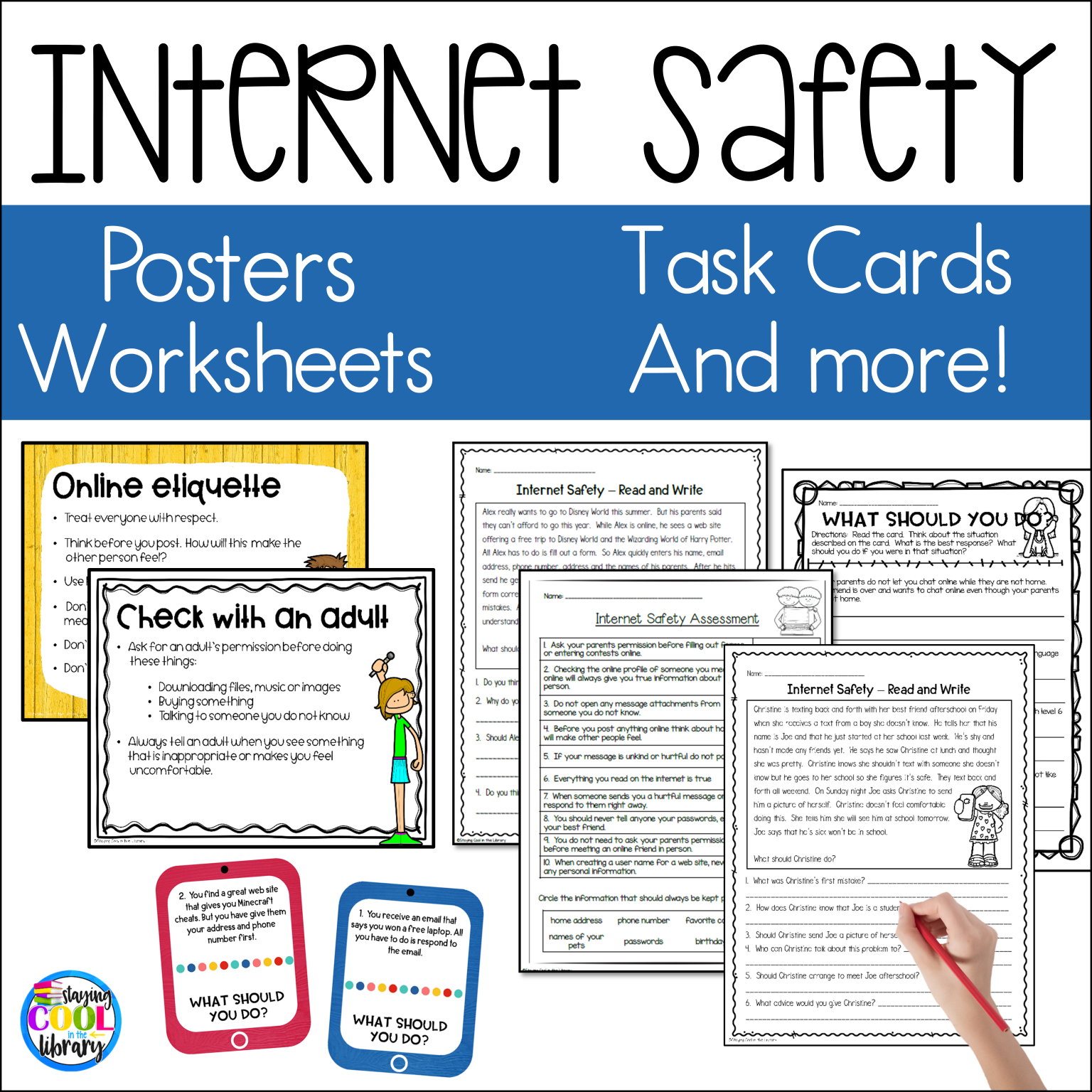
Educators can integrate digital citizenship lessons into daily curricula by discussing real-world scam tactics, utilizing interactive safety modules, and providing students with Internet and Digital Safety resources. For additional hands-on activities, explore our collection of Worksheets designed to test critical thinking skills safely.
Explore More Digital Citizenship Resources
Empowering students to recognize online scams takes consistent effort, clear guidelines, and accessible educational materials. Discover more tools, guides, and expert recommendations by visiting SafeWiredSchools.org to support your home or classroom digital safety journey.
Visual Reference Gallery