Introduction
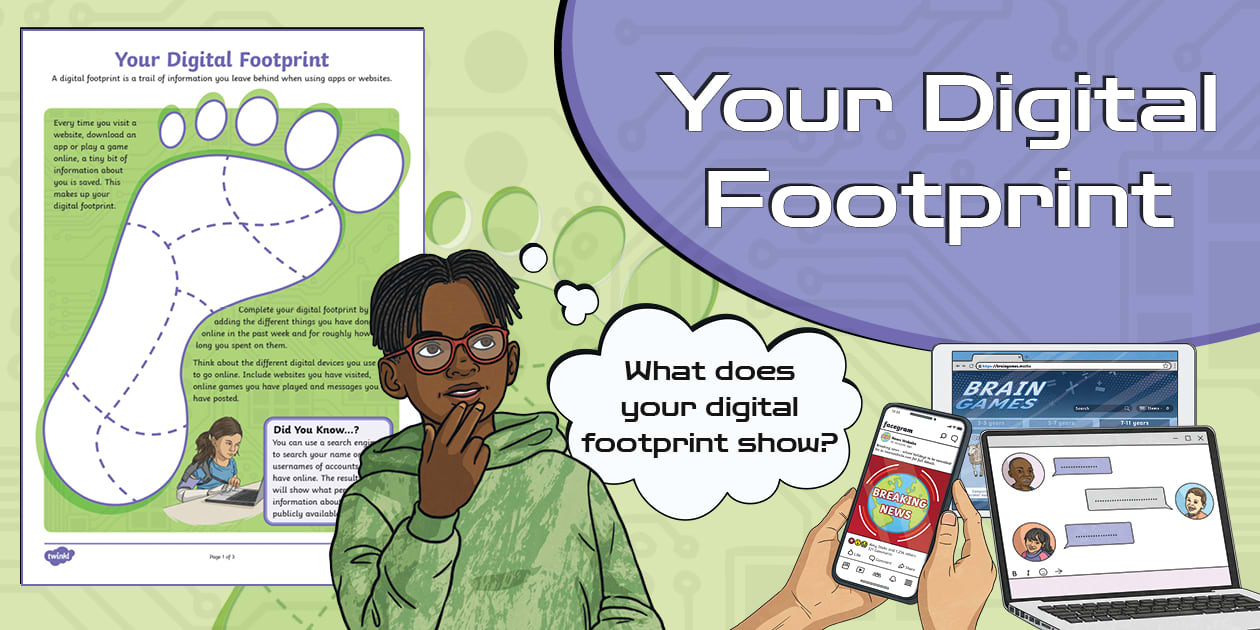
Fifth-grade students stand at a fascinating crossroads of digital independence and early adolescence. Children at this developmental stage frequently navigate school-issued tablets, multiplayer video game chats, and short-form video platforms long before they fully grasp the permanence of their online actions. Gaining clarity around the concept of a digital footprint becomes essential for preteens who are just beginning to curate their public profiles, comment sections, and virtual friendships. Educators and caregivers often search for the digital footprint definition 5th grade learners need to grasp without feeling overwhelmed or lectured. A targeted free printable provides a tangible bridge between abstract internet concepts and everyday choices, turning invisible data trails into concrete lessons. Related guide: Internet Safety Hunt For Students.
💡 Educational Key Takeaways:
- Core Skill: Structured Digital Footprint Definition 5Th Grade focused on developing pencil grip, stroke control, and early literacy/math confidence.
- Target Scope: Suited for homeschoolers, preschool, kindergarten, and elementary learners.
- Best Recommendation: Practice 10–15 minutes daily with ergonomic writing tools to reinforce muscle memory without hand fatigue.
What This Printable Covers
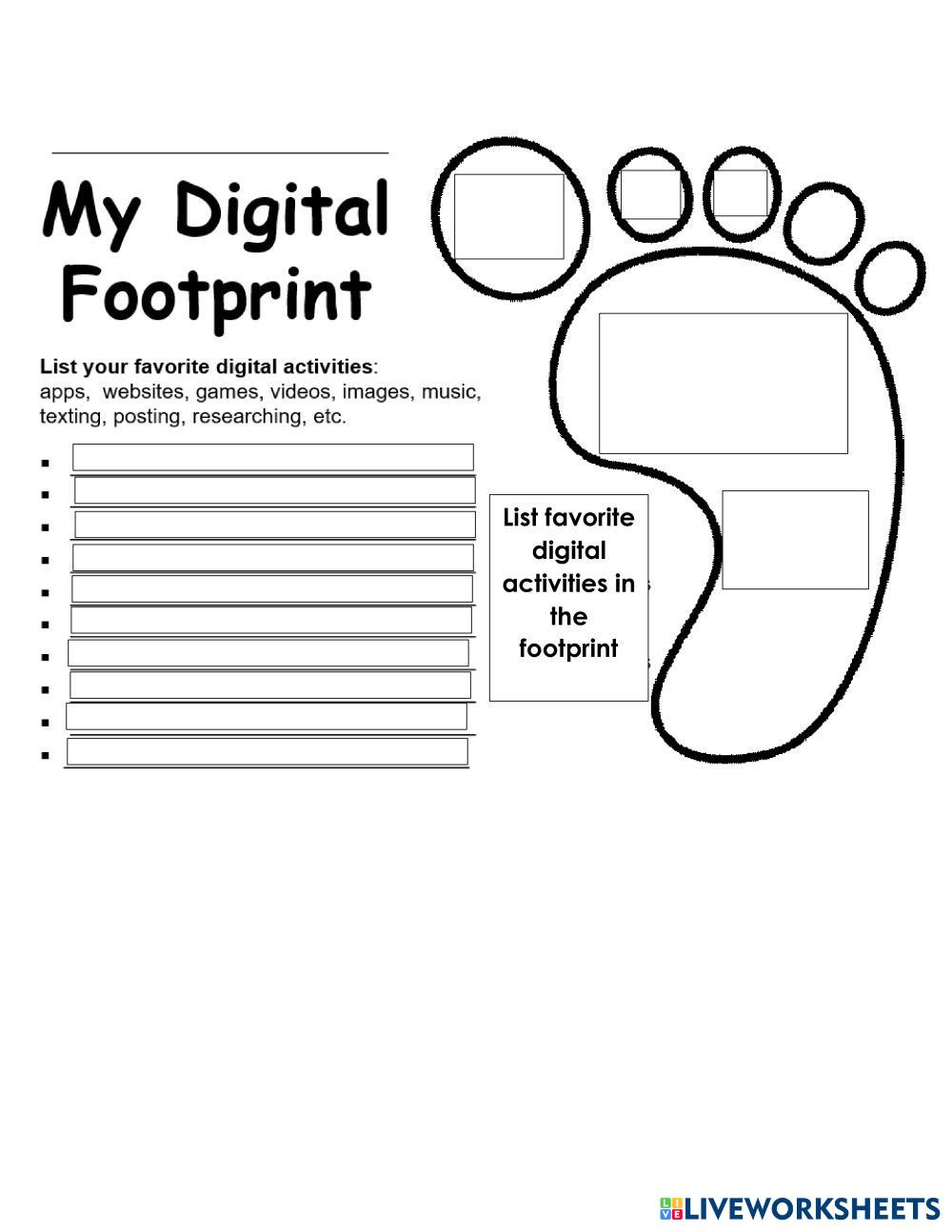
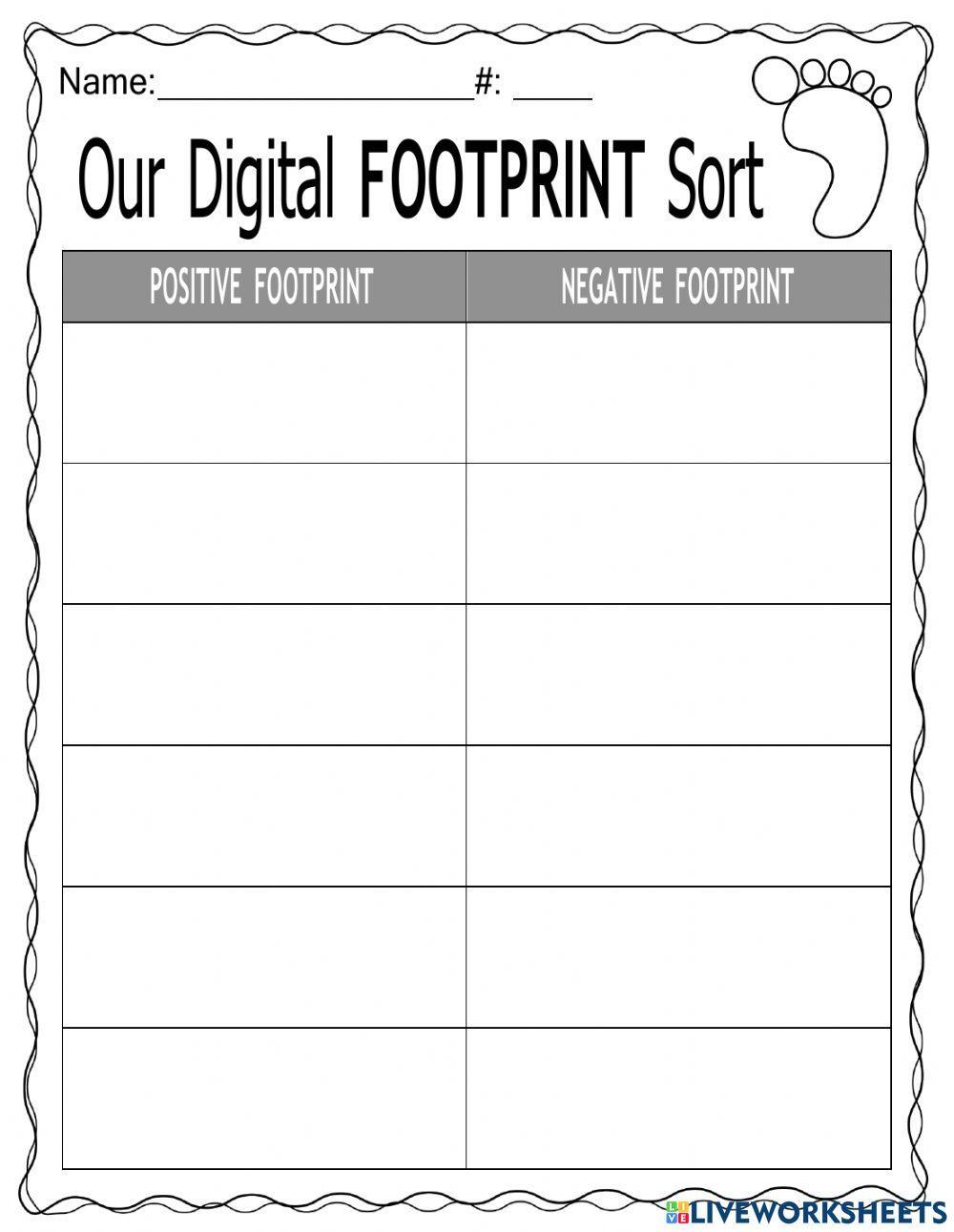
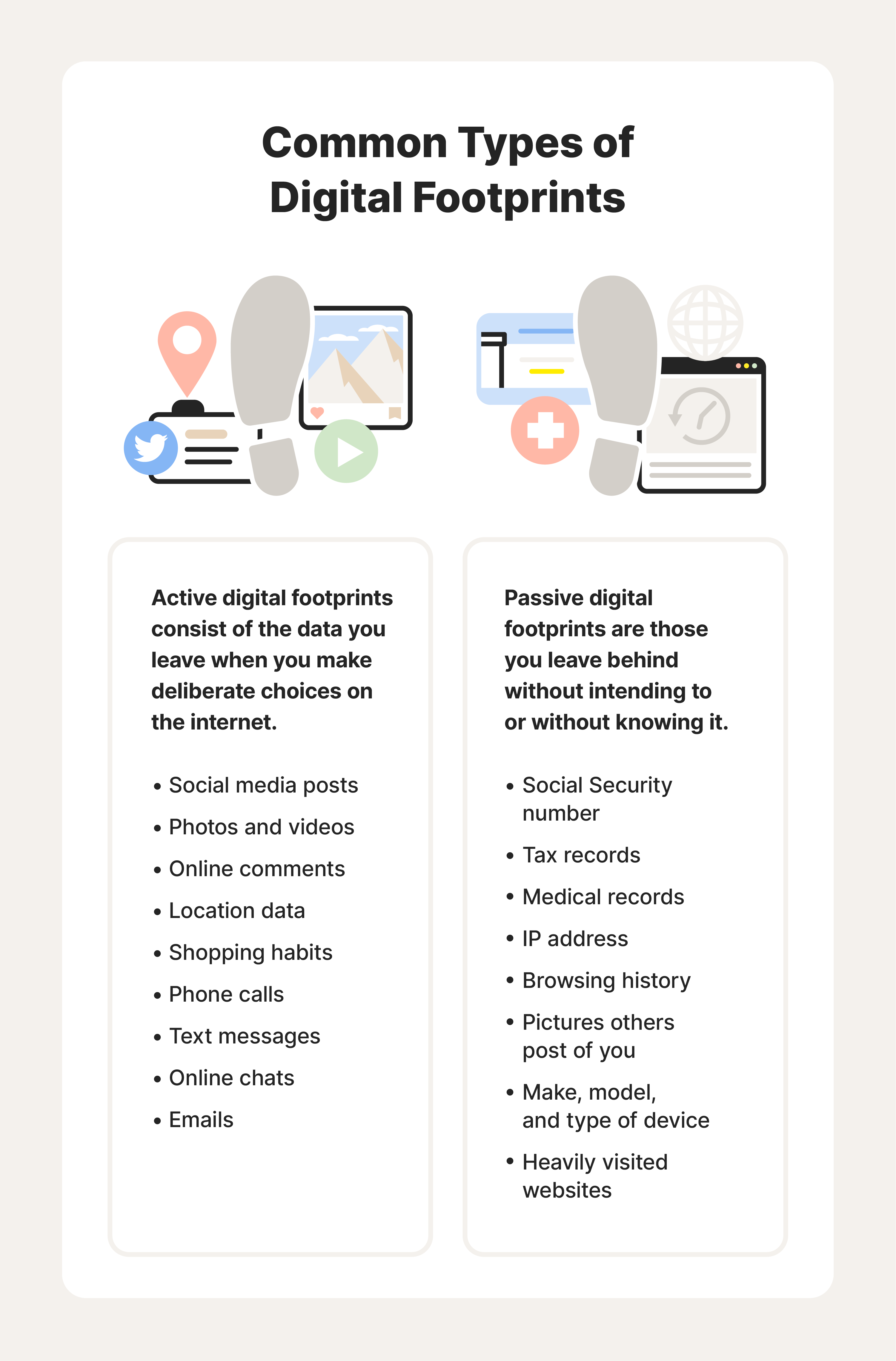
This specific activity breaks down the concept of a digital footprint into digestible, age-appropriate components that resonate with upper-elementary minds. Fifth graders engage with scenarios depicting common virtual interactions, such as leaving comments on public video feeds, sharing screenshots on shared family devices, or trading items in multiplayer game lobbies. Rather than relying on technical jargon, the resource uses relatable imagery and guided reflection questions to illustrate how digital actions leave lasting records. Children practice distinguishing between private personal details and safe public sharing, reinforcing the fundamental habit of thinking before clicking or posting.
Key Learning Outcomes
Working through the activity sheet empowers students to identify what information belongs exclusively in the offline world. Learners discover that deleted posts often persist in unexpected ways, making proactive caution superior to retroactive damage control. According to Pew Research Center, a substantial majority of parents express deep concerns about their children’s digital privacy and the long-term visibility of online content. The worksheet addresses these exact worries by teaching youngsters to pause and evaluate the potential audience of any photo, comment, or message before hitting send. Furthermore, the resource builds critical thinking skills by prompting students to analyze hypothetical online scenarios and determine the safest course of action.
How to Use This Printable
Implementing this educational asset requires minimal preparation, making it equally effective for a morning advisory period at school or a quiet afternoon kitchen table discussion at home. Grown-ups can introduce the sheet by asking open-ended questions about favorite online games or apps, easing into the core vocabulary naturally. It sounds simple, and that is precisely the point. The worksheet functions best as a collaborative discussion starter rather than a punitive quiz. Adults should guide children through the prompts step by step, listening closely to how students interpret online rules and gentle boundaries. Pairing these activities with resources found in Internet and Digital Safety expands a child’s foundational knowledge base.
Practical Tips for Parents and Teachers
Creating a supportive, shame-free environment remains the single most important factor when discussing online habits with preteens. Children who fear losing device privileges or getting into trouble will hide uncomfortable digital encounters, such as mean text messages in in-game chat rooms or accidental clicks on sketchy pop-ups. Establishing an explicit household or classroom rule that kids are never in trouble for reporting something weird or upsetting keeps communication lines wide open. Adults can explore additional methods and free printables by browsing specialized collections like Worksheets to reinforce these lessons consistently across multiple settings.
Age-Appropriate Recommendations
Fifth graders require concrete examples that match their growing social awareness, moving away from babyish warnings and toward realistic digital citizenship principles. Grounding instruction in established frameworks, such as the Common Sense Education Digital Citizenship Curriculum, helps educators align lessons with developmental milestones for nine-to-eleven-year-olds. At this age, children care deeply about peer perception and social standing, which frequently influences their online sharing habits. Lessons must emphasize empathy, digital footprint awareness, and respect for personal boundaries. According to Common Sense Media, children today encounter digital media at increasingly younger ages, making early and continuous conversations about online footprints vital for healthy habit formation.
Substantial parental concern exists regarding digital privacy and the permanent nature of children’s online footprints. — Pew Research Center
Frequently Asked Questions
Navigating digital citizenship printables is straightforward when educators and parents utilize reliable guidance designed for modern classrooms and households.
Early and continuous media exposure highlights the necessity of foundational digital footprint education. — Common Sense Media
Explore More Free Kids Online Safety Printables
Expanding a child’s digital literacy toolkit involves continuous reinforcement through varied, engaging educational formats. Discover more valuable teaching materials and creative exercises by visiting Online and Digital Safety and exploring the diverse archive dedicated to keeping young minds secure. Building robust digital habits is an ongoing journey, and utilizing supportive resources from Coloring Pages can also help engage younger siblings in foundational safety conversations.
Developmental Milestone & Activity Table
| Development Stage | Recommended Daily Duration | Primary Learning Objective |
|---|---|---|
| Preschool & Pre-K | 10 – 15 Minutes | Pencil grip development & basic pre-stroke lines |
| Kindergarten | 15 – 20 Minutes | Letter/number formation & spatial line awareness |
| Early Elementary (Grade 1–2) | 20 – 30 Minutes | Fluency, sentence construction & neatness |
Images References