Introduction
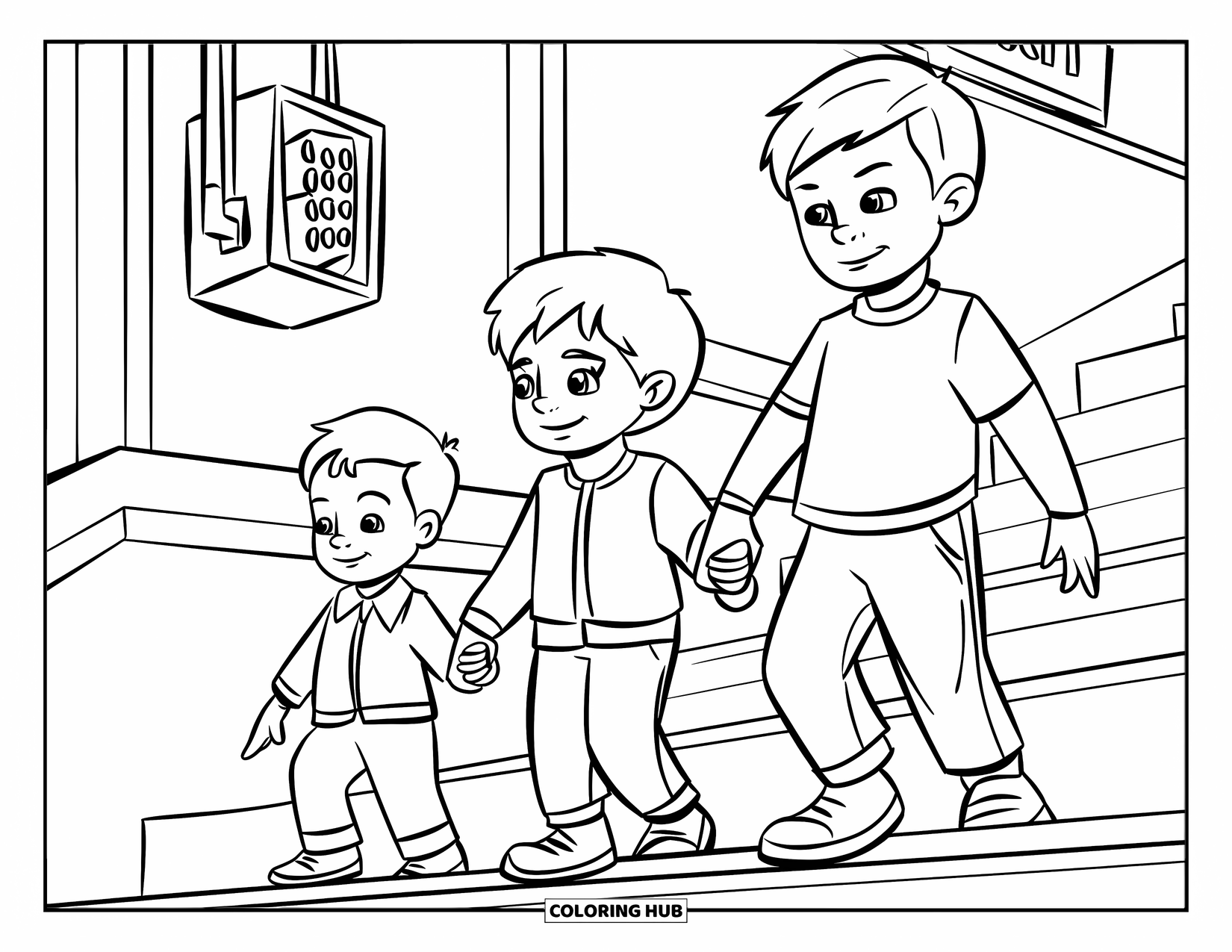
Emergency response practices in physical classrooms rely on repetition, muscle memory, and calm preparedness. Children learn the sound of a buzzer, the route to the exit, and the designated meeting spot through routine fire drills. Translating that same instinctive readiness to the virtual world requires a parallel approach. Young learners frequently navigate shared devices at home, tap through in-game chat features, and stream video platforms independently. Introducing foundational digital safety habits through creative mediums bridges the gap between abstract rules and concrete actions. The free printable fire drill coloring sheet available on {site_name} transforms a conceptual safety lesson into an approachable, tactile experience. Coloring reinforces critical safety messages organically while opening up unhurried, pressure-free conversations between adults and children. Related guide: Please Provide Free 8.5″X11″ Digital Safety Coloring Pages For K-2 Grade.
💡 Activity Key Takeaways:
- Core Focus: Printable Fire Drill.Coloring Aheet designed for creative expression and fine-motor coordination.
- Target Scope: Ideal for toddlers, preschool, kindergarten, and classroom art activities.
- Best Recommendation: Use standard heavy printer paper (24–28 lb) or cardstock for vibrant results with crayons, colored pencils, or washable markers.
What This Printable Covers
Visual learning tools anchor complex ideas in ways that young minds can easily process and retain. The fire drill coloring sheet introduces the metaphor of a digital pause button, comparing online disruptions to physical emergency drills. When something unexpected pops up on a screen—whether it is a strange message in a multiplayer game or a sudden popup window—children learn to step back rather than panic. It sounds simple, and that’s the point. Safety is a skill to build, never a threat to dread. The artwork emphasizes core protective habits such as keeping personal information private, recognizing tricky situations, and immediately seeking out a trusted adult. Crucially, the activity reinforces the comforting message that children are never in trouble for reporting something uncomfortable they encountered online.
Key Learning Outcomes
Every stroke of a crayon helps cement essential behavioral expectations for navigating connected environments. Learners discover how to identify secure boundaries, such as knowing which details constitute private personal data like full names or home addresses. Engaging with this resource also establishes clear protocols for strong passwords and thoughtful sharing habits. According to the Federal Trade Commission, children increasingly encounter digital spaces through shared household tablets and gaming consoles, making foundational offline discussions vital before independent navigation begins. Here’s what makes this resource different: it relies on low-stakes creativity to build high-stakes situational awareness, reducing anxiety while maximizing message retention.
How to Use This Printable
Integrating creative printables into a daily routine works best when paired with open dialogue and collaborative exploration. Educators can introduce the sheet during morning meeting transitions, while parents might set up a coloring station at the kitchen table during an afternoon snack. As children fill in the lines, adults can guide the discussion by asking open-ended questions about what characters in the picture should do next. This shared activity serves as a natural entry point for exploring broader concepts found within Internet and Digital Safety modules. Rather than lecturing about screen time limits, adults listen to how young users perceive their online interactions, turning a quiet art project into an interactive safety workshop.
Practical Tips for Parents and Teachers
Maximizing the educational value of any art-based activity involves creating a welcoming, non-judgmental atmosphere. Adults should avoid testing children on the safety rules depicted on the page, instead letting the imagery prompt natural storytelling. Educators looking for complementary resources often pair these creative exercises with targeted Worksheets to reinforce comprehension through matching games or scenario prompts. Keeping the tone empowering ensures that learners view digital boundaries as tools for independence rather than restrictions on their fun. When children feel supported and listened to, they are significantly more likely to speak up the moment something feels off on a screen.
Age-Appropriate Recommendations
Tailoring digital citizenship instruction to developmental milestones ensures that messages resonate effectively across different age groups. Younger children between five and eight years old benefit immensely from visual metaphors like fire drills because they connect concrete physical routines to intangible digital spaces. Older elementary students aged nine to twelve can expand on the coloring activity by drafting their own family technology agreements or exploring comprehensive frameworks like the Common Sense Education Digital Citizenship Curriculum. Aligning lessons with these established developmental benchmarks helps educators foster responsible digital agency step by step, ensuring kids learn to navigate technology safely and confidently.
Children are increasingly exposed to digital media and connected devices at younger ages, making early, foundational habit-building essential for safe online navigation. — Common Sense Media
Frequently Asked Questions
Navigating digital citizenship resources is straightforward when clear answers are readily available for common implementation questions. Educators and families frequently ask about formatting, integration strategies, and sourcing additional reliable materials to support young learners. Exploring specialized collections such as Coloring Pages provides continuous inspiration for blending creativity with essential online safety lessons.
Explore More Free Kids Online Safety Printables
Building a robust foundation of digital literacy requires a diverse toolkit of engaging, age-appropriate educational materials. Beyond individual art sheets, adults can access a wide array of curated resources dedicated to Online and Digital Safety to support ongoing learning at home and in the classroom. Combining creative activities with structured discussions ensures that young digital citizens develop the lifelong habits necessary to thrive safely in an increasingly connected world.
Key Specifications & Age-Group Overview
| Age / Grade Group | Target Skill Focus | Recommended Medium |
|---|---|---|
| Toddlers (Ages 2–4) | Hand-eye coordination & broad motor grasp | Jumbo crayons & washable finger paints |
| Early Elementary (Ages 5–7) | Line boundaries & fine pencil control | Standard colored pencils & fine-tip markers |
| Intermediate (Ages 8+) | Color blending, shading & artistic patience | Watercolor pencils, gel pens & dual-brush markers |
Images References