Introduction
Children often merge physical adventures with digital discovery, riding bicycles down the driveway while recording trick videos for shared family tablets or popular video platforms. Navigating both worlds requires intentional habit-building rather than fear-based restriction. Free printable coloring pages for bike safety offer a creative bridge for educators and caregivers to introduce critical decision-making skills. Coloring reinforces safety messages through tactile engagement, allowing young minds to process visual cues at their own pace while opening natural pathways for important conversations about real-world and online awareness.
💡 Activity Key Takeaways:
- Core Focus: Printable Printable Coloring Pages For Bike Safety designed for creative expression and fine-motor coordination.
- Target Scope: Ideal for toddlers, preschool, kindergarten, and classroom art activities.
- Best Recommendation: Use standard heavy printer paper (24–28 lb) or cardstock for vibrant results with crayons, colored pencils, or washable markers.
What This Printable Covers
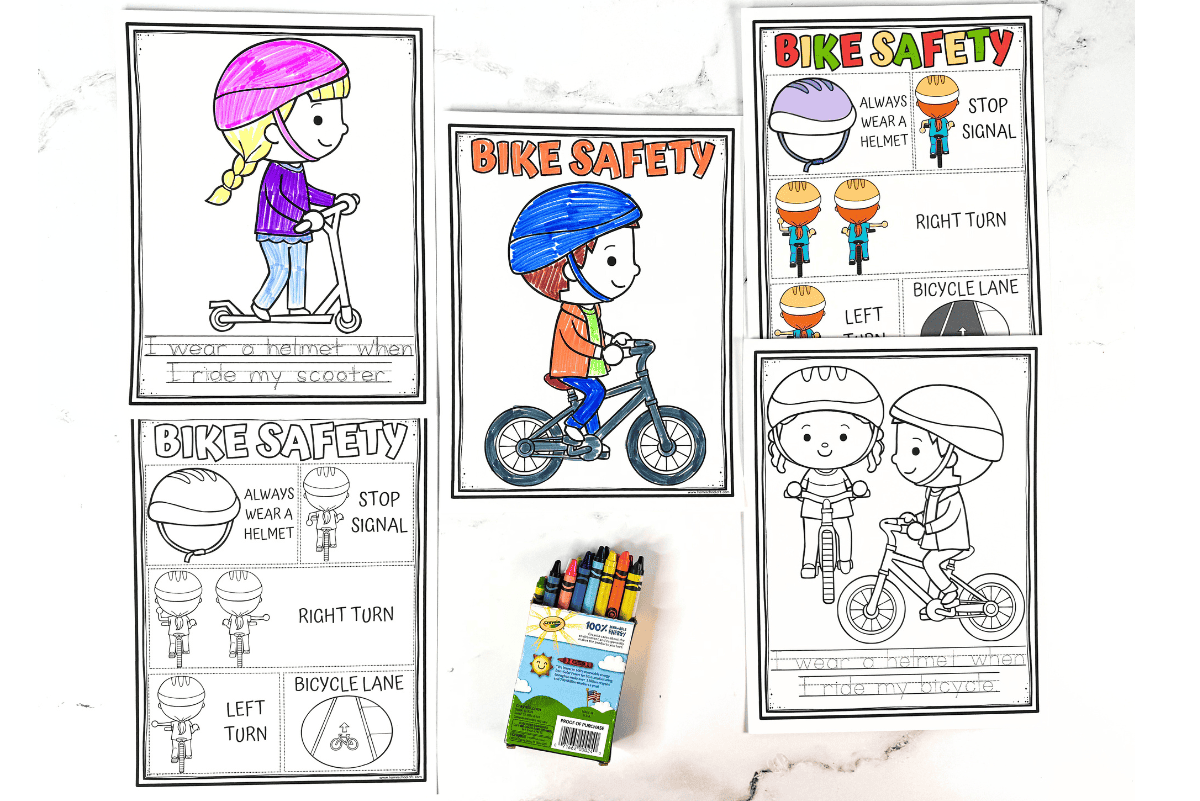
This specific resource depicts foundational outdoor preparedness scenes, including properly fitted helmets, bright signaling clothing, and safe street-crossing behaviors. Beyond physical mechanics, the illustrations serve as a metaphor for digital awareness. When children color a helmet, adults can discuss protective boundaries. These visual prompts help bridge the gap between wearing gear on the pavement and maintaining secure habits on Internet and Digital Safety topics, such as keeping personal information private and recognizing when a situation feels uncomfortable.
Key Learning Outcomes
Engaging with these artistic sheets encourages children to identify trusted adults for guidance, recognize environmental hazards, and understand the value of protective gear. It sounds simple, and that’s the point. Young learners absorb concepts best when their hands are busy and the tone remains relaxed. According to the Pew Research Center, a vast majority of children access digital media at increasingly early ages through shared household devices, making foundational safety conversations essential across all daily activities.
How to Use This Printable
Classrooms, counseling offices, and living room tables transform into collaborative spaces when crayons and markers come out. Adults can introduce the coloring sheet as a relaxing afternoon art project, pausing to ask gentle questions about why the character in the picture wears a helmet or looks both ways before crossing. Here’s what makes this resource different: it anchors abstract concepts in familiar imagery, making it easier for children to open up. Similar creative exercises can be found within curated collections of Coloring Pages designed to support holistic youth development.
Practical Tips for Parents and Teachers
Patience and open-ended questioning yield the best engagement during creative sessions. Instead of quizzing children, adults should invite them to narrate what the characters are doing on the page. Discussions can gently pivot from checking street signs to discussing in-game chat boundaries or knowing when to pause an activity and tell a trusted adult. Children must always hear the reassuring message that they are never in trouble for reporting something uncomfortable, whether spotted on a neighborhood bike path or encountered inside a digital application.
Age-Appropriate Recommendations
For kindergarteners and early elementary students, focus the conversation on concrete rules, such as staying within sight and wearing bright clothing. Older elementary children can explore more nuanced discussions regarding peer pressure, situational awareness, and digital footprints. Aligning these lessons with the Common Sense Education Digital Citizenship Curriculum ensures that activities meet established developmental milestones. Building these protective habits early creates a strong foundation for future independence, reminding young learners that safety is an empowering skill rather than a restrictive rule.
Young children frequently encounter digital media and connected devices in shared family environments, highlighting the need for proactive guidance. — Pew Research Center
Frequently Asked Questions
How do these printable activities support digital citizenship? Coloring sheets open relaxed dialogue about protective habits, translating physical safety rules into digital awareness concepts like asking trusted adults for help. Where can educators find more offline teaching aids? Additional resources, including structured Worksheets, offer targeted skill practice for diverse learning environments. What do safety advocates recommend for family media habits? According to the National Center for Missing & Exploited Children, maintaining open, ongoing communication between children and trusted caregivers is one of the most effective strategies for preventing online risks.
Explore More Free Kids Online Safety Printables
Expanding a safety curriculum becomes effortless when utilizing supplementary materials that address various facets of youth development. Caregivers and educators can explore targeted guides dedicated to Online and Digital Safety to find additional tools. Combining creative art sessions with structured discussions ensures that children grow into confident, digitally responsible participants.
Key Specifications & Age-Group Overview
| Age / Grade Group | Target Skill Focus | Recommended Medium |
|---|---|---|
| Toddlers (Ages 2–4) | Hand-eye coordination & broad motor grasp | Jumbo crayons & washable finger paints |
| Early Elementary (Ages 5–7) | Line boundaries & fine pencil control | Standard colored pencils & fine-tip markers |
| Intermediate (Ages 8+) | Color blending, shading & artistic patience | Watercolor pencils, gel pens & dual-brush markers |
Images References