Introduction
Protecting young learners in digital environments requires proactive guidance rather than reactive worry. Children navigate the virtual world much earlier than previous generations, often encountering complex situations on shared family tablets, in-game chat rooms, and mainstream video platforms. Educators and caregivers frequently search for accessible entry points to discuss digital citizenship without inducing fear. Art-based activities provide a gentle, low-pressure medium to introduce essential concepts like keeping personal information private and thinking before sharing. The free printable kids sun safety colouring sheet available on {site_name} bridges creative expression with foundational habit-building, turning a simple craft session into a meaningful dialogue about online boundaries. Related guide: Two Factor Authentication Coloring Page Kids.
💡 Educational Key Takeaways:
- Core Skill: Structured Kids Sun Safety Colouring Sheet focused on developing pencil grip, stroke control, and early literacy/math confidence.
- Target Scope: Suited for homeschoolers, preschool, kindergarten, and elementary learners.
- Best Recommendation: Practice 10–15 minutes daily with ergonomic writing tools to reinforce muscle memory without hand fatigue.
What This Printable Covers
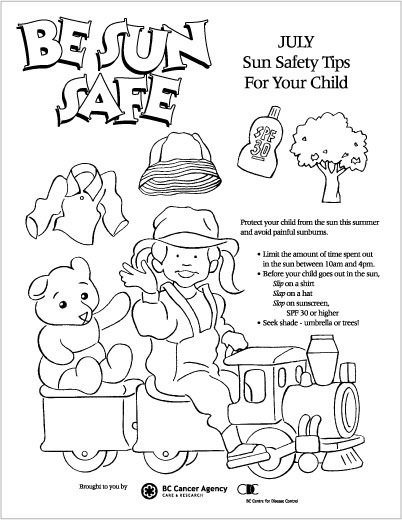
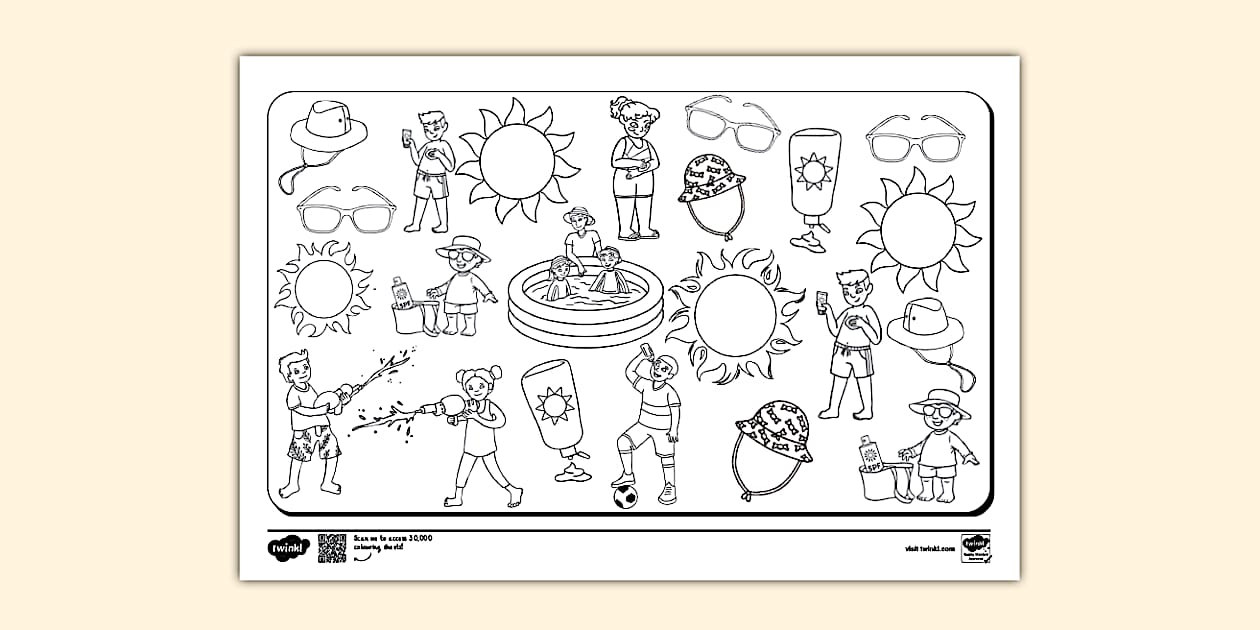
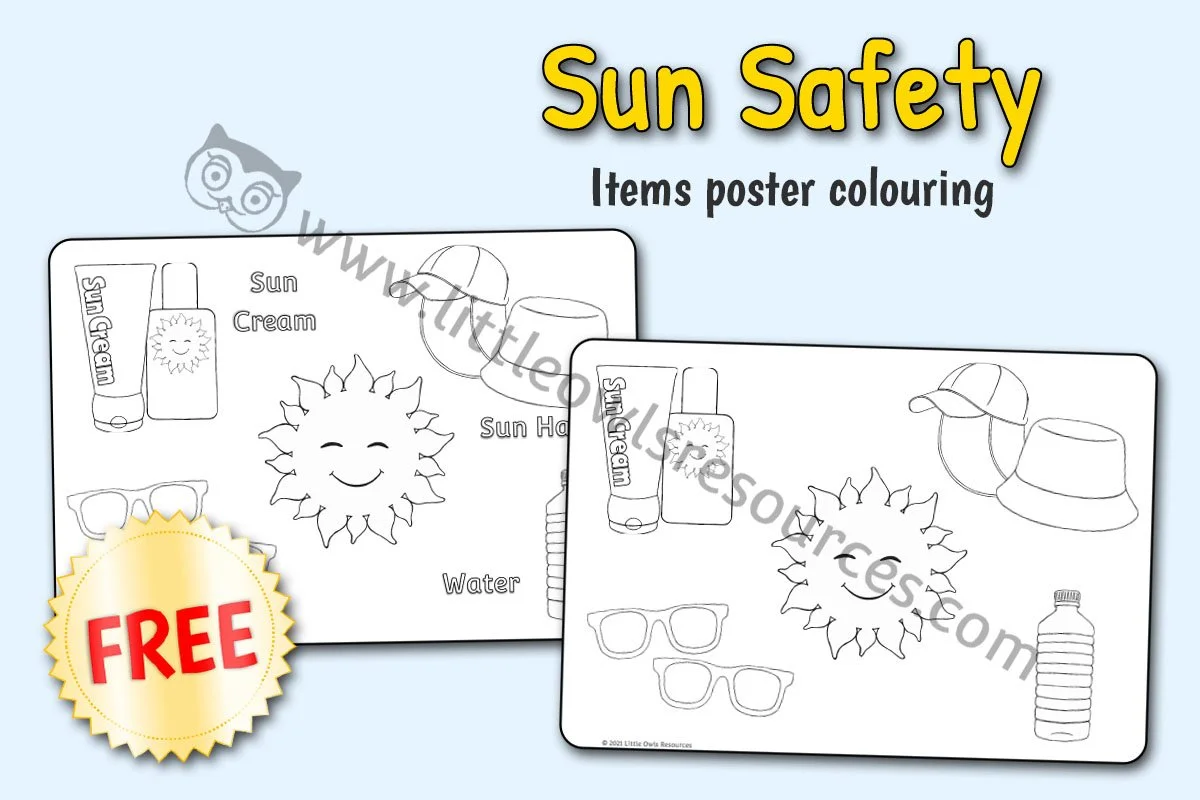
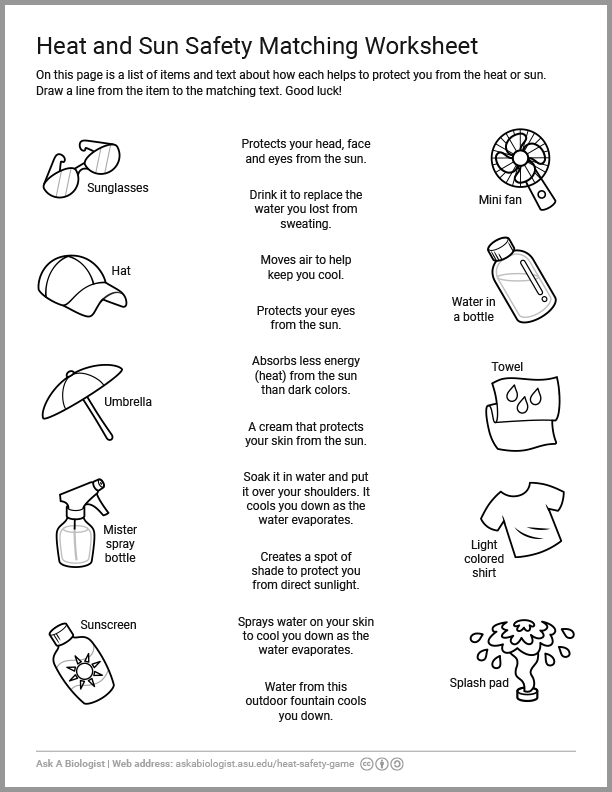
Metaphors work remarkably well for young minds because physical safety rules translate seamlessly into digital safety habits. Sun safety offers a brilliant parallel: applying sunscreen, wearing a hat, and seeking shade protect the body from unseen UV rays, just as digital protection shields personal details from unseen risks online. This resource uses engaging imagery to illustrate protective layers, prompting discussions about why certain information stays private. Coloring reinforces these safety messages while keeping hands busy and minds relaxed, which naturally lowers defenses and opens the door to honest conversations. Children often process abstract concepts much better when they can color, talk, and reflect simultaneously.
Key Learning Outcomes
Working through this creative activity supports several critical competencies in digital literacy and self-advocacy. Participants learn to recognize the value of personal boundaries, understanding that certain details—such as full names, home locations, and school names—resemble sensitive skin that needs extra protection. Another vital outcome involves reinforcing the absolute rule of telling a trusted adult immediately whenever something online feels uncomfortable or confusing. It sounds simple, and that’s the point. Establishing clear, memorable pathways for reporting ensures that children remember they are never in trouble for speaking up. No coloring page or worksheet guarantees safety on its own, but consistent reinforcement builds the resilience necessary for healthy digital exploration.
How to Use This Printable
Classrooms, counseling offices, and living room tables serve as ideal spaces for implementing this creative exercise. Adults can introduce the sheet by asking simple, guiding questions about physical sun protection before drawing the parallel to online behavior. Here’s what makes this resource different: it frames digital citizenship as a set of healthy, positive habits to build rather than a list of terrifying restrictions. Adults can distribute crayons or markers, sit alongside the learners, and discuss scenarios encountered in everyday digital spaces. Integrating these lessons into a broader curriculum becomes seamless when utilizing additional Worksheets designed to reinforce healthy habits. Consistent, calm dialogue transforms abstract rules into internalized instincts.
Practical Tips for Parents and Teachers
Maximizing the educational impact of any activity relies heavily on the quality of the surrounding conversation. Caregivers should avoid asking interrogative questions and instead focus on collaborative problem-solving during the coloring process. Asking how the characters in the picture are protecting themselves invites children to articulate the rules in their own words. Educators can pair this visual exercise with broader lessons found within Internet and Digital Safety modules to create a comprehensive learning unit. Adults must maintain a warm, approachable demeanor so that young users feel completely safe bringing future digital dilemmas forward without fear of punishment or device restrictions.
Age-Appropriate Recommendations
Tailoring digital citizenship instruction to developmental stages ensures maximum comprehension and retention for growing minds. According to Common Sense Media, young children spend significant portions of their daily screen time interacting with digital media, making early guidance essential. For early elementary students aged five to eight, focus centers on basic boundaries, such as asking permission before clicking links and keeping passwords private. Upper elementary students aged nine to twelve can explore more nuanced topics, including digital footprints and respectful online communication. Aligning these lessons with the Common Sense Education Digital Citizenship Curriculum provides structured pathways for educators aiming to foster responsible, empathetic digital citizens across all grade levels.
According to Common Sense Media, young children spend significant daily time interacting with digital media, making early guidance on boundaries and privacy essential for healthy development. — Common Sense Media
Frequently Asked Questions
Navigating digital literacy resources is straightforward when clear answers are readily available for common logistical and pedagogical questions. Educators and parents frequently inquire about the printing process, the underlying educational philosophy, and alignment with recognized safety organizations. Reviewing these targeted responses helps adults implement the coloring activity with confidence and clarity in both homes and classrooms.
Explore More Free Kids Online Safety Printables
Expanding a digital citizenship toolkit requires a diverse selection of engaging, accessible resources for ongoing instruction. Exploring related categories on the platform allows educators to find supplementary materials tailored to various age groups and learning styles. Discover creative inspiration by browsing the collection of Coloring Pages for younger learners. For more comprehensive modules focusing on modern digital habits, visit the main Online and Digital Safety hub to support continuous habit-building at home and in the classroom.
Developmental Milestone & Activity Table
| Development Stage | Recommended Daily Duration | Primary Learning Objective |
|---|---|---|
| Preschool & Pre-K | 10 – 15 Minutes | Pencil grip development & basic pre-stroke lines |
| Kindergarten | 15 – 20 Minutes | Letter/number formation & spatial line awareness |
| Early Elementary (Grade 1–2) | 20 – 30 Minutes | Fluency, sentence construction & neatness |
Images References