Introduction
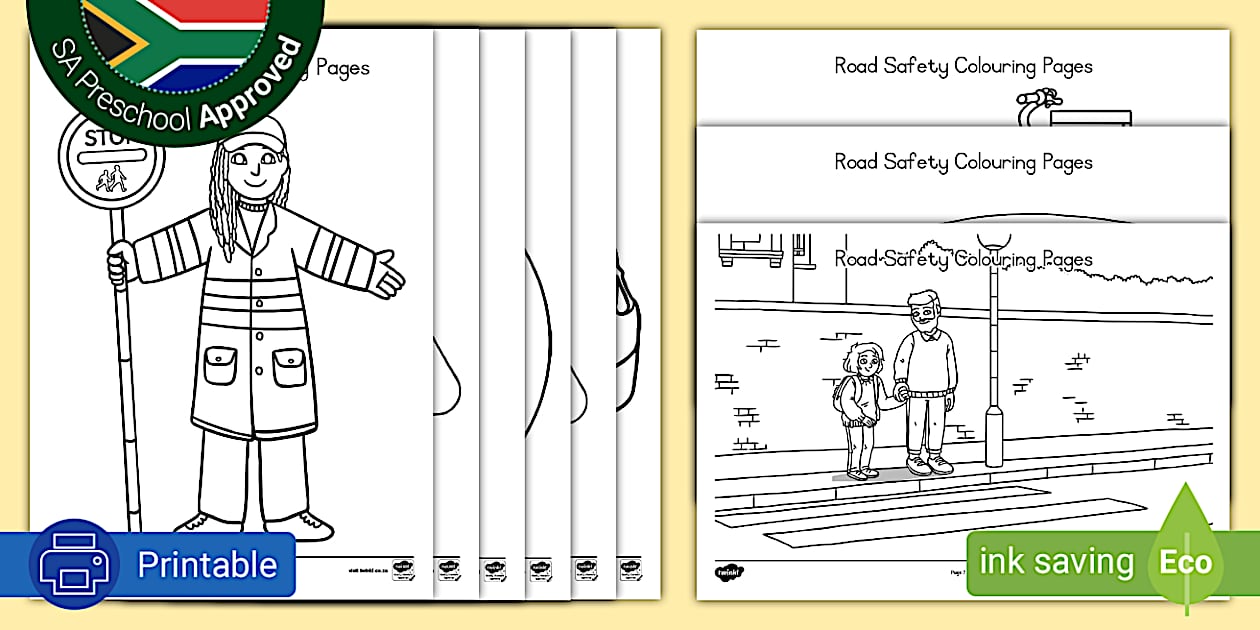
Early childhood educators know that physical world concepts lay the groundwork for digital understanding. Young learners grasp the rules of the sidewalk, traffic lights, and crosswalks long before they open a web browser or hold a tablet. Connecting physical navigation to virtual environments provides an accessible bridge for foundational digital citizenship. The free printable preschool: road safety – colouring pages in a pdf format offers a practical medium for bridging these worlds. Coloring reinforces safety messages through tactile repetition and opens crucial conversations about awareness, boundaries, and paying attention to surroundings. Children navigate shared family devices, encounter in-game chat features, and swipe through algorithmic video platforms at increasingly early ages. Framing safety as a continuous skill-building journey rather than a source of dread empowers children to make mindful choices both on the street and online. Related guide: Please Provide Free 8.5″X11″ Digital Safety Coloring Pages For K-2 Grade.
💡 Educational Key Takeaways:
- Core Skill: Structured Preschool: Road Safety – Colouring Pages In A Pdf Format. focused on developing pencil grip, stroke control, and early literacy/math confidence.
- Target Scope: Suited for homeschoolers, preschool, kindergarten, and elementary learners.
- Best Recommendation: Practice 10–15 minutes daily with ergonomic writing tools to reinforce muscle memory without hand fatigue.
What This Printable Covers
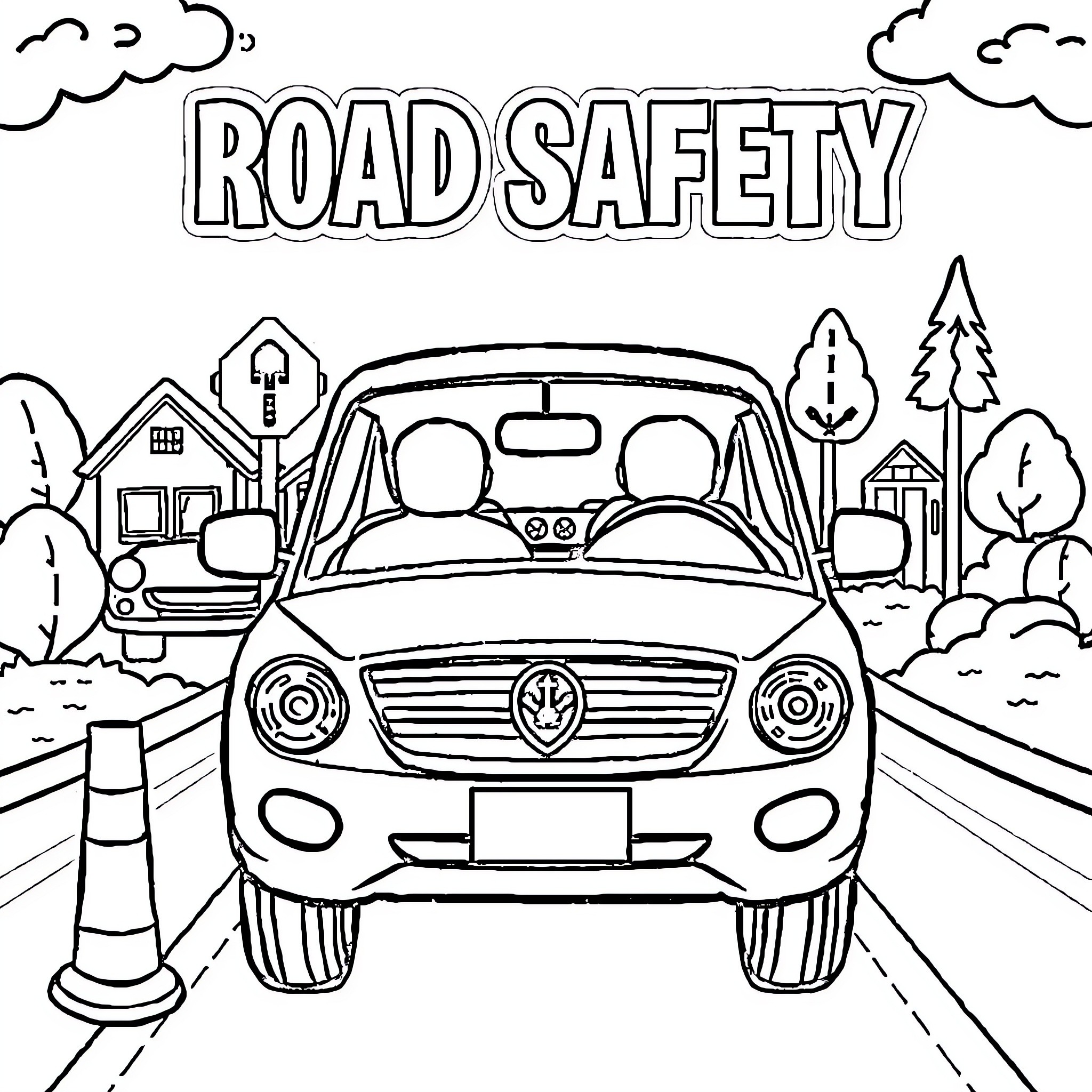
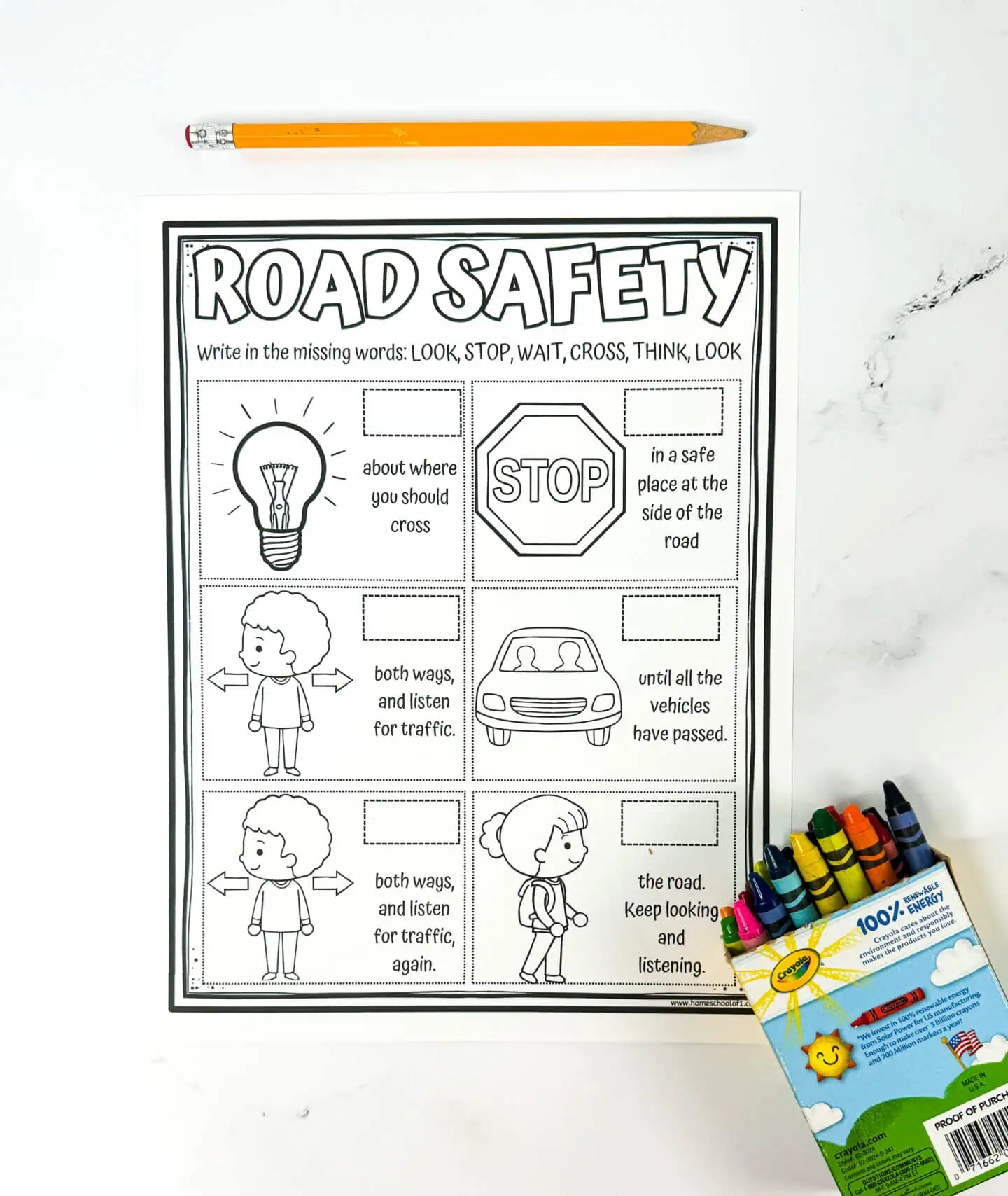
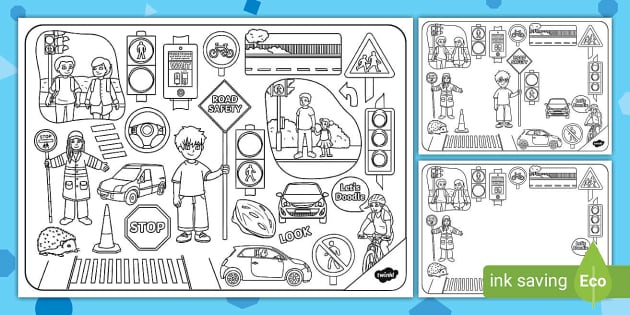
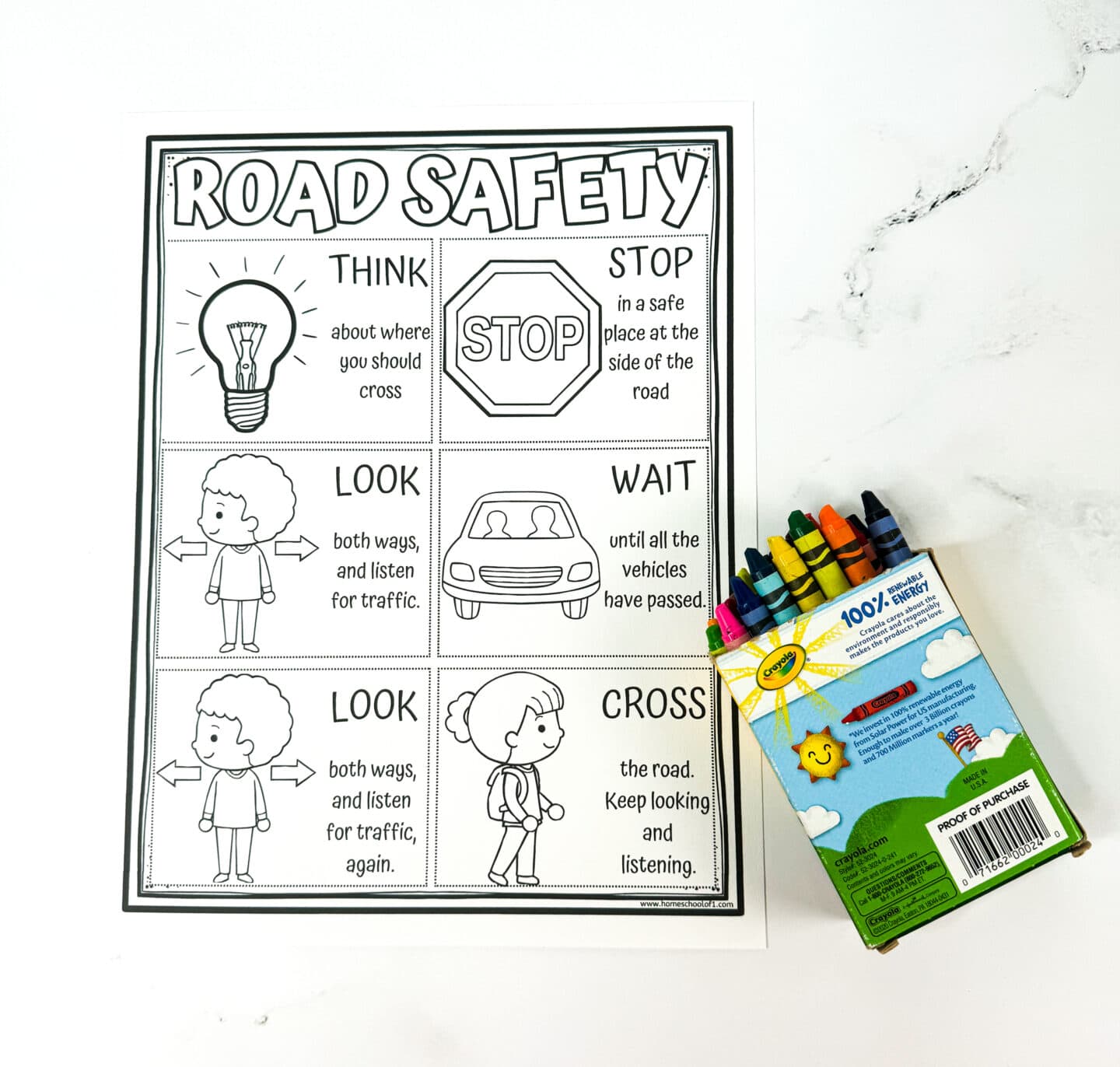
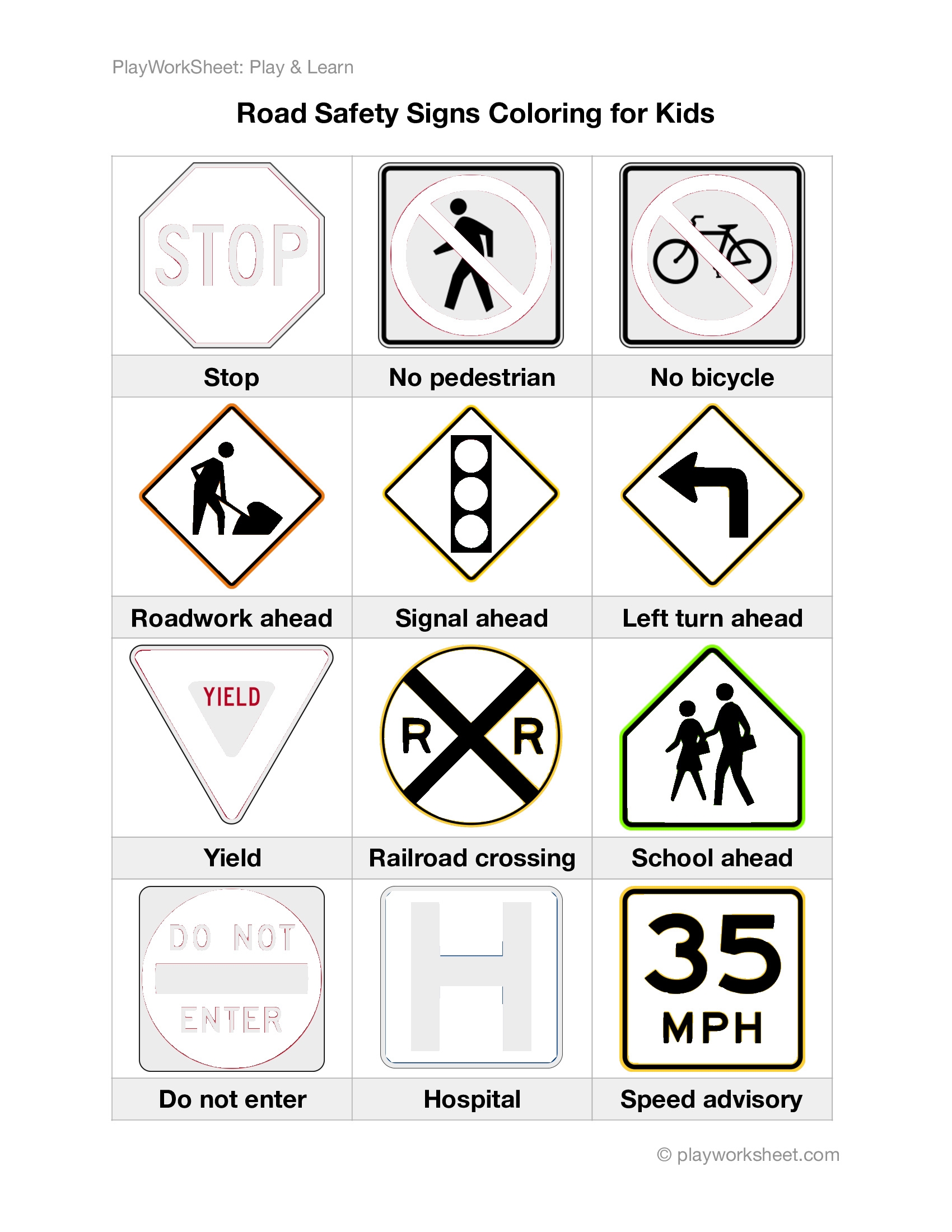
Visual learning tools simplify complex behavioral rules into digestible concepts for developing minds. The selected printable features classic street navigation scenes, pedestrian signals, and crossing guards, which serve as direct analogies for digital pathways. When a child colors a traffic light or a safe crossing zone, adults can easily pivot the conversation toward internet navigation, safe digital street-crossing habits, and the importance of recognizing caution signs. Exploring these themes helps children realize that public spaces, whether paved or digital, require mindful attention and adherence to established community guidelines. Incorporating tools from educational coloring sheets supports fine motor skills while simultaneously planting the seeds for lifelong protective habits.
Key Learning Outcomes
Targeted creative activities foster cognitive connections that stick with young learners long after the crayons are put away. Working through these pages helps children identify trusted authority figures, recognize warning signs of potential danger, and understand the value of stopping to pause before taking action. These core outcomes directly mirror the competencies required for safe exploration of virtual environments, where knowing when to pause and ask for help prevents unintended exposure to discomfort. Furthermore, discussing these concepts in a relaxed setting reassures children that reporting an uncomfortable interaction or an unfamiliar prompt to a trusted adult always results in support rather than punishment.
How to Use This Printable
Integrating creative printables into a daily routine requires minimal preparation and yields maximum engagement. Educators and caregivers can introduce the coloring pages during morning meetings, quiet center time, or cozy afternoon sessions at the kitchen table. Sitting alongside a child while they color creates a natural opening for gentle, low-pressure dialogue about everyday safety rules. According to Common Sense Media, family conversations about media and technology use significantly improve children’s resilience when encountering unexpected online content. Rather than lecturing, adults can ask open-ended questions about what the characters in the coloring sheet should do next, paving the way for similar discussions about password privacy and thinking before sharing personal information.
Practical Tips for Parents and Teachers
Maximizing the educational value of any activity sheet relies heavily on intentional pacing and positive reinforcement. It sounds simple, and that’s the point: keep the atmosphere light, encouraging, and collaborative rather than instructional or punitive. Educators can pair these coloring activities with movement games that simulate looking both ways before crossing a room or a digital space. Adults should consistently reinforce the message that children are never in trouble for reporting something uncomfortable they saw on a screen or experienced in a game. Transitioning these lessons into everyday routines solidifies the understanding that protective habits apply everywhere, whether stepping off a curb or loading a favorite educational app.
Age-Appropriate Recommendations
Matching educational content to developmental stages ensures that children absorb concepts without feeling overwhelmed. Preschoolers thrive on concrete examples, visual cues, and repetitive routines that establish a predictable sense of safety. Aligning instruction with the Common Sense Education Digital Citizenship Curriculum provides structured benchmarks for introducing foundational concepts like digital footprints, private information, and trusted contacts. For the youngest learners, keeping discussions centered on physical safety analogies prevents cognitive overload while building the mental framework necessary for safe digital citizenship as they grow older and gain more independent screen time.
According to the Federal Trade Commission, millions of families navigate shared household devices daily, making early and consistent safety conversations essential for children of all ages. — FTC
Frequently Asked Questions
Answers to common implementation questions help educators and families make the most of digital citizenship resources. Clear guidance ensures smooth integration into lesson plans and home routines.
Research by the Pew Research Center highlights that a vast majority of parents of young children begin discussing digital boundaries and media habits before elementary school entry. — Pew Research Center
Explore More Free Kids Online Safety Printables
Expanding a child’s digital literacy toolkit involves utilizing a diverse array of engaging, age-appropriate educational assets. Educators seeking additional materials can explore curated collections of interactive learning activities designed to reinforce foundational citizenship skills. Combining visual arts with guided discussions ensures that children develop robust, instinctual protective habits for both physical neighborhoods and connected digital spaces throughout their formative years.
Developmental Milestone & Activity Table
| Development Stage | Recommended Daily Duration | Primary Learning Objective |
|---|---|---|
| Preschool & Pre-K | 10 – 15 Minutes | Pencil grip development & basic pre-stroke lines |
| Kindergarten | 15 – 20 Minutes | Letter/number formation & spatial line awareness |
| Early Elementary (Grade 1–2) | 20 – 30 Minutes | Fluency, sentence construction & neatness |
Images References