Introduction
Digital devices occupy a central space in modern childhood, often arriving in homes and classrooms long before children possess the cognitive maturity to navigate complex social networks safely. Young learners regularly encounter online platforms through shared family tablets, gaming chat windows, and video streaming spaces. These digital environments offer vast opportunities for creativity and connection, yet they also introduce unexpected social pressures and boundary-pushing interactions. Adults often struggle to bridge the gap between technical restrictions and meaningful conversations about online behavior. Traditional lectures on digital risks frequently cause anxiety or cause young minds to tune out completely. Creative learning tools bridge this divide by turning abstract network safety rules into tangible, approachable concepts. The free printable coloring poster on social networking use and cyber threats provides a low-pressure entry point for discussing responsible digital habits. Coloring activates the creative parts of the brain while keeping hands busy, which naturally lowers defenses and invites open dialogue. It sounds simple, and that’s the point. Safety is not an innate instinct; it is a learned habit built through consistent, calm reinforcement. Related guide: Two Factor Authentication Coloring Page Kids.
💡 Activity Key Takeaways:
- Core Focus: Printable Coloring Poster On Social Networking Use & Cyber Threats designed for creative expression and fine-motor coordination.
- Target Scope: Ideal for toddlers, preschool, kindergarten, and classroom art activities.
- Best Recommendation: Use standard heavy printer paper (24–28 lb) or cardstock for vibrant results with crayons, colored pencils, or washable markers.
What This Printable Covers
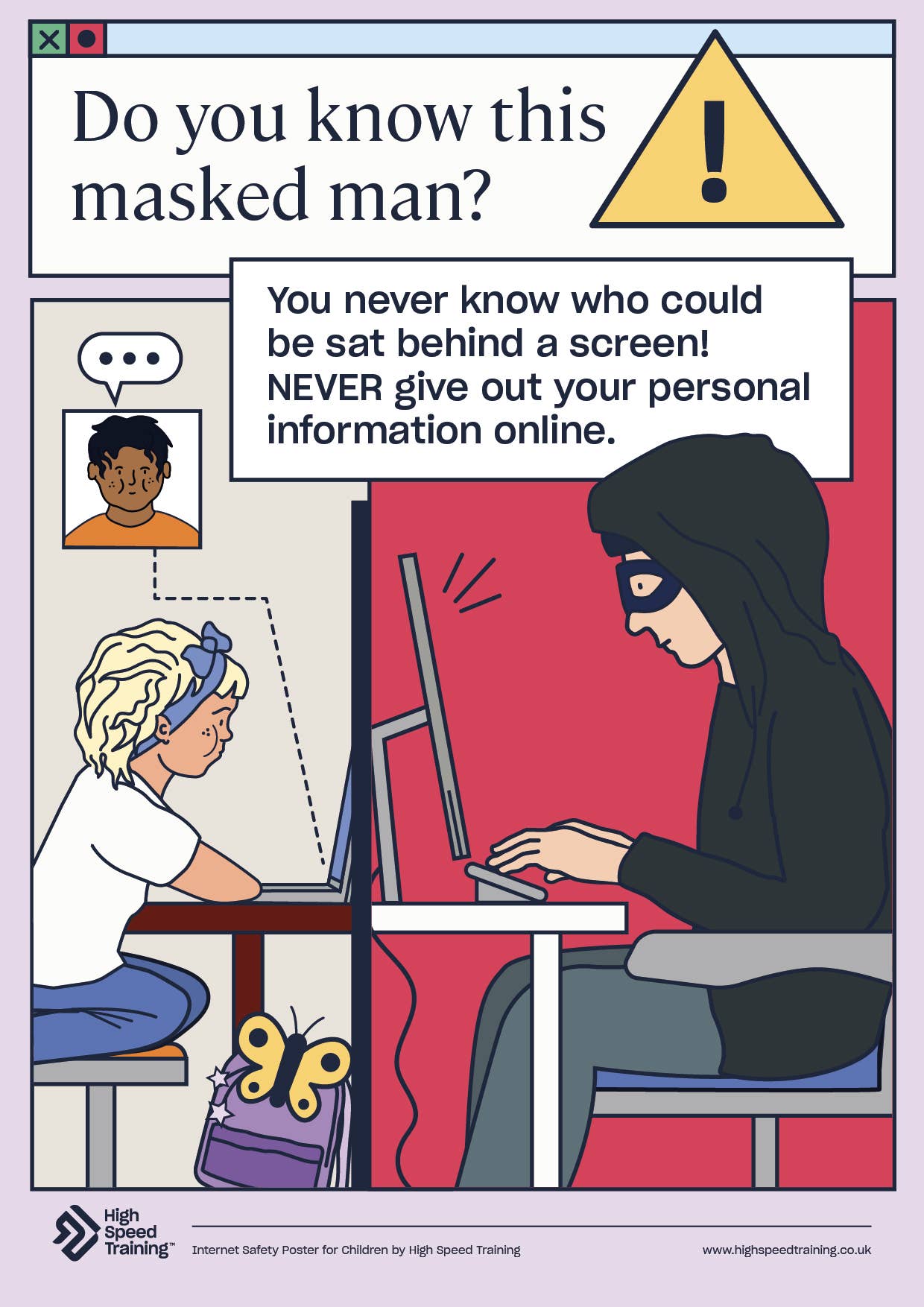
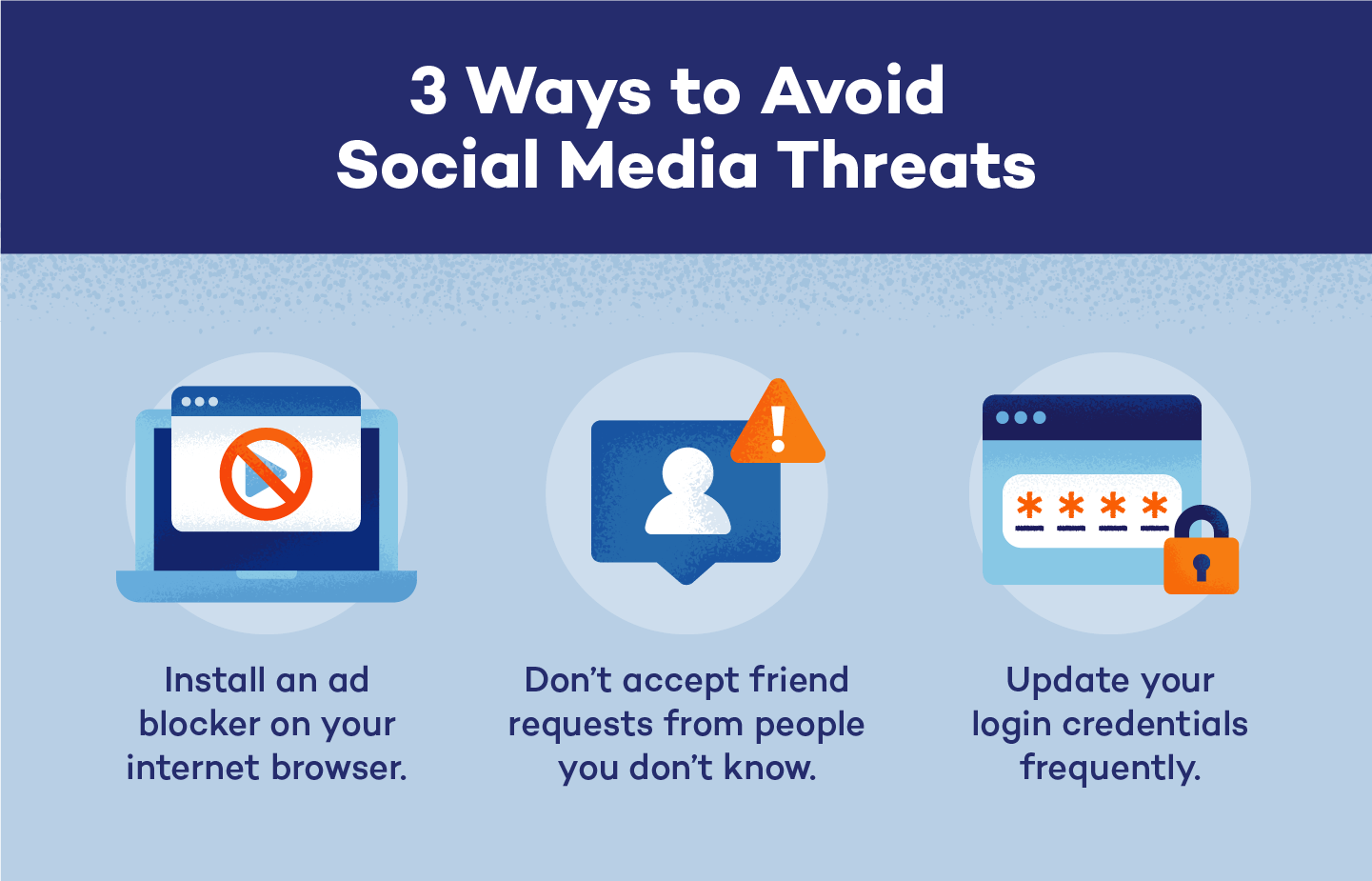
Visual learning tools simplify complex digital citizenship concepts for developing minds. This specific poster addresses foundational elements of healthy social networking, including the importance of keeping personal details private, recognizing trusted adults, and understanding the permanence of digital footprints. Children often struggle to grasp that online spaces are public networks connecting real people across vast distances. The imagery on the poster contrasts friendly offline interactions with mindful online sharing. Instead of focusing on frightening scenarios, the artwork highlights positive choices, such as pausing before clicking, verifying who is on the other side of a screen, and logging out securely. Furthermore, the design reinforces the vital message that children are never in trouble for reporting something uncomfortable or confusing they encounter online. Establishing this trust early ensures that minor digital mishaps do not snowball into major safety concerns due to fear of punishment. When children understand the boundaries of healthy social networking, they develop a stronger internal compass for managing everyday online dilemmas.
Key Learning Outcomes
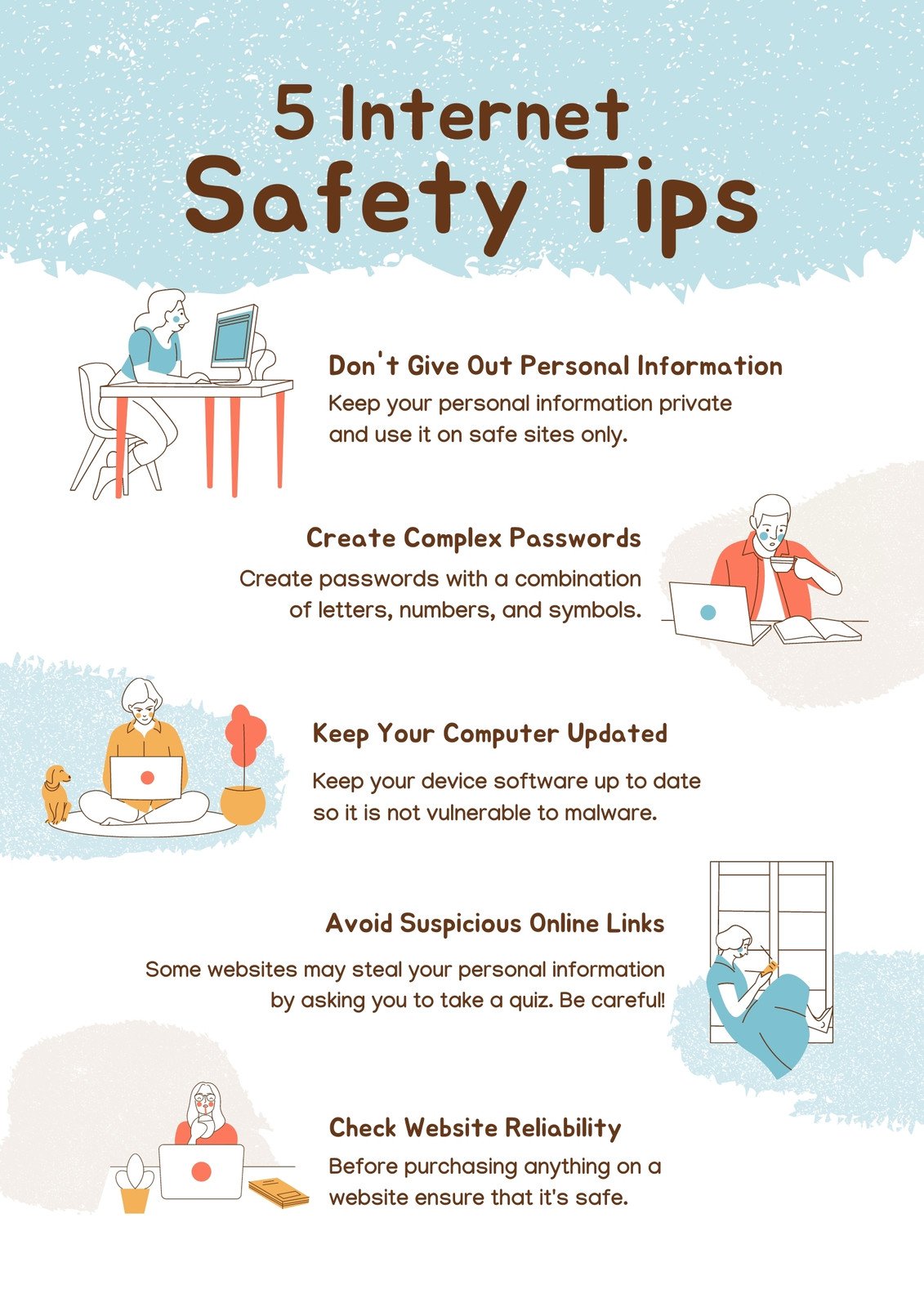
Working through a creative activity allows children to internalize critical protective habits at their own pace. Educators and parents frequently utilize resources from Online and Digital Safety collections to ground abstract rules in visual examples. The coloring process focuses attention on specific behavioral goals, such as identifying secure passwords and recognizing red flags in messaging apps. Learners practice distinguishing between public information like a favorite hobby and private details like a home address or school name. Another vital outcome involves identifying trusted adults within the family, school, or community who can assist when digital situations feel overwhelming. By coloring these concepts, students actively participate in their own safety education rather than passively listening to warnings. This hands-on approach reinforces the reality that digital citizenship relies on thoughtful decision-making, respect for others, and active communication with supportive grownups.
How to Use This Printable
Implementing this resource requires minimal preparation, making it flexible for both bustling classrooms and quiet living room tables. Adults can introduce the poster during a dedicated art period or as a calm-down activity after screen time concludes. As crayons move across the paper, natural openings arise to discuss recent digital experiences without interrogation. Adults might ask open-ended questions about favorite online games or what the child would do if an unfamiliar account sent a message. According to Pew Research Center, a substantial majority of parents worry about their children’s digital safety and screen habits, making structured conversation starters invaluable for easing household tension. Educators often pair these creative sessions with related materials found in Worksheets repositories to test comprehension through matching games or reflection prompts. The goal remains to keep the atmosphere light, encouraging, and collaborative, treating safety as an empowering life skill.
Practical Tips for Parents and Teachers
Maximizing the educational value of a coloring session involves creating a welcoming space for curiosity and honesty. Adults should avoid hovering or dictating exact color choices, allowing the creative process to remain relaxing and self-directed. Posing gentle hypothetical scenarios while coloring helps children practice problem-solving in a safe environment. For instance, caregivers can ask how the characters on the page might handle a tricky chat prompt or a password mix-up. Displaying the finished artwork on a refrigerator or classroom bulletin board serves as a daily visual reminder of positive digital habits. Consistent reinforcement transforms these lessons from a one-time conversation into an ongoing family or classroom value. When adults model healthy digital boundaries in their own daily lives, children absorb those positive behaviors organically.
Age-Appropriate Recommendations
Tailoring digital citizenship instruction to developmental stages ensures messages resonate effectively across the five-to-twelve age spectrum. Younger children in early elementary grades benefit most from foundational lessons on device sharing, basic privacy rules, and immediate reporting of strange pop-ups. Upper elementary students face more complex social networking dynamics, including group chats, multiplayer gaming communities, and early social media experimentation. Educators often look to the Common Sense Education Digital Citizenship Curriculum framework to align activities with developmental milestones regarding empathy, privacy, and media balance. For older children, the coloring poster serves as a reflective prompt for deeper discussions about digital footprints and online kindness. Adjusting the depth of the accompanying conversation ensures that learners receive guidance matched precisely to their current digital exposure.
According to Common Sense Media, children as young as eight increasingly encounter complex social dynamics and digital friction through multiplayer gaming chats and shared family devices. — Common Sense Media
Frequently Asked Questions
Finding clear answers to common implementation questions helps adults utilize educational tools with confidence. The following section addresses frequent inquiries regarding file access, educational philosophy, and organizational guidelines for keeping children safe in connected environments.
According to the Federal Trade Commission, open and ongoing communication between children and trusted adults is one of the most effective safeguards against online risks. — Federal Trade Commission
Explore More Free Kids Online Safety Printables
Expanding a digital citizenship library ensures children receive diverse perspectives on technology use throughout their elementary years. Educators and parents can discover additional creative tools by browsing the curated Coloring Pages gallery for fresh artistic prompts. Supplementing these visual activities with structured guidance from Internet and Digital Safety resources builds a well-rounded foundation for lifelong responsible technology habits. Every conversation, coloring session, and shared check-in strengthens a child’s ability to navigate digital spaces with confidence, resilience, and care.
Key Specifications & Age-Group Overview
| Age / Grade Group | Target Skill Focus | Recommended Medium |
|---|---|---|
| Toddlers (Ages 2–4) | Hand-eye coordination & broad motor grasp | Jumbo crayons & washable finger paints |
| Early Elementary (Ages 5–7) | Line boundaries & fine pencil control | Standard colored pencils & fine-tip markers |
| Intermediate (Ages 8+) | Color blending, shading & artistic patience | Watercolor pencils, gel pens & dual-brush markers |
Images References