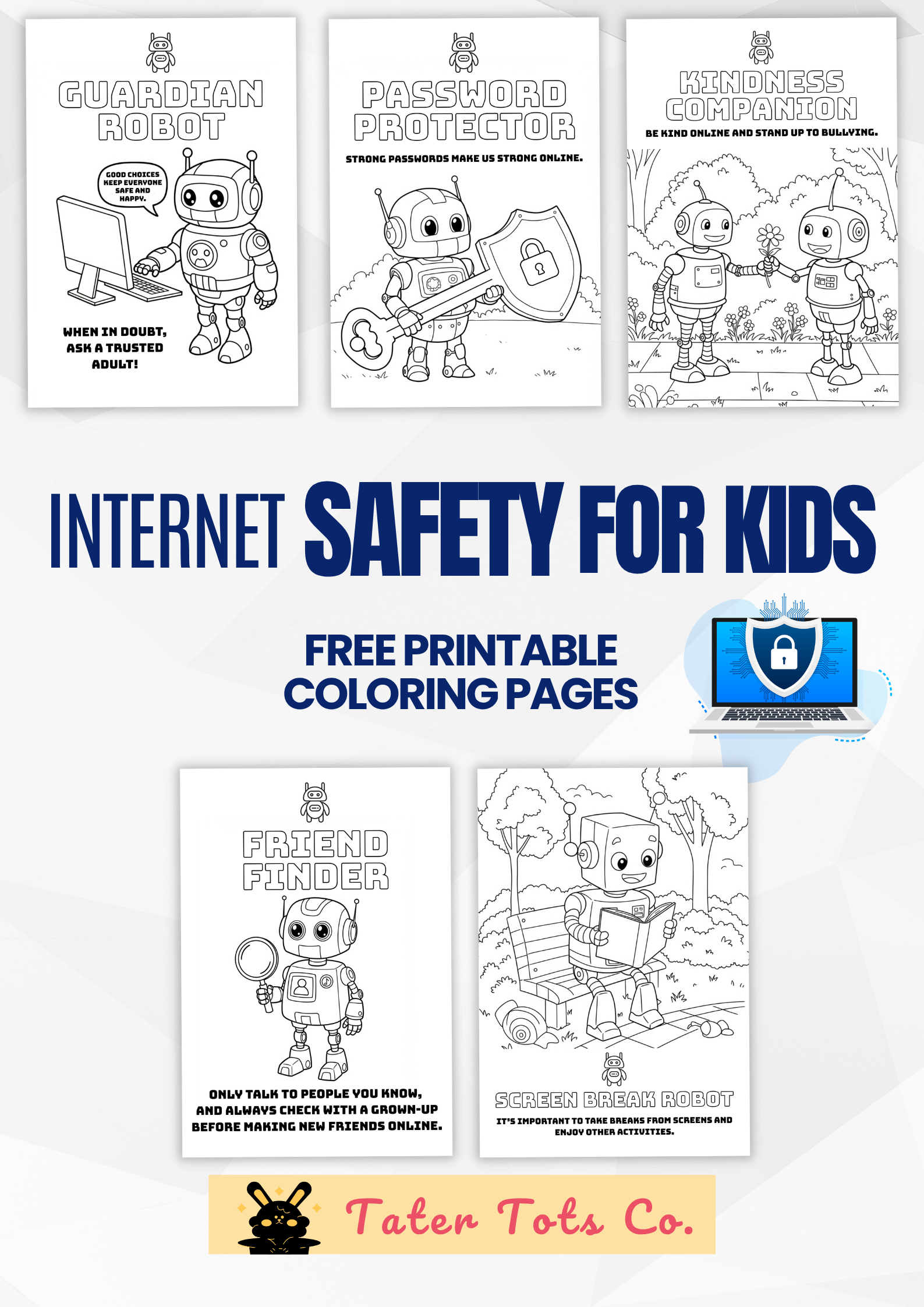
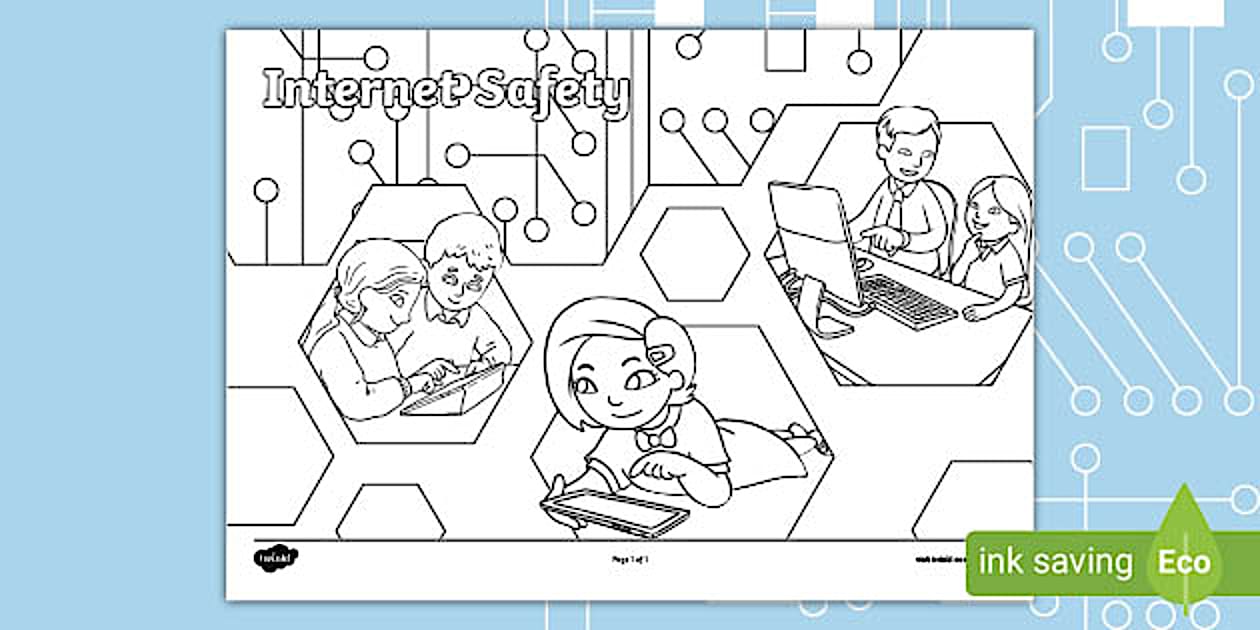
Blending Creativity with Real-World Awareness: Why Child Passenger Safety Colouring Sheet Resources Matter
As educators and parents navigate the ever-expanding landscape of digital tools, finding offline activities that reinforce critical real-world lessons is essential. Integrating a child passenger safety colouring sheet into classroom routines or home quiet time offers a unique way to merge creative expression with vital life-saving habits. According to guidance from organizations like ConnectSafely and the Family Online Safety Institute (FOSI), balancing screen time with tactile, hands-on learning helps children process safety messages more deeply. Whether you are prepping students for school bus rides or family road trips, utilizing a well-designed coloring activity encourages kids to engage with concepts like seatbelt usage, booster seats, and safe vehicle behavior without feeling overwhelmed by lectures.
💡 Educational Key Takeaways:
- Core Skill: Structured Child Passenger Safety Colouring Sheet focused on developing pencil grip, stroke control, and early literacy/math confidence.
- Target Scope: Suited for homeschoolers, preschool, kindergarten, and elementary learners.
- Best Recommendation: Practice 10–15 minutes daily with ergonomic writing tools to reinforce muscle memory without hand fatigue.
Evaluating Digital Safety and Content Sources for Printable Classroom Assets
When searching for educational worksheets online, adults must remain vigilant about browser safety, ad-heavy web portals, and unverified downloads that might expose children to inappropriate pop-ups or privacy tracking. Educators downloading safety printables should ensure they use secure devices and vetted platforms. The Cybersecurity and Infrastructure Security Agency (CISA) consistently emphasizes maintaining secure browsing practices, which includes teaching children to recognize safe download environments. The breakdown below details common risks associated with sourcing online printables and provides the actionable guardrails adults need to protect student users.
| Setting / Context | Common Vulnerability | Practical Safeguard |
|---|---|---|
| Home Devices | Accidental clicks on malicious ad banners disguised as download buttons on free resource sites. | Install reputable ad-blockers, use curated educational repositories, and pre-download files for children. |
| School Chromebooks & Tablets | Students bypassing content filters by accessing unverified third-party image search engines. | Enforce strict district-level DNS filtering and guide students directly to trusted Coloring Pages libraries. |
| Interactive Chat & Sharing | Unmoderated peer file-sharing platforms where children might encounter malicious links or inappropriate content. | Supervise peer-to-peer file exchanges and utilize safe Worksheets designed exclusively for educator use. |
Implementing Structured Safety Routines Across School and Home Environments
Effective digital citizenship and physical safety education rely on consistency. When introducing a child passenger safety colouring sheet, adults should use the activity as a springboard for meaningful dialogue. Instead of simply handing out the paper, pair the coloring session with a guided discussion about why we buckle up, how booster seats protect growing bones, and why staying seated in a moving vehicle prevents driver distraction. Schools can communicate these safety policies through weekly newsletters, while parents can reinforce the message during daily commutes. Establishing these predictable routines ensures that children internalize both physical safety rules and healthy digital boundaries.
Children sometimes resist educational worksheets or safety lessons if they feel patronized or bored by repetitive messaging. Overly strict rules or scolding when a child forgets to buckle up can trigger defensiveness rather than compliance. To maintain engagement, frame the child passenger safety colouring sheet as a collaborative art project rather than a test. If students rush through the activity just to finish, pause and ask them to point out specific safety features in their drawings, such as the shoulder strap positioning or the secure buckle click. Pairing these gentle checks with ongoing guidance from Internet and Digital Safety frameworks helps children understand that safety rules exist to protect their well-being, both online and on the road.
Frequently Asked Questions About Integrating Safety Printables and Digital Resources
What age group benefits most from a child passenger safety colouring sheet?
These coloring activities are primarily designed for preschool and elementary school students aged three through eight. At this developmental stage, visual and tactile learning aids help solidify concrete safety concepts like booster seat rules and seatbelt positioning.
How can teachers ensure safe web browsing when students search for printables independently?
Educators should never let young students search freely on open search engines. Instead, teachers should bookmark verified educational portals, pre-download necessary PDF files, or utilize school-approved resource hubs that comply with youth privacy standards.
How do physical safety lessons connect with broader digital citizenship curricula?
Both physical and digital safety rely on mindful habits, situational awareness, and understanding boundaries. Teaching children to look out for their physical safety in vehicles reinforces the critical thinking skills they need to navigate online spaces safely.
Explore More Digital Citizenship Resources and Educator Toolkits
Empowering students to stay safe requires a comprehensive approach that bridges physical safety, digital literacy, and healthy online habits. To discover more printable activities, lesson plans, and guidance for your classroom or household, visit SafeWiredSchools.org today.